If your furnace isn't heating, cycling too often, or making strange noises, we'll diagnose the issue and give you a straight answer. We service all brands and include a CO safety check with every repair. Call (323) 970-3113 for same-day service in Toluca Lake.
Furnace Repair & Heating Service in Toluca Lake
LC Heating & Air provides furnace repair in Toluca Lake — including heating repair, furnace tune-ups, home heater repair, furnace service. Whether you need same-day service, a written estimate, or help deciding between repair and replacement, our licensed technicians handle every make and model.
We repair and service all major HVAC brands in Toluca Lake, including Carrier, Lennox, Trane, Goodman, Rheem, and Bryant, and older or discontinued units. No matter the manufacturer, we diagnose the problem accurately and give you an upfront price before any work begins.
Even in Los Angeles, Toluca Lake winters can be chilly enough that a broken furnace is more than just uncomfortable — it's a safety concern. With Valley night temperatures often dropping into the 30s, a failed heater can affect your family's comfort and wellbeing. At LC Heating & Air, we provide furnace repair, heating service, and maintenance for gas, electric, heat pump, and dual-fuel systems throughout Toluca Lake and the surrounding areas. We prioritize heating calls because a failed heat exchanger or gas leak can be dangerous, and we include a carbon monoxide safety check with every gas furnace service.
Toluca Lake's housing stock ranges from older apartments and condos to mixed-use buildings and compact mechanical closets. That means access and system type can vary from one job to the next. Whether you're in a single-family home near the lakes or a unit in a multifamily building, we'll diagnose the problem clearly and give you a written estimate before any work begins. Our goal is to help Toluca Lake homeowners make informed decisions about their heating systems, not sell them something they don't need.
Local HVAC considerations
Apartments, condos, older multifamily properties, rooftop package units, compact mechanical closets
Valley nights drop into the 30s in winter; heat-island effects raise cooling loads
Dense buildings, parking limits, shared walls, rooftop equipment
Ignitors, flame sensors, dirty burners, pressure switches, inducer motors
Common Furnace Issues in Toluca Lake
Toluca Lake's mix of older and newer buildings means furnaces can range from modern high-efficiency units to 20- or 30-year-old systems that still work but are failing gradually. The most common problems we see in this area include failed hot-surface ignitors (a wear item that typically lasts 5–7 years), dirty flame sensors that cause intermittent lockouts, and pressure switches that trip due to restricted venting or airflow. In older systems, we often find cracked heat exchangers, which pose a carbon monoxide risk, and failing draft inducer motors that affect combustion.
Because Los Angeles winters are mild, many homeowners don't run their furnace often enough to notice early warning signs. A furnace that shorts-cycles or produces weak heat might go undiagnosed until a cold snap reveals the true issue. That's why we recommend a heating check in the fall, before you need it. We also see problems specific to multifamily buildings, where shared venting and compact mechanical closets can create airflow restrictions that strain older equipment.
Toluca Lake Housing and Your Heating System
Toluca Lake's housing stock is diverse: you'll find single-family homes, apartment complexes, condos, and mixed-use structures. Many multifamily properties use rooftop package units or have furnaces tucked into small mechanical closets. Older buildings may have original heating equipment that's past its expected lifespan, while newer developments might have high-efficiency gas furnaces or heat pumps. Each setup has its own access challenges and repair considerations.
For example, a furnace in an interior closet might have limited ventilation, which can affect combustion and heat exchanger life. Rooftop units are exposed to the elements and can develop rust or weather-related failures. Understanding the typical housing in Toluca Lake helps us prepare the right parts and tools for each job, so we can complete most repairs on the first visit.
How We Diagnose Furnace Problems
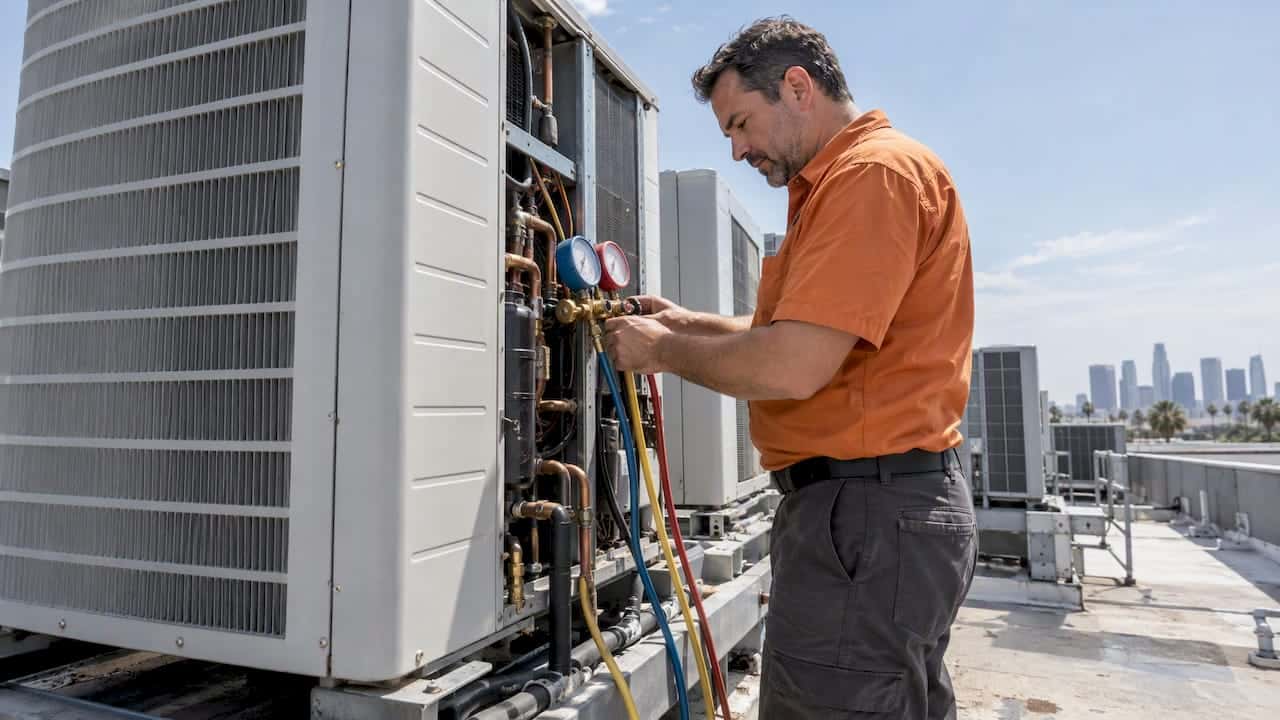
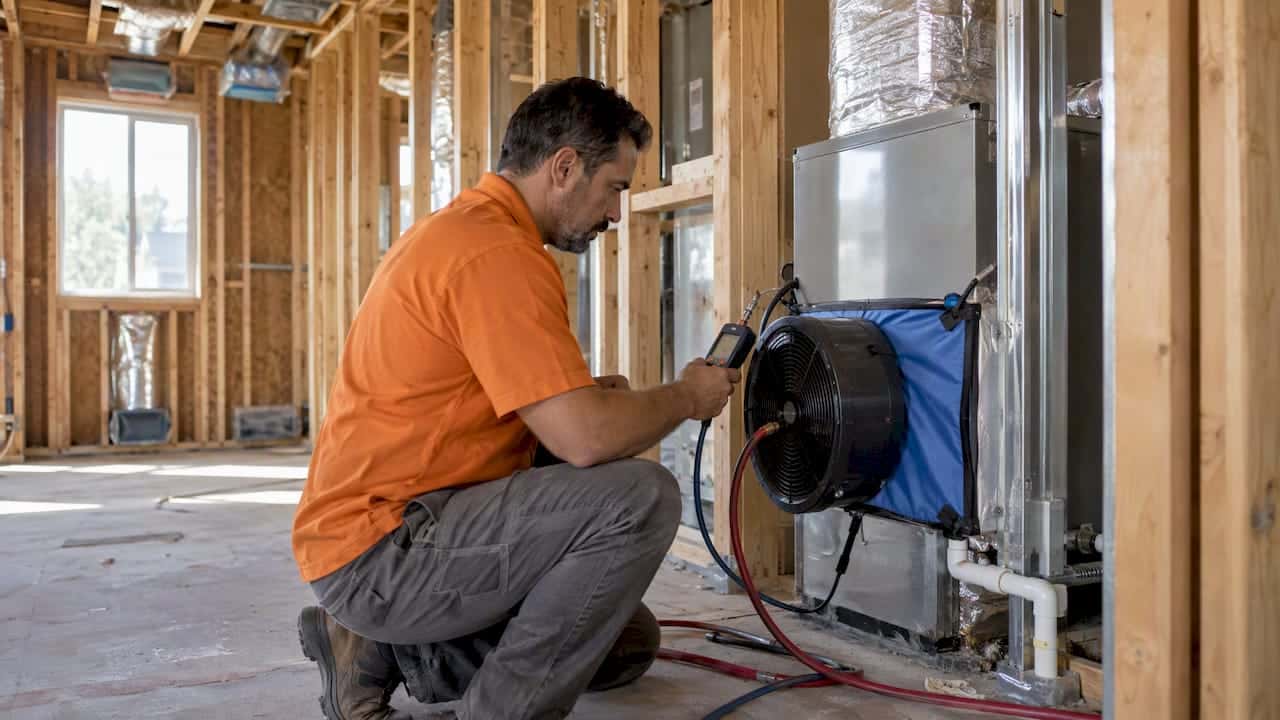
Our diagnostic process starts with safety. We check for gas leaks and measure carbon monoxide levels at the furnace and throughout the home before we touch anything. Once we confirm it's safe, we run the system through its cycle and observe the sequence of operation. We check the ignitor, flame sensor, gas valve, limit switches, control board, blower motor, and flue venting. We also inspect the heat exchanger visually and with a camera if needed.
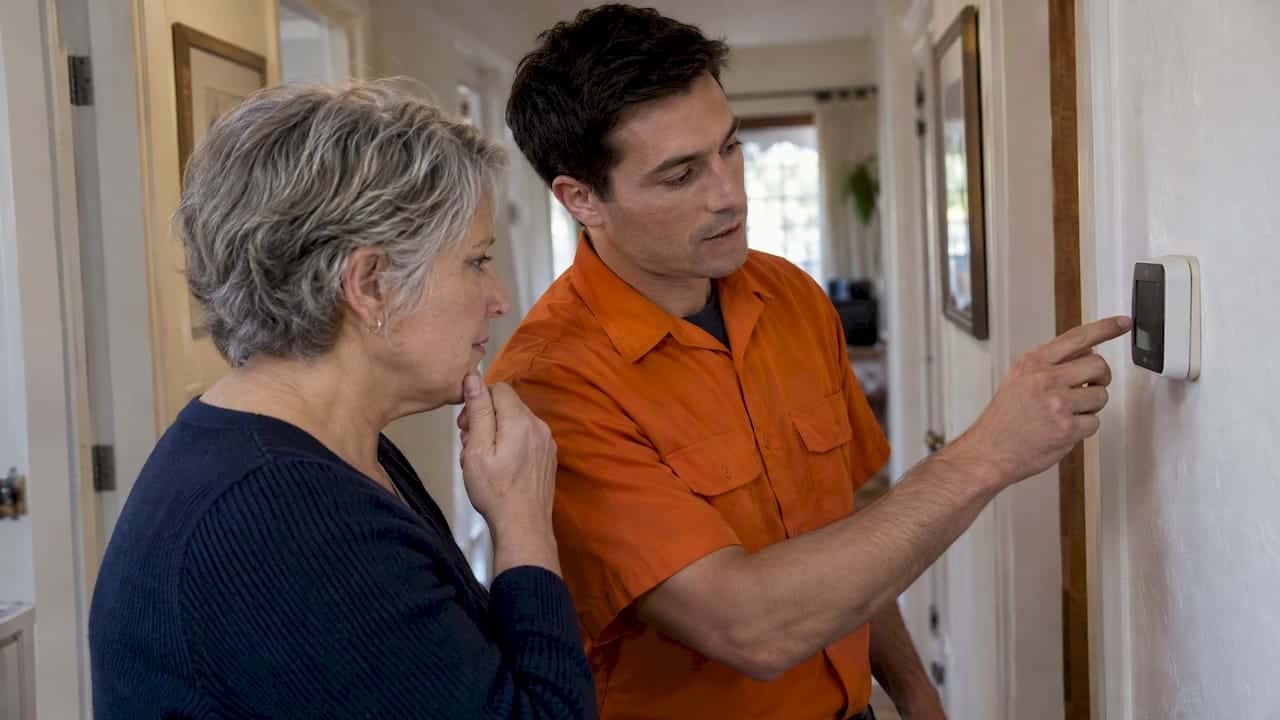
If the furnace has a dirty flame sensor or a weak ignitor, we'll spot it during the test. If there's a gas valve failure or a cracked heat exchanger, we'll identify it there too. After the diagnosis, we sit down with you and explain exactly what's wrong, what it will cost to fix, and whether a repair makes sense for the age and condition of your system. We give you a written estimate before any work begins.
Repair or Replace Your Furnace?
We don't make a living by selling you a new furnace you don't need. If a repair will restore your system to safe and reliable operation, we'll recommend it. But there are times when replacement is the better financial decision: when the furnace is more than 15–20 years old, when the cost of repair exceeds 50% of a replacement, or when there's a cracked heat exchanger or any safety concern that can't be safely repaired.
We look at the overall condition of the equipment, not just the immediate problem. A furnace that needs an expensive control board or heat exchanger replacement might be better replaced with a modern, high-efficiency unit that will save you on monthly bills. We'll walk you through the numbers and let you decide. There's no pressure — just facts.
Furnace Repair Costs in Toluca Lake
Furnace repair costs in Toluca Lake are similar to the rest of Los Angeles. Our diagnostic/service call is $125 to $175 and includes a complete safety inspection and CO check. Common repairs like ignitor replacement run $150 to $300, flame sensor cleaning or replacement is $125 to $225, and control board replacement is $300 to $650. More extensive work like blower motor replacement ($350–$750) or gas valve replacement ($350–$600) is priced accordingly. We always give a written flat-rate estimate before starting the job.
When a repair is relatively minor and the furnace is in good shape otherwise, it's an easy yes. But if you're looking at a heat exchanger replacement ($1,500–$3,500) on a furnace that's 20 years old, replacement is usually the smarter move. At that point, we'll help you explore high-efficiency options and check if any rebates are available from your utility company or through the state. Rebates can offset some of the cost of a new system.
Access and Scheduling in Toluca Lake
Toluca Lake's dense neighborhoods and mixed-use buildings can make access a factor. Some furnaces are in rooftop units that require coordination with building management for roof access. Others are in small closets shared with water heaters or stacked laundry. Parking can be limited on some streets. We account for these factors when scheduling your appointment to make sure we can get to the equipment efficiently.
We offer same-day service for urgent failures and answer emergency calls 24/7 — our phone is typically answered within 30 minutes. For routine repairs, we can often schedule a visit within 24–48 hours. We'll confirm access requirements when you book, so there are no surprises. Call (323) 970-3113 to schedule.
Common Furnace Mistakes to Avoid in Toluca Lake
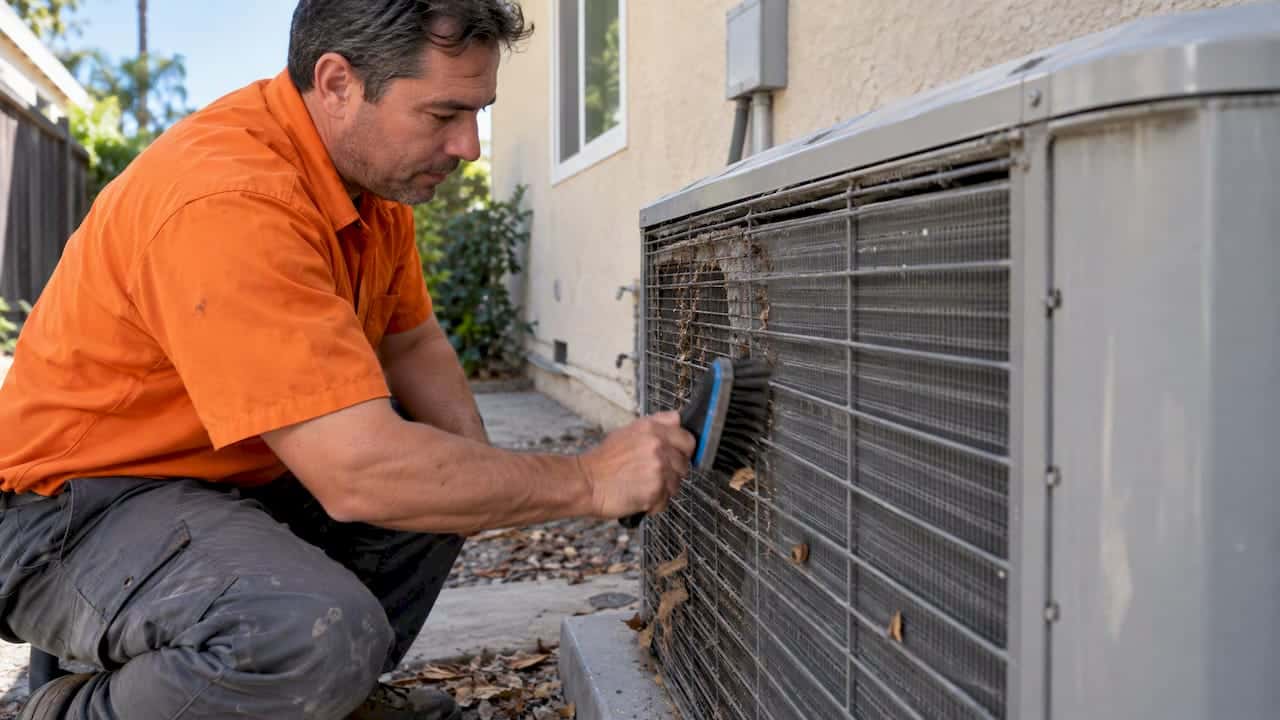
One of the biggest mistakes we see is skipping annual maintenance. Many homeowners wait until the furnace stops working to call for service, when a simple tune-up would have caught the failing ignitor or dirty flame sensor months earlier. Annual maintenance costs a fraction of an emergency repair, and it keeps the system running efficiently and safely.
Another common mistake is ignoring warning signs — like strange noises, short-cycling, or higher energy bills — hoping they'll go away. They won't. A delayed ignition banging noise, for example, can quickly become a cracked heat exchanger. Also, don't DIY gas furnace repairs. Gas appliances require licensed, certified technicians to ensure safety and code compliance. Leave it to the professionals.
Furnace Safety and Carbon Monoxide Protection
Carbon monoxide from a cracked heat exchanger is the most serious safety issue in gas furnace operation. We check for CO on every furnace service call — measuring levels at the furnace plenum, supply registers, and in ambient room air. If we find a crack or elevated CO, we shut the system down and advise on next steps. We never suggest operating a furnace with a known heat exchanger failure.
California law requires CO detectors in every home with a fossil fuel appliance. If you don't have working CO detectors, install them today. They cost about $20–$40 each and can prevent poisoning. Our service includes a heat exchanger inspection with every repair and maintenance visit. If you smell gas, hear banging at startup, or your detector alarms, call us immediately — we answer emergency calls 24/7.
Repair or Replace Your Furnace? A Simple Guide
Deciding whether to repair or replace a furnace comes down to three things: age, repair cost, and safety. If your furnace is less than 10 years old and the repair is straightforward, fixing it usually makes sense. If it's 15–20 years or older and the repair is major — like a failed heat exchanger or compressor — replacement is often the better investment. We'll give you the numbers and let you decide.
Also consider efficiency. Older furnaces might be running at 80% AFUE or lower, while a new high-efficiency furnace can reach 96% or more. That difference can lower your monthly heating bill by 20–30%. And if a cracked heat exchanger is involved, there's no debate — safety comes first. We never recommend operating a furnace with a compromised heat exchanger.
How the visit works
We check for gas leaks and CO levels before diagnosing. If there's a safety issue, we address it first.
We check the heat exchanger, ignitor, gas valve, limit switch, control board, blower motor, and flue venting.
We explain the issue and give you a flat price. If repair doesn't make sense, we'll tell you.
We repair the issue, verify combustion, test CO levels, and confirm all safety limits are operating correctly.
Cost factors we review before quoting
- • Age and condition of the existing furnace
- • Type of system (gas, electric, heat pump)
- • Complexity of access (rooftop, closet, shared structure)
- • Availability of replacement parts
- • Required safety inspections and permits
Useful next steps
Furnace Repair in Toluca Lake at a glance
- • LC Heating & Air provides furnace repair and heating service in Toluca Lake, CA.
- • Licensed and insured: CSLB #1073586.
- • Emergency phone answered 24/7 within 30 minutes.
- • Same-day service options available for Toluca Lake.
- • NATE-trained technicians with EPA certification.
- • Written estimates given before any work begins.
- • Every furnace repair includes a carbon monoxide safety check.
Our furnace repair process in Toluca Lake
Reviewed by Leo, Owner & Lead Technician
This furnace repair guide for Toluca Lake is reviewed for practical HVAC accuracy by Leo at LC Heating & Air. LC Heating & Air holds California CSLB C-20 HVAC license #1073586 and provides written estimates before approved work.
What Toluca Lake customers say about furnace repair
Verified reviews from homeowners in Toluca Lake and nearby neighborhoods who used our furnace repair service.
“Furnace was making a loud banging noise every time it started. LC diagnosed delayed ignition from dirty burners. Cleaned and tuned the whole system, tested CO levels, explained everything clearly. No upsell, fair price.”
“Our furnace wasn't heating evenly upstairs. LC found that half of our ductwork in the attic had separated and was blowing hot air into the attic. Repaired everything and now every room heats equally. Professional and transparent.”