- What Does a Proper HVAC Second Opinion Include?
- When Should You Get a Second Opinion on HVAC Repair?
- How Do You Get a Useful Second Opinion?
- What Questions Should You Ask the Second Technician?
- What Are the Red Flags, and What Should a Diagnostic Fee Cost?
- How Do You Decide Between Repair and Replace?
- Why Trust LC Heating and Air Conditioning for an Independent Opinion?
- An Owner’s Note on Evidence-First Service
- Book a Second-Opinion Visit With LC Heating and Air Conditioning
- Where to Verify Quotes and Check the Numbers Yourself
- Sources
- FAQ
- Recommended
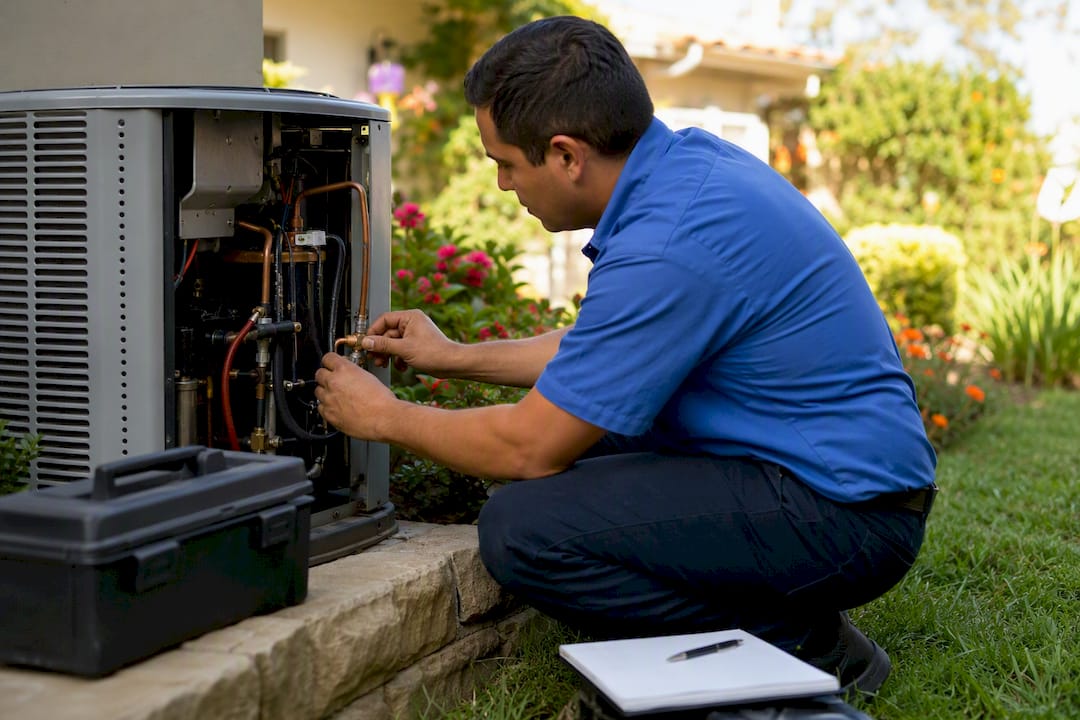
If a technician tells you your system needs replacing, or hands you a quote north of a thousand dollars, stop before you sign anything. Get an HVAC second opinion first. An independent inspection either confirms the diagnosis and gives you peace of mind, or it catches an inflated estimate before it drains your bank account. Leo, owner of LC Heating and Air Conditioning in Los Angeles, has built his company’s reputation on exactly this kind of evidence-first honesty.
TL;DR:
- Get a second opinion for quotes over $1,000 to $2,000, especially if it involves a full system replacement or safety concerns.
- An independent diagnosis should include evidence like failed parts, diagnostic photos, and a detailed, itemized estimate before any work begins.
- Avoid quick decisions influenced by high-pressure tactics or vague scope of work, and verify the diagnosis with written data and test readings.
- The typical second-opinion fee ranges from $80 to $200, with many providers waiving the fee if you proceed with repairs.
- For system failures in younger units, such as a four- to five-year-old compressor, additional scrutiny is recommended to determine if early replacement is justified.
What Does a Proper HVAC Second Opinion Include?
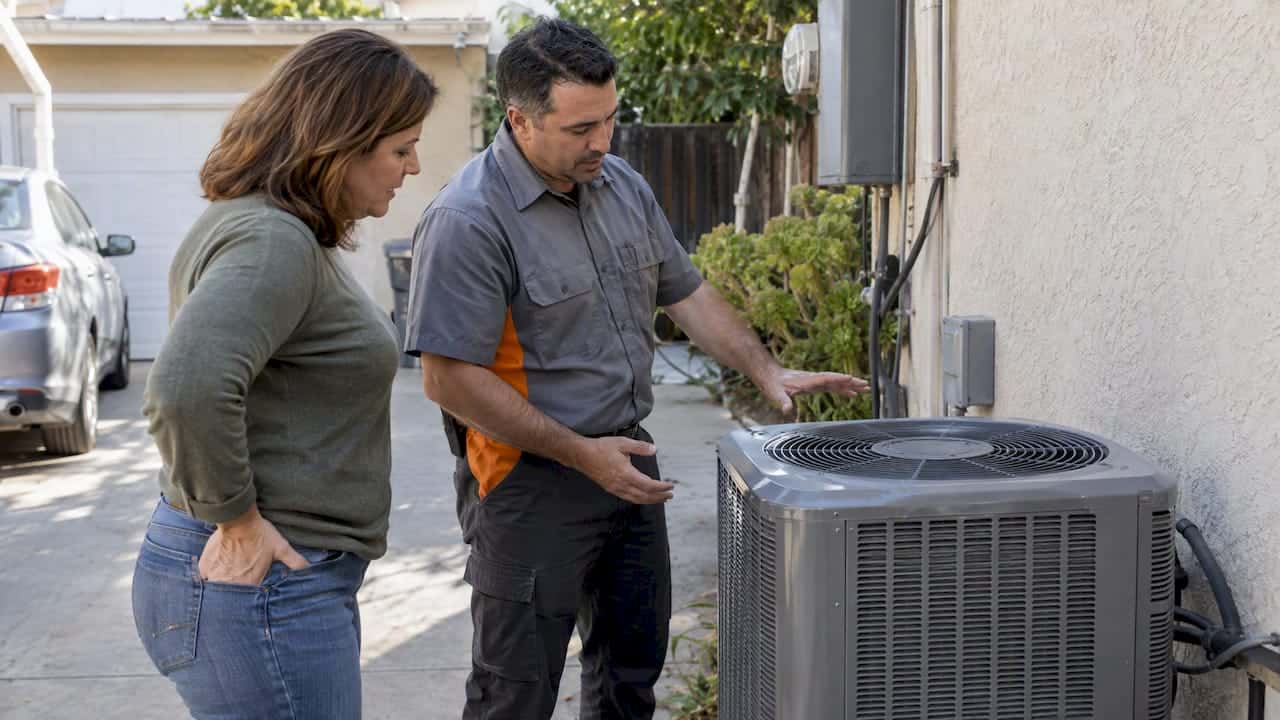
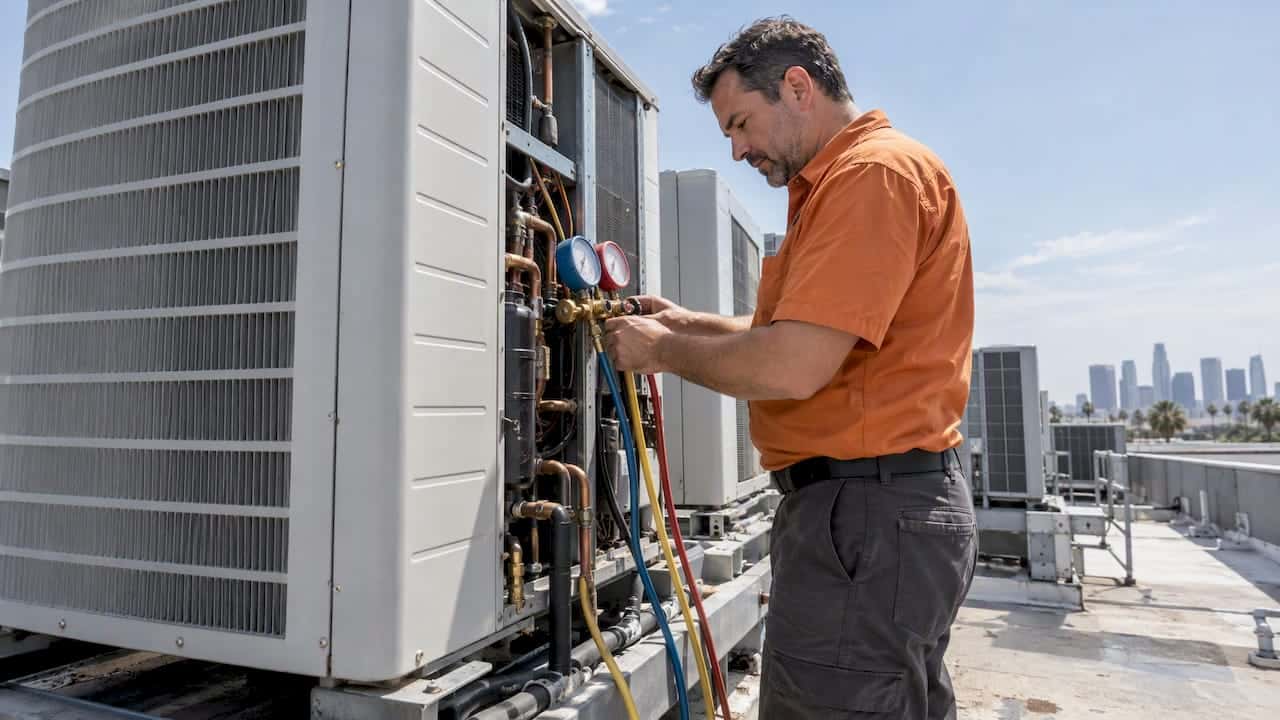
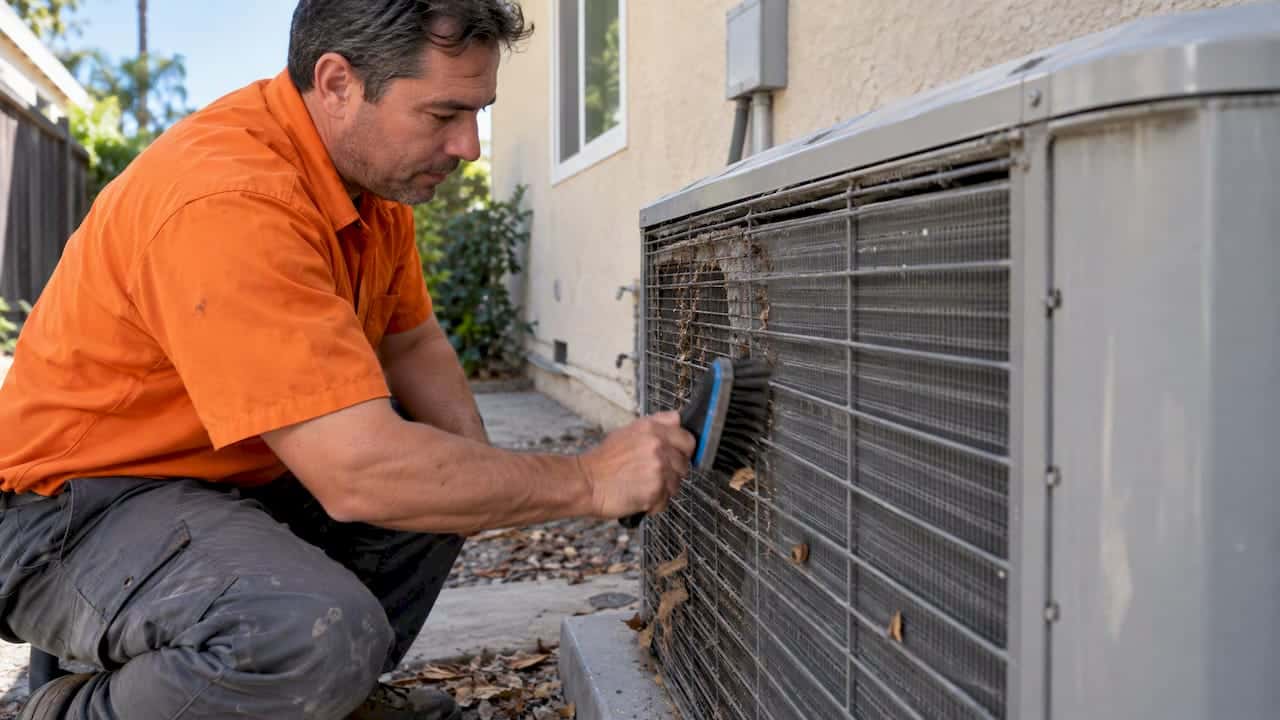
A real HVAC system diagnosis doesn’t just repeat the first company’s number with a discount attached. It starts over: a fresh technician inspects your equipment independently, without seeing the original quote first, and forms an opinion based on what’s actually happening inside your unit.
That process should produce specific, checkable evidence rather than a verbal verdict. A fair second opinion shows you proof, not just a price.
Expect these deliverables from any legitimate air conditioning second opinion:
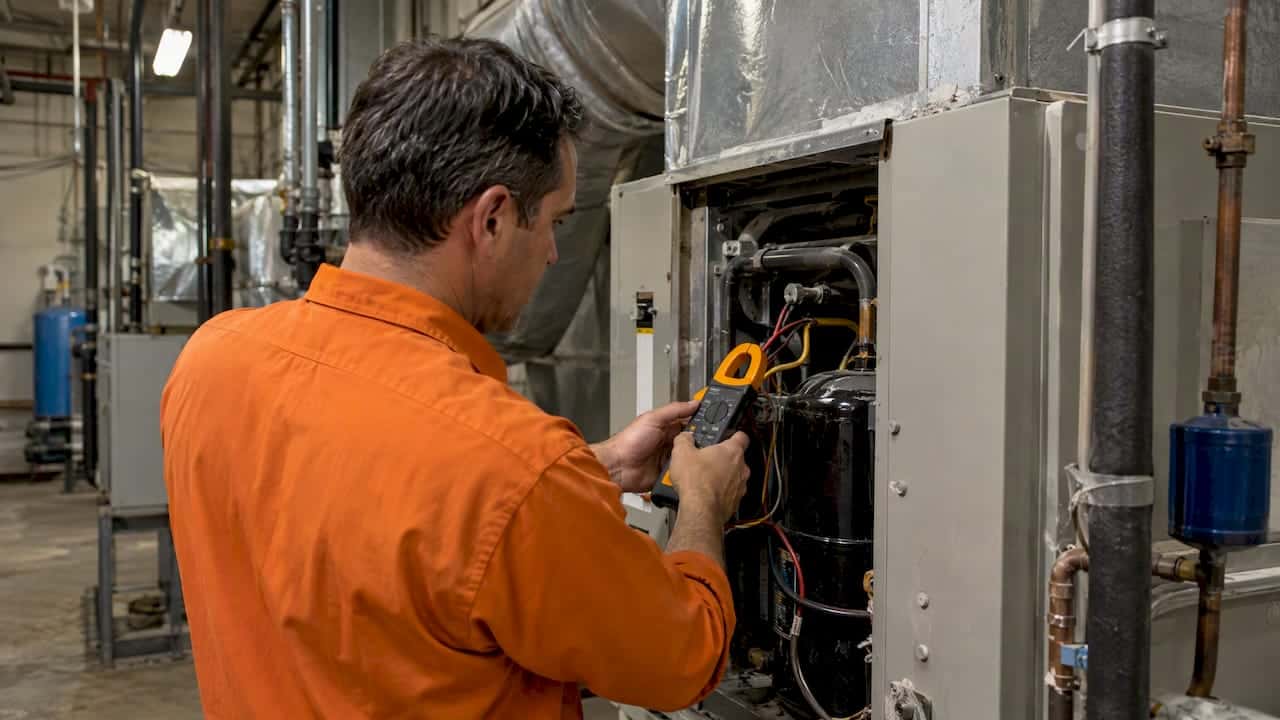
- The failed part itself, plus meter readings or diagnostic photos that back up the claim
- A written, itemized estimate breaking down parts, labor, and any permit fees
- A Manual J load calculation if replacement is on the table, so new equipment is sized correctly instead of guessed at
- Clear warranty terms and a written scope of work before anyone touches your system
If a technician can’t produce any of that, you’re getting a sales pitch dressed up as a diagnosis.
When Should You Get a Second Opinion on HVAC Repair?
Not every repair warrants a second visit. A $150 capacitor swap doesn’t need outside verification. But certain triggers should make you pause every time.
The big three: a quote over roughly $1,000 to $2,000, a claim that your entire system needs replacing, or any statement involving safety, like a cracked heat exchanger or a carbon monoxide risk.
Homeowners who get a second opinion on high-cost or safety-flagged quotes routinely avoid unnecessary repairs that would have cost them thousands, according to industry guidance built around exactly this cost threshold.
System age matters too. A five-year-old compressor failing prematurely deserves more scrutiny than a fifteen-year-old unit nearing the end of its expected service life, since a young system failing early can point to an installation defect rather than normal wear.
Watch for “parts unavailable” claims and same-day discount pressure. Both are common tactics used to rush a decision before you can compare options.
How Do You Get a Useful Second Opinion?
Getting genuine value out of a second visit takes a little preparation. Here’s how to run it right:
- Gather your paperwork. Bring the original written quote, your system’s model and serial number, and a timeline of the symptoms you’ve noticed.
- Ask about the fee upfront. Confirm whether the visit is free or carries a diagnostic charge before you book it, and ask whether findings will be provided in writing.
- Don’t share the first quote immediately. Ask the second technician to diagnose the problem independently first, then compare notes against the original estimate. This is the step that separates a real second-opinion evaluation from a simple re-pricing exercise.
- Request evidence in writing. Ask for the itemized scope, photos of any failed components, and the specific readings that led to the diagnosis.
- Compare, then decide. Only after both diagnoses are in hand should you weigh the two against each other.
What Questions Should You Ask the Second Technician?
The right questions push past sales language and force a technician to show their work. Bring this list to every HVAC consultation where a big-ticket repair is on the table:
- “Can you show me the failed part and the actual readings that led to this diagnosis?”
- “Did you run a Manual J calculation to confirm the replacement sizing, or are you going off the old unit’s tonnage?”
- “Can you itemize parts and labor separately, and note anything that requires a permit?”
- “Realistically, how many years will this repair add to the unit’s life?”
A technician who answers all four without hesitation is giving you a real HVAC troubleshooting assessment. One who dodges them is selling, not diagnosing.
What Are the Red Flags, and What Should a Diagnostic Fee Cost?
Pressure is the biggest tell. If a technician pushes a “today only” discount, refuses to show you the failed part, or hands you a vague one-line scope instead of an itemized estimate, treat it as a warning sign rather than a bargain.
Common red flags to watch for:
- High-pressure tactics or artificial deadlines tied to a discount
- A scope of work that doesn’t list specific parts, labor hours, or permit needs
- No willingness to show test readings, photos, or the failed component itself
- No mention of permits on jobs that clearly require them
On cost: expect a diagnostic fee in the $80 to $200 range for most second-opinion visits, and know that many contractors waive that fee if you proceed with the repair. Ask about the policy before you book so there’s no surprise on arrival.
If a technician claims a gas leak or carbon monoxide hazard and pushes an immediate system shutdown, verify it independently without relying solely on the technician’s claim. Call your local fire department or gas utility rather than taking a sales-driven safety claim at face value.
How Do You Decide Between Repair and Replace?
The math here is simpler than most homeowners expect, once you have two independent opinions in hand.
If repair costs exceed 50% of replacement, or the unit is past 12 years old, replacement is often the smarter long-term investment.
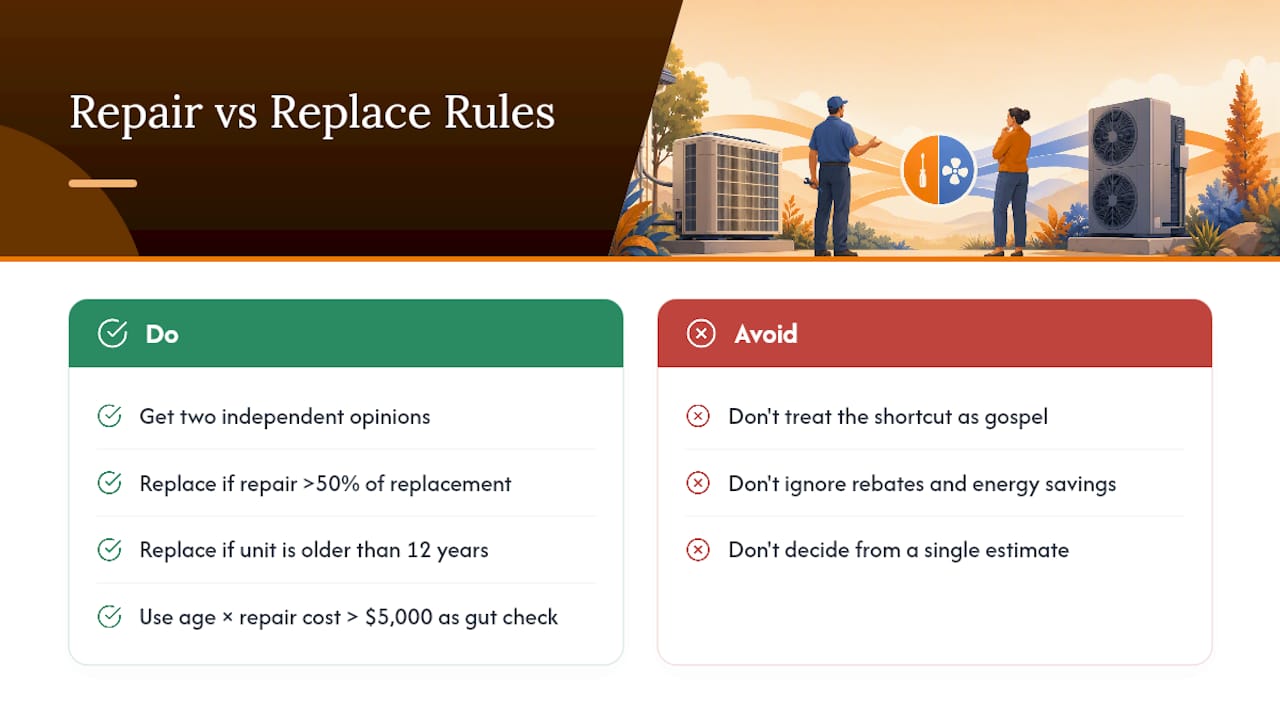
Some homeowners use a rougher shortcut: multiply the unit’s age by the repair cost, and if that number tops $5,000, lean toward replacing. Treat it as a gut check, not gospel. It ignores rebates, energy savings, and how the repair cost compares to the unit’s actual remaining value.
Pro Tip: A 10-year-old AC quoted at $2,200 for a compressor sits right at the edge. Run the numbers against a full replacement estimate before deciding, and factor in any available heat pump rebates.
Why Trust LC Heating and Air Conditioning for an Independent Opinion?
LC Heating and Air Conditioning has served the Greater Los Angeles area for more than 20 years, and that track record covers everything from century-old Hollywood bungalows to modern multi-zone heat pump systems and commercial VRF installations. Flat-rate pricing means the number quoted is the number you pay, with no surprise escalation once the technician arrives.
Same-day diagnostics keep you from sitting in a hot or cold house while you wait for answers. And every second-opinion visit follows the same evidence standard covered above: the technician shows the failed part, provides itemized written estimates, and flags any available rebates on heat pump upgrades before recommending replacement.
An Owner’s Note on Evidence-First Service
I built LC Heating and Air Conditioning around one rule: if we can’t show you the part, the reading, or the photo, we don’t ask you to pay for the fix. Flat-rate pricing exists because homeowners deserve to know the number before we start, not after. My commitment is simple. Every diagnosis gets evidence attached to it, and every estimate gets written down. You should never have to take a technician’s word alone on a decision this expensive.
— Leo
Book a Second-Opinion Visit With LC Heating and Air Conditioning
LC Heating and Air Conditioning gives you a real alternative to accepting a stranger’s quote at face value: an independent, evidence-first inspection with flat-rate pricing, so you know the cost before any work begins.

Booking is straightforward. Bring your existing written quote, and our technician will re-diagnose your system independently, show you the failed part or readings behind any recommendation, and hand you an itemized estimate you can compare side by side with the first one. If your original quote turns out to be fair, you walk away with confirmation and no obligation to switch providers. If it doesn’t, you’ll have the documentation to push back. Our team also handles heat pump, mini-split, and VRF systems for homeowners weighing repair against replacement, and can point you toward current rebate programs if a new system makes financial sense. Schedule your visit through LC Heating and Air Conditioning’s Los Angeles service page and get a straight answer instead of a second sales pitch.
Where to Verify Quotes and Check the Numbers Yourself
A few outside resources are worth bookmarking before your next HVAC quote lands in your inbox. The HVACDatabase guide on second opinions lays out cost thresholds and fee ranges in more detail. Eco Services’ guide to fair second opinions walks through the evidence standard step by step. For repair-versus-replace math specific to your situation, LC Heating and Air Conditioning’s own guide on AC repair vs. replacement breaks down the decision further.
Sources
- Why You Should Get a Second HVAC Opinion — HVACDatabase
- How to get a fair second opinion on any quote — Eco Services
- How to get a second opinion on an HVAC repair — Backbone Trades
FAQ
Should I get a second opinion on HVAC repair?
Yes, particularly when the quote exceeds roughly $1,000 to $2,000, involves a full system replacement, or cites a safety hazard. A second, independent diagnosis is inexpensive insurance against an unnecessary repair.
What is the $5,000 rule for HVAC?
It’s a rough shortcut where you multiply the unit’s age in years by the repair cost. If the result tops $5,000, replacement is often worth considering, though it should never override an actual repair-versus-replace calculation.
What is the most common HVAC problem?
Failed capacitors, dirty coils, and refrigerant leaks account for a large share of residential HVAC service calls, and all three should come with visible evidence, like a failed part or a diagnostic reading, before you approve a repair.
How much does an HVAC second opinion cost?
Most independent diagnostic visits run $80 to $200, and many contractors, including LC Heating and Air Conditioning, will waive that fee if you move forward with the recommended repair.
Recommended
Leo, Owner & Lead Technician at LC Heating & Air
Leo leads LC Heating & Air as an owner-operator and holds California CSLB C-20 HVAC license #1073586. His guides focus on practical diagnostics, safe repair decisions, and clear advice for Los Angeles homeowners.