- Key Takeaways
- What does a professional furnace check include?
- Inspection vs. tune-up: what is the difference?
- Safe DIY checks you can run before you call a pro
- Warning signs that need immediate professional service
- How much does a furnace check typically cost?
- What to expect during a professional furnace visit
- How to choose a trustworthy HVAC technician
- When should you schedule your furnace check?
- A note from Leo
- Schedule your furnace check with LC Heating and Air Conditioning
- Sources
- FAQ
- Recommended
Schedule a professional furnace check this fall. That single step protects your family from carbon monoxide risk, prevents mid-winter breakdowns, and keeps your energy bills from climbing. If you smell gas, your CO alarm has gone off, or your burner flame is yellow instead of blue, stop reading and call for service now. For everyone else, here is exactly what to do.
Three DIY checks to run right now:
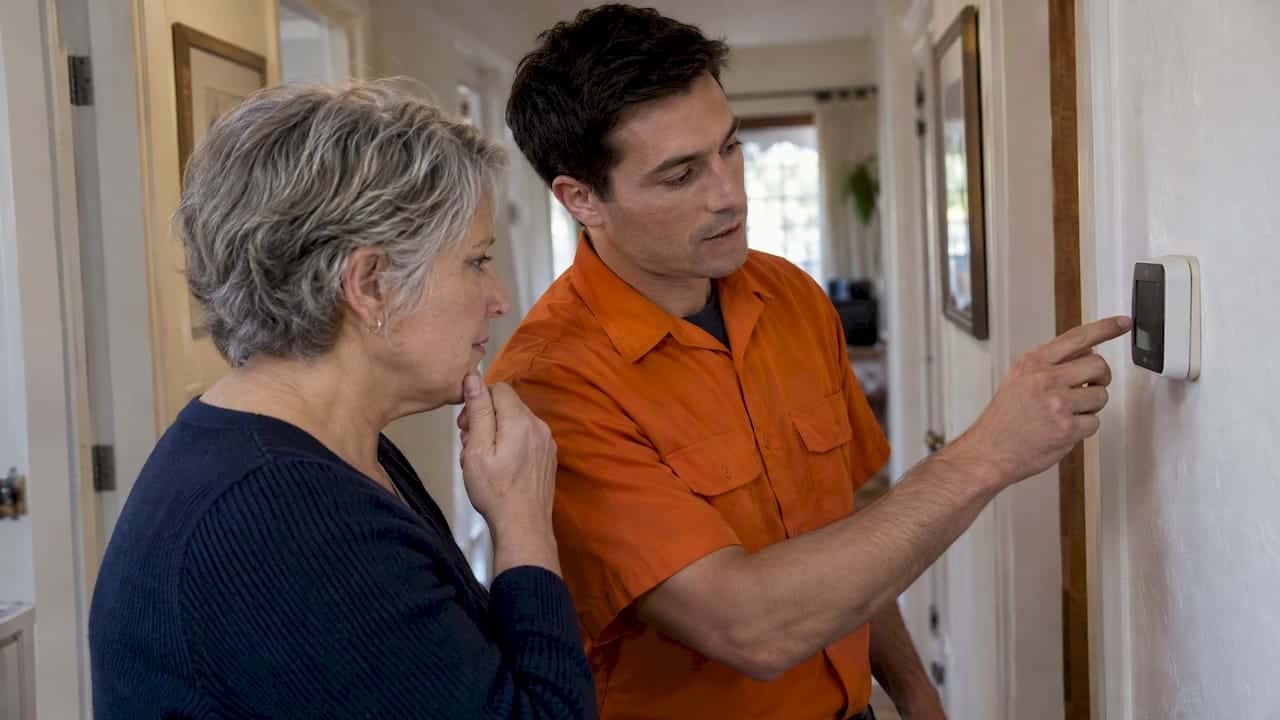
- Thermostat: Switch it to Heat, raise the set point 5°F above room temperature, and confirm the furnace starts within 60 seconds.
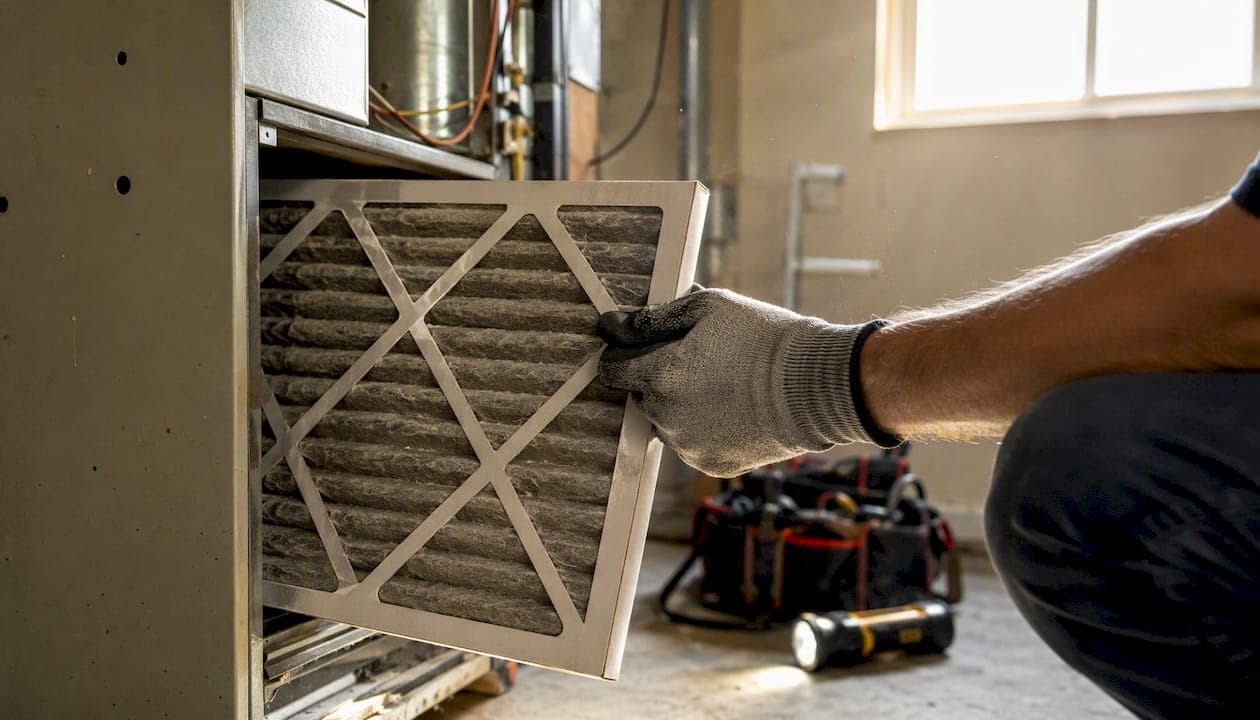
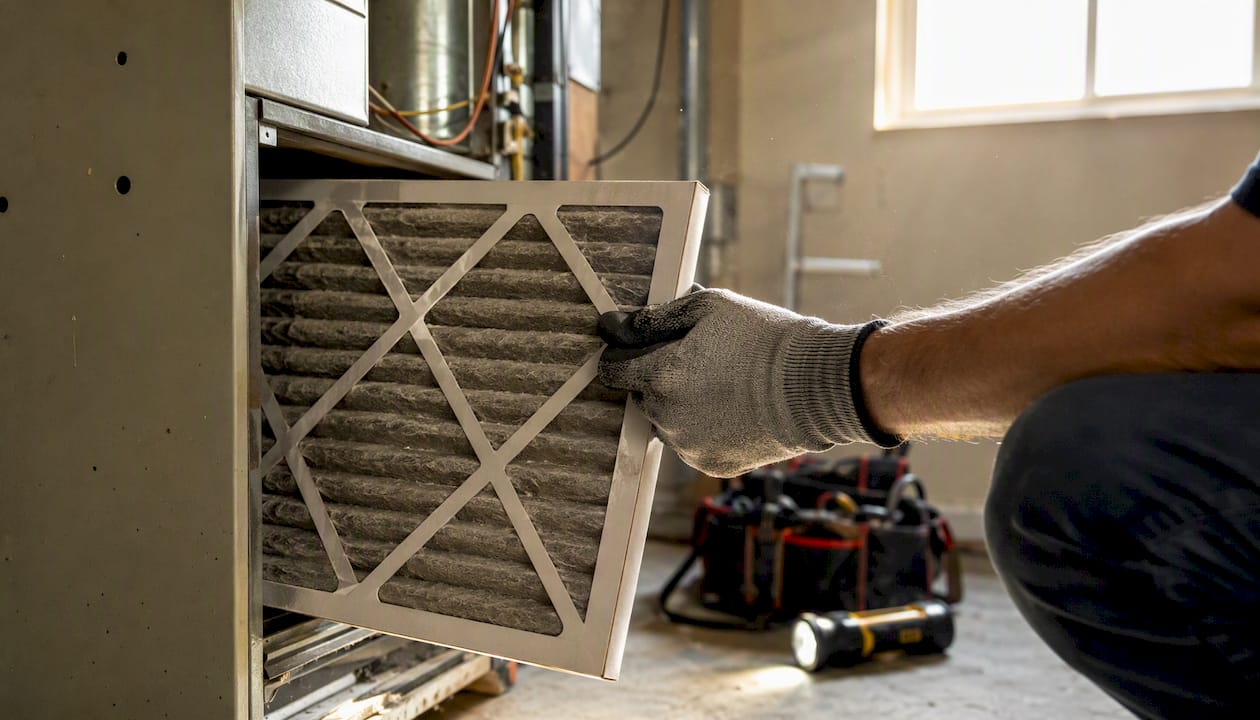
- Filter: Pull it out. If it is gray and clogged, replace it before you run the system again. A dirty filter is the single most common cause of reduced airflow and overheating.
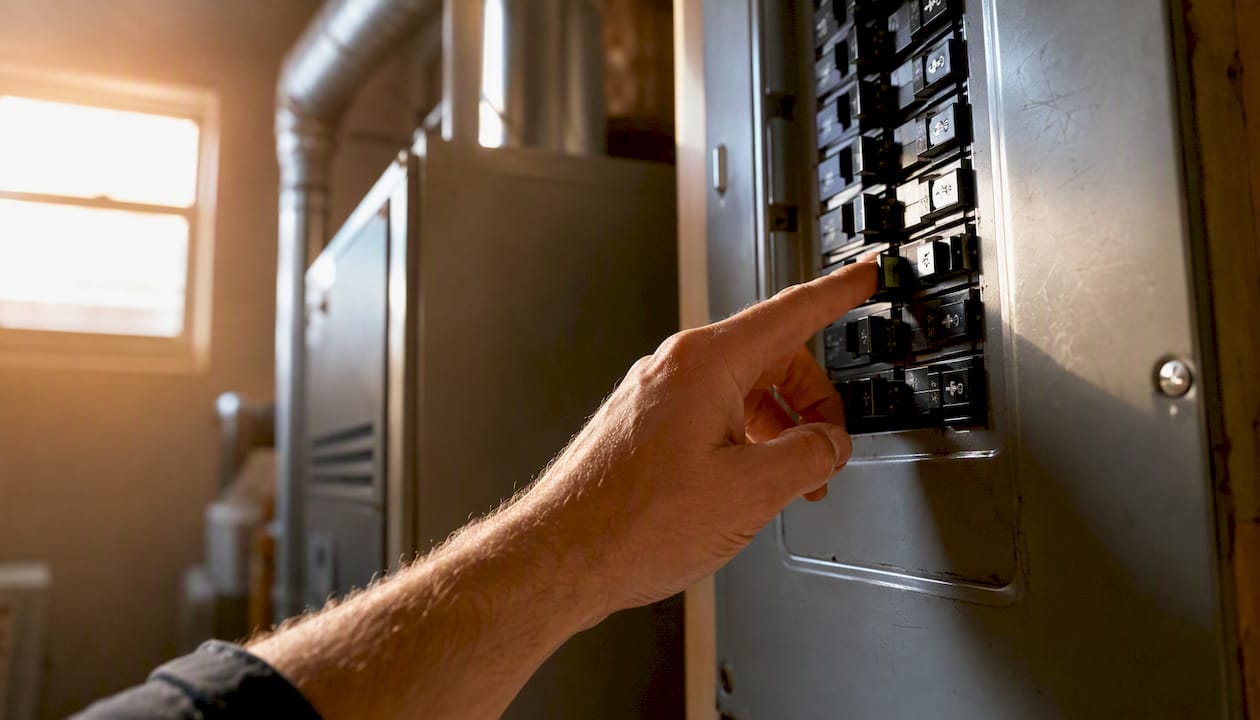
- Power: Confirm the furnace power switch (it looks like a light switch on the wall near the unit) is ON, and check that the circuit breaker has not tripped.
If any of those checks reveal a problem, or if you have not had a professional inspection in over a year, schedule a tune-up before the first cold snap hits.
Key Takeaways
An annual pre-winter furnace check is the single most effective step a homeowner can take to prevent cold-weather breakdowns and protect against carbon monoxide risk.
| Point | Details |
|---|---|
| Schedule annually in fall | Book your inspection in September or October before heating season demand peaks. |
| Run three DIY checks first | Test your thermostat, replace a clogged filter, and confirm the power switch and breaker before calling a pro. |
| Cost and time expectations | A standard tune-up typically runs a moderate price and takes roughly an hour; comprehensive visits with combustion analysis cost more. |
| Demand safety credentials | Verify NATE certification, contractor license, insurance, and flat-rate pricing before booking any technician. |
| LC Heating and Air Conditioning | Offers same-day service, flat-rate pricing, and written service reports across Greater Los Angeles. |
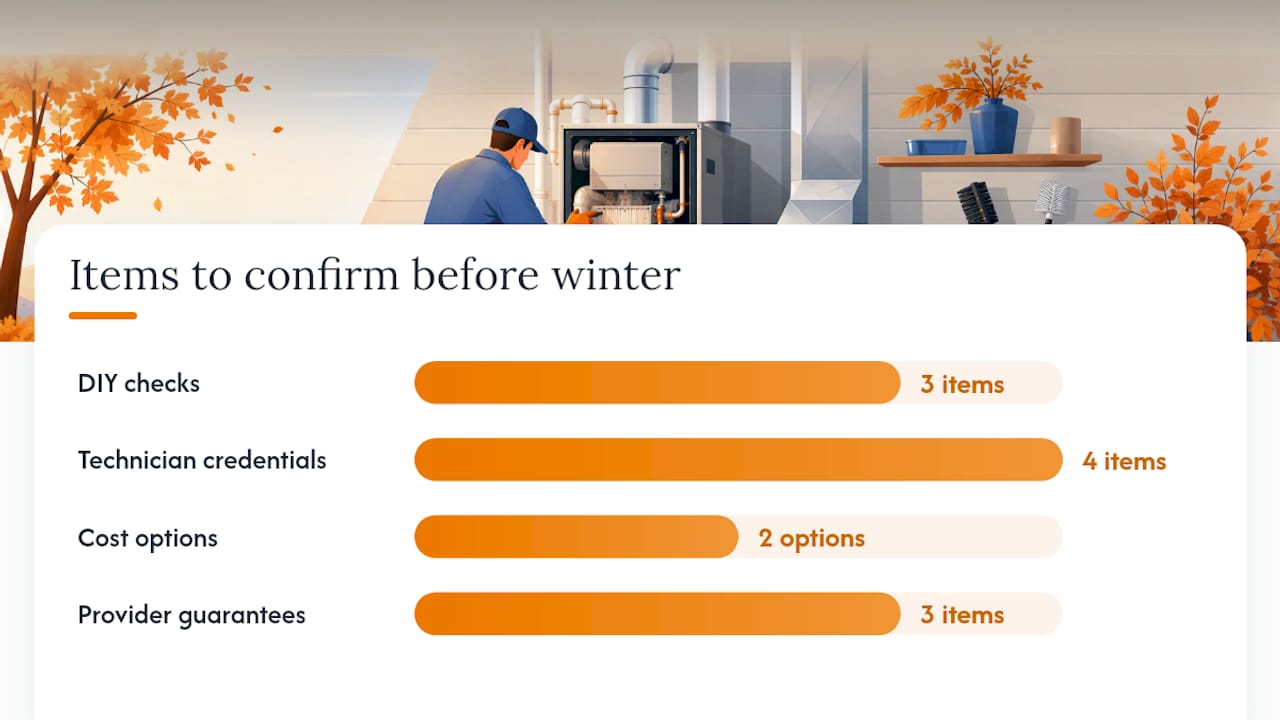
What does a professional furnace check include?
A trained technician covers far more ground than a filter swap. A complete annual inspection examines the heat exchanger, burners, venting, and controls to prevent hazardous malfunctions and optimize energy usage. Here is the full scope:
- Heat exchanger inspection: Checked for cracks or corrosion. A cracked heat exchanger can leak carbon monoxide into your living space with no visible warning.
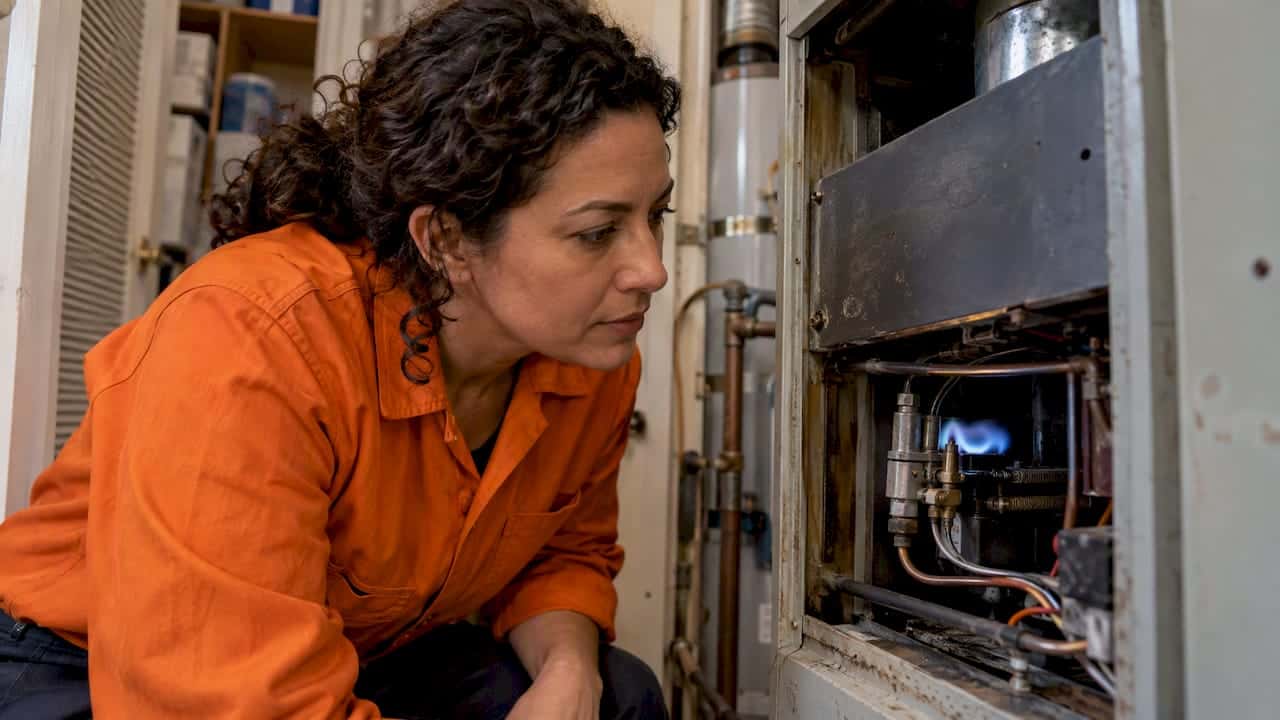
- Burner and combustion check: Burners are cleaned, flame color is verified (blue, not yellow), and combustion gases are analyzed for safe, efficient burning.
- Ignition system: Hot surface igniter or pilot light is tested for reliable startup.
- Gas pressure and leak check: Supply pressure is measured and connections are checked for leaks.
- Venting and flue inspection: Flue pipes are checked for blockages, corrosion, and proper draft.
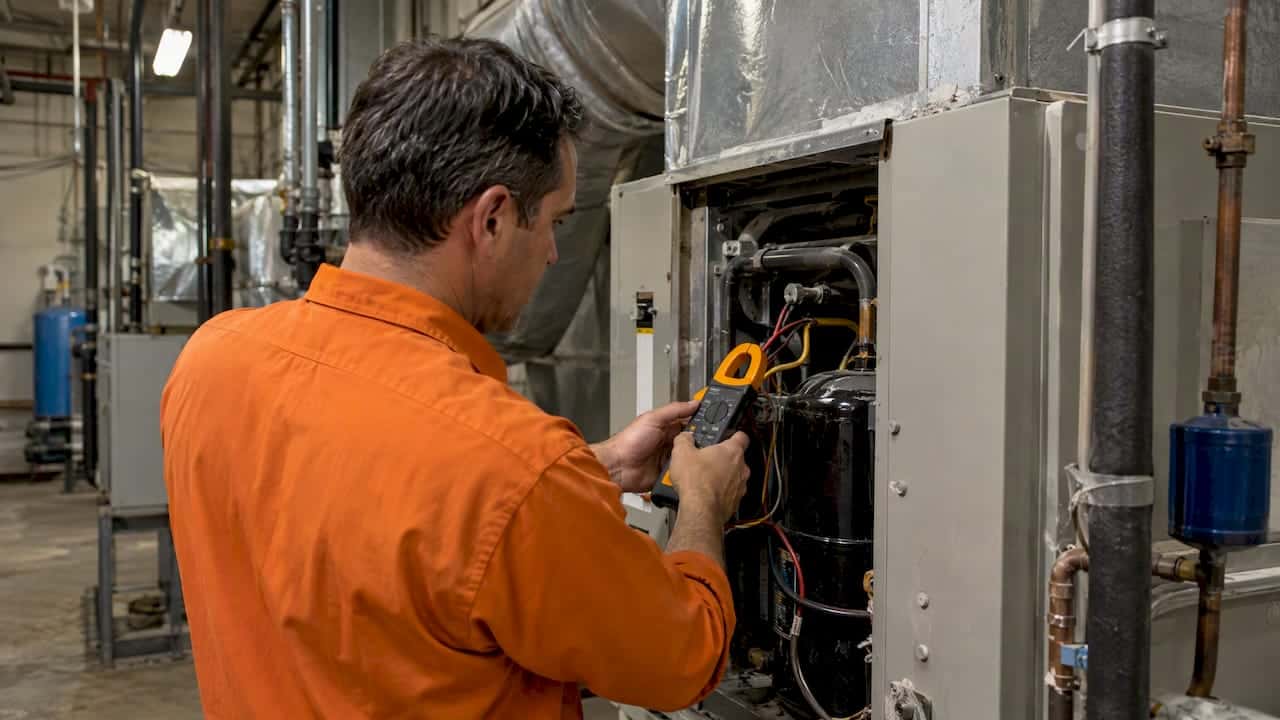
- Blower motor and airflow: Motor amp draw is measured, and the blower wheel is cleaned if needed.
- Electrical connections and safety controls: Wiring is inspected, limit switches and safety controls are tested.
- Filter check or replacement: Condition is noted; replacement recommended or performed.
- Lubrication: Bearings and moving parts are lubricated to reduce wear.
- Thermostat calibration: Verified for accurate temperature control.
- Post-service system test: The furnace runs through a full cycle while the technician monitors performance.
According to Bryant’s tune-up guidance, a comprehensive visit typically takes one to two hours and covers all of the above. At the end, you should receive a written service report listing each test and its result.
Safety note: Heat exchanger cracks and carbon monoxide leaks cannot be detected by sight alone. Specialized combustion testing equipment and a trained eye are required. Never skip this check or attempt it yourself.
Inspection vs. tune-up: what is the difference?
Homeowners often hear both terms and assume they mean the same thing. They do not, though many providers bundle them.
A diagnostic inspection is safety-focused. The technician evaluates the heat exchanger, CO levels, venting, and controls to confirm the system is safe to operate. You would choose a standalone inspection when buying or selling a home, when you have safety concerns, or when the furnace has an unknown service history.
A tune-up goes further:
- Cleaning burners and the blower wheel
- Lubricating moving parts
- Replacing the filter
- Calibrating the thermostat
- Testing all safety controls and running a full performance cycle
When to choose each:
- Inspection only: Safety concern, real estate transaction, or unknown service history.
- Tune-up (with inspection bundled): Annual preventative maintenance for a furnace with a known history.
- Both bundled: Most reputable providers include the safety inspection as part of the tune-up visit, which is the better value for annual maintenance.
Ask your provider upfront which service they are quoting so you know exactly what is covered.
Safe DIY checks you can run before you call a pro
You can safely check several things yourself without opening the furnace cabinet or touching any gas components. Use this list to narrow down the problem before you call.
- Thermostat settings and batteries: Confirm it is set to Heat (not Cool or Fan Only), the temperature is set above the current room reading, and the batteries are fresh. A dead thermostat battery is a surprisingly common “no heat” call.
- Air filter: Locate the filter slot (usually at the return air duct or inside the furnace cabinet door). A filter clogged with dust restricts airflow and can trigger a high-limit safety shutoff.
- Furnace power switch: The wall switch near the unit must be ON. It is easy to flip accidentally.
- Circuit breaker: Check your electrical panel for a tripped breaker labeled “Furnace” or “Air Handler.”
- Pilot light or ignition status: On older standing-pilot furnaces, look through the sight glass to confirm the pilot is lit. On modern systems with electronic ignition, you should hear a click and see the burner light within a few seconds of a heat call. Visual check only.
- Vents and registers: Walk through the home and confirm all supply and return registers are open and not blocked by furniture or rugs.
- Unusual sounds at startup: Note any grinding, squealing, or banging. These are clues for the technician.
For a more detailed step-by-step walkthrough, the LC Heating and Air Conditioning DIY furnace care guide covers routine care tasks you can handle safely between professional visits.
What you must not do: Do not attempt to adjust gas valves, disassemble burners, or inspect the heat exchanger yourself. Combustion and heat exchanger checks require specialized tools and training that go well beyond what a homeowner can safely perform.
Pro Tip: Before the technician arrives, photograph any error codes displayed on your furnace control board and write down the exact time and conditions when the problem occurs. That 30-second step can cut diagnostic time significantly.
Warning signs that need immediate professional service
Some symptoms mean you should act now, not next week.
Call immediately and evacuate if you notice:
- A smell of rotten eggs or sulfur (gas leak)
- A carbon monoxide alarm activating
- Smoke or a burning smell when the furnace runs
- A persistent yellow or orange burner flame instead of blue
Schedule same-day service for:
- Loud grinding, squealing, or banging at startup or during operation
- Visible rust or soot around the heat exchanger area or flue
- Repeated short-cycling (furnace turns on and off every few minutes)
- A steep, unexplained spike in your gas or electric bill
- Very uneven heating, with some rooms significantly colder than others
For help diagnosing a no-heat situation, the LC Heating and Air Conditioning furnace troubleshooting guide walks through the most common causes and what to check first.
How much does a furnace check typically cost?
Industry sources report that professional tune-ups reduce the risk of breakdowns and can improve efficiency, with typical costs that most homeowners find reasonable given the safety value. Actual pricing depends on your location, unit type, age, and what the visit includes.
Factors that push cost higher:
- Older furnaces requiring more cleaning time or worn parts
- Combustion analysis with calibrated testing equipment
- Filter or minor parts replacement added during the visit
- Emergency or after-hours scheduling
A tune-up that catches a cracked heat exchanger or a failing igniter before winter saves far more than its cost. Skipping annual maintenance can also lead to efficiency losses that show up quietly on your monthly bill. For context on long-term savings from keeping your system in good shape, the LC Heating and Air Conditioning long-term savings guide breaks down the numbers.
Regular furnace tune-ups also protect manufacturer warranties, which typically require documented annual maintenance.
What to expect during a professional furnace visit
Knowing what happens during the appointment makes the whole process less stressful and helps you ask the right questions.
Before the technician arrives:
- Clear a 3-foot work area around the furnace
- Set the thermostat to Heat so the system is ready to test
- Write down any symptoms, error codes, or unusual sounds you have noticed
During the visit, a thorough technician will:
- Perform a visual inspection of the furnace cabinet, flue, and venting
- Check the heat exchanger for cracks or corrosion
- Clean and inspect burners; verify flame color and combustion
- Test electrical connections and measure blower motor amp draw
- Inspect or replace the air filter
- Test all safety controls (limit switch, pressure switches, rollout switch)
- Run a complete heating cycle and calibrate the thermostat
For a full professional checklist, the LC Heating and Air Conditioning HVAC inspection checklist shows exactly what a thorough visit covers.
Pro Tip: Ask for a written service report that lists every test performed and its result. A trustworthy technician will hand this over without hesitation. It is your documentation for warranty purposes and your baseline for next year’s visit.
Smart questions to ask your technician:
- Are you NATE-certified?
- Can you show proof of your contractor license and insurance?
- Is this a flat-rate estimate, or could the price change?
- Do you offer a maintenance plan, and what does it cover?
- Are any replacement parts OEM or aftermarket?
How to choose a trustworthy HVAC technician
Not every HVAC company operates the same way. These are the signals that separate reliable providers from the ones who upsell unnecessarily.
What to verify before you book:
- NATE certification: The North American Technician Excellence credential confirms the technician passed independent competency testing, not just an in-house training course.
- Valid contractor license and insurance: Required in California and most states. Ask for the license number and verify it with your state contractor board.
- Flat-rate pricing or written estimate: You should know the cost before work begins. Hourly billing with no cap creates the conditions for bill shock.
- Documented maintenance plans: A good plan lists exactly what is covered, how often, and what discount applies to repairs.
- Verified reviews: Check Google, Yelp, and the BBB profile for recent reviews and any complaint history. The BBB lists accreditation status, business history, and resolved complaints, making it a useful starting point for vetting local technicians.
- Safety testing included: Heat exchanger inspection and CO testing should be standard, not add-ons.
LC Heating and Air Conditioning checks every one of those boxes. With over 20 years of local experience serving the Greater Los Angeles area, Leo and his team bring NATE-level expertise to every visit, with flat-rate pricing so you are never surprised by the final invoice. LC Heating and Air Conditioning specializes in heat pumps, mini split systems, multi-zone setups, and commercial VRF systems, in addition to traditional gas furnaces, which means the same team that checks your furnace today can advise you on a heat pump upgrade when the time comes.
When should you schedule your furnace check?
The short answer: once a year, in late summer or early fall, before you need the heat.
Scheduling before the heating season helps you avoid peak-season delays and gives your technician time to source parts if a repair is needed. Booking in September or October means you are not competing with every other homeowner who waited until the first cold night.
Exceptions that call for more frequent checks:
- Systems older than 15 years may benefit from a biannual check (fall and spring)
- Furnaces that have had repeated breakdowns in recent seasons
- Units running under heavy load in very large or poorly insulated homes
- New systems still under manufacturer warranty, which often specify annual documented maintenance
Preventative home maintenance, including annual HVAC service, consistently proves less expensive than emergency repairs. A fall tune-up is one of the highest-return maintenance tasks a homeowner can schedule.
A note from Leo
Get a check done now. Every winter, I see the same preventable failures: a cracked heat exchanger that has been leaking CO for months, a filter so clogged the furnace overheated and tripped the limit switch, an igniter that was showing signs of wear last fall and finally gave out on the coldest night of the year. None of those are dramatic failures. They are all just skipped maintenance.
What I always tell homeowners: the inspection is not about finding something wrong. It is about confirming everything is right before you need it. And if we do find something, you will get a flat-rate estimate before we touch a single part.
Schedule your furnace check with LC Heating and Air Conditioning
When you are ready to stop guessing about your furnace’s condition and get a clear, honest answer, LC Heating and Air Conditioning offers same-day appointments across Greater Los Angeles with flat-rate pricing and no surprise fees.

The team brings 20-plus years of local experience, expertise in heat pumps and mini split systems alongside traditional gas furnaces, and a commitment to transparent service. Every visit includes a written report of findings. Maintenance plan members receive priority scheduling and discounts on repairs, which matters most when the heating season is in full swing and appointment slots fill fast.
Before you call, have your furnace’s model number, approximate age, and a list of any symptoms or error codes ready. That information helps the technician arrive prepared and keeps the visit efficient.
Book a furnace maintenance appointment or visit Lahvaclc to learn more about same-day HVAC service in Los Angeles.
Sources
FAQ
What does a furnace check include?
A professional furnace check covers the heat exchanger, burners, ignition system, gas pressure, venting, blower motor, electrical connections, filter, and thermostat calibration, followed by a full system test. You should receive a written service report at the end of the visit.
How much does it cost to have someone check your furnace?
Professional tune-ups reduce the risk of breakdowns and can improve efficiency, with costs that vary depending on your location, unit age, and what the visit includes.
How often does a furnace need to be checked?
Once a year is the standard recommendation, ideally in late summer or early fall before the heating season. Older systems or those with a history of breakdowns may benefit from a biannual check.
What is the $5,000 rule for a furnace?
The $5,000 rule is a repair-versus-replace guideline: multiply the system’s age in years by the estimated repair cost. If the result exceeds $5,000, replacement is often worth considering over repair. Professionals treat it as a starting point, not a firm rule, since equipment condition, energy efficiency, and available rebates all affect the real calculation.
Recommended
Leo, Owner & Lead Technician at LC Heating & Air
Leo leads LC Heating & Air as an owner-operator and holds California CSLB C-20 HVAC license #1073586. His guides focus on practical diagnostics, safe repair decisions, and clear advice for Los Angeles homeowners.