- Why Heat Pumps Make Sense for Los Angeles Homes
- Which Heat Pump System Fits Your Home?
- What Does a Heat Pump Cost in Los Angeles, and What Rebates Apply?
- Permits, Panels, and Testing: The Installation Checklist
- Keeping a Heat Pump Running: Maintenance and Repairs
- How to Vet an Installer or Repair Technician
- An Owner’s Perspective on Heat Pumps in LA Homes
- Ready to Move Forward With a Heat Pump?
- Sources
- FAQ
- Recommended
For most Los Angeles homes, a heat pump is a practical, energy-efficient replacement for separate heating and cooling systems. LADWP rebates can offset a meaningful share of the cost, and a company like LC Heating and Air Conditioning can confirm your home qualifies. The immediate next step is simple: book an on-site evaluation to check your electrical panel, ductwork, and whether the equipment can be AHRI-matched for rebate approval before you sign anything.
TL;DR:
- Most Los Angeles homes are suitable for heat pumps, but outdated electrical panels or leaky ductwork may require costly upgrades before installation.
- Rebate programs can cover up to $2,500 per ton for HVAC systems and $2,500 per heat pump water heater, provided the equipment is AHRI-matched and permits are approved.
- Central systems work best with well-sealed ductwork, while mini-split and multi-zone units are ideal for additions, historic homes, or room-specific heating.
- Proper planning for electrical capacity, load calculation, duct inspections, and permit filing is crucial to maximize rebates and ensure code compliance.
- Routine maintenance, including refrigerant checks and coil cleaning, can extend a heat pump’s lifespan beyond a decade, while repair costs approaching half the price of a new unit suggest replacement.
Why Heat Pumps Make Sense for Los Angeles Homes
A heat pump doesn’t burn fuel to make heat. It moves existing heat from one place to another, which is why the same unit can cool your living room in July and warm it in January using a fraction of the energy a furnace or window AC combo would need. That single mechanical trick is the whole reason heat pumps have become the default recommendation for LA’s mild, temperate climate.
Beyond the energy savings, modern heat pumps dehumidify better than older gas furnace setups and tend to filter air more consistently, which matters if anyone in your household deals with allergies or wildfire smoke. Switching from gas appliances to electric heat pumps also reduces local air pollution, a point LADWP highlights as part of the city’s broader electrification push.
Heat pumps aren’t automatically the cheapest option for every house, though. Homes with an undersized electrical panel, aging or leaky ductwork, or a detached casita far from the main panel can face real retrofit costs before installation even starts.
- Higher heating and cooling efficiency from one system instead of two
- Better humidity control and cleaner indoor air
- Supports LA’s electrification and clean-air goals
- Watch for panel upgrades and ductwork repairs that add to the budget
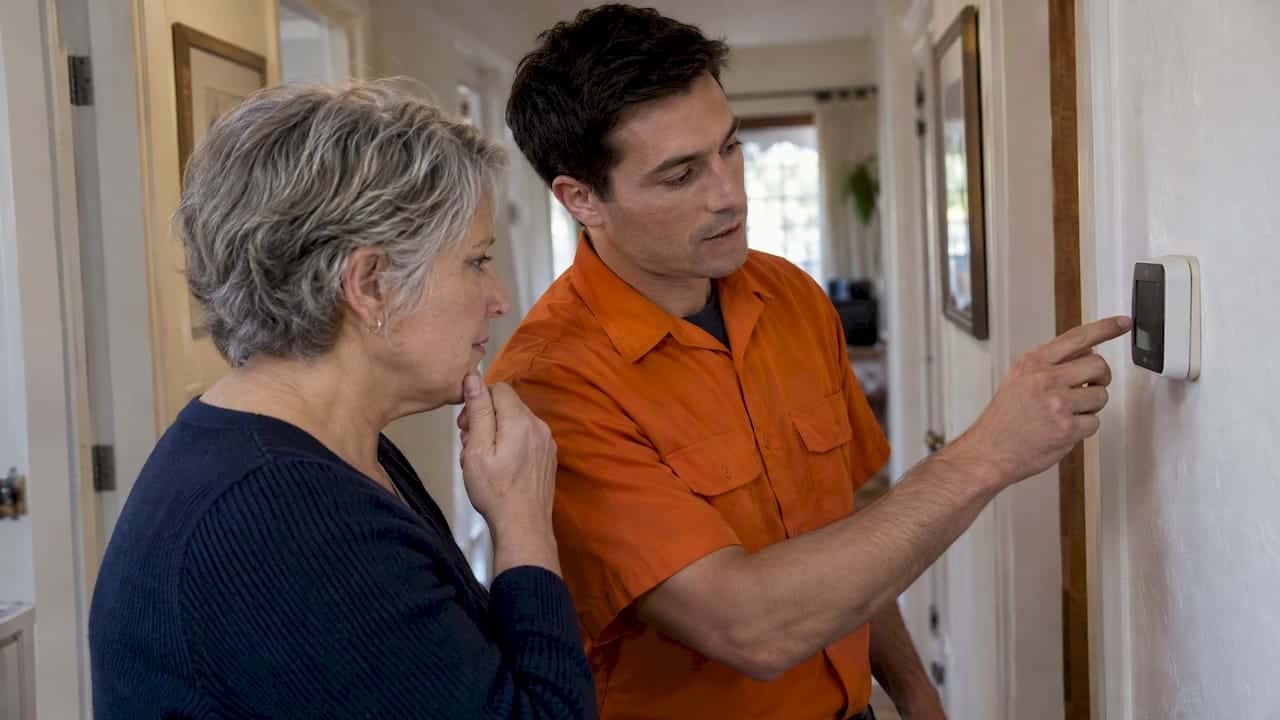
Pro Tip: Ask your technician for a load calculation before you commit to a system size. An oversized heat pump cycles on and off constantly, wasting energy and shortening its lifespan.
Which Heat Pump System Fits Your Home?
Not every Los Angeles house needs the same setup, and the right choice usually comes down to your ductwork, floor plan, and whether you’re heating water or air.
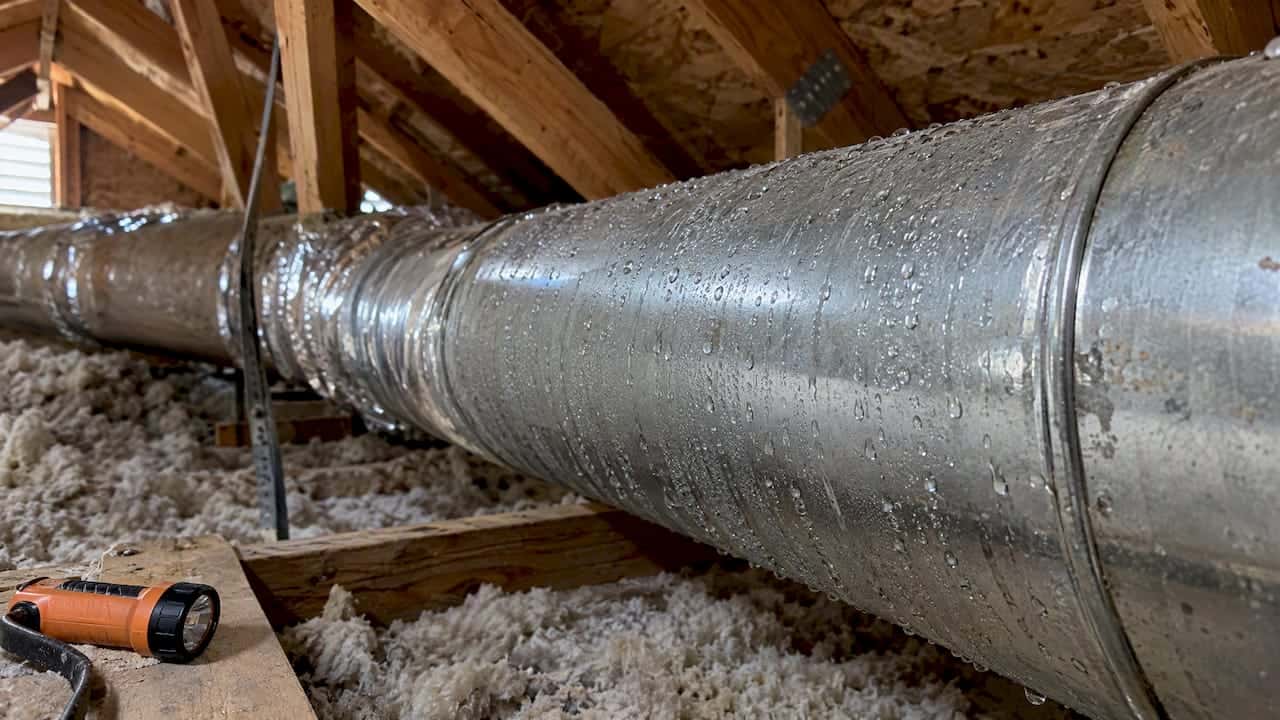
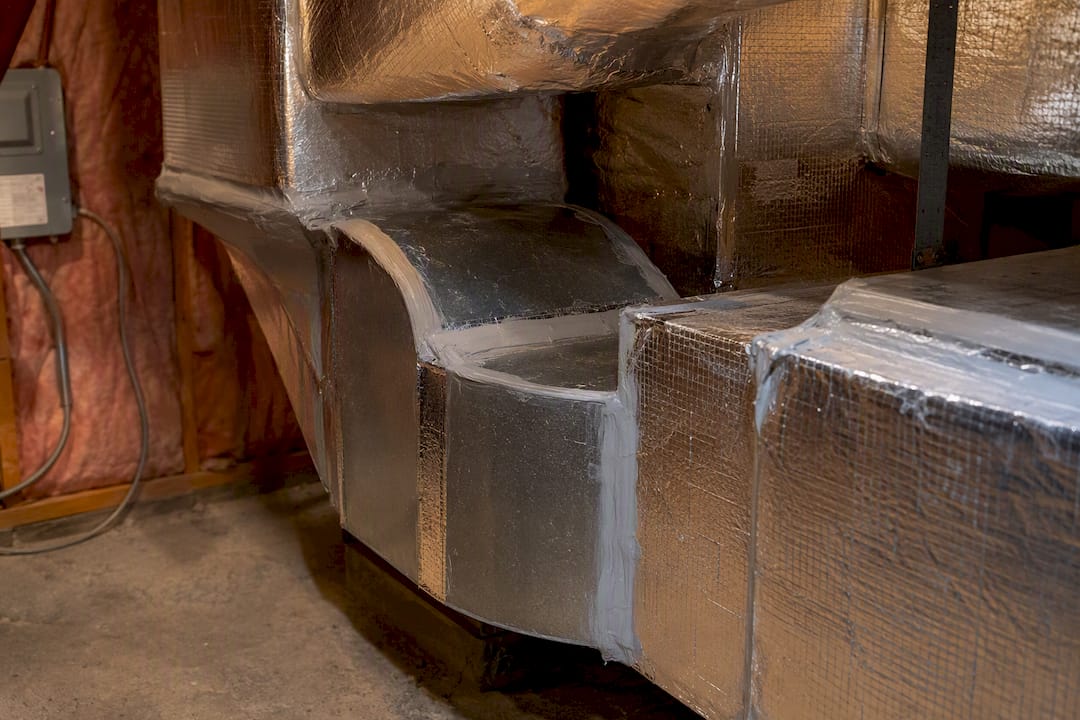
Central split systems work well for homes that already have ducts in decent shape. They deliver even, whole-house comfort, but they only perform as advertised when the ducts are sealed properly and tested. A system pushing air through a leaky attic duct run can lose a huge share of its efficiency before the air ever reaches a vent, which is why HERS testing matters so much for these installs.
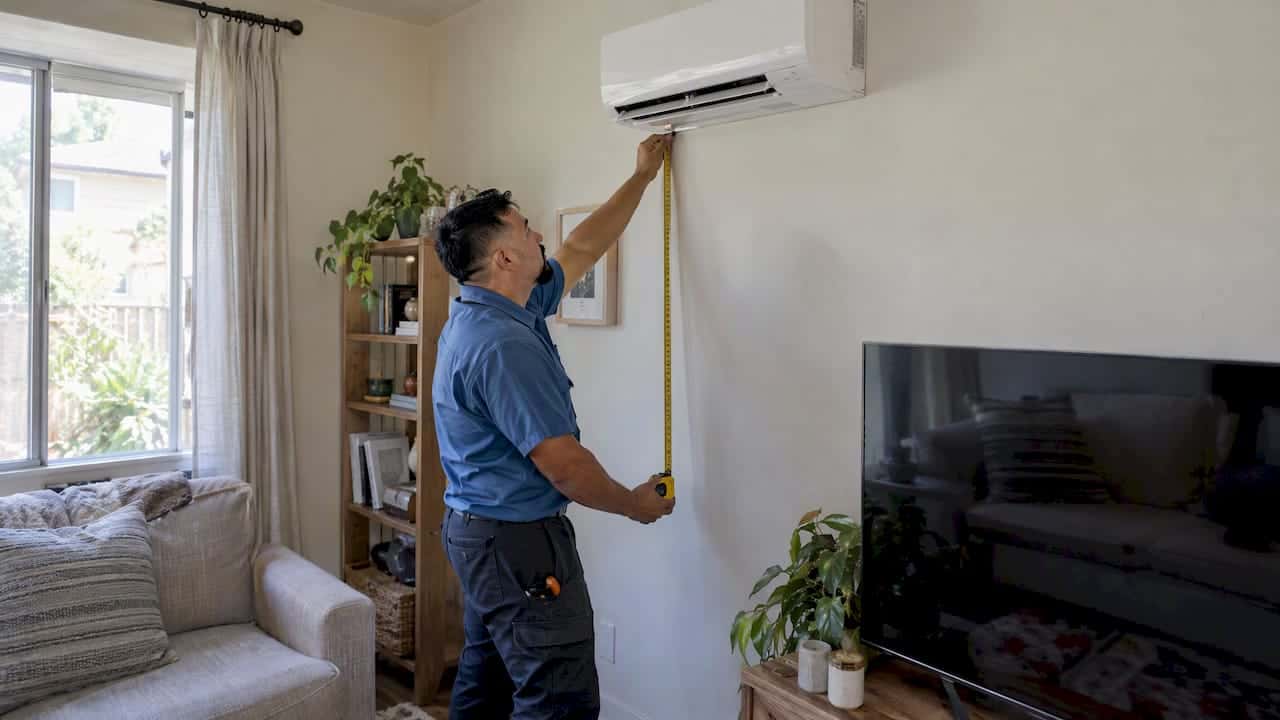
Mini-split and multi-zone systems skip ductwork entirely. They’re the go-to for room additions, converted garages, and the historic homes scattered through West Hollywood, Los Feliz, and Hancock Park, where cutting new duct runs into original plaster would be a mistake. Multi-zone setups also let you condition only the rooms in use, which is useful in larger homes with uneven occupancy.
Heat pump water heaters round out the picture. They’re up to three times more efficient than a standard electric resistance water heater, and they qualify for their own rebate track separate from HVAC.
- Central split: best for homes with sound ductwork already in place
- Mini-split/multi-zone: best for additions, historic homes, and room-by-room control
- Heat pump water heater: best for households replacing an aging electric water heater
What Does a Heat Pump Cost in Los Angeles, and What Rebates Apply?
Installed costs vary widely depending on tonnage, whether your electrical panel needs upgrading, and how much ductwork has to be repaired or replaced. A straightforward mini-split swap runs far less than a full central system replacement paired with a panel upgrade, so get a written, itemized estimate before assuming a ballpark number applies to your house.
The good news: Los Angeles homeowners have two major rebate paths worth stacking.
LADWP’s Consumer Rebate Program offers up to $2,500 per ton for qualifying heat pump HVAC systems and up to $2,500 per unit for ENERGY STAR qualified heat pump water heaters. The catch is documentation: LADWP requires an AHRI-matched model and a final approved building permit before it pays out.
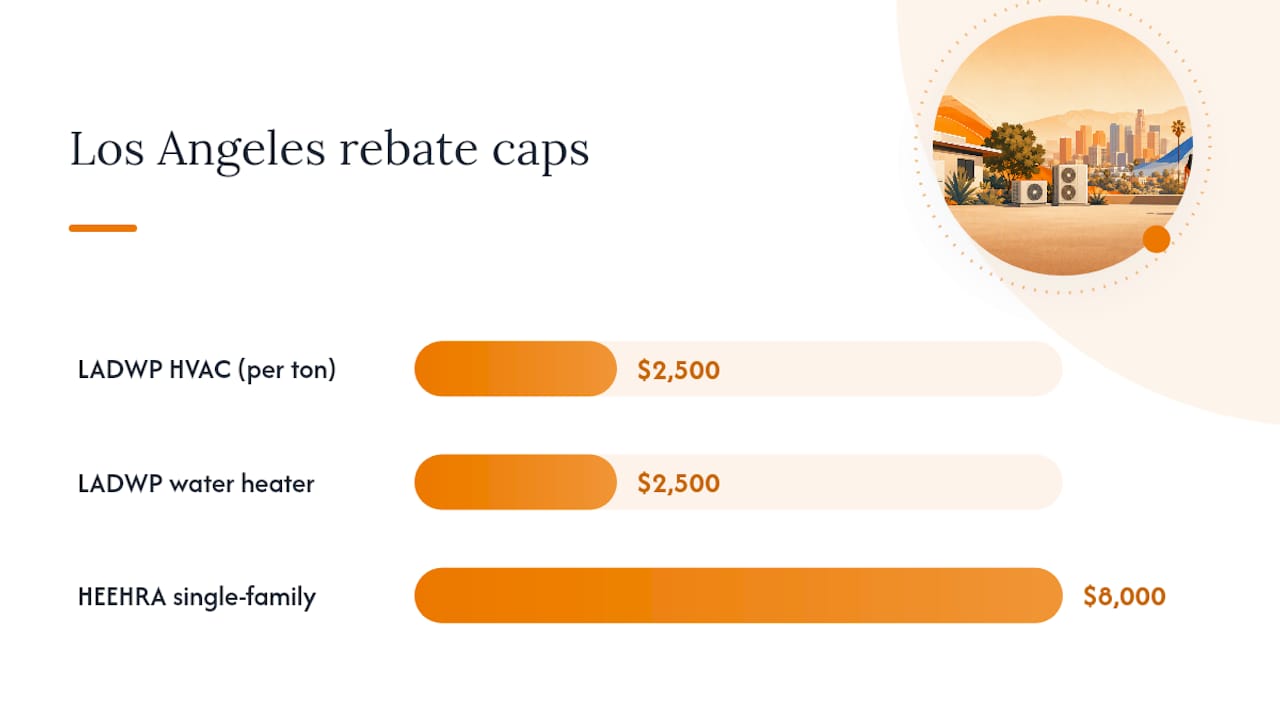
HEEHRA, run through TECH Clean California, offers a bigger ceiling for income-qualified households: up to $8,000 for single-family homes. It requires a TECH-certified, HEEHRA-trained contractor and a pre-approval reservation before work begins, so this path needs to be planned before, not after, installation.
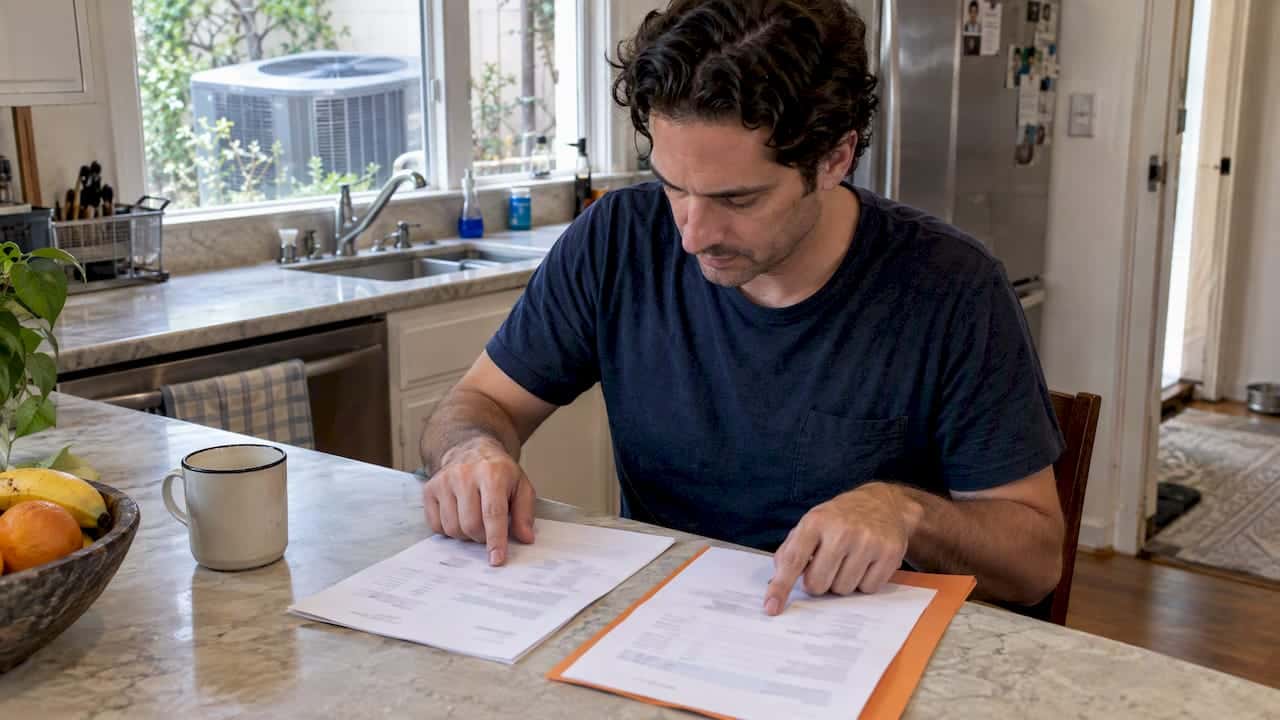
For both programs, keep three documents ready:
- A paid invoice showing the AHRI-matched model
- The AHRI certificate itself
- Your final, approved building permit
One more note worth flagging early: rebates and incentives over $600 may need to be reported for tax purposes, so save every document and check with a tax advisor if your total incentives climb that high.
Permits, Panels, and Testing: The Installation Checklist
Rebate money and code compliance both hinge on the same paperwork trail, so it pays to walk through this before a contractor ever touches your equipment.
- Confirm electrical capacity. Many LA homes still run on 100 amp panels; a heat pump plus other electric loads sometimes pushes that requirement toward 200 amps, a cost that catches homeowners off guard when it isn’t budgeted early.
- Get a proper load calculation. This determines correct system sizing, not a guess based on square footage alone.
- Inspect existing ductwork for leaks or damage if you’re going with a central system.
- Verify AHRI matching between the indoor and outdoor units before purchase; mismatched units can void rebate eligibility entirely.
- Pull the permit through the Los Angeles Department of Building and Safety. A final approved permit is non-negotiable for both LADWP and HEEHRA rebates.
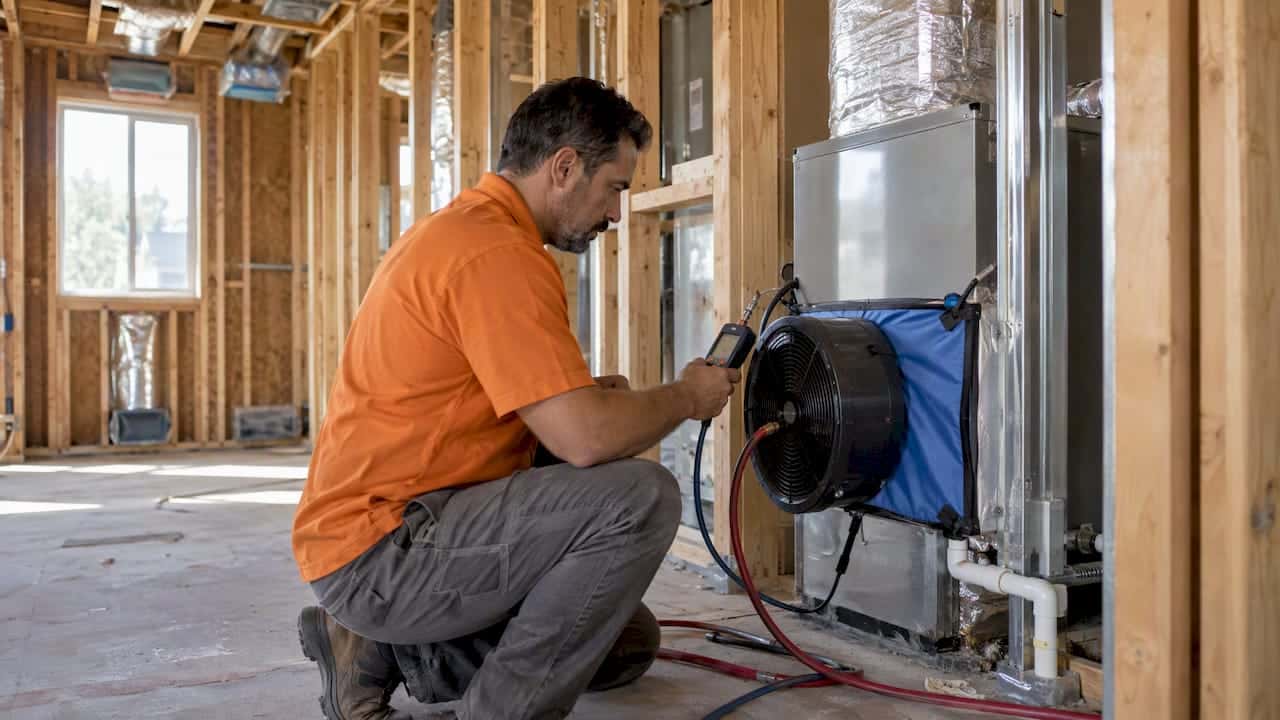
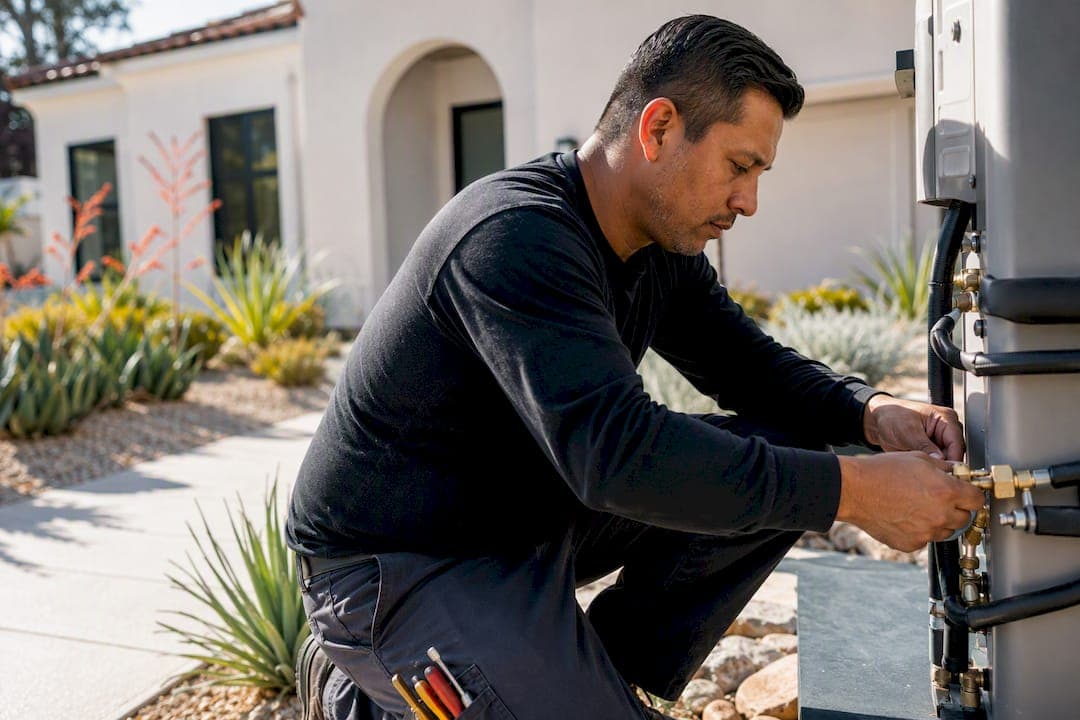
- Schedule HERS testing and refrigerant charge verification, which confirm the system actually performs at the efficiency it’s rated for.
Pro Tip: Ask your contractor upfront who pulls the permit and who schedules HERS testing. If the answer is vague, that’s your signal to keep looking.
Expect the process, from signed estimate to final inspection, to typically run several weeks once permits and any electrical work are factored in.
Keeping a Heat Pump Running: Maintenance and Repairs
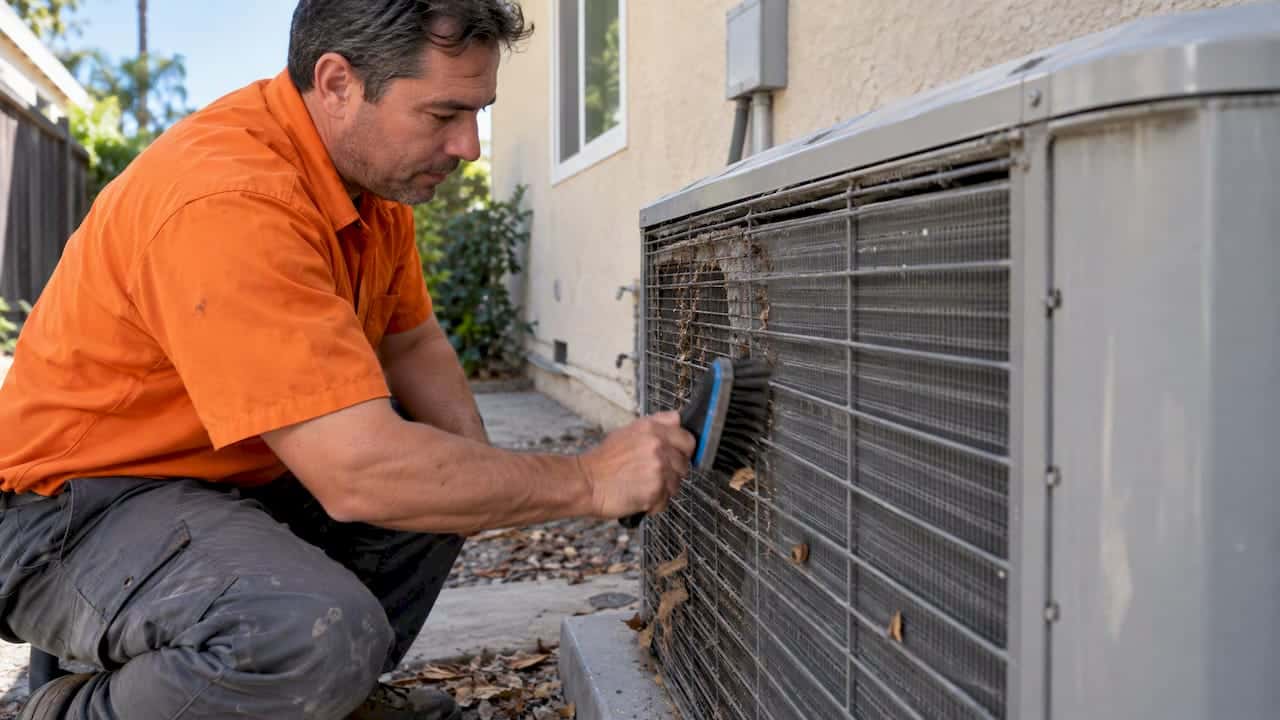
A well-maintained heat pump in Los Angeles’s mild climate can last well over a decade, but only if a few routine items get attention on a regular schedule.
- Refrigerant level checks, since low charge is one of the most common efficiency killers
- Coil cleaning to keep heat transfer working as designed
- Filter replacement, which is the cheapest maintenance task and the most often skipped
- Electrical connection inspections, especially at the outdoor unit
- Compressor health checks, since compressor failure is usually the repair that decides replace versus repair
When a repair estimate starts approaching half the cost of a new system, or the unit is well past its expected service life and needs a second major repair within a year or two, replacement typically wins on cost over time. That’s a judgment call worth getting in writing, not over the phone.
Flat-rate diagnostic pricing protects you here. When a technician quotes a fixed price for diagnosis and repair before starting work, you’re not exposed to a bill that grows every time they open the unit back up.
How to Vet an Installer or Repair Technician
Ask these questions before anyone touches your system, whether you’re comparing quotes for a new install or getting a second opinion on a repair.
- Will the equipment be AHRI-matched, and can you show me the certificate?
- Who is pulling the building permit, and is that cost included in the estimate?
- Do you have experience with Title 24 compliance and HERS testing on heat pump jobs specifically?
- If my panel needs an electrical upgrade, is that quoted separately or as part of one estimate?
- Is there a flat-rate option for repair diagnostics, and what’s covered under warranty?
A valid C-20 HVAC license, a track record of local reviews, and a written estimate are baseline trust signals. Red flags run the other way: a contractor who brushes off permitting, can’t produce AHRI documentation, or pushes hard for a full system replacement before diagnosing the actual problem.
An Owner’s Perspective on Heat Pumps in LA Homes
At LC Heating and Air Conditioning, honest diagnostics and flat-rate pricing aren’t marketing lines. They’re the response to twenty years of watching homeowners get burned by vague estimates and unnecessary replacement pitches.
The retrofit issues we see most often in Los Angeles are electrical panels that can’t support new equipment and ductwork nobody has inspected in decades. Helping homeowners navigate those issues, and the rebate paperwork tied to them, is where our experience actually pays off.
My advice before you pay any deposit: confirm the AHRI match and the permit plan in writing. Everything else follows from getting those two things right.
— Leo
Ready to Move Forward With a Heat Pump?
If you’ve read this far, you already know the technical side matters as much as the equipment itself. LC Heating and Air Conditioning is the local alternative to guesswork pricing and one-size-fits-all sales pitches. We offer same-day diagnostics, flat-rate repairs, and AHRI-matched installations, with direct experience across historic homes, multi-zone retrofits, and full electrical panel upgrades.

Whether you’re comparing heat pump installation options or need a second opinion on a heat pump repair, our technicians handle the permit filing, AHRI documentation, and HERS testing so your rebate application isn’t held up by paperwork. For larger retrofit projects, it also helps to review general HVAC upgrade planning steps before your evaluation, so you walk in with realistic expectations. Every job includes a written estimate and warranty terms before work begins.
Ready for a real number instead of a guess? Request an estimate and get an evaluation scheduled this week.
Sources
- Consumer Rebate Program | Los Angeles Department of Water and Power
- Inflation Reduction Act Residential Energy Rebate Programs | California Energy Commission
- Residential HVAC performance and Title 24 code updates (CASE Initiative)
FAQ
Are heat pumps a good fit for Los Angeles homes?
Yes, for most homes. Their combined heating and cooling efficiency suits LA’s mild climate, though homes with outdated electrical panels or ductwork may need additional retrofit work first.
How much can I save with LADWP rebates?
LADWP’s Consumer Rebate Program offers up to $2,500 per ton for qualifying heat pump HVAC systems and up to $2,500 per unit for qualifying heat pump water heaters, provided the equipment is AHRI-matched and the permit is finalized.
What is HEEHRA and who qualifies?
HEEHRA, delivered through TECH Clean California, offers up to $8,000 for income-qualified single-family homeowners, but it requires a TECH-certified contractor and a pre-approval reservation before installation starts.
How do I know if I need a repair or a full replacement?
If repair costs approach half the price of a new system, or your unit needs repeated major repairs within a short span, replacement usually makes more financial sense. A flat-rate diagnostic from a technician like LC Heating and Air Conditioning gives you that comparison in writing.
What documents do I need for rebate approval?
You’ll need a paid invoice showing the AHRI-matched model, the AHRI certificate, and your final approved building permit. Keep copies of everything, since incentives over $600 may carry tax reporting requirements.
Recommended
Leo, Owner & Lead Technician at LC Heating & Air
Leo leads LC Heating & Air as an owner-operator and holds California CSLB C-20 HVAC license #1073586. His guides focus on practical diagnostics, safe repair decisions, and clear advice for Los Angeles homeowners.