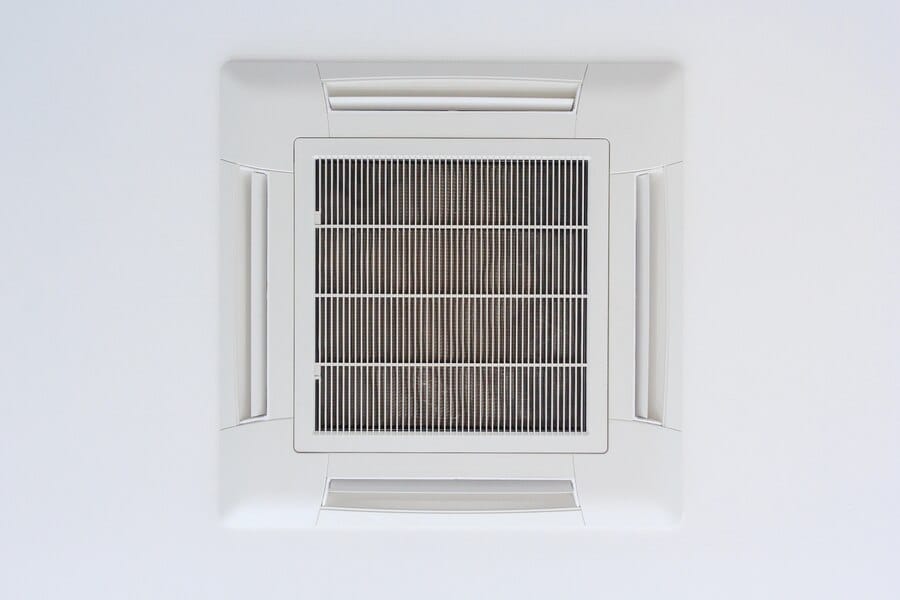
If you’ve noticed Condensation On My Air Vent, you’re not alone. This common issue can be perplexing and often causes concern for homeowners. Condensation on air vents is not just an aesthetic problem; it can lead to more significant issues like mold growth and damage to your HVAC system.
As a seasoned HVAC professional, I’m here to shed light on why you’re experiencing condensation on your air vents and what you can do about it. Let’s explore the causes, implications, and solutions to this prevalent problem.
Understanding Condensation in Air Vents
Condensation occurs when warm, moist air comes into contact with a cool surface. In the case of your air vents, this happens when the cool air from your air conditioning system meets the warmer air in your home. The temperature difference causes moisture in the air to condense into water droplets on the vent surfaces.
Causes of Condensation on Air Vents
- High Humidity Levels: High indoor humidity is a primary culprit for condensation on air vents. Humidity levels above 60% can lead to excess moisture in the air, which readily condenses on cooler surfaces like air vents.
- Poor Insulation: Inadequate insulation of your ductwork can cause the cool air traveling through your ducts to lose its temperature quickly, leading to condensation. Properly insulated ducts maintain a more consistent temperature and reduce the chances of condensation.
- Blocked Airflow: Obstructions in your air ducts or vents can restrict airflow, causing the air to slow down and cool unevenly, which can lead to condensation. Regular maintenance and cleaning can prevent this issue.
- Oversized AC Unit: An air conditioning unit that is too large for your space can cool your home too quickly without dehumidifying the air effectively, resulting in higher humidity levels and condensation.
- Leaky Ducts: Leaks in your ductwork allow warm air to seep in, increasing the temperature difference and promoting condensation. Sealing these leaks can mitigate the issue.
Implications of Condensation on Air Vents
Condensation on air vents is more than just a nuisance; it can have several undesirable consequences:
- Structural Damage: Excessive moisture can weaken the structure around the vents, leading to potential repairs.
- Reduced HVAC Efficiency: Moisture can affect the efficiency of your HVAC system, leading to higher energy bills and reduced comfort.
Solutions to Prevent Condensation
Addressing condensation on your air vents requires a multi-faceted approach. Here are some practical solutions:
1. Control Indoor Humidity
Use a dehumidifier to maintain indoor humidity levels between 30% and 50%. This will minimize the amount of moisture available to condense on your vents.
2. Improve Insulation
Ensure that your ductwork is adequately insulated. Proper insulation prevents the loss of cool air and maintains a consistent temperature, reducing the likelihood of condensation.
3. Regular Maintenance
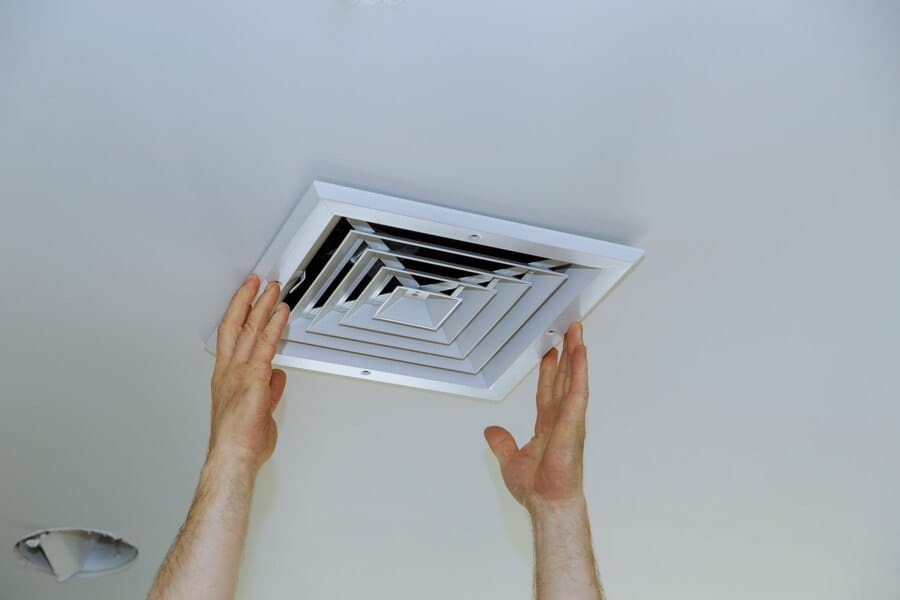
Schedule regular HVAC maintenance to check for blockages, leaks, and other issues that could lead to condensation. A professional can clean and inspect your ducts to ensure optimal airflow.
4. Right-Size Your AC Unit
Consult with an HVAC professional to ensure your air conditioning unit is the correct size for your home. A unit that’s too large won’t effectively dehumidify the air, leading to increased condensation.
5. Seal Duct Leaks
Have a professional check for and seal any leaks in your ductwork. This prevents warm air from entering the ducts and causing temperature fluctuations that lead to condensation.
When to Call in a Professional
While some condensation issues can be resolved with DIY solutions, others require the expertise of a professional. If you’ve tried the above solutions and still notice excessive condensation, it’s time to call in an HVAC expert.
At LC Heating and Air Conditioning, we pride ourselves on providing trustworthy and high-quality service to the Los Angeles metropolitan area. Our skilled technicians are ready to diagnose and fix any HVAC issues you might encounter, ensuring your home’s comfort and your peace of mind.
Conclusion: What Condensation on My Air Vent Really Means for Your HVAC System
Condensation on air vents is a common but manageable issue. By understanding its causes and implementing the right solutions, you can protect your home and enhance the efficiency of your HVAC system. Remember, maintaining a well-functioning HVAC system not only improves your home’s comfort but also your family’s health and safety.
If you’re in the Los Angeles area and need assistance with your HVAC system, don’t hesitate to reach out to us at LC Heating and Air Conditioning. We are committed to delivering the highest quality service with a personal touch.
Your comfort is our priority, and we’re here to ensure your HVAC system runs smoothly, so you can focus on what truly matters—enjoying your home and family.
Leo, Owner & Lead Technician at LC Heating & Air
Leo leads LC Heating & Air as an owner-operator and holds California CSLB C-20 HVAC license #1073586. His guides focus on practical diagnostics, safe repair decisions, and clear advice for Los Angeles homeowners.