Troubleshooting Your Heater’s Cold Air Issue

Why Your Heater Blows Cold Air: Causes and Solutions

When your heater starts blowing cold air, it’s more than just an inconvenience. It can disrupt your comfort, productivity, and even your health, especially during the colder months.

Troubleshooting Your Heater's Cold Air Issue

Understanding the Most Common Causes

Understanding why this happens is the first step towards finding a solution. There could be several reasons, from a simple thermostat setting to more complex issues like a malfunctioning heat exchanger.

How to Troubleshoot the Problem

In this guide, we’ll walk you through the process of troubleshooting your heater’s cold air issue. We’ll cover common causes, practical solutions, and when it’s time to call in a professional.

Remember, while some issues can be resolved with a bit of DIY, others require the expertise of a trained HVAC technician. That’s where we, at LC Heating and Air Conditioning, come in.

We’re committed to providing reliable, quality service to our community in Hollywood and the greater Los Angeles area. So, let’s dive in and get that warm air flowing again.

Understanding Your Heating System

Before diving into troubleshooting, it’s essential to understand the basics of your heating system. Knowing the type of heater in your home is a great starting point. Most homes use either a gas or an electric heater, each with its own set of components and functions.

Gas vs. Electric Heaters: What You Should Know

Gas heaters rely on a burner to ignite natural gas, producing heat that warms up air. Electric heaters use heating elements powered by electricity to generate warmth. Identifying your heater type can guide you in diagnosing issues efficiently.

Core Components That Keep Your System Running

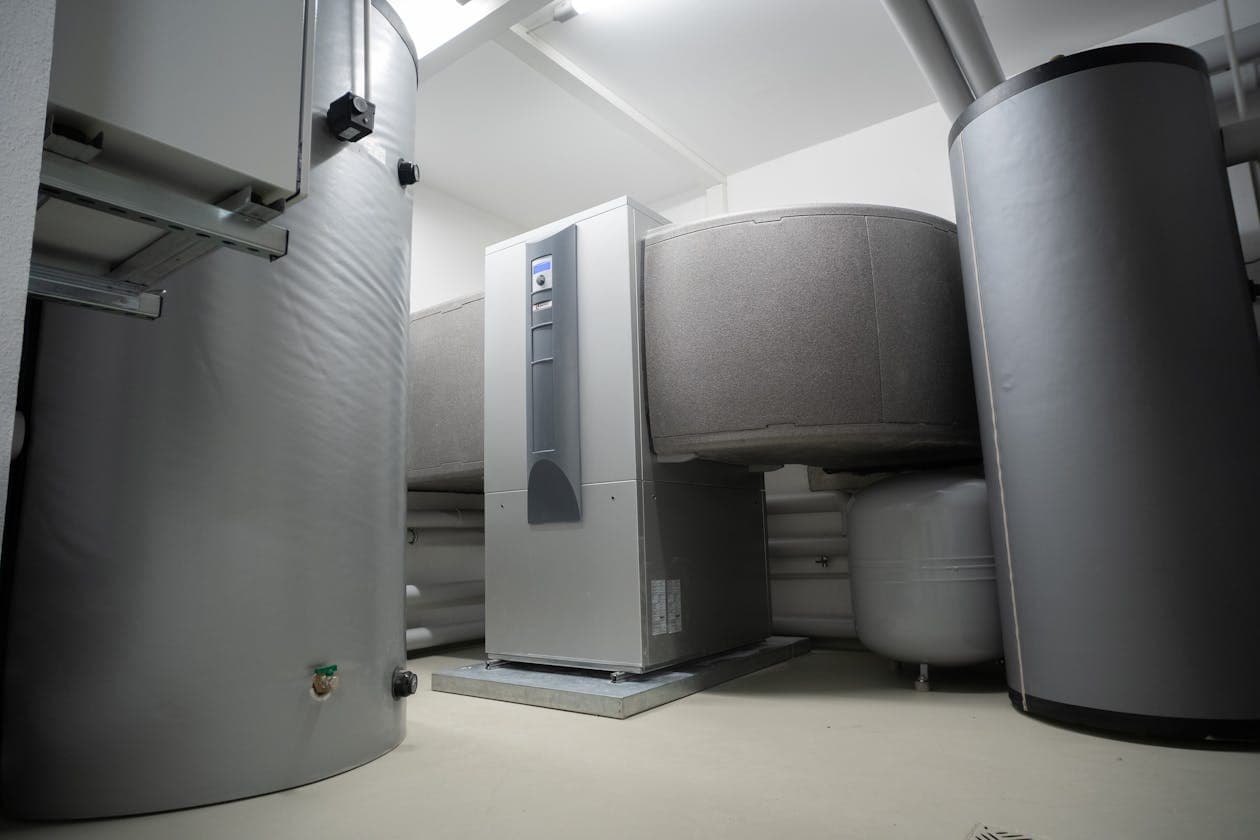
A heating system consists of several key components that work in harmony. These include the thermostat, air filter, fan, heat exchanger, and ducts. Together, they create a cozy environment by maintaining and distributing heat evenly throughout your home.

Understanding the basic workings of heaters can also prove helpful. Whether gas or electric, they heat air which is then circulated through your home’s ductwork. Any disruption in this process can result in cold air, underscoring the importance of regular heater maintenance and prompt problem-solving. By grasping these fundamentals, you’ll be better prepared to tackle heating issues when they arise.

Common Causes of a Heater Blowing Cold Air

It’s a chilly morning, and you switch on your heater only to feel cold air blowing. Not quite the cozy welcome you were hoping for! Let’s explore some common reasons why this might be happening.

1. Thermostat Problems to Watch For

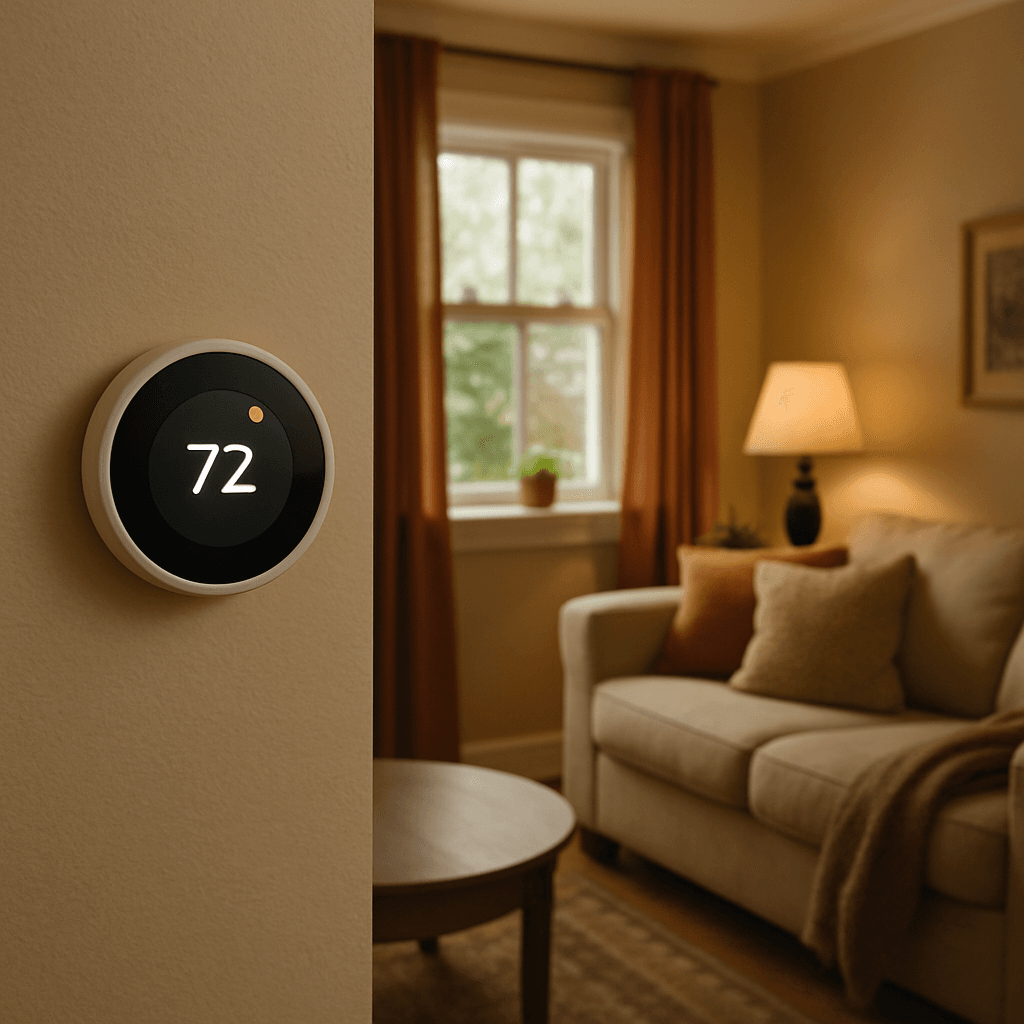
Firstly, the thermostat is often the culprit when a heater is blowing cold air. Ensure it’s set to “heat” and that the temperature setting is higher than the current room temperature. Faulty thermostats can send mixed signals to your heating system.

Another frequent issue is dirty or clogged air filters. When filters are blocked, airflow is restricted, causing the system to overheat and shut down. Regularly replacing or cleaning filters helps maintain efficiency and prevent cold air problems.

2. Ignition, Pilot, and Gas Supply Issues

Gas furnaces depend on a pilot light or ignition system to start heating. If the pilot light is out or the ignition system fails, your heater won’t produce warm air. Make sure the pilot light is lit, and if it continues to go out, it may need professional attention.

Gas supply interruptions can also cause your heater to blow cold air. Check that the gas valve is open and that there are no gas supply issues in your area. A licensed technician is best for examining complex gas issues safely.

3. Safety Shutdowns and Ductwork Problems

Sometimes, overheating can trigger safety switches, causing your heater to blow cold air. Built-in safety features shut down the heater to prevent damage or fire hazards. Identifying and resolving the cause of overheating is crucial before resetting the system.

Lastly, consider your home’s ductwork. Damage or leaks in ducts can allow heated air to escape, resulting in rooms feeling cold. Inspecting ductwork for blockages or leaks ensures your heating system operates efficiently, distributing warmth throughout your home. Addressing these common causes can often restore the warmth you need, but when in doubt, calling in a professional is always wise.

Step-by-Step Troubleshooting Guide

When your heater decides to play frosty, a systematic approach helps pinpoint the problem. Let’s go through a step-by-step guide.

1. Checking the Thermostat Settings

Begin by verifying your thermostat settings. Ensure it’s set to “heat” mode and the desired temperature is higher than the room’s current one. Sometimes, a simple adjustment is all it takes.

If your thermostat uses batteries, replacing them can solve mysterious issues. Weak batteries might not deliver proper signals to your heating system. If everything seems okay but the problem persists, consider if the thermostat itself is the problem.

2. Inspecting and Replacing the Air Filter

Next up, have a look at your heater’s air filter. A clogged filter restricts airflow, causing overheating and shutdowns. It’s a quick check that can save you a headache.

To inspect, turn off the heater, remove the filter, and hold it up to the light. If you can’t see much light passing through, it’s time for a clean or replacement. Doing this regularly enhances your heater’s efficiency and lifespan.

3. Assessing the Pilot Light or Ignition System

Gas furnaces rely on pilot lights or ignition systems to generate heat. If your pilot light is out, follow your furnace’s manual for relighting instructions. Always prioritize safety, and if unsure, call in a professional.

For electric ignition systems, listen for clicking sounds when the heater starts. If you don’t hear any, you might have an ignition issue that needs expert attention. Gas or electrical systems should be handled by professionals to ensure safety.

4. Ensuring Proper Gas or Electric Supply

An uninterrupted gas or electric supply is crucial. Check that your gas valve is fully open. For electric furnaces, verify that all switches or circuit breakers are in the “on” position.

If you’re experiencing a gas supply issue beyond your control, contact your gas provider. Always leave these tasks to qualified technicians to avoid risks associated with gas and electricity.

5. Examining the Ductwork for Leaks or Blockages

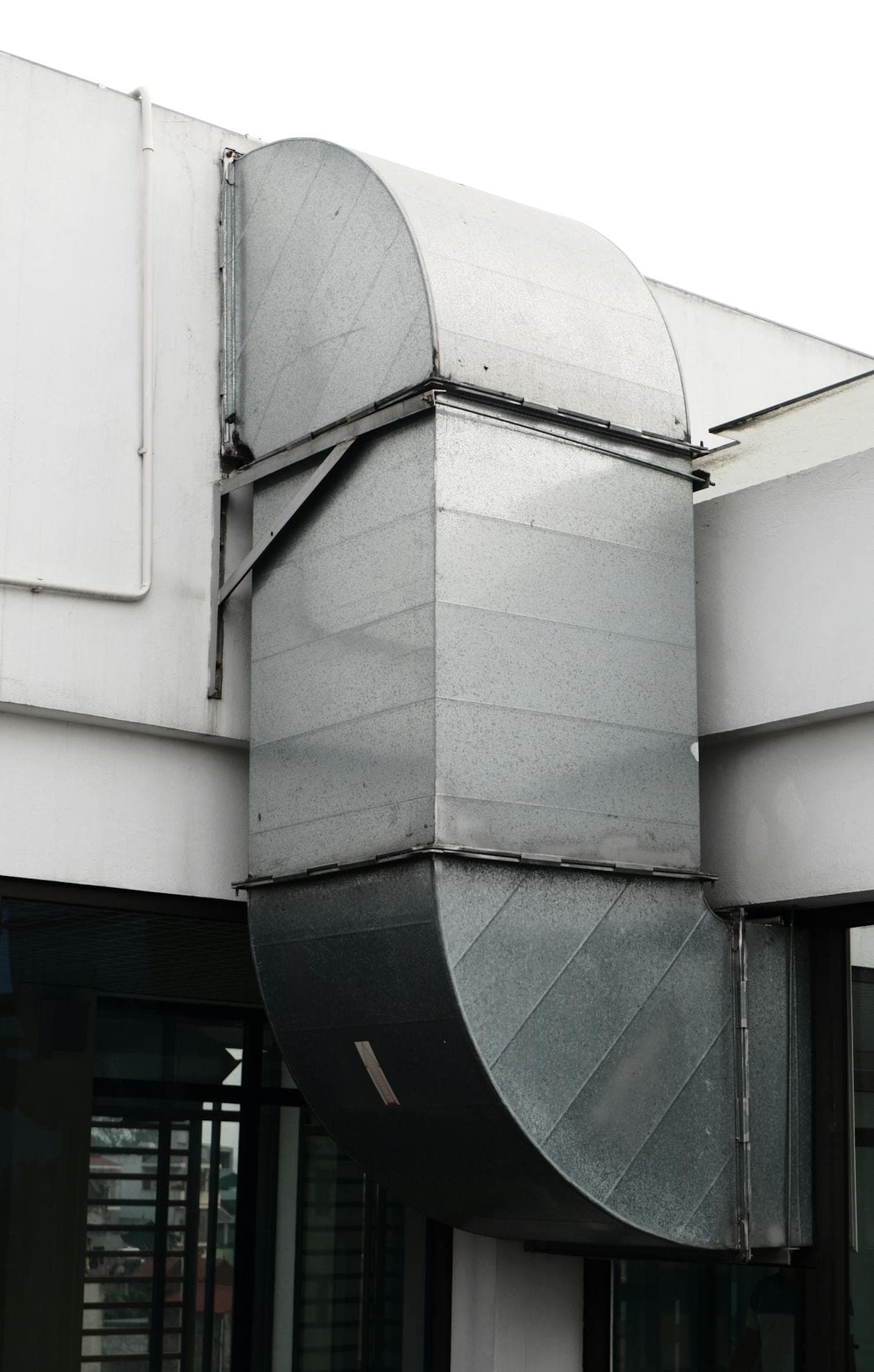
Ductwork is like the arteries of your heating system. Inspect visible ducts for disconnections, holes, or blockages. A simple way to spot leaks is to look for dust accumulations near seams. For hard-to-reach areas, a professional duct inspection ensures no leaks or blockages disrupt your warm air flow.

6. Resetting the Heater System

Finally, try resetting your heater system. Most units have a reset button or switch. Turn off the furnace, wait a few minutes, then turn it back on to see if this resolves the issue.

If you constantly need to reset, this suggests an underlying problem that a professional should examine. Going through these troubleshooting steps could restore your cozy indoor climate. However, some situations demand professional evaluation, ensuring safety and peace of mind in your home.

When to Call a Professional HVAC Technician

There are times when DIY troubleshooting isn’t enough. Complex electrical issues should always be left to professionals. Electricity poses a serious risk and mishandling it can lead to dangerous situations.

Situations That Require Immediate Professional Help

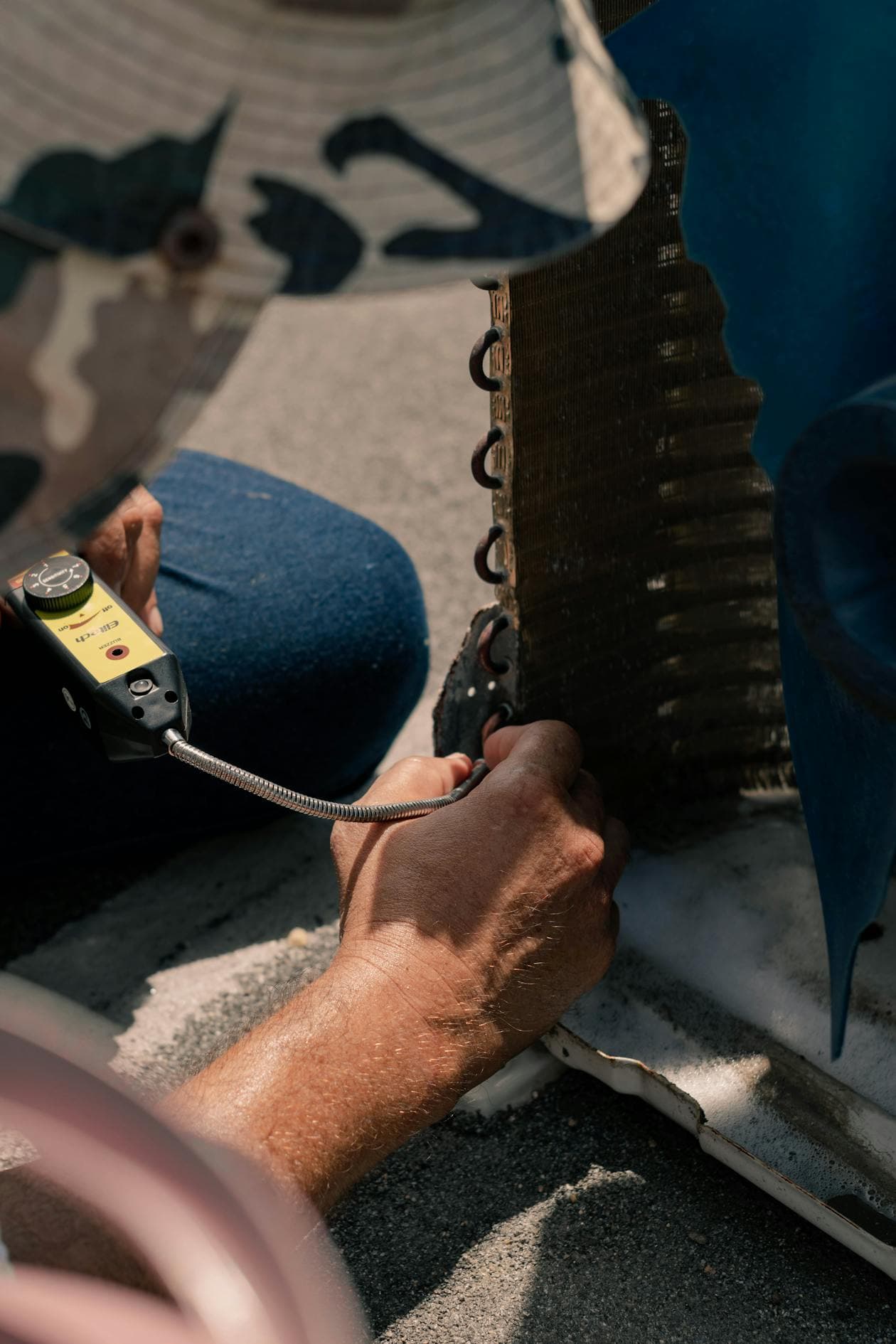
Gas leaks present another significant hazard. If you suspect a gas leak or detect a rotten egg smell, evacuate immediately and call a professional. Gas leaks can lead to carbon monoxide buildup, a silent and deadly threat.

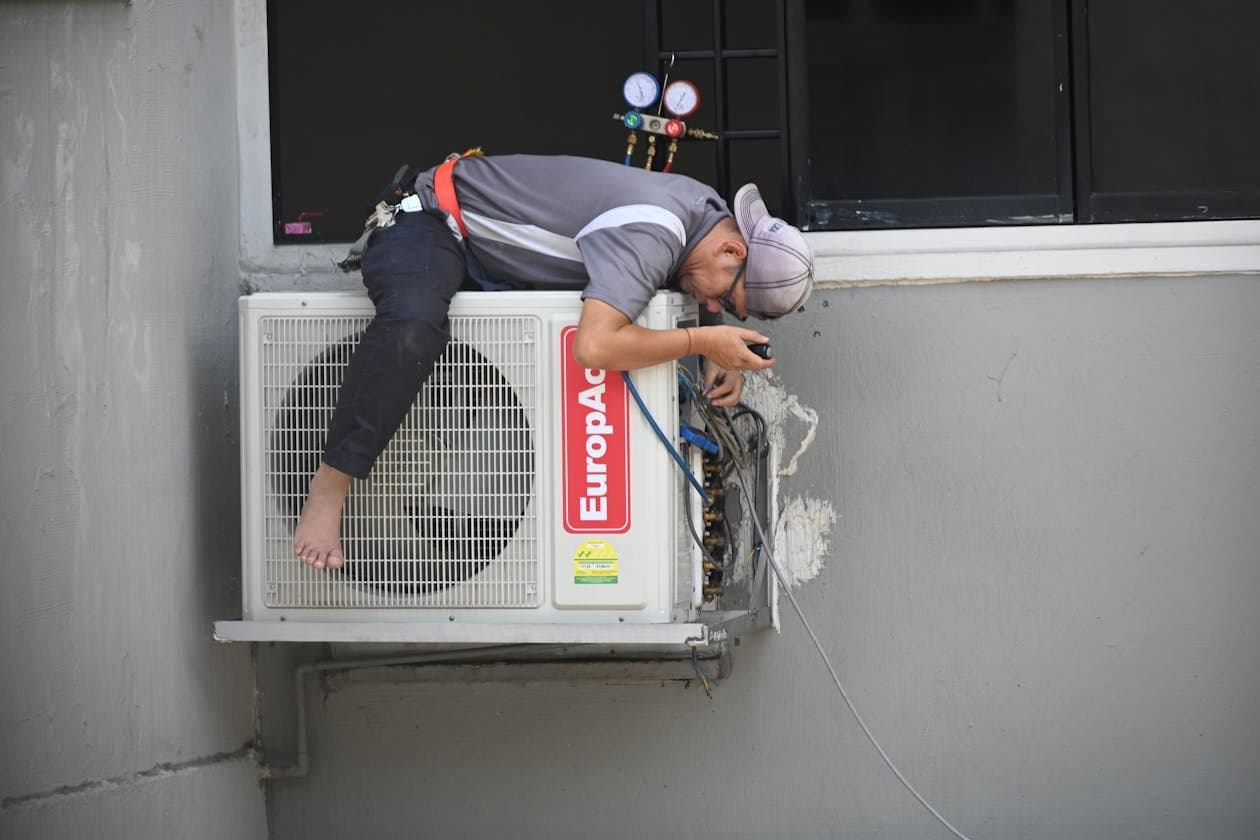
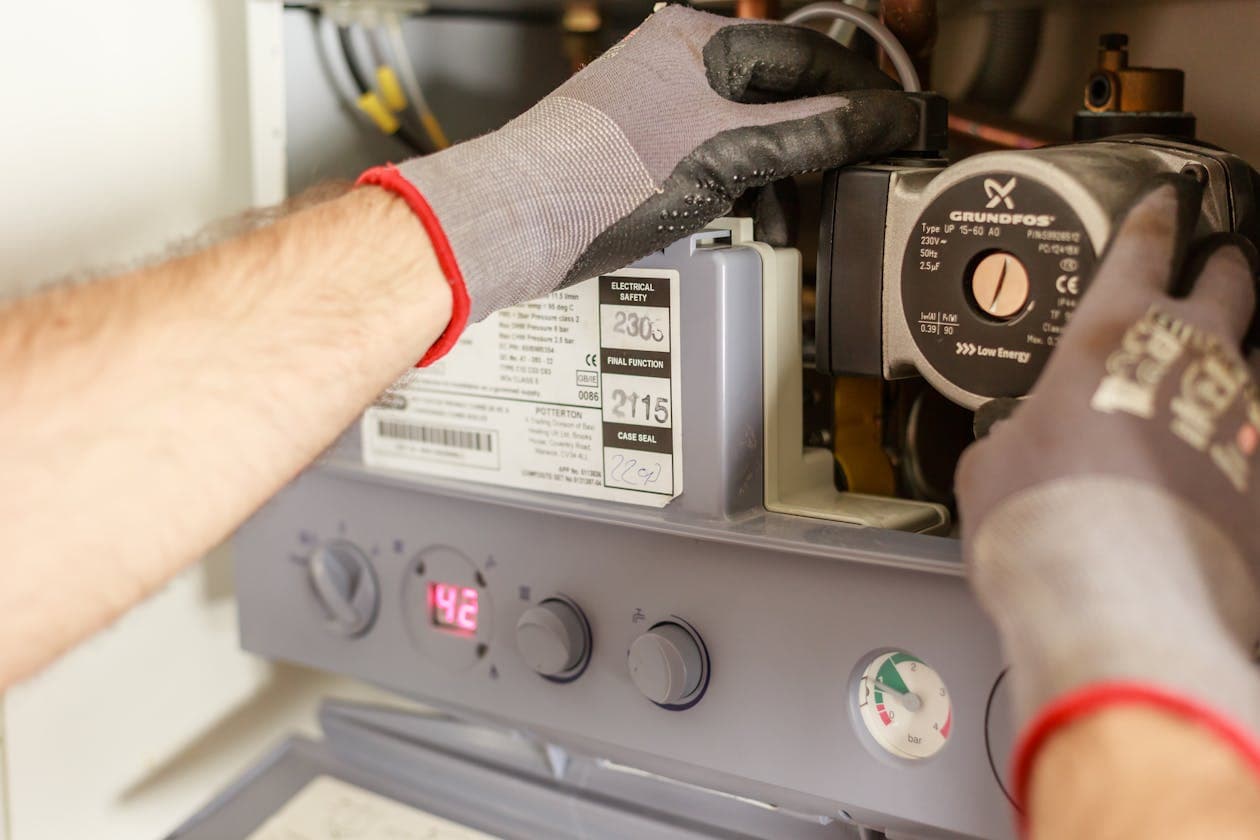
Major component failures like a broken blower motor or heat exchanger often require expert diagnosis. These parts are crucial to your system’s functionality and should be handled with care and precision.

The Benefits of Regular Professional Maintenance

For ongoing peace of mind, regular maintenance and service plans with an HVAC expert ensure your system runs smoothly. Scheduled check-ups can catch problems early, extending the lifespan of your heater and preventing unexpected breakdowns.

When in doubt, reaching out to a professional is the safest and most efficient solution. Their expertise can save you time and prevent costly errors. In the Los Angeles metropolitan area, LC Heating and Air Conditioning is always ready to lend a hand with professional and reliable service.

LC Heating And Air Conditioning LC Heating And Air Conditioning Emergency Repair Hollywood Troubleshooting Your Heater's Cold Air Issue In this guide, we'll walk you through the process of troubleshooting your heater's cold air issue. We'll cover common causes, practical solutions, and when it's time to call in a professional. Heater's Cold Air Issue,HVAC,Air Conditioning,Heating System

Preventative Maintenance Tips

Preventative maintenance is the key to avoiding unexpected heater hiccups. Regular filter changes are a simple yet effective way to ensure your system operates smoothly. A clean air filter promotes good airflow and enhances heating efficiency.

Routine inspections by HVAC professionals are essential as well. Scheduling seasonal HVAC checks can identify potential issues before they escalate. Expert eyes can catch what might go unnoticed by an untrained observer.

Consider upgrading to a smart thermostat. These innovative devices allow for more precise temperature control and improved energy efficiency. They can even alert you to potential issues early on, saving money and providing peace of mind.

Here’s a quick checklist to keep your heating system in top shape:

  • Change air filters every 1-3 months.
  • Schedule HVAC inspections twice a year.
  • Invest in a smart thermostat for better control.
LC Heating And Air Conditioning LC Heating And Air Conditioning Emergency Repair Hollywood Troubleshooting Your Heater's Cold Air Issue In this guide, we'll walk you through the process of troubleshooting your heater's cold air issue. We'll cover common causes, practical solutions, and when it's time to call in a professional. Heater's Cold Air Issue,HVAC,Air Conditioning,Heating System

By adopting these proactive steps, you’ll maintain a cozy home environment and extend your heater’s lifespan. Regular maintenance is a small investment for long-term comfort and peace.

LC Heating and Air Conditioning: Your Trusted Partner

At LC Heating and Air Conditioning, we’re dedicated to providing quality service and ensuring customer satisfaction. Our experienced team is committed to addressing your HVAC issues with professionalism and care. We understand the importance of a warm and comfortable home, especially during those unexpected chilly moments in Hollywood.

Contacting us is easy and convenient. You can reach out to us via phone or through our user-friendly website to schedule a service or consultation. Our team is ready to assist you promptly, ensuring that your heating system is back up and running efficiently. Trust us to be your reliable HVAC partner in the Los Angeles metropolitan area.

Conclusion: Heater’s Cold Air Issue

Facing a heater blowing cold air can be frustrating, but knowing the troubleshooting steps can make it manageable. By checking the thermostat, inspecting filters, and ensuring a steady gas supply, many common issues can be identified and solved. Don’t forget the importance of examining the pilot light and ductwork to ensure everything is functioning smoothly.

However, some problems are best left to the professionals, especially when it involves complex components or safety risks. Remember, at LC Heating and Air Conditioning, we’re just a call away. Whether it’s routine maintenance or a pressing issue, seeking expert help ensures your heating system remains efficient and your home stays comfortable. Trust us to resolve your HVAC troubles with expertise and care.

Scroll to Top
Skip to content