TL;DR Summary for Those in a Hurry:
- Uncover Why Your Home Suddenly Smells Like a Skunk by learning the most common indoor causes—such as gas leaks, HVAC issues, electrical problems, or sewer-related odors.
- This guide helps you identify warning signs quickly so you know when the smell is harmless and when it requires immediate action.
- You’ll learn what to check first and when it’s safest to call a professional to protect your home and health.
- Acting early can prevent safety risks, reduce lingering odors, and restore indoor comfort faster.
There’s nothing quite like the pungent odor of skunk wafting through your home to disrupt your day. When Your Home Suddenly Smells like a skunk, the experience can be unsettling, especially if you’re unprepared for it. Whether you’re a busy stay-at-home mom juggling work and kids, a small business owner focused on customer satisfaction, or someone working from home without the time or expertise to handle HVAC issues, the sudden intrusion of skunk smell can be overwhelming. It can interfere with your daily activities, affect your mood, and even lead to health concerns if not addressed promptly.

In this article, we’ll explore the possible causes of skunk-like odors in your home, how to identify the source, and most importantly, how to remove skunk odor using both professional and home remedies. With my experience as the owner of LC Heating and Air Conditioning in Hollywood, I aim to provide you with reliable, trustworthy guidance to restore freshness to your living space. Understanding the root causes and available solutions can empower you to tackle the issue effectively, ensuring your home remains a haven of comfort and cleanliness.
Summary
Skunk-like odors at home can come from actual skunks, rodents contaminating HVAC ducts, or a potentially dangerous natural gas leak. This guide shows how to identify the source with visual checks, listening for activity, and contacting your utility immediately if gas is suspected. It covers professional solutions (HVAC inspection, duct cleaning, wildlife removal), effective home remedies (vinegar, peroxide-baking soda mix, essential oils, ventilation, activated charcoal), and prevention steps (sealing entry points, maintenance, trash security, motion lights). Call professionals for suspected gas leaks, major infestations, or persistent odors.
What Causes Skunk Smell in Your Home?
Common Culprits
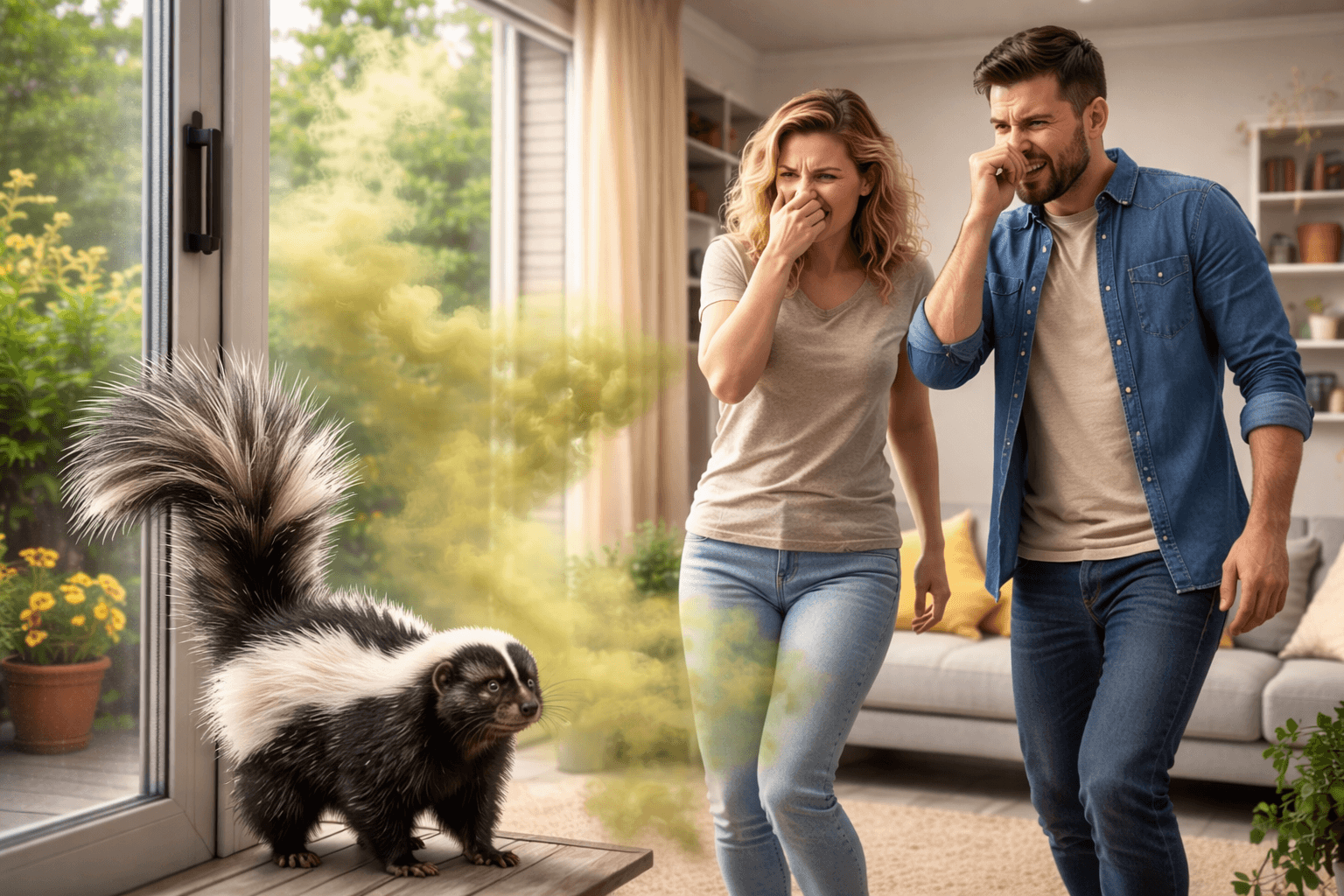
- Actual Skunks: The most obvious source is a skunk itself. Skunks are nocturnal creatures and may wander into your yard or even inside your home if they find access. When threatened, they release a powerful odor that can easily seep indoors. Their presence is often unintentional, as they are usually searching for food or shelter. However, if they find a comfortable spot, they might decide to stick around, making the problem more persistent.
- Rodents in Ducts: Rodent infestations are another potential cause. Rodents can enter HVAC ducts, leaving droppings and urine that mimic skunk smells when the system is in operation. These pests can cause significant damage to your ductwork, leading to costly repairs and persistent odors. Moreover, their presence can indicate other underlying issues, such as food sources or entry points in need of sealing, requiring a comprehensive approach to address fully.
- Natural Gas Leaks: A lesser-known but critical reason for a skunk-like smell is a natural gas leak. Mercaptan, the odorant added to natural gas, has a distinctive skunky smell. If you suspect this, evacuate immediately and contact the gas company. Gas leaks pose serious health risks and can lead to catastrophic events if not promptly addressed. It’s crucial to recognize this potential danger and take immediate action to ensure the safety of your home and loved ones.
How to Identify the Source
- Visual Inspection: Carefully inspect your property for signs of skunk presence or entry points where rodents might have entered ductwork. Look for tracks, droppings, or disturbed areas that could indicate animal activity. Checking exterior walls, attics, and basements can provide clues about how these critters are accessing your home, enabling you to take preventative measures.
- Listen and Observe: Pay attention to unusual noises in walls or ceilings, which could indicate rodent activity. Scratching, scurrying, or rustling sounds are common signs of pests making themselves at home. Additionally, noticing any peculiar patterns in odor intensity can help you pinpoint the source, allowing you to focus your efforts more effectively.
- Check for Gas Leaks: If you suspect a gas leak, do not attempt to locate it yourself. Call your local utility provider immediately. Gas leaks are hazardous and require professional handling to ensure complete safety. Recognizing the signs early can prevent accidents and reassure you and your family of your home’s safety.
Skunk Smell Remedies

Professional Solutions
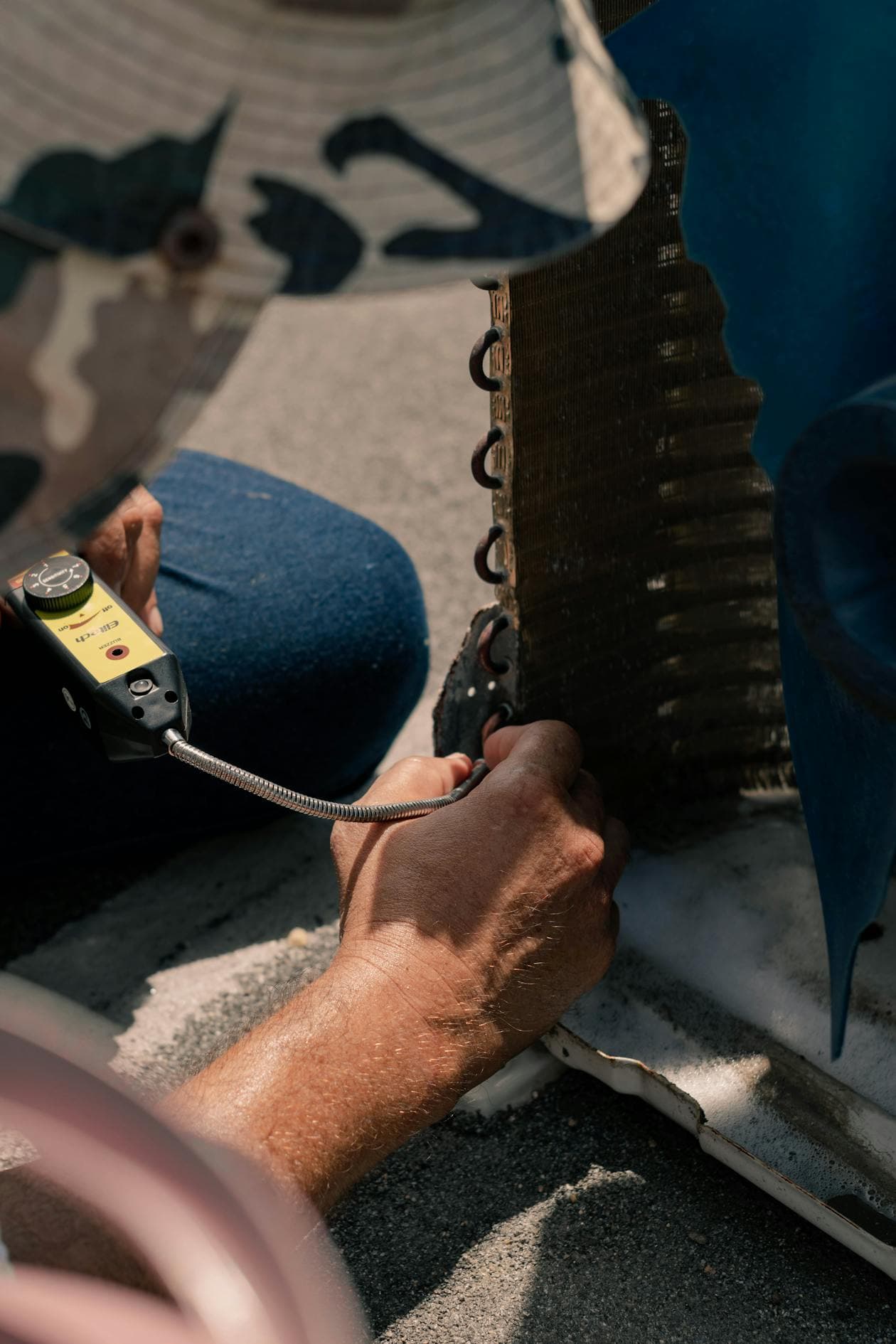
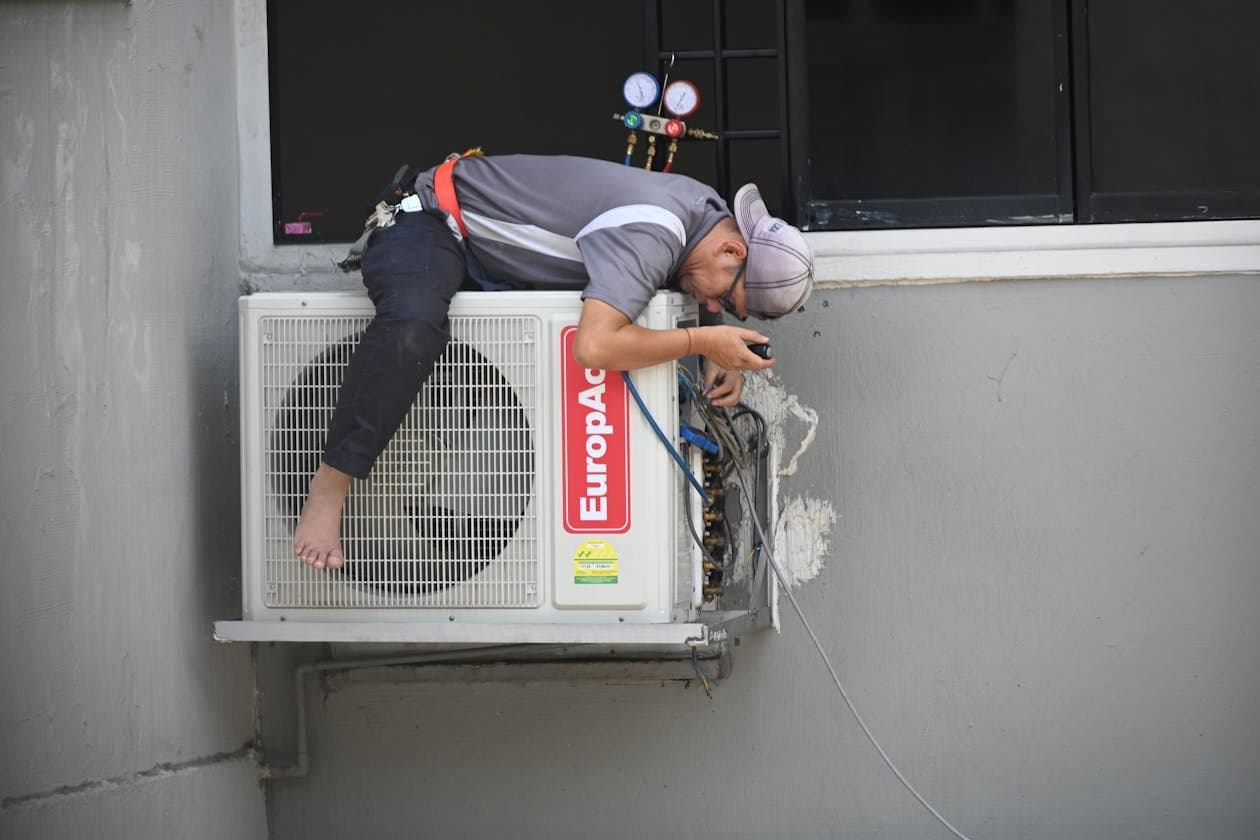
- HVAC Inspection: A thorough inspection of your HVAC system by professionals can identify the presence of rodents or other issues causing odors. At LC Heating and Air Conditioning, we offer comprehensive inspections to ensure your system is clean and efficient. Our team is trained to detect subtle signs of infestation and malfunction, providing you with peace of mind and a cleaner environment.
- Duct Cleaning: If rodents are the issue, professional duct cleaning can remove droppings and urine, eliminating odors and improving air quality. Regular cleaning prevents the buildup of contaminants that can exacerbate odors and health issues. Investing in professional services ensures a more thorough and lasting solution, maintaining the integrity of your HVAC system.
- Skunk Removal Services: If a skunk is on your property, contact wildlife control experts to safely and humanely remove the animal. Professionals are equipped with the tools and knowledge to handle wildlife without harm, ensuring the skunk is relocated safely. This not only resolves your odor issue but also protects local wildlife and complies with legal regulations.
Home Remedies for Skunk Smell in House
- Vinegar Bowls: Place bowls of vinegar around the affected area. Vinegar neutralizes odors effectively. It’s a simple and affordable solution that can be implemented quickly, providing relief as you address the underlying issue. Be sure to replace the vinegar regularly for continued effectiveness.
- Baking Soda and Peroxide Mixture: Mix 1 quart of hydrogen peroxide, 1/4 cup of baking soda, and 1 teaspoon of dish soap. Apply the mixture to hard surfaces and let it sit before rinsing. This powerful combination can break down odor-causing compounds, making it an excellent choice for persistent smells. However, always test a small area first to ensure it doesn’t damage surfaces.
- Essential Oils: Use essential oils like peppermint or eucalyptus in a diffuser to mask the smell and freshen the air. These oils not only provide a pleasant scent but also have natural antibacterial properties. Experiment with different oils to find the combination that best suits your preferences and enhances your home’s atmosphere.
- Ventilation: Open windows and doors to allow fresh air in and skunk odor out. Use fans to increase air circulation. Proper ventilation is crucial for maintaining indoor air quality and can significantly reduce odor intensity. On milder days, keeping your home well-ventilated can also reduce reliance on artificial air fresheners.
- Activated Charcoal: Place activated charcoal in rooms to absorb odors. This natural odor absorber is effective and safe, making it a popular choice for homes with children or pets. Position the charcoal strategically in areas where odors are strongest for optimal results.
Preventing Future Odors
Rodent Proofing
- Seal Entry Points: Inspect and seal any gaps or holes in your home’s exterior to prevent rodents from entering. This proactive measure not only deters rodents but can also improve energy efficiency by reducing drafts. Regularly checking for new entry points is essential, as pests can quickly exploit vulnerabilities.
- Regular Maintenance: Schedule regular HVAC maintenance to ensure ducts are clean and free from pests. Consistent upkeep can prevent many odor-related issues from developing, saving you time and money in the long run. A well-maintained system also operates more efficiently, contributing to lower utility bills and a more comfortable home environment.
Skunk Deterrence
- Secure Trash Bins: Use secure lids on trash bins to prevent skunks from scavenging. Ensuring that waste is properly contained discourages skunks and other wildlife from visiting your property. Consider adding weights or locks to lids for added security.
- Install Motion Lights: Motion-activated lights can deter skunks from entering your yard at night. These lights startle animals and deter them from lingering, reducing the likelihood of them setting up residence. Additionally, they can provide extra security for your home, alerting you to any nocturnal visitors.
by Alexander Ugolkov (https://unsplash.com/@asysin)
When to Call a Professional
While home remedies can be effective, certain situations require professional intervention. If you suspect a gas leak, have a significant rodent infestation, or if skunk odors persist despite your efforts, it’s time to call in the experts. Professional services offer a level of precision and expertise that ensures thorough problem resolution, reducing stress and potential hazards.

At LC Heating and Air Conditioning, we prioritize trust, quality, and customer satisfaction. Our team is equipped with the knowledge and tools to handle all your HVAC and odor removal needs. We understand that each situation is unique, and we tailor our approach to meet your specific requirements, ensuring the best possible outcome. For more information or to schedule a service, contact us at (818) 858-7080.
Conclusion
A skunk smell in your home is not only unpleasant but can indicate underlying issues that need attention. By understanding the causes and remedies, you can act swiftly to restore your home’s comfort. Whether you tackle the problem yourself or call in professionals like us at LC Heating and Air Conditioning, you’re taking a step towards a fresher, more pleasant living environment. Addressing these issues promptly can prevent future occurrences and maintain your home’s value and appeal.
Remember, we’re here to help. If you find yourself overwhelmed or prefer to leave the task to the professionals, reach out to us at (818) 858-7080. Together, we can eliminate those pesky odors and keep your home smelling fresh and clean. Your satisfaction and peace of mind are our top priorities, and we’re committed to providing you with the highest quality service.
A skunk-like smell indoors can signal serious issues. Knowing the causes and next steps helps you respond safely, avoid hazards, and keep your home’s air clean.
FAQ:
Why does my home suddenly smell like a skunk even when there’s no skunk inside?
A skunk-like odor indoors can come from other sources such as natural gas leaks, sewer or drain issues, dead animals in walls or ducts, mold or mildew, and electrical problems producing burning plastic scents.
Could it be a gas leak if my house smells like a skunk?
Yes — some types of natural gas or propane additives can smell similar to a skunk, so if you suspect a gas leak, leave the house immediately and contact your utility provider or emergency services before investigating further.
Can HVAC issues cause a skunk smell in my home?
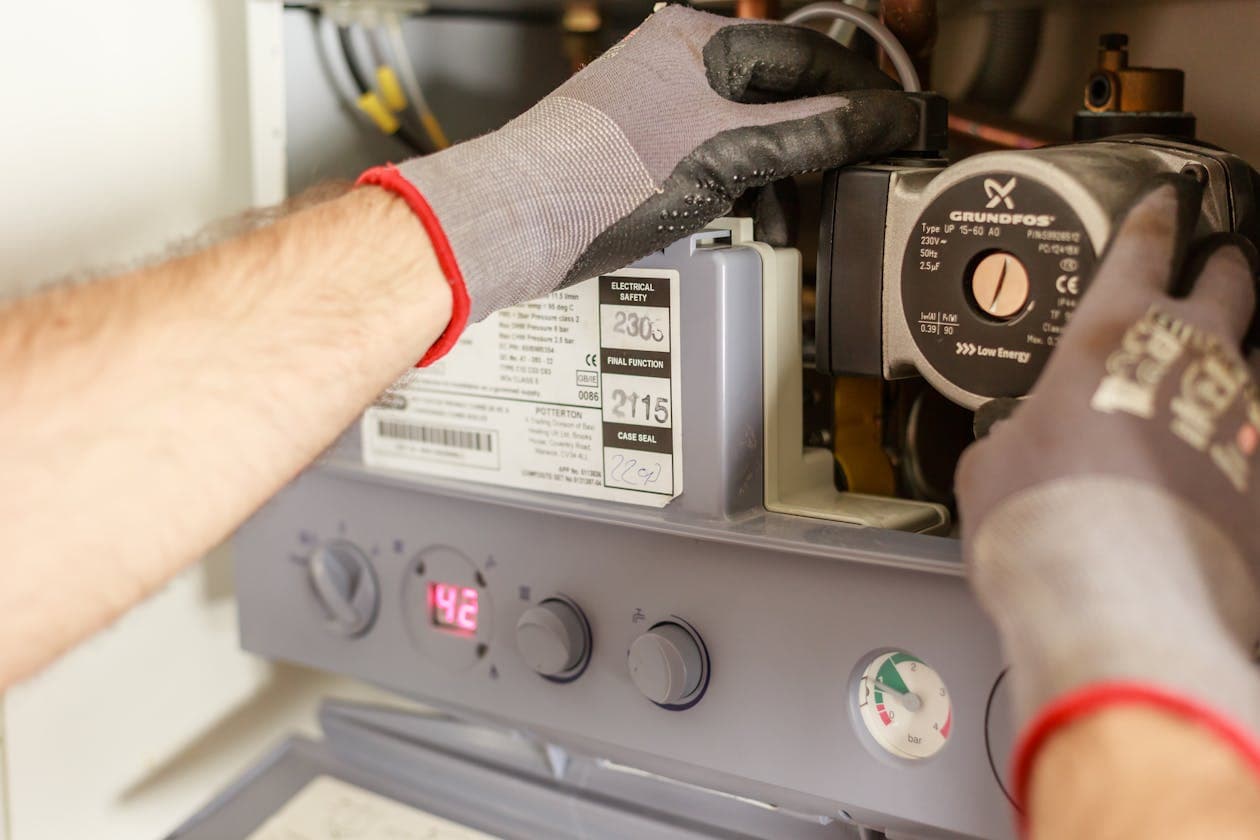
Absolutely — a malfunctioning HVAC system, dirty coils, clogged filters, or pests in ductwork can trap odors and make them circulate, leading to skunk-like smells.
When should I call a professional for a skunk-like smell at home?
If the smell is strong, persistent, accompanied by physical symptoms (headache, nausea), or you suspect gas or sewer problems, it’s best to call a qualified technician or plumber right away.
Could dead animals in my home cause that smell?
Yes — a decomposing animal in walls, attic, crawl space, or HVAC ducts can emit a foul odor that some people describe as similar to a skunk smell.
What can I do immediately if I notice a skunk-like smell indoors?
Ventilate the space by opening windows and doors, check for obvious sources (trash, spills, recent yard animal encounters), and if the smell persists or you suspect hazardous causes, seek professional help.