TL;DR Summary for Those in a Hurry:
- AC Leak Repair Expenses explains the key factors that influence how much it costs to locate and fix refrigerant leaks in your air conditioning system.
- Costs vary depending on the location and severity of the leak, with larger or harder-to-access leaks typically costing more to repair.
- The type of refrigerant used and its market price (e.g., older Freon vs. modern refrigerants) can significantly affect total expenses.
- Additional charges may stem from labor rates, diagnostic fees, and whether a full refrigerant recharge is needed.
- Understanding these cost drivers helps you budget, compare quotes, and decide whether repair or replacement makes more financial sense.
Air conditioning is a lifesaver, especially during those scorching summer days. But what happens when your AC starts leaking?
Understanding the factors influencing AC leak repair expenses can help you make informed decisions.
Repair costs can vary widely, depending on several key factors.
From the type of refrigerant used to the age of your unit, each element plays a role.
Knowing these factors can save you time, money, and stress.

Whether you’re a stay-at-home mom or a small business owner, this guide is for you.
We’ll explore everything you need to know about AC leak repair costs.
Understanding AC Leaks: What Homeowners Need to Know
AC leaks can disrupt your home comfort and lead to costly repairs. Understanding them is crucial for maintaining your system’s efficiency.
Leaks often stem from faulty seals, corroded coils, or clogged drain lines. Each of these issues requires different repair approaches.
Here are some essentials homeowners should know:
- AC leaks often signal deeper problems.
- Routine maintenance can prevent most leaks.
- Professional diagnostics ensure accurate repair estimates.
Early detection can save you from more significant problems down the line. Addressing leaks quickly reduces the risk of system damage and costly repairs.

Common Signs and Causes of AC Leaks
Identifying AC leaks starts with recognizing the signs. A few telltale symptoms can help you detect a leak early.
Look out for:
- Reduced cooling performance or warm air blowing
- Hissing sounds near the refrigerant lines
- Unusual ice build-up on coils or lines
These signs can indicate refrigerant issues, needing prompt attention. Several factors can lead to these leaks.
Common causes of AC leaks include corroded coils and poorly fitted connections. Faulty seals also play a significant role in causing leaks.
Understanding these causes helps in preventing future issues. Early detection and regular maintenance can protect your AC system.
Types of AC Systems and Their Impact on Repair Costs
Different AC systems come with varying repair expenses. The type of system can significantly influence your repair bill.
Central AC units, mini-splits, and window units each have unique components and structures. These differences affect repair complexity and costs.
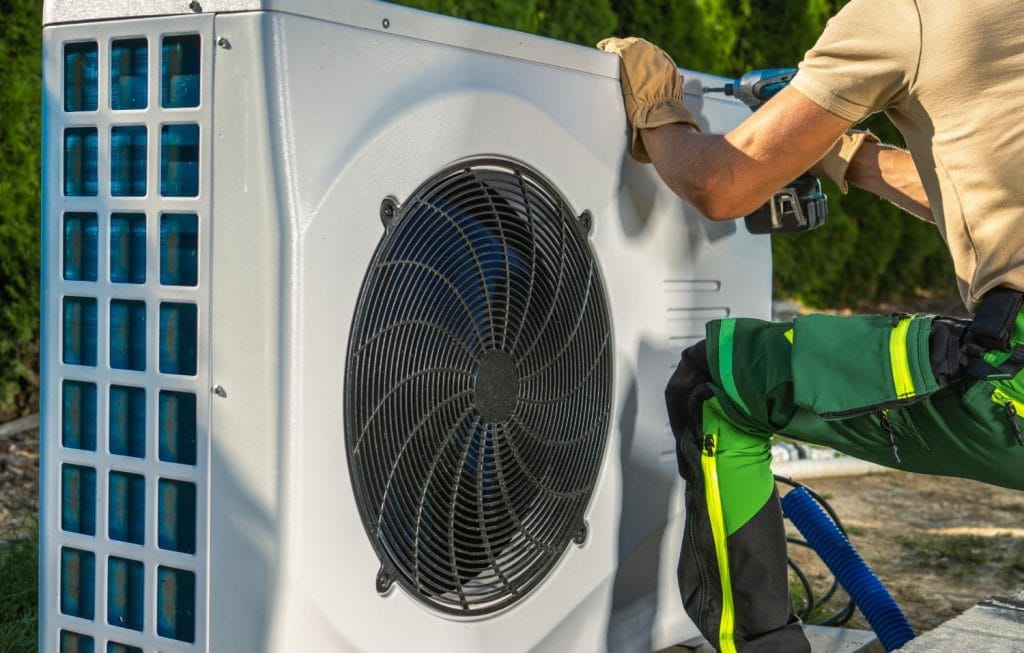
- Central AC units: Often involve higher repair costs due to complex ductwork.
- Mini-split systems: Might require specialized parts, altering cost.
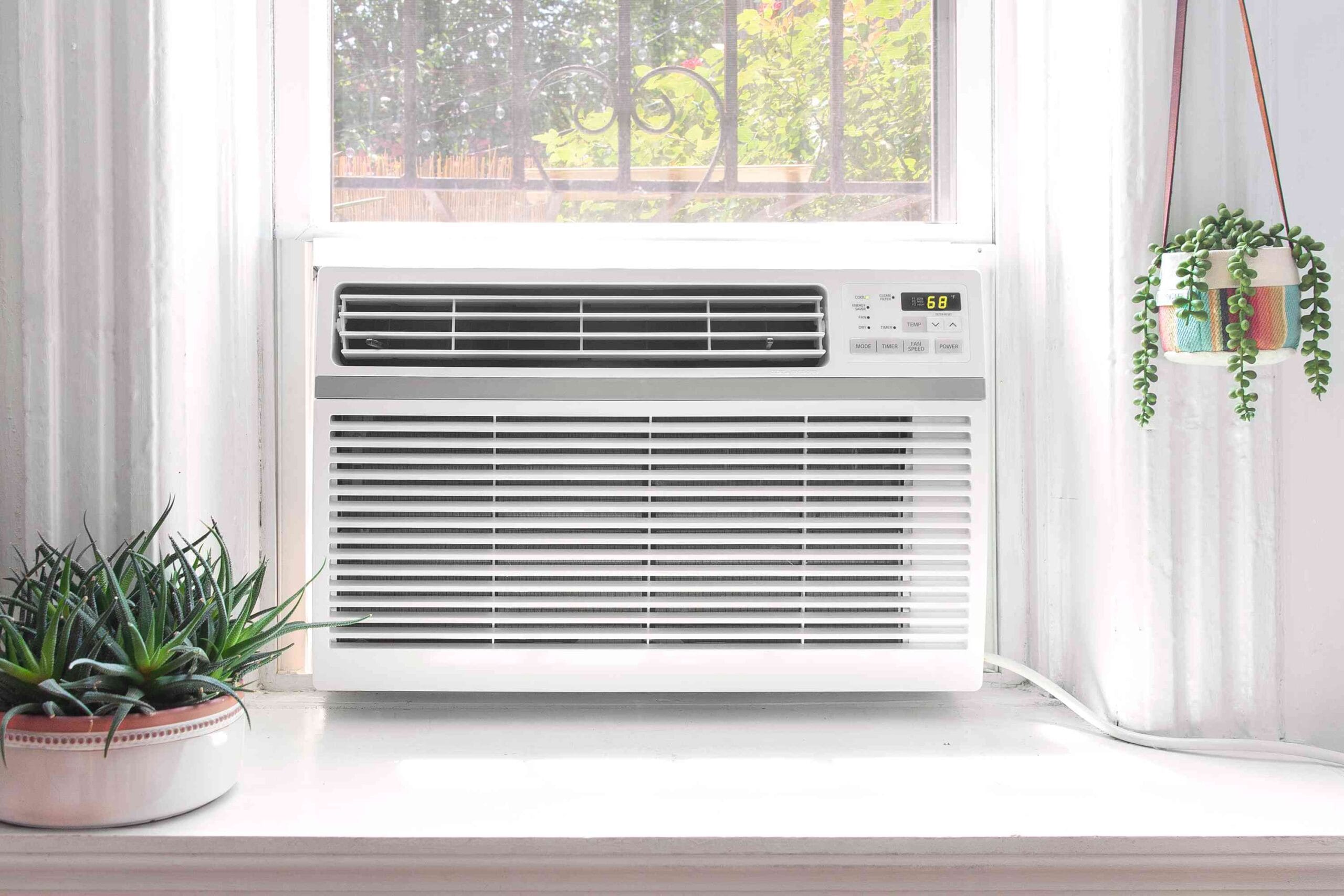
- Window units: Typically cheaper but may not be worth repairing.
The design and location of each system change the repair approach. Accessing components in some units can take more time, increasing labor costs.
Understanding these variations helps in budgeting and planning. It also guides you in deciding whether to repair or replace.
Key Factors That Influence AC Leak Repair Expenses
Several factors shape the cost of repairing AC leaks. By understanding these, you can better estimate and plan for repairs.
The type and location of the leak play a significant role. Repairs are typically more costly if the leak is hard to access.
The severity and size of the leak also matter. Larger leaks often require more labor and materials.
1. Type and Location of the Leak
Leaks can occur in different parts of an AC unit, such as coils or lines. The location affects repair complexity.
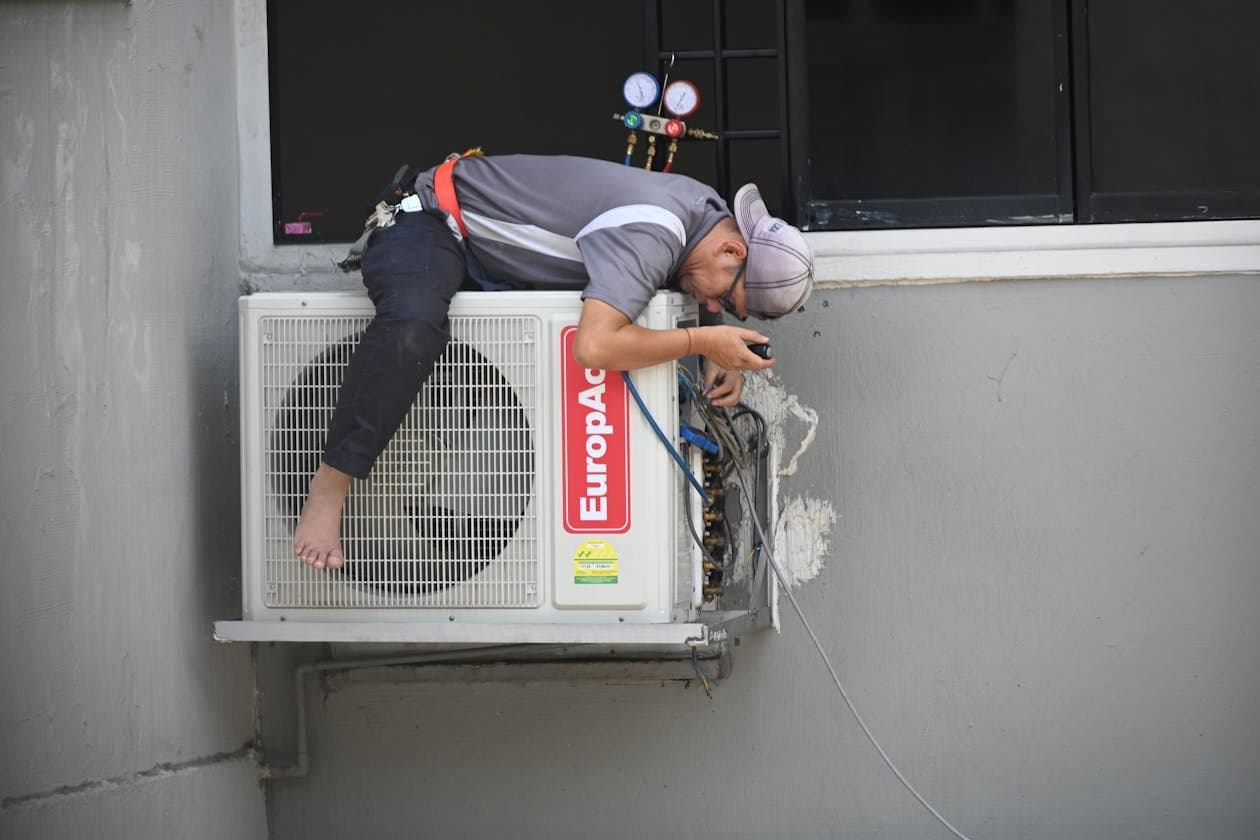
If the leak is in an outdoor or difficult-to-reach area, labor costs rise. These factors include:
- Location: Indoors vs. outdoors
- Accessibility: Easy-to-reach vs. hard-to-reach areas
2. Severity and Size of the Leak
Small leaks might require simple repairs, while large ones may need more extensive fixes.
The size impacts the amount of refrigerant lost, influencing costs. Repairs for severe leaks often require more labor and materials.
3. Type of Refrigerant Used (Freon, R-22, R-410A, etc.)
The type of refrigerant impacts both cost and availability. Some refrigerants, like R-22, are phased out, making them pricey.
Modern alternatives, such as R-410A, might be more cost-effective.
- Freon: Older, costly due to phase-out
- R-22: Expensive and less environmentally friendly
- R-410A: Standard in newer units
4. Age and Condition of the AC Unit
Older units might have outdated parts, inflating repair costs. Frequent repairs may signal the need for replacement instead.
An older unit’s inefficiency could also mean higher energy bills. Newer units often function more efficiently.
5. Labor Rates and Technician Experience
Technician expertise can affect repair quality and speed. Experienced pros might charge more, but their work ensures quality.
Local labor rates vary, influencing overall expenses. Expertise often saves money by doing the job right the first time.
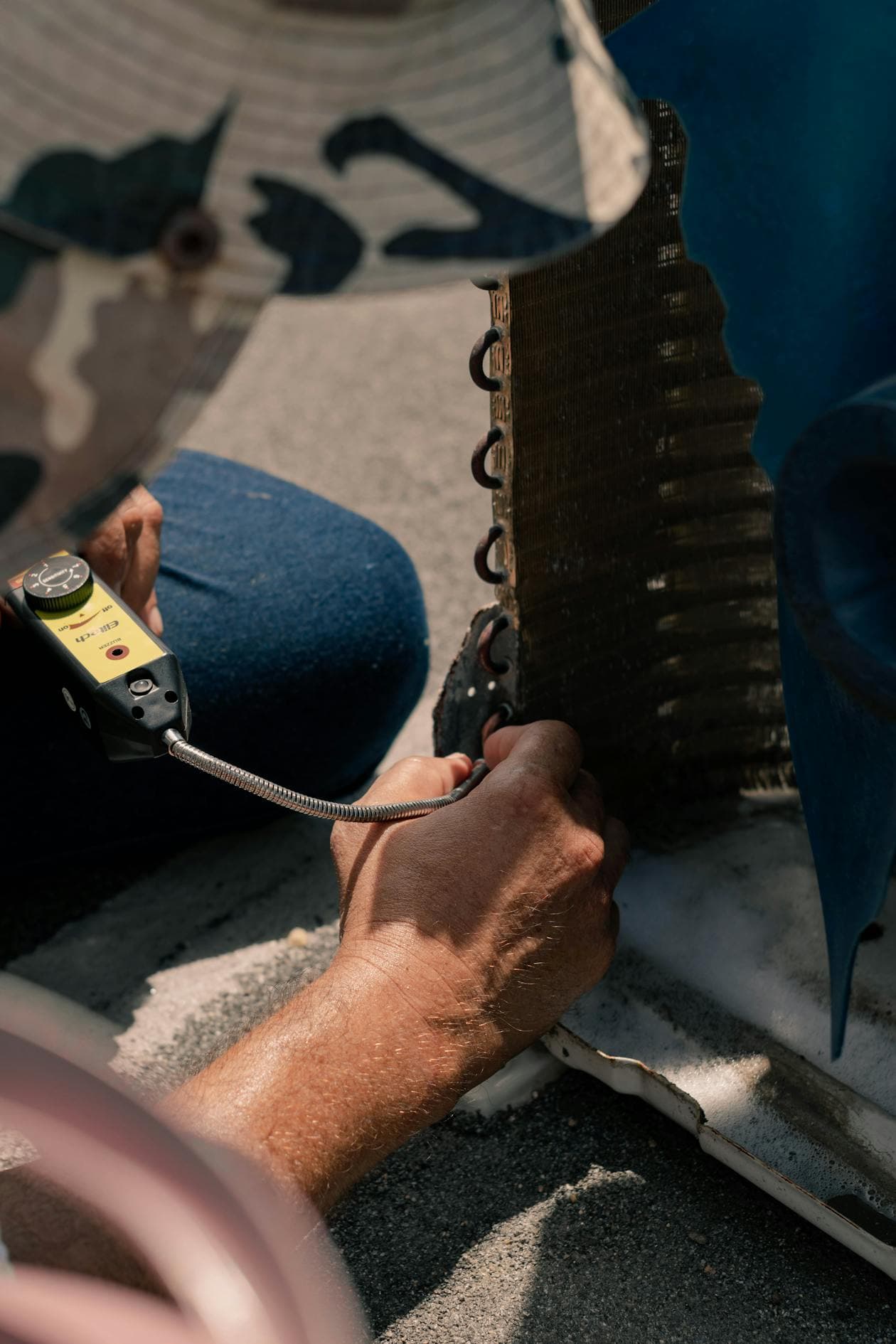
6. Diagnostic and Leak Test Costs
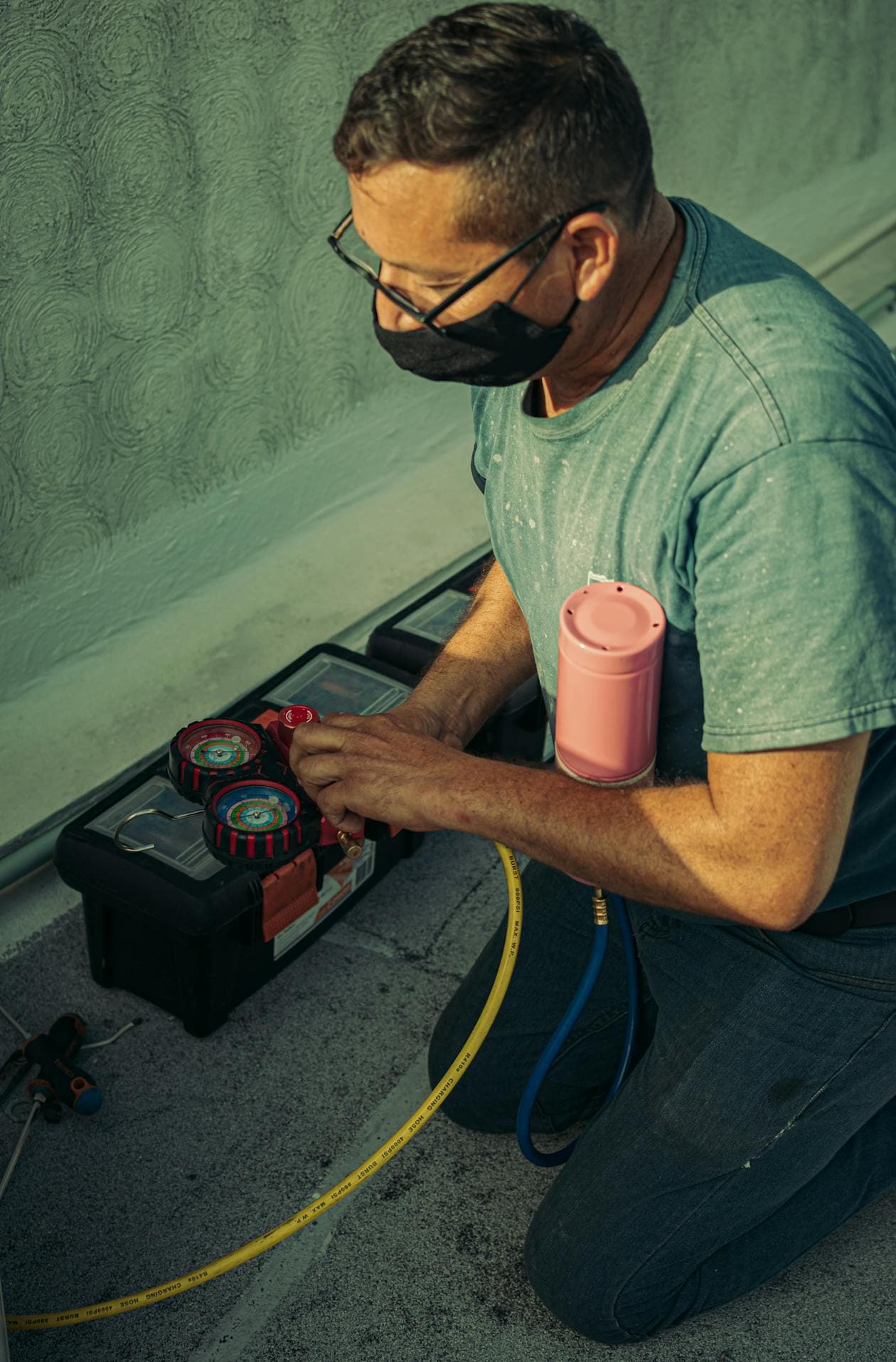
Identifying the leak involves diagnostic testing. These tests ensure accurate repair diagnosis.
- Basic inspections: Lower cost
- Comprehensive diagnostics: Higher cost due to equipment use
Correct diagnostics prevent misdiagnoses and unnecessary repairs.
7. Parts, Materials, and System Accessibility
Repairing a leak may require specific parts and materials. Availability can affect cost.
Accessibility of the damaged section influences labor time needed. These factors impact total expenses and repair times.
- Part availability: Impact on repair timeline
- Ease of access: Simpler access means cheaper repairs
8. Emergency Repairs, Seasonal Demand, and Scheduling
Urgent repairs during peak seasons may cost more. High demand impacts technician availability, thus driving up prices.
Off-season repairs might be less expensive. Planning ahead can help manage costs effectively.

Typical AC Leak Repair Costs: What to Expect
Understanding typical repair costs helps plan your budget effectively. On average, homeowners may spend between $200 and $1,500.
Various factors influence these costs. Here’s what you might expect:
Minor repairs, like fixing a small leak, usually fall on the lower end. Conversely, extensive leaks requiring major parts will be pricier.
Consider a few common cost categories:
- Refrigerant refill: $100 – $350
- Leak repairs in lines or coils: $200 – $600
Labor charges vary, so asking for multiple estimates is wise. Additionally, contractor rates fluctuate by region.
- Comprehensive diagnostics: $100 – $300
- Complex repairs or replacements: $500 – $1,500
Keep in mind, pricing reflects quality. Opting for high-quality service ensures lasting repairs.
Special Considerations: Mini-Splits, Central AC, and More
Different AC systems come with unique considerations. Mini-splits, central AC, and window units all pose distinct challenges.
Mini-splits often have simpler setups, but parts can be costly. Central AC systems may require more labor due to complex ductwork.
Common considerations include:
- Mini-split repair cost: $200 – $1,000
- Central AC repair cost: $300 – $1,500
Choosing the right professional for your system type is crucial. Understanding each system’s intricacies ensures optimal repairs.
Repair vs. Replacement: Making the Right Choice
When facing a significant AC repair, consider your options. Sometimes, replacement offers better long-term value.
Assess the unit’s age and efficiency. If it’s over ten years old, replacement might save more in future costs.
Consider the extent of the issues. Multiple or frequent repairs often signal it’s time for a new system.
Factors to weigh include:
- Age of the unit
- Cost of repeated repairs
- Energy efficiency
Balancing repair costs with the benefits of a new, efficient system can be a wise investment.
How to Save on AC Leak Repairs Without Cutting Corners
Saving on AC leak repairs doesn’t mean compromising on quality. There are smart strategies to reduce expenses.
First, regular maintenance is key. It catches minor issues early before they grow costly.
Compare quotes from reputable contractors. This ensures competitive pricing and prevents overcharging.
Consider these tips to reduce costs:
- Schedule regular maintenance
- Keep the system clean
- Address minor issues quickly
Invest in quality parts. They reduce the chance of future failures and boost efficiency.
Another cost-saving tip is checking if your system is under warranty for coverage benefits.
The Value of Professional Service and Warranties
Professional service offers peace of mind and expertise. Technicians ensure repairs are done right the first time.
Warranties provide financial protection. They cover repair costs if issues reoccur within the warranty period.
Choosing a reputable service means:
- Skilled, experienced technicians
- Quality assurance
- Reliable support
Hiring professionals with warranty coverage improves system reliability. It’s an investment in long-term comfort and efficiency.
Frequently Asked Questions About AC Leak Repair Costs
Curious about how much to fix an AC leak in a house? The cost varies depending on several factors.
Is a freon leak expensive to repair? Yes, it can be, especially with older refrigerants.
Common Queries:
- What affects air conditioner leak repair costs?
- How can I tell if I have an AC leak?
- What’s included in a typical repair estimate?
Understanding these questions helps you prepare for potential expenses.
More FAQs:
- Are DIY fixes advisable for leaks?
- Can neglected leaks cause bigger problems?
- Will insurance cover AC leak repairs?
Knowing the answers aids in making informed decisions. Always consider consulting a professional. They can provide clear and specific answers to your situation.
When to Call a Pro: Why DIY Isn’t Worth the Risk
Attempting DIY repairs on AC leaks can seem tempting but comes with risks. Untrained hands can cause more damage than fix.
When to Seek Professional Help:
- If you detect refrigerant leaks.
- Unusual noise from your AC unit.
- Notice increased energy bills without reason.
Professionals have the expertise and tools to handle leaks safely. At LC Heating and Air Conditioning Hollywood, we prioritize safety and efficiency, ensuring peace of mind. Call us at (818) 858-7080 for professional assistance.
Why Choose LC Heating and Air Conditioning Hollywood for Your AC Leak Repairs?
Choosing the right partner for AC repairs can make all the difference. At LC Heating and Air Conditioning Hollywood, we pride ourselves on quality service.
Why We Stand Out:
- Experienced technicians with local expertise
- Quick response and reliable solutions
- Commitment to customer satisfaction
Our friendly team ensures every repair maximizes your system’s efficiency. Reach out to us at (818) 858-7080 and experience trusted service today.
Final Thoughts: Protecting Your Comfort and Your Budget
Keeping your AC in top shape shouldn’t break the bank. By understanding repair cost factors, you’re better equipped to make informed decisions.
Stay proactive with regular maintenance and professional check-ups. This approach helps prevent costly repairs and ensures continuous comfort in your home. For reliable service, remember to call us at (818) 858-7080.
AC Leak Repair Expenses depend on leak size/location, refrigerant type, labor/diagnostic costs, and required parts — knowing these factors helps you make informed repair decisions.
FAQ:
What factors affect AC leak repair expenses the most?
AC leak repair expenses depend on several factors, including the type and location of the leak, the refrigerant used, the age of the AC unit, labor rates, and how accessible the damaged component is pasted.
How much does it usually cost to repair an AC refrigerant leak?
Typical AC leak repair costs range from $200 to $1,500, depending on the severity of the leak, required parts, refrigerant refill needs, and labor complexity pasted.
Does the type of refrigerant affect repair costs?
Yes. Older refrigerants like R-22 (Freon) are more expensive due to phase-out regulations, while newer refrigerants such as R-410A are generally more affordable and readily available pasted.
Are AC leaks more expensive to repair in older units?
Often, yes. Older AC units may require harder-to-find parts, additional labor, or repeated repairs, which can significantly increase overall repair expenses pasted.
Can the location of the leak increase repair costs?
Absolutely. Leaks located in hard-to-reach areas, such as inside walls or outdoor coils, typically require more labor time, raising repair costs pasted.
Are emergency AC leak repairs more expensive?
Yes. Emergency repairs, especially during peak summer seasons, often cost more due to higher demand and urgent scheduling requirements pasted.