TL;DR Summary for Those in a Hurry:
- Why Is My Heater Not Working breaks down the most common reasons your heater fails to produce warm air and what you can check or do next.
- Simple causes like incorrect thermostat settings, dead batteries, clogged filters, or blocked vents often interrupt normal heating.
- Mechanical issues such as ignition problems, faulty wiring, or worn components may require professional inspection and repair.
- Identifying the issue early helps restore comfort, improve efficiency, and prevent more costly breakdowns later.
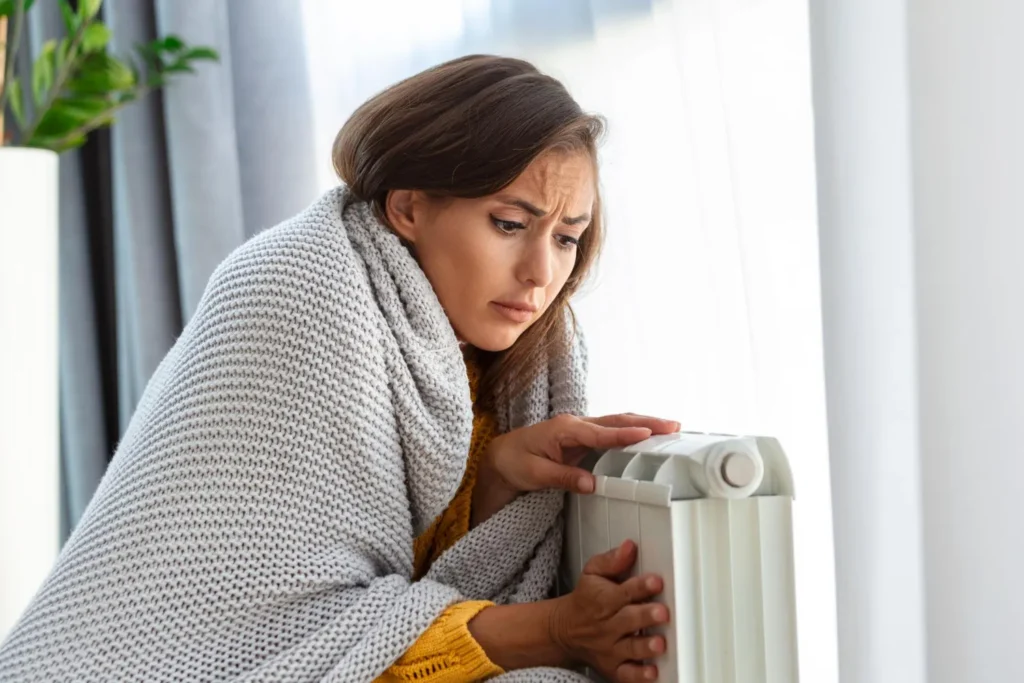
When your heater starts blowing cold air, it can be frustrating and uncomfortable. You might even find yourself wondering, Why Is My Heater Not Working, especially when the temperature drops. Before you panic, let’s explore some common reasons for this issue.
Understanding these can save you time and stress. It might even help you avoid an emergency service call.
In this article, we’ll guide you through potential causes and solutions. You’ll learn what to check before reaching out to a professional.
Remember, we’re here to help if you need expert assistance. Contact LC Heating and Air Conditioning Hollywood at (818) 858-7080.
How Your Heater Should Work: The Basics
A well-functioning heater should provide consistent and warm air. Your home’s temperature should match the thermostat’s setting. If not, something might be wrong.
Basic operation involves air intake, heating, and distribution. Warm air flows through your vents into each room. This creates a comfortable environment for you and your family.
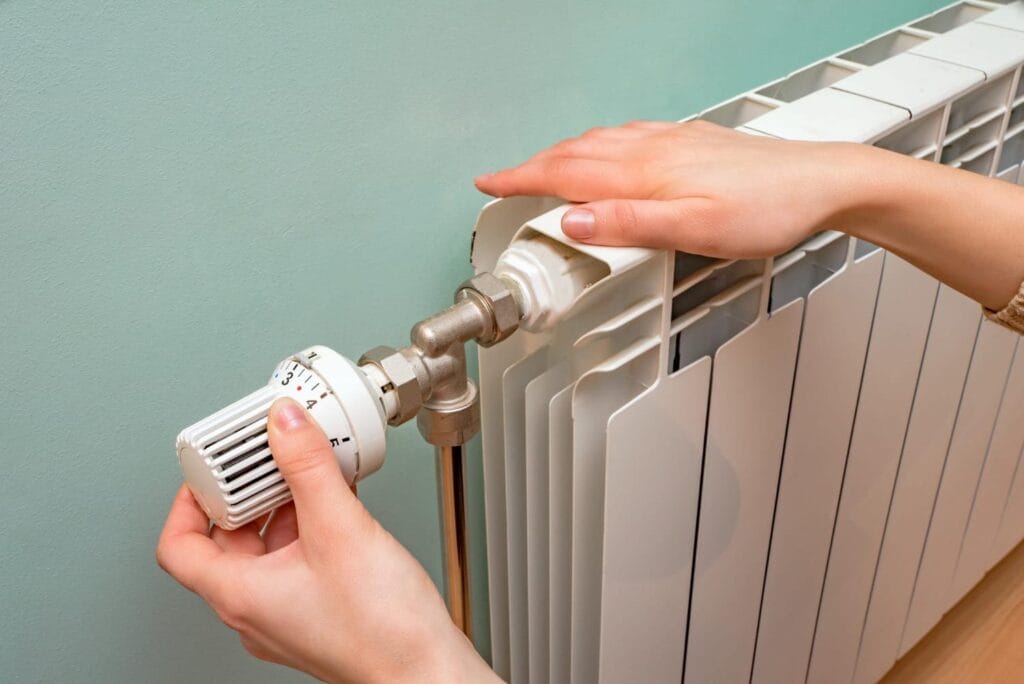
Here’s a quick rundown of its components:
- Thermostat: Manages and adjusts the temperature.
- Air filter: Cleans the air entering the heater.
- Blower: Circulates the warm air throughout your home.
If any part fails, your heater might start blowing cold air. Understanding these basics can help you pinpoint issues early.
Top Reasons Your Heater Is Blowing Cold Air
There are many reasons your heater might start blowing cold air. The problem could be minor or require professional intervention. Understanding these issues can save you time and reduce stress.
Common causes range from thermostat problems to more serious system failures. Each situation is unique, and a thorough inspection is key. Knowing the possible culprits helps in troubleshooting.
Below, we’ll discuss the most common reasons. We’ll cover each in detail to help you understand what’s happening. From thermostat settings to ductwork blockages, we’ve got you covered.
1. Thermostat Issues
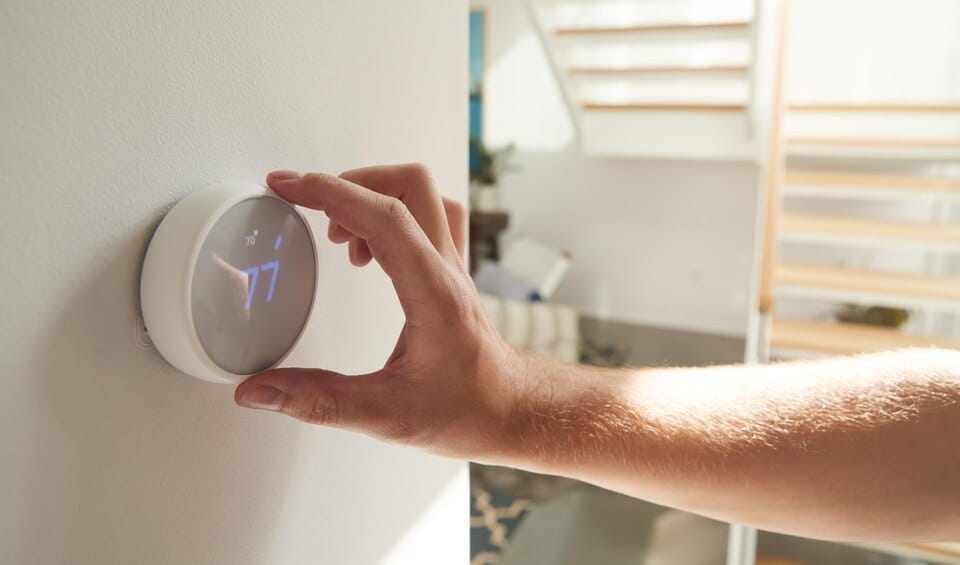
Your thermostat is the brains behind your heater. A simple misconfiguration can lead to cold air blowing.
Check these aspects of your thermostat:
- Battery life: Dead batteries can disrupt function.
- Settings: Ensure it’s set to “heat” mode.
- Temperature setting: Check if it’s set above room temperature.
2. Dirty or Clogged Air Filter
Air filters keep your air clean, but when clogged, they cause issues. Restricted airflow may result in your furnace blowing cold air.
Here’s how to handle it:
- Inspect the filter: See if it’s dirty or dusty.
- Replace regularly: A fresh filter ensures optimal airflow.
- Choose the right type: Follow manufacturer recommendations.
Not replacing filters frequently can lead to bigger issues down the line. Make it a habit to check them monthly.
3. Pilot Light or Ignition Problems (Gas Furnaces)
In gas furnaces, the pilot light or ignition ensures burner function. If either fails, your heater will emit cold air.
Consider these points:
- Pilot light status: Ensure it’s lit.
- Ignition system: Check for issues if the unit has electric ignition.
- Gas supply: Ensure it isn’t interrupted.
A simple adjustment can often resolve these issues. Otherwise, professional help may be needed.
4. Electrical or Power Issues (Electric Heaters)
Electric heaters require a steady power source. If your heater is blowing cold air, it might be due to power issues.
Key areas to check include:
- Circuit breaker: Confirm it’s not tripped.
- Power supply: Ensure the heater is plugged in.
- Internal wiring: Loose connections may be the culprit.
Fixing these might require some basic electrical know-how. If unsure, always contact a professional technician.
5. Overheating and Safety Shut-Offs
Heaters have safety mechanisms to prevent overheating. If triggered, the system may blow cold air.
Understand your heater’s safety features:
- Thermostat limit switch: Resets if the system overheats.
- Safety shut-off: Engages during hazards.
- Vent blockage: Can lead to overheating and shutdown.
Address any identified overheating risks promptly. This prevents further operational interruptions.
6. Ductwork Leaks or Blockages
Air leaks in ductwork can cause rooms to feel chilly. Blockages can restrict the flow of warm air throughout your home.
Consider these ductwork issues:
- Visible leaks: Look for any open seams.
- Blockages: Check for obstructions inside ducts.
- Insulation quality: Poor insulation can reduce efficiency.
Professional duct cleaning or sealing might be necessary. This ensures even heat distribution.
7. Condensate Drain or Sensor Problems
Condensation plays a role in heater operation. Problems in the drainage can trigger cold air issues.
Focus on these areas:
- Drain lines: Ensure they aren’t clogged.
- Sensors: Malfunctioning sensors can disrupt operation.
- Moisture buildup: May indicate drainage issues.
Regular maintenance can prevent these problems. If they persist, consult an HVAC expert.
Quick DIY Checks Before You Call for Help
Before picking up the phone for emergency service, try a few simple troubleshooting steps. Sometimes, you can resolve the issue without expert intervention. These checks are quick and can save you time and money.
Here’s what you can do:
- Inspect your thermostat: Ensure it’s set correctly to “heat.”
- Check circuit breakers: Look for any tripped switches.
- Replace air filters: Swap out dirty filters for fresh ones.
- Examine pilot light: Confirm it’s lit (for gas heaters).
- Verify power source: Ensure your heater is plugged in properly.
These steps cover common culprits for heating problems. If these fixes don’t solve the issue, it’s best to reach out to a professional. At LC Heating and Air Conditioning Hollywood, we’re always ready to help! Call us at (818) 858-7080.
When to Call a Professional HVAC Technician
If simple checks haven’t resolved the issue, it might be time to call in the experts. Some problems are beyond the average homeowner’s scope and require professional tools and experience.
Consider professional assistance if you notice:
- Persistent cold air: Despite DIY efforts.
- Unusual noises: Clanging or banging sounds.
- Frequent cycling: Heater turns on and off frequently.
Professional HVAC technicians have the knowledge and equipment to diagnose and fix complex heater problems. For reliable service, call LC Heating and Air Conditioning Hollywood at (818) 858-7080. Your comfort is our top priority.
Preventing Heater Problems in the Future
Regular maintenance is key to preventing heater issues. Scheduling routine check-ups can prolong your heater’s life and efficiency.
Here are some preventive tips:
- Change filters: Every one to three months.
- Schedule annual maintenance: A professional can spot potential problems early.
- Keep vents clear: Ensure no obstructions block airflow.
Adhering to these measures can save you time and stress in the long run. A well-maintained heater keeps your home comfortable and your energy bills lower.
Why Trust LC Heating and Air Conditioning Hollywood?
We’re committed to quality service and customer satisfaction. Our team has extensive expertise and prioritizes your needs.
Here’s why our clients choose us:
- Reliability: Always on time and ready to help.
- Professionalism: Qualified technicians who know their trade.
- Community focus: Proudly serving the Los Angeles area.
When your heater blows cold air, we’re just a call away at (818) 858-7080. Count on us for dependable heating solutions.
If your heater isn’t working, start with basic checks like thermostat settings and filter condition. If those don’t fix it, a technician can diagnose deeper mechanical or electrical faults to get your system heating again.
FAQ:
Why is my heater not working even though it’s turned on?
Your heater may be turned on but still not produce heat due to thermostat errors, wrong temperature settings, or if the system is set to “fan only” instead of “heat.”
Can a dirty filter stop my heater from working?
Yes — a clogged or dirty air filter restricts airflow, forcing your heater to work harder or shut down, which often results in poor heating or no heat at all.
Could thermostat issues be the cause of my heater not working?
Absolutely — thermostat problems like incorrect mode settings, dead batteries, or a malfunctioning unit can prevent your heater from calling for heat.
Is it safe to run a heater that won’t heat properly?
No — a heater that runs without producing heat may waste energy and could signal underlying electrical or mechanical problems; it’s safer to have a technician inspect it.
When should I call a professional for heater repair?
If basic checks (thermostat, filters, power) don’t fix the issue, or if you notice strange noises, frequent cycling, or no heat, contact a qualified HVAC technician for diagnosis and repair.
Can blocked vents cause my heater to stop working?
Yes — closed or blocked vents and obstructed ductwork can reduce airflow and make it feel like the heater isn’t working, even though warm air isn’t reaching the rooms.