TL;DR Summary for Those in a Hurry:
- Understanding HVAC covers how Heating, Ventilation, and Air Conditioning systems are planned, sized, and integrated into building construction to ensure year-round comfort and efficiency.
- It explains key components like heating units, cooling equipment, ventilation pathways, ductwork, and controls that work together to regulate temperature and air quality.
- Knowing these core concepts helps builders, designers, and homeowners make better decisions about system choice, layout, and performance expectations.
- Proper HVAC design and installation improve indoor comfort, energy efficiency, and long-term reliability.
When it comes to construction, one term you’ll often come across is HVAC. But what does HVAC mean in construction?
HVAC stands for Heating, Ventilation, and Air Conditioning. It’s a system that plays a crucial role in maintaining the comfort and air quality in buildings.
Whether you’re a small business owner, a work-from-home professional, or a busy stay-at-home mom, understanding the basics of HVAC can be incredibly beneficial. It can help you ensure your environment is comfortable, functional, and energy-efficient.
In this guide, we’ll delve into the key concepts of HVAC in construction. We’ll explore its components, its role in energy efficiency, and its importance in customer satisfaction and comfort.
We’ll also provide tips on choosing the right HVAC system for your construction and maintaining it for optimal performance.
So, let’s get started on our journey to understanding HVAC in construction.
What is HVAC in Construction?
In the realm of construction, HVAC systems are vital for ensuring comfortable and controlled indoor environments. These systems are designed to maintain temperature, regulate humidity, and improve air quality within a building.
The term HVAC stands for Heating, Ventilation, and Air Conditioning. Each component is essential for a balanced indoor climate. Heating provides warmth during colder months, while air conditioning cools the space in the summer. Ventilation ensures that the air is fresh and contaminants are minimized.
In construction, an HVAC system is integrated with the building’s structure and design. It must meet the specific needs of the occupants while adhering to regulatory standards. This alignment affects everything from the layout of the ductwork to the placement of heating and cooling units.
Understanding what an HVAC system does is crucial for anyone involved in new builds or renovations. It impacts not only the comfort of a building’s occupants but also the energy usage and operational costs.
Properly installed and maintained HVAC systems can significantly enhance the indoor experience, making environments healthier and more energy-efficient.
The Components of an HVAC System
An HVAC system comprises several components working in harmony to regulate the environment of a building. These elements ensure that heating, ventilation, and air conditioning are optimally balanced for comfort.
The main components include:
- Heater Furnace: Provides warmth during cold seasons by using fuel or electric power.
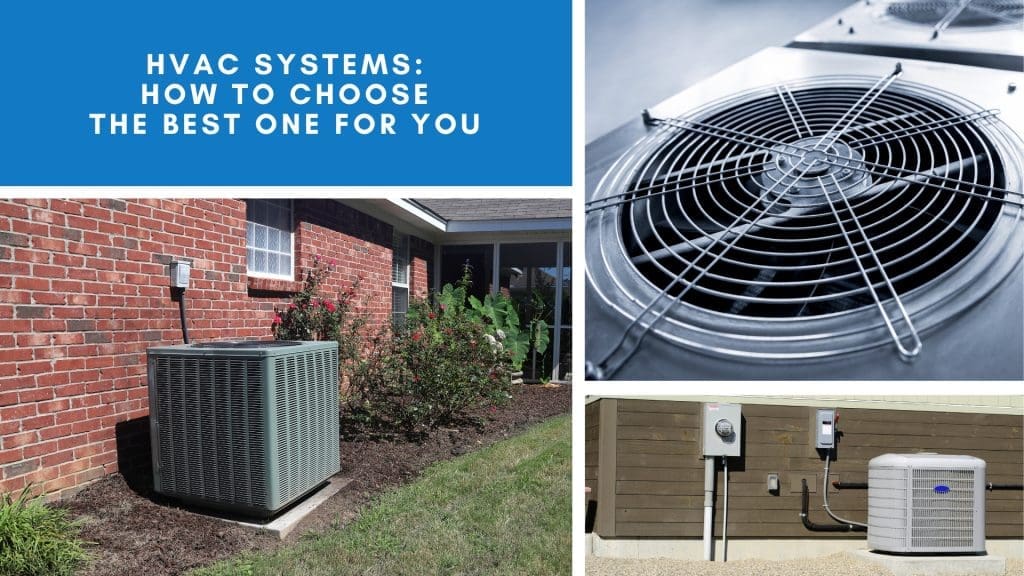
- Air Conditioner: Removes heat from indoor air to cool the building in warmer weather.
- Ventilation Ducts: Circulates fresh air throughout the building, ensuring quality indoor air.
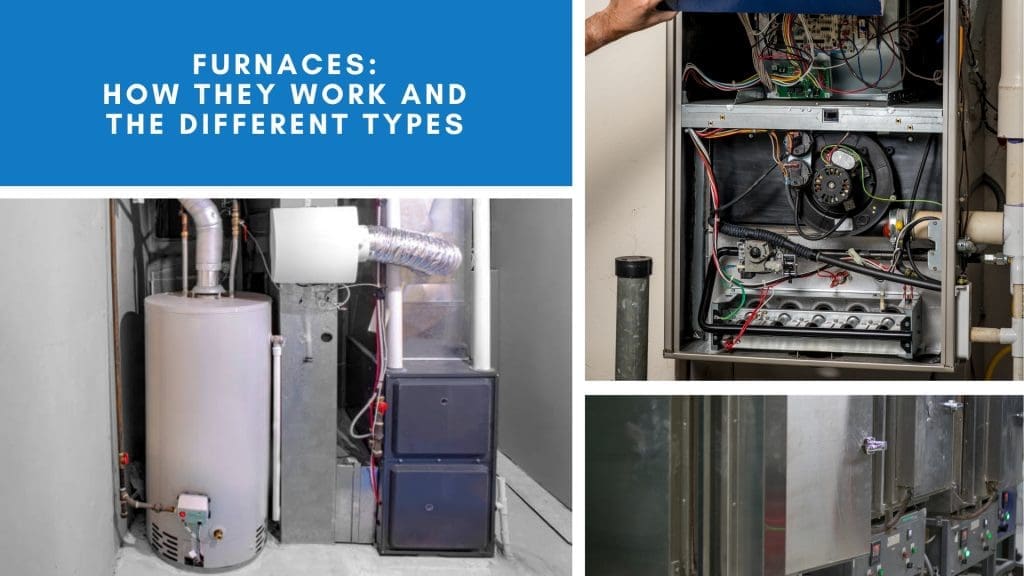
The heater furnace is essential for maintaining a cozy indoor temperature. Furnaces can use various energy sources such as gas, electricity, or oil. They distribute heat through ductwork or radiators, depending on the system design.
The air conditioner counterpart removes excess heat and humidity, enhancing indoor comfort in hot climates. Modern systems are designed to be energy-efficient, helping to reduce operational costs.
Ventilation plays a crucial role in maintaining indoor air quality. It introduces outdoor air to reduce pollutants, odors, and excess moisture. Proper ventilation helps create a healthier living environment.
Advanced HVAC systems now incorporate smart technologies for better control and efficiency. Innovations include programmable thermostats, zoning systems, and energy recovery units.
These advancements improve functionality by allowing users to tailor their environment to specific needs. Integrating these smart components can lead to a more sustainable and cost-effective operation.
Heater Furnace and Heating HVAC
The heater furnace is a key component in heating HVAC systems. It generates heat using fuel such as gas or electricity. The furnace then distributes warm air through ducts or radiators throughout the building.
Heating is especially critical in maintaining comfort during the colder months. It affects not only the warmth but also the overall building environment.
Energy-efficient furnaces can significantly lower heating costs. Regular maintenance is required to ensure optimal performance and safety.
Construction Air Conditioning
Construction air conditioning focuses on cooling indoor spaces. This process involves removing excess heat and humidity from the air. It enhances occupant comfort during warmer months.
Air conditioning systems can range from single-room units to complex central systems.
Choosing the right system depends on factors such as building size and climate. Energy-efficient models contribute to lower electricity bills and a reduced environmental footprint.
Ventilation in Construction
Ventilation is the process of exchanging indoor air with fresh outdoor air. It is crucial for maintaining good air quality and controlling moisture levels.
Ventilation systems vary from natural flow designs to mechanical systems with fans. Proper ventilation helps prevent mold growth and reduces allergens and pollutants.
Ensuring adequate ventilation is vital in modern construction to meet indoor air quality standards. It also supports the health and well-being of building occupants.
The Role of HVAC Ducts
HVAC ducts are the conduits that distribute air throughout a building. They ensure that heated or cooled air reaches every room efficiently.
The design and installation of ductwork are critical to an HVAC system’s performance. Poor duct design can lead to energy losses and uneven temperature distribution.
Properly sealed and insulated ducts prevent energy wastage. They maintain a consistent indoor climate and improve system efficiency.
Regular inspection and maintenance of ducts can prevent common issues like leaks and blockages. These problems can compromise air quality and system efficiency.
By understanding the role of ducts in HVAC systems, homeowners and business owners can ensure better performance and comfort in their buildings.
HVAC Efficiency and Energy Considerations
Efficiency is a key factor when evaluating HVAC systems for construction. High-efficiency systems save energy, cut costs, and reduce environmental impact.
When choosing an HVAC system, consider the balance between initial cost and long-term savings. Investment in energy-efficient systems often pays off over time with lower utility bills.
Environmental considerations also play a role in decision-making. Using eco-friendly refrigerants and equipment with reduced emissions can have a beneficial impact on the environment.
Regular maintenance is crucial for maintaining system efficiency. This includes tasks like cleaning filters, checking ducts for leaks, and ensuring the system runs smoothly.
Consider these key points for choosing an efficient HVAC system:
- Opt for units with high SEER and AFUE ratings.
- Use programmable thermostats to manage energy use.
- Consult professionals for optimal duct design and installation.
Efficiency impacts not only cost but also the comfort of a building’s occupants. Properly sized and maintained HVAC systems provide a consistent indoor climate with minimal fluctuations in temperature and air quality.
SEER, AFUE, and Energy Efficiency
Two key metrics for evaluating HVAC efficiency are SEER and AFUE. SEER, or Seasonal Energy Efficiency Ratio, measures cooling efficiency. A higher SEER means better performance.
AFUE, or Annual Fuel Utilization Efficiency, represents heating efficiency. It indicates the percentage of fuel converted to heat. Higher AFUE values suggest less fuel wastage.
Energy-efficient systems make a significant difference in comfort and savings. Selecting high SEER and AFUE ratings reduces energy bills and minimizes environmental footprint. Understanding these metrics helps in making informed decisions.
Smart HVAC Technologies
Smart HVAC technologies offer enhanced control and efficiency. They enable users to manage indoor climates more effectively and conveniently.
Smart thermostats are one popular innovation. They learn user preferences and adjust settings automatically. This leads to energy savings without compromising comfort.
Zoning systems are another advancement. They allow different areas to be heated or cooled independently. This ensures efficient temperature control throughout a building.
These technologies integrate with home automation systems, providing remote access via smartphones or computers. This level of control optimizes energy use and enhances convenience.
Adopting smart technologies can significantly boost HVAC efficiency and improve overall user experience. These advancements make it easier to maintain a comfortable, energy-efficient environment.
Importance of HVAC in Customer Satisfaction and Comfort
A reliable HVAC system is essential for maintaining comfort in homes and businesses. It impacts not only indoor climate but also mood and productivity.
Having a well-functioning HVAC system means consistent air quality and temperature, crucial for both business and personal environments. It ensures that everyone can focus on their tasks without discomfort.
For businesses, customer satisfaction often hinges on comfort levels inside. A consistently comfortable temperature can enhance customer experiences, making your business a place they want to return to.
At home, a reliable system means fewer interruptions in daily activities. You can work, relax, and spend quality time with family without worrying about temperature fluctuations.
Investing in quality HVAC systems ultimately leads to improved satisfaction and comfort, benefiting both your daily life and professional interactions. The value of a well-maintained system in creating a pleasant atmosphere cannot be overstated.
For Small Business Owners
Small business owners understand the power of a welcoming atmosphere. With a reliable HVAC system, customers enjoy a pleasant experience.
An efficient system can also reduce costs, freeing up funds for other business needs. This improves operational efficiency and customer service.
Choosing a dependable system shows your commitment to client satisfaction. Letting us maintain it ensures the best results for you and your business.
For Work-From-Home Professionals
For work-from-home professionals, comfort is key to productivity. A stable indoor climate enhances focus and effectiveness throughout the workday.
No time for HVAC issues? We handle the technical side, so you stay on track. Efficient systems keep disruptions at bay.
Stay cozy or cool, every season, with a system you can trust. This allows you to maintain a productive home office environment.
For Stay-at-Home Moms
Stay-at-home moms juggle many tasks daily. A dependable HVAC system ensures home comfort, easing the load.
Handling kids and home chores is easier when the house stays at the right temperature. No need to worry about overheating or chills.
We manage your HVAC needs, giving peace of mind. Relax and focus on what matters most, knowing comfort is under control.
Choosing the Right HVAC System for Your Construction
Selecting the right HVAC system is crucial in any construction project. The right choice impacts comfort, efficiency, and costs. It’s important to consider several factors that influence the decision-making process.
First, evaluate the size and layout of the building. Larger spaces often require complex systems, while smaller ones may suffice with simpler solutions.
Next, determine the building’s primary use. Different needs arise in residential, commercial, or industrial buildings. Tailoring the HVAC system to fit specific requirements ensures effective operation.
It’s essential to consider the initial costs versus long-term savings. Energy-efficient systems may cost more upfront but often pay off in reduced energy bills.
Here’s a quick checklist to guide your selection process:
- Building size and layout
- Primary use of the space
- Initial costs versus long-term savings
- Energy efficiency ratings and incentives
- Compatibility with existing infrastructure
Choose wisely to maximize comfort and efficiency over the life of the building.
Factors to Consider
The building’s purpose is a key factor in HVAC selection. A home demands different climate control than a retail space.
Energy efficiency is another vital consideration. Prioritize systems with high SEER and AFUE ratings for better savings.
Finally, consider future scalability. As your needs change, the system should adapt easily, accommodating any expansions or modifications.
The Impact of Climate on HVAC Selection
Climate affects HVAC choices significantly. In hot regions, cooling systems need higher capacity to combat heat.
Conversely, colder climates require robust heating solutions. Always tailor HVAC systems to meet the specific climatic challenges of your location.
Maintenance and Troubleshooting of HVAC Systems
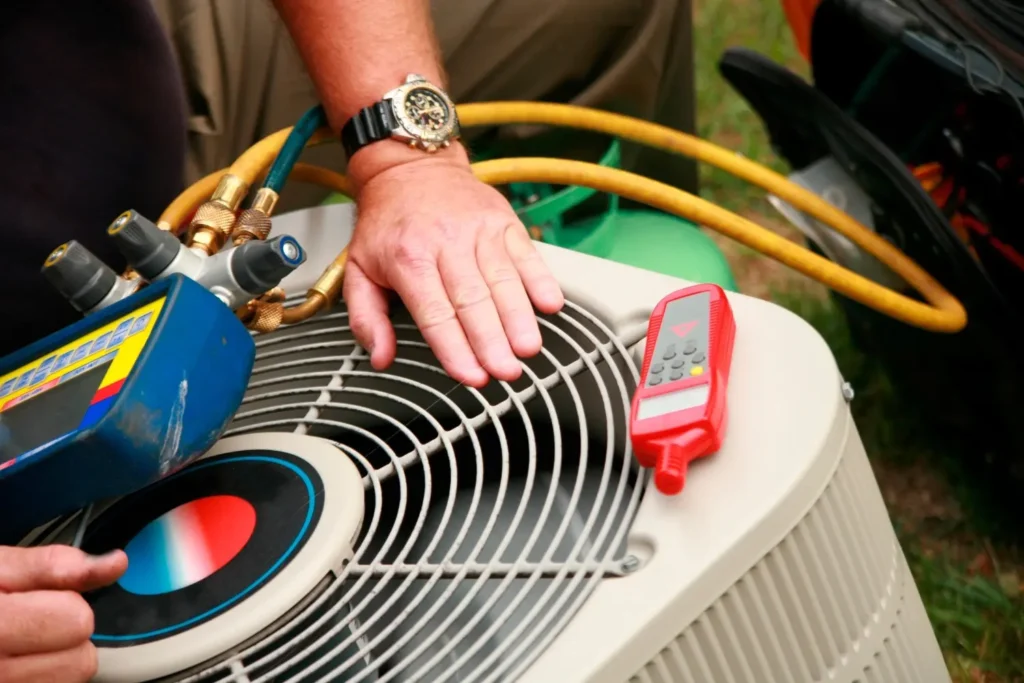
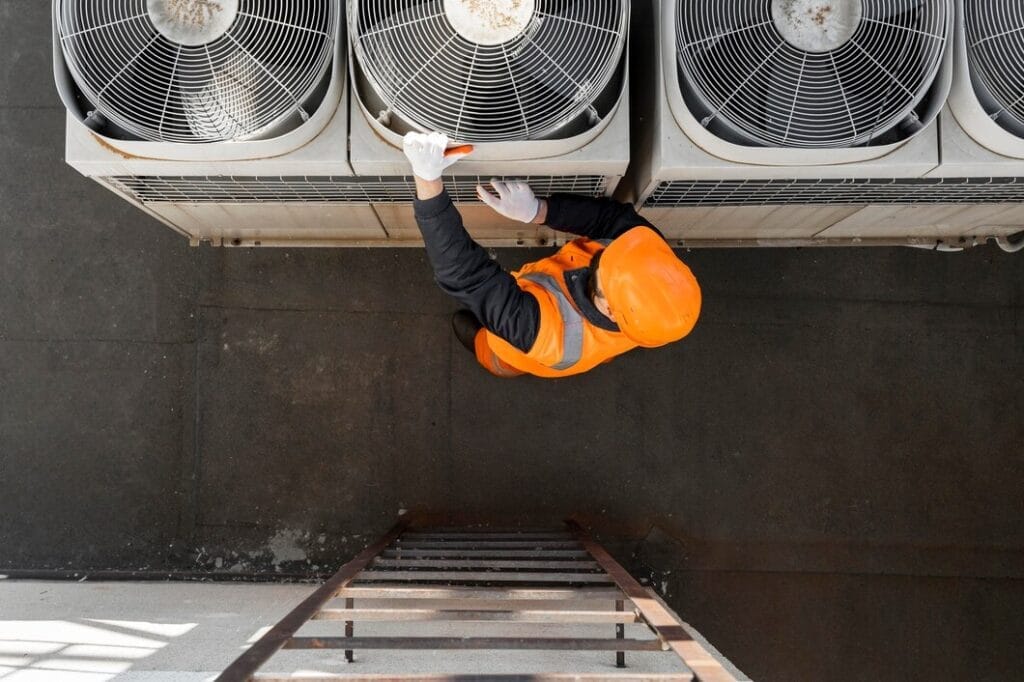
Regular maintenance ensures your HVAC system runs efficiently. Neglect can lead to unnecessary breakdowns and costly repairs. Routine checks are vital for prolonging system life.
It’s essential to address minor issues promptly. Left unattended, small problems can escalate quickly, affecting overall system performance.
Homeowners can handle some basic maintenance. However, others might require professional assistance. Recognizing the signs early on can save time and expenses in the long run.
Here’s a simple list of maintenance tasks to consider:
- Change or clean air filters every month.
- Inspect the thermostat settings for accuracy.
- Check for leaks or unusual noises.
- Clean the HVAC system components, like coils and fans.
- Schedule professional inspections annually.
These tasks help ensure optimal performance and efficiency.
Regular Maintenance and Seasonal Preparation
Seasonal preparation is key to preventing unexpected HVAC failures. Before summer, service the air conditioner for efficient cooling. Ensure that vents and ducts are clear of obstructions.
In winter, focus on heating. Check furnaces and boilers for any wear or damage. Perform routine inspections to ensure reliable operation throughout the season.
Regular maintenance keeps your system ready for extreme weather conditions. It helps avoid last-minute, costly repairs during the hottest or coldest months.
When to Call a Professional
Some HVAC issues require expert attention. If your system isn’t heating or cooling effectively, it’s time to call a professional.
Unusual noises or persistent system errors should also prompt a call. Seeking expert help ensures safety and prevents further damage.
Conclusion: Understanding HVAC and the Value of Professional HVAC Services
Investing in professional HVAC services ensures your system operates at peak efficiency. Experts bring essential skills and insights that homeowners may lack. Their training enables them to identify and resolve issues swiftly.
Professional care prolongs the lifespan of your HVAC equipment. Routine servicing by experts can also improve energy efficiency, leading to cost savings. More importantly, it ensures the safety and comfort of your home or business.
When it comes to complex systems like HVAC, expertise matters. Professional services offer peace of mind, knowing your system is in capable hands.
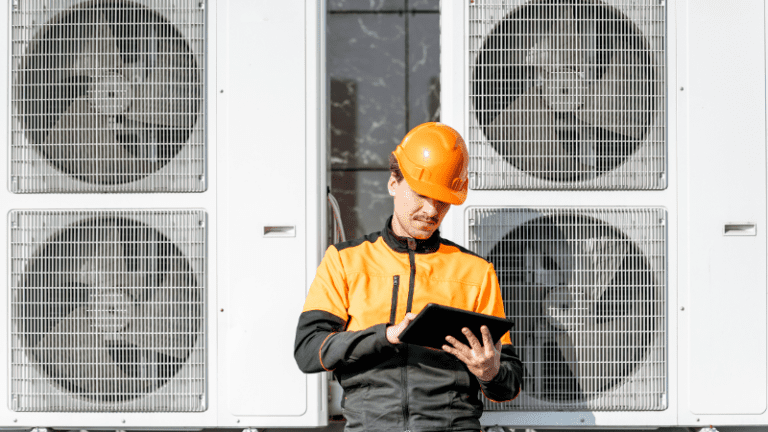
Why Trust a Professional with Your HVAC Needs
Relying on professionals guarantees thorough and precise service. They are well-versed in the latest industry codes and standards, ensuring compliance and optimal performance. Their knowledge helps avoid common pitfalls that homeowners might overlook.
Contact LC Heating and Air Conditioning for Expertise and Service
For reliable HVAC solutions, reach out to LC Heating and Air Conditioning. Our team of seasoned professionals is committed to delivering top-notch service for your heating and cooling needs.
Situated in Hollywood, we proudly serve the Los Angeles area, offering personalized solutions tailored to your specific requirements. Let us ensure your system functions flawlessly year-round.
Grasping HVAC basics in construction means understanding how heating, cooling, and ventilation systems are integrated into a building’s design. This knowledge helps choose the right equipment, improves comfort, and can lower energy costs.
FAQ:
What does HVAC mean in construction projects?
HVAC stands for Heating, Ventilation, and Air Conditioning — the system responsible for providing thermal comfort and maintaining indoor air quality in buildings.
Why is HVAC planning important in building design?
Proper HVAC planning ensures efficient airflow, correct equipment sizing, and effective integration of ductwork, which improves comfort, energy use, and long-term system performance.
What are the main components of an HVAC system?
Key components include the furnace or heat source, air conditioner or cooling unit, ventilation pathways (ducts, vents), filters, and control systems that work together to regulate temperature and air quality.
How does ventilation affect indoor environment quality?
Ventilation brings fresh outdoor air inside and removes stale air, helping control humidity, pollutant levels, and overall air quality for occupants.
What role do HVAC ducts play in construction?
Ducts distribute conditioned air throughout the building; proper layout and sealing are crucial to maintain efficiency and ensure balanced airflow.
How does HVAC impact energy efficiency in new buildings?
A well-designed HVAC system lowers energy consumption by matching load demands, optimizing airflow, and reducing waste — which can significantly cut utility costs over time.