TL;DR Summary for Those in a Hurry:
- Home Heating fundamentals explain what a furnace is and how it keeps your house warm by generating and distributing heat through ductwork or other systems.
- Furnaces are a core part of a home’s heating system and may use natural gas, electric coils, or other fuels to heat air that travels throughout your home.
- Understanding how furnaces work helps you choose the right system, maintain it better, and improve comfort and energy efficiency.
- To get the most from your furnace, pair proper equipment selection with timely maintenance and professional service.
When the cold weather sets in, a reliable home heating system becomes essential for comfort and safety. Central to many residential heating solutions is the furnace—an efficient device that has evolved over decades to provide warmth in our homes. In this article, we’ll delve into the intricacies of home heating furnaces, explore various types and functionalities, and offer guidance on choosing and maintaining the right system for your needs.
Introduction to Home Heating Furnaces
Home heating furnaces are a cornerstone of residential comfort, particularly in regions that experience cold winters. These systems are designed to efficiently heat homes by distributing warm air through a network of ducts. Most commonly integrated with a central air system, they offer a seamless solution for maintaining comfortable temperatures throughout a household.
The primary function of a furnace is to generate heat, which is then circulated through various rooms. This process starts with the furnace burning fuel or using electricity to produce heat. The heated air is then blown by a fan through a series of ducts. Understanding this basic operation helps homeowners appreciate the necessity of regular maintenance and the potential energy savings with efficient systems.
Furnaces can be powered by different fuel sources, including natural gas, propane, oil, and electricity. Each fuel type has its pros and cons, affecting factors like cost, efficiency, and environmental impact. As we explore further, it becomes clear that selecting the right type of furnace for your home is crucial for optimal performance and cost-effectiveness.
What is a Furnace? A Comprehensive Overview
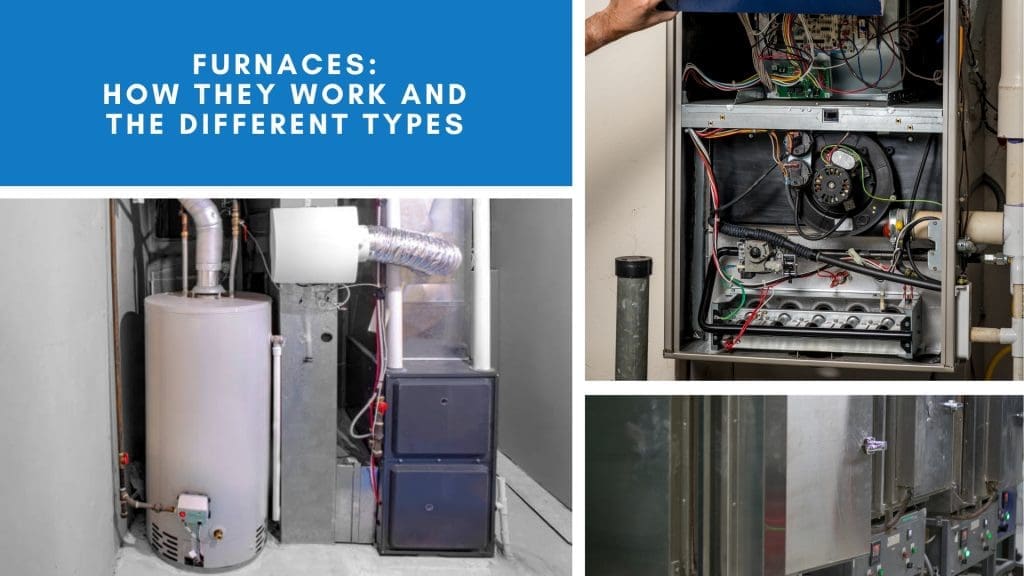
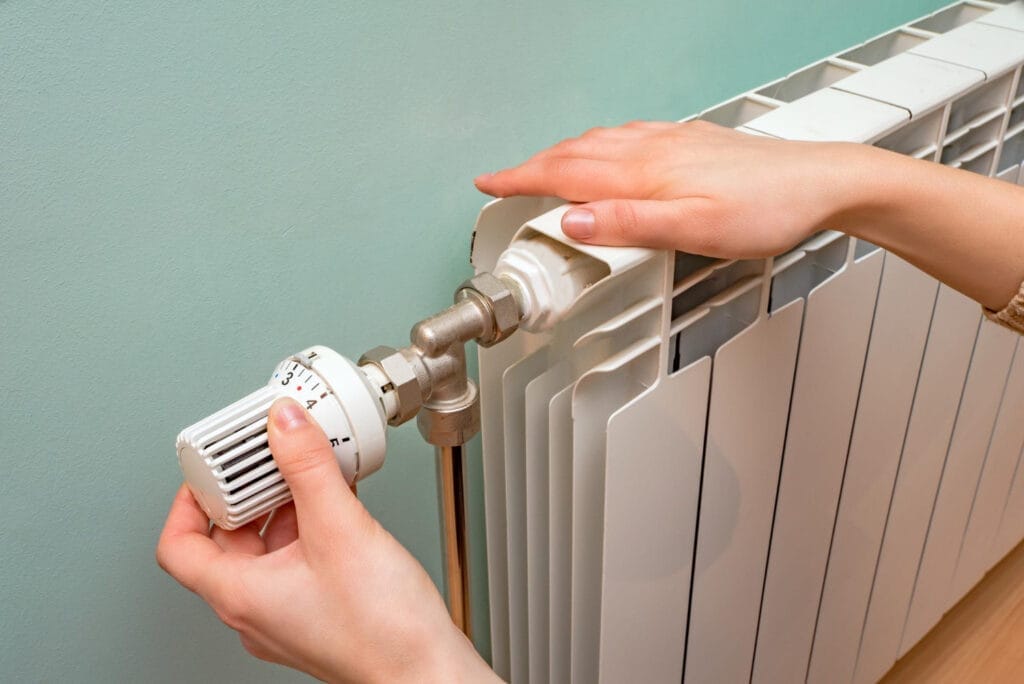
A furnace is an integral part of a home’s heating system, primarily responsible for producing and distributing heat. At its core, a furnace operates by heating air, water, or steam and then dispersing this warmth throughout the home. The specific method and technology used can vary significantly based on the type of furnace and the fuel source it relies on.
The most common type of furnace is the forced-air furnace, which uses a fan to circulate the heated air through a duct system. This warm air is then delivered to different parts of the house, ensuring a consistent and comfortable temperature. The efficiency of this process depends on the furnace’s ability to convert fuel into heat and the effectiveness of the ductwork in minimizing heat loss.
Understanding the technical specifications and function of a furnace allows homeowners to make informed decisions about their heating systems. Innovations in furnace technology continue to enhance performance, with modern models offering features like variable speed blowers, advanced filtration systems, and smart thermostat compatibility.
Types of Furnaces: Gas, Electric, and More
Furnaces can be categorized based on the type of fuel they use. Gas furnaces, powered by natural gas or propane, are among the most popular due to their efficiency and cost-effectiveness. They ignite the gas to produce flames that heat a metal heat exchanger, transferring the heat to the air. These furnaces are known for quick and robust heating capabilities, making them ideal for cold climates.
Electric furnaces, on the other hand, use electric resistance to generate heat. They are generally more expensive to operate than gas furnaces, but they offer a cleaner and simpler setup, as they don’t require venting or a combustion process. Electric furnaces are often considered in areas where electricity costs are lower or where gas supply is limited.
Oil furnaces represent another category, typically used in areas without access to natural gas. While generally less efficient than gas or electric models, they provide a viable heating solution for certain regions. Additionally, advancements in heating technology have introduced hybrid systems that combine heat pumps with furnaces, offering versatile and efficient heating options for diverse climates.
Forced-Air Furnaces: How They Work Efficiently
Forced-air furnaces are renowned for their efficiency and effectiveness in heating homes. They work by drawing air into the system, heating it via a heat exchanger, and then using a blower to distribute the warm air through ducts. This mechanism ensures rapid and even heat distribution across the home, making it a preferred choice for many homeowners.
One of the key factors that contribute to the efficiency of forced-air systems is the quality of the ductwork. Properly sealed and insulated ducts significantly reduce heat loss, ensuring that more of the generated heat reaches its intended destination. Additionally, modern forced-air furnaces are equipped with advanced blowers that can adjust their speed based on the home’s heating needs, optimizing energy usage.
Furthermore, forced-air systems allow for integration with air conditioning and air filtration systems, providing a comprehensive climate control solution. This flexibility, combined with their ability to quickly heat spaces, makes forced-air furnaces a highly efficient option for residential heating, delivering both comfort and energy savings.
Choosing the Right Furnace for Your Home
Selecting the right furnace for your home involves considering several key factors, including the size of your home, regional climate conditions, and available fuel sources. The furnace’s size, measured in BTUs (British Thermal Units), must be appropriate for the space it needs to heat. An undersized furnace will struggle to maintain a comfortable temperature, while an oversized unit can lead to inefficiencies and increased wear and tear.
The climate in your area also plays a significant role in determining the most suitable furnace type. In colder regions, a high-efficiency gas furnace might be the best option due to its ability to quickly and effectively heat the home. In milder climates, a heat pump or electric furnace may provide sufficient heating while offering benefits in cooling during warmer months.
Finally, the choice of fuel type is influenced by availability and cost. Natural gas is often the cheapest and most efficient option where accessible, while electricity may be preferred in areas with lower electrical rates or where renewable energy sources are available. Consulting with a professional HVAC specialist can help homeowners assess these factors and choose the best furnace for their specific needs and circumstances.
Furnace Maintenance: Tips for Optimal Performance
Regular maintenance is crucial for ensuring that a furnace operates at peak performance and for extending its lifespan. One of the simplest yet most effective maintenance tasks is regularly replacing or cleaning the furnace filters. Clogged filters restrict airflow, forcing the furnace to work harder and consume more energy, which can lead to premature wear and higher utility bills.
In addition to maintaining clean filters, it’s essential to schedule annual professional inspections and tune-ups. During these inspections, an HVAC technician can identify and resolve potential issues before they escalate into costly repairs. They will check components like the blower, heat exchanger, and thermostat to ensure everything functions efficiently and safely.
Homeowners should also be vigilant about signs of furnace trouble, such as unusual noises, inconsistent heating, or an increase in utility bills. Addressing these issues promptly can prevent more severe problems and ensure the furnace continues to provide reliable heating throughout the colder months.
Common Furnace Problems and Troubleshooting
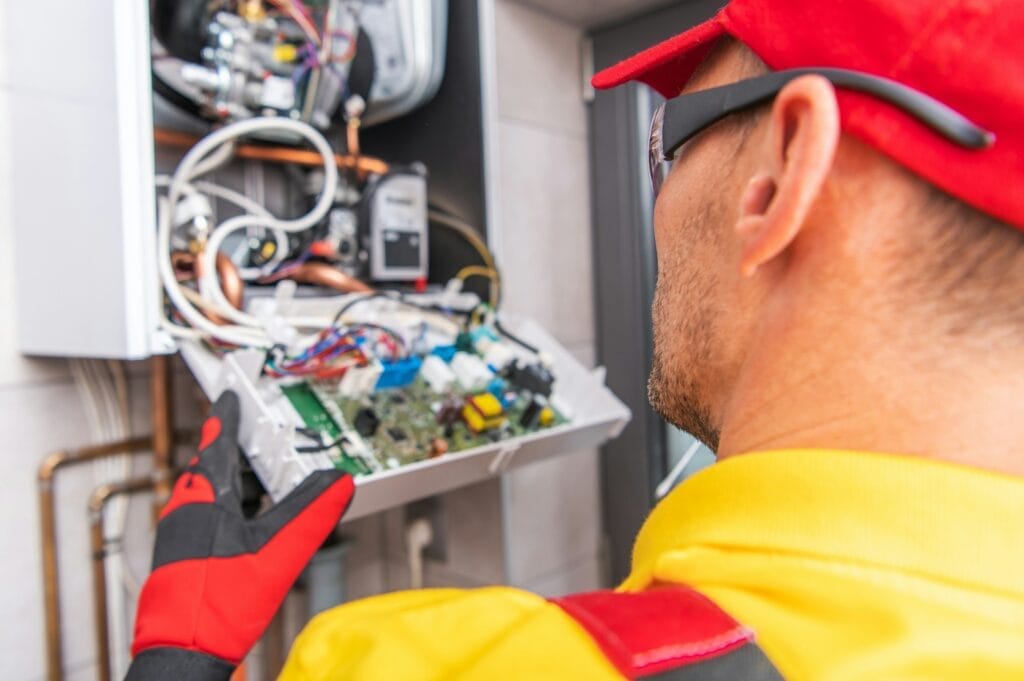
Furnaces, like any other home appliance, can encounter issues that disrupt their performance. Common problems include a malfunctioning thermostat, ignition failures, and blower motor issues. A faulty thermostat can lead to irregular heating cycles, while problems with the ignition system might prevent the furnace from producing heat altogether.
To troubleshoot these issues, homeowners can start by checking and replacing the thermostat batteries, ensuring the thermostat is set to the correct mode, and inspecting the circuit breaker for tripped switches. If these basic steps do not resolve the issue, it may be necessary to contact a professional HVAC technician for a more thorough diagnosis and repair.
Another frequent issue is poor airflow, often caused by dirty filters or blocked vents. Ensuring that these components are clean and unobstructed can significantly improve furnace performance. However, if airflow problems persist, it may indicate a more complex issue within the ductwork or blower assembly, requiring professional attention.
Benefits of Modern Furnaces in Home Heating
Modern furnaces offer numerous advantages over older models, including improved energy efficiency, enhanced performance, and advanced features. High-efficiency furnaces, often rated with an AFUE (Annual Fuel Utilization Efficiency) of 90% or higher, can significantly reduce energy consumption and lower utility bills, making them a cost-effective choice over time.
In addition to efficiency gains, contemporary furnaces come equipped with features like variable-speed blowers, which adjust the airflow to meet the home’s heating needs more precisely. This not only enhances comfort by maintaining a consistent temperature but also reduces wear and tear on the furnace components, extending the system’s lifespan.
Furthermore, modern furnaces often integrate seamlessly with smart home technology, allowing homeowners to control and monitor their heating remotely. This capability can lead to more efficient energy use and personalized comfort settings, aligning with the lifestyle and preferences of today’s tech-savvy homeowners.
FAQ: Understanding Home Heating and Furnaces
What is a forced-air furnace?
A forced-air furnace is a type of heating system that uses a blower fan to distribute warm air through ducts to heat different areas of a home. It commonly uses gas, oil, or electricity as a fuel source to generate heat.
How often should I change my furnace filter?
Furnace filters should be checked monthly and replaced every 1-3 months, depending on usage and the type of filter. Regular replacement ensures optimal airflow and efficiency.
What are the signs my furnace needs repair?
Signs that a furnace may require repair include unusual noises, inconsistent heating, frequent cycling on and off, and increased heating bills. If you notice any of these symptoms, it’s advisable to contact a professional technician.
How LC HVAC in Hollywood Enhances Heating Solutions
LC HVAC in Hollywood offers expert furnace installation and maintenance services that ensure your home remains comfortable and energy-efficient. Their team of experienced technicians provides comprehensive assessments to recommend the best heating solutions tailored to your specific needs, whether you’re installing a new system or upgrading an existing one.
In addition to installation, LC HVAC emphasizes the importance of regular maintenance to keep furnaces running smoothly. They offer routine check-ups and tune-ups, focusing on optimizing performance and preventing potential issues. This proactive approach helps homeowners avoid unexpected breakdowns and extends the life of their heating systems.
LC HVAC also stays ahead of the latest advancements in furnace technology, providing customers with access to modern, high-efficiency systems that reduce energy consumption and enhance comfort. With a commitment to quality service and customer satisfaction, LC
Furnaces are central to home heating and warm indoor air by pulling in cool air, heating it, and distributing it throughout your space. Knowing how they operate and selecting the right type helps boost comfort and reduce energy waste.
FAQ:
What is a furnace and how does it work?
A furnace is the main component of a home heating system that warms air using fuel (like gas or electricity) and distributes it through ducts or vents to heat your living spaces.
What types of furnaces are available for home heating?
Common furnace types include gas, electric, and oil models—each with different efficiency levels and operating costs based on fuel type and technology.
How do I know if my furnace needs maintenance?
Signs your furnace needs attention include unusual noises, uneven heating, rising energy bills, frequent cycling, or weak airflow—all of which warrant professional inspection.
How often should I replace my furnace filter?
Furnace filters should generally be checked monthly and replaced every 1–3 months, depending on use, pets, and indoor air quality needs.
What efficiency rating should I look for in a home furnace?
Look at the AFUE (Annual Fuel Utilization Efficiency) rating; higher AFUE means better energy efficiency, lower heating costs, and improved performance.
Can a furnace improve indoor air quality?
Yes—when paired with proper filters and regular maintenance, a furnace can help reduce dust and allergens circulating through your home.