TL;DR Summary for Those in a Hurry:
- Electric Furnace Sequencer troubleshooting helps you identify why your electric furnace isn’t heating properly by focusing on the sequencer, a key component that controls heating elements.
- This guide explains common symptoms of sequencer failure, such as uneven heat or weak airflow, and what to check first.
- Simple diagnostic steps can help you determine if the sequencer is at fault or if other components may be involved.
- Knowing how to troubleshoot quickly can save time and help you decide whether repair or professional service is needed.
When your electric furnace acts up, it can be a real headache. Especially when you’re juggling work, kids, or running a business.
Understanding the basics of electric furnace sequencer troubleshooting can save you time and stress.
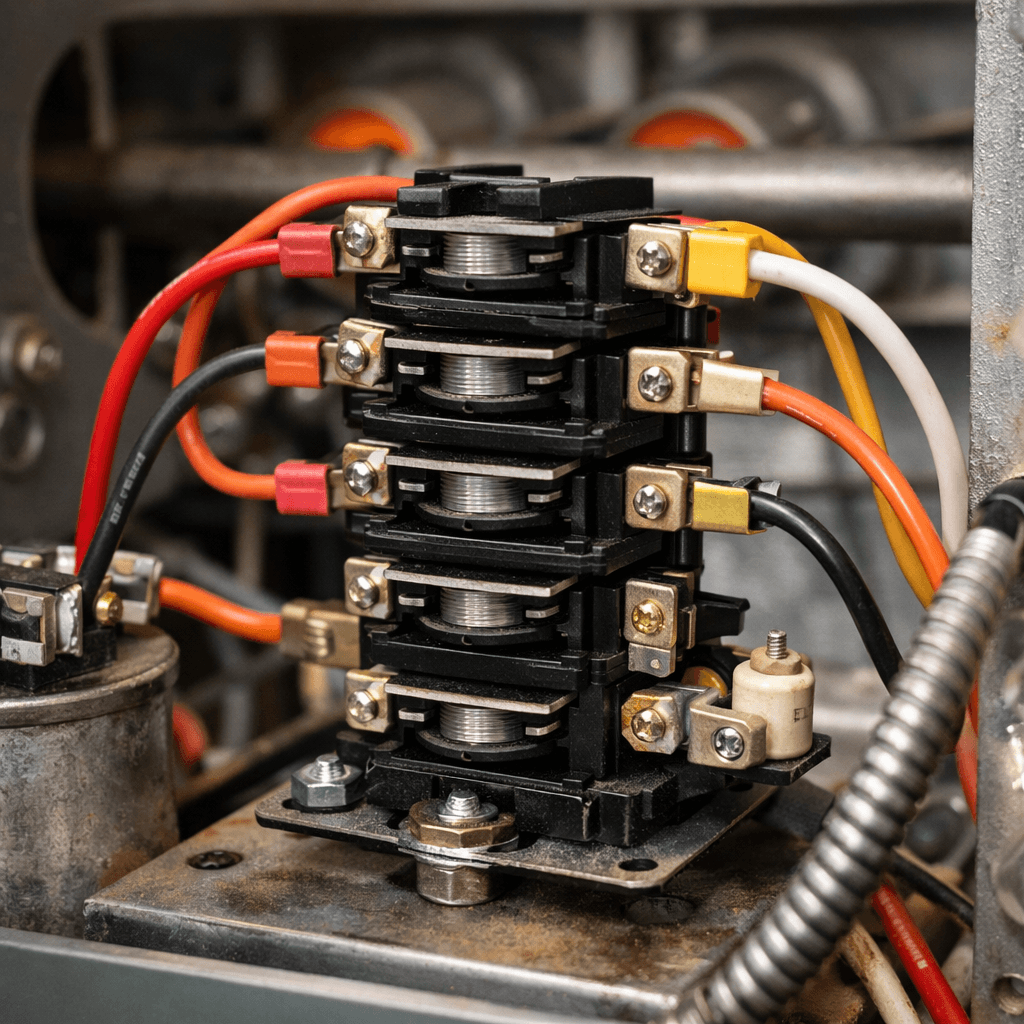
A sequencer is a key component in your electric furnace. It controls the heating elements, ensuring they turn on and off in the right order.
When the sequencer malfunctions, it can lead to uneven heating or the furnace not working at all.
This guide will walk you through the steps to troubleshoot your electric furnace sequencer. We’ll cover everything from identifying issues to testing with a multimeter.
Safety is our top priority, so we’ll also discuss precautions to take before you start.
Whether you’re a stay-at-home mom, a small business owner, or working from home, this guide is for you.
And remember, if you need professional help, LC Heating and Air Conditioning Hollywood is just a call away at (818) 858-7080.
Summary
This guide explains what an electric furnace sequencer is, why it matters for safety, efficiency, and comfort, and how to recognize signs of failure. It covers safety preparation, essential tools, wiring diagram basics, and step-by-step multimeter testing to diagnose issues. You’ll also find common sequencer-related problems, when to call a professional, maintenance tips, replacement steps, and typical costs. For expert assistance, LC Heating and Air Conditioning Hollywood is available at (818) 858-7080.
What Is an Electric Furnace Sequencer and Why Does It Matter?
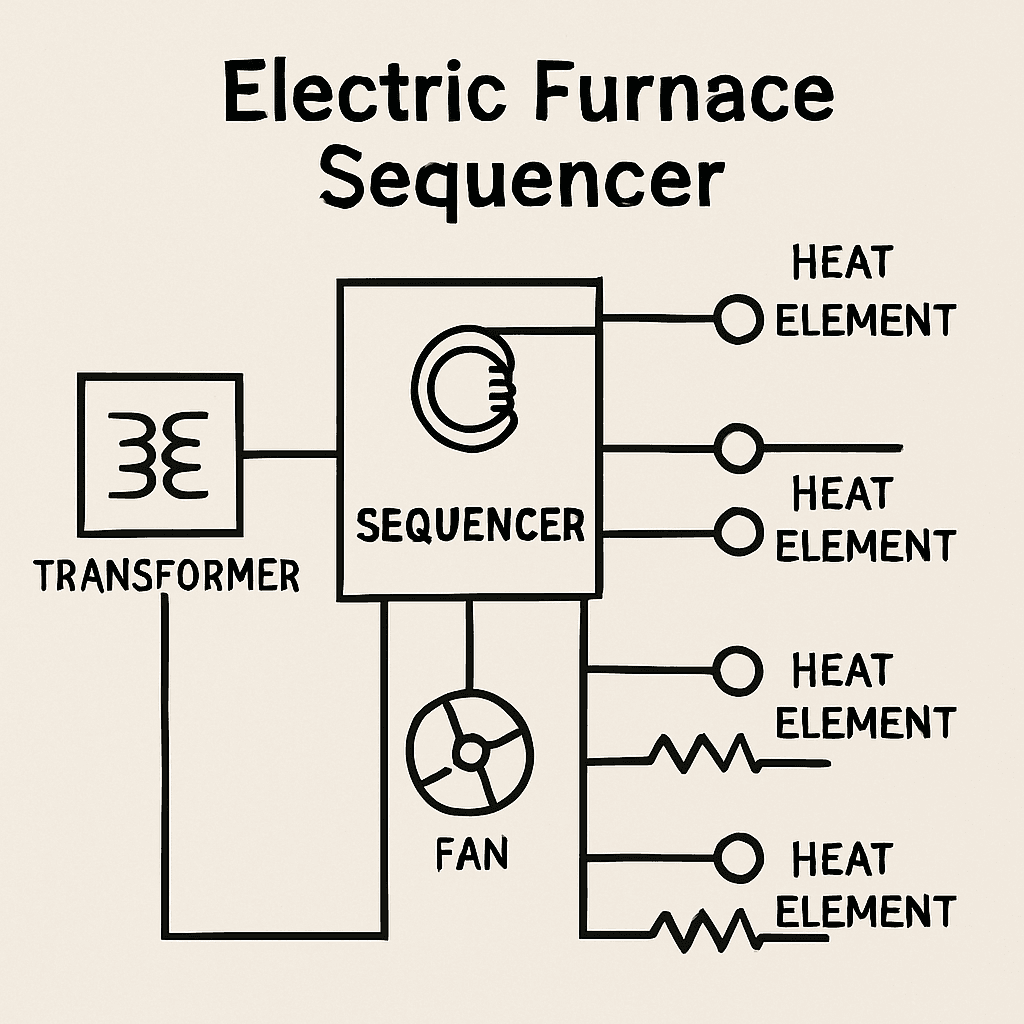
An electric furnace sequencer is a device that manages the timing of electrical components in your furnace. It’s essential for efficient and safe operation.
By controlling when each heating element turns on and off, the sequencer prevents electrical overloads. It helps to ensure that your home or business heats evenly and efficiently.
Without a functioning sequencer, your electric furnace might not operate correctly. You could experience problems like cold spots or, in some cases, no heat at all.
Here’s why the sequencer is vital:
- Efficiency: Ensures elements heat in sequence.
- Safety: Prevents electrical overloading.
- Comfort: Maintains even home heating.
A well-functioning sequencer also impacts your energy bills. Problems with the sequencer can lead to energy waste, driving costs up.
Understanding this small but powerful component can make a big difference. Ensuring it functions correctly is key to a comfortable and cost-effective environment.
Signs Your Electric Furnace Sequencer Needs Attention
Spotting the signs of a faulty sequencer early can save you from bigger problems down the road. An electric furnace sequencer on the fritz might exhibit several telltale symptoms.
One major sign is uneven heating throughout your space. If some rooms feel cold while others are toasty, the sequencer might be out of sync. Another warning sign is if your furnace fails to turn on at all.
Listen for unusual noises coming from your furnace. Clicking or buzzing could indicate that the sequencer is struggling. It’s trying but failing to complete its job effectively.
Look out for these common signs:
- Uneven room temperatures
- Furnace not turning on
- Unusual noises
- Frequent circuit breaker trips
Being aware of these signs can help you catch problems before they escalate. Quick action can prevent unnecessary discomfort and high energy bills. If these issues arise, consider contacting a professional for a thorough inspection.
Safety First: Preparing for Troubleshooting
Before diving into electric furnace repairs, prioritize safety. Handling electrical components requires caution to avoid hazards. Never underestimate the value of thorough preparation.
Start by turning off the power to your furnace at the circuit breaker. This crucial step prevents any accidental electrical shocks during inspection. Ensure your workspace is well-lit to see clearly as you work.
Use the proper protective gear, such as insulated gloves and goggles, to shield yourself from any unexpected incidents. Clear the area around the furnace to prevent unnecessary obstructions. Make sure children and pets are kept away for their safety and yours.
Here’s a quick checklist for safe troubleshooting:
- Turn off power at the breaker
- Use protective gear
- Ensure good lighting
- Clear surrounding area
Safety should always be your top priority when dealing with electrical repairs. Take the time to prepare correctly and you’ll minimize risks effectively.
Tools You’ll Need for Troubleshooting Electric Furnace Sequencer
To troubleshoot your electric furnace sequencer effectively, you’ll need the right tools. Having them handy ensures the process is smooth and efficient. Don’t worry; the tools are simple and affordable.
A multimeter is essential for testing electrical components, including the sequencer. It helps diagnose any issues in circuits. A screwdriver, particularly one with an insulated handle, will assist in removing and securing panels and wires. Needle-nose pliers are useful for handling tight areas. Always keep a flashlight for those dimly lit spots inside the furnace.
Here’s your tool checklist:
- Multimeter
- Insulated screwdriver
- Needle-nose pliers
- Flashlight
Armed with these tools, you’ll be ready to address any issues that crop up with your furnace’s sequencer. Remember, the right tool can make all the difference.
Step-by-Step Guide: Troubleshooting Electric Furnace Sequencer
Getting hands-on with your furnace sequencer might seem daunting, but with a little guidance, you can handle it. Let’s dive into a detailed step-by-step guide to ease the process.
Step 1: Power Down
First and foremost, safety is key. Begin by switching off the power supply. Locate your home’s breaker box and turn off the electricity to the furnace. This prevents any risk of electric shock.
Step 2: Access the Furnace
With power off, remove the furnace panel. This step will expose the inner workings of your furnace. Use your screwdriver to remove any screws securing the panel.
Step 3: Identify the Sequencer
Locate the sequencer within the furnace. It’s usually a small, rectangular box with several wires attached. If unsure, consult your furnace’s manual.
Step 4: Inspect Visually
Next, perform a visual check. Look for any burnt wires or connections. These signs can indicate issues with the sequencer or other components.
Step 5: Test with Multimeter
This is where your multimeter comes into play. Set it to the continuity setting. Place the probes on the sequencer terminals to check for continuity. If there’s no continuity, it may be faulty.
Step-by-Step Testing:
- Attach multimeter probes to sequencer terminals
- Check for continuity readings
- Note non-responsive terminals
Step 6: Assess Connections
Check all wire connections for tightness and corrosion. Loose or dirty connections can hinder the sequencer’s operation. Tighten loose wires and clean off any corrosion.
Step 7: Reassemble and Test Furnace
If everything checks out, replace the panel and restore power. Turn on the furnace and observe its operation to see if the issue persists.
By following these steps, you can troubleshoot your electric furnace sequencer effectively. However, always prioritize safety and contact professionals if you’re uncertain about any task. At LC Heating and Air Conditioning Hollywood, we’re here to assist whenever needed—give us a call at (818) 858-7080 if you’d like expert help.
Understanding the Sequencer’s Wiring Diagram
Navigating a sequencer’s wiring diagram might feel a bit like deciphering a puzzle. However, knowing how to read it can simplify troubleshooting. Let’s break it down for clearer understanding.
A typical wiring diagram showcases how different components in the furnace are connected. It includes the sequencer, heating elements, and thermostat, along with their pathways. These visual aids help you comprehend how your furnace operates.
Key Points in Reading Diagrams:
- Identify Components: Locate parts like the sequencer, thermostat, and heating elements.
- Follow Connections: Trace wires to understand electrical paths.
- Note Key Symbols: Look for symbols denoting specific electrical components.
Mastering the wiring diagram empowers you to spot potential problems. This skill could aid in diagnosing issues, allowing for quick and effective fixes. Remember, handling electrical systems requires care—contact a professional if you’re ever in doubt. Our team at LC Heating and Air Conditioning Hollywood is ready to assist.
Testing the Sequencer with a Multimeter
Testing the sequencer with a multimeter is crucial for pinpointing faults. It’s an accurate way to confirm if your sequencer is malfunctioning. Here’s how to proceed.
First, ensure your furnace is off and unplugged. This precaution is vital to safely handle the electrical components. Next, locate the sequencer within your furnace setup.
A multimeter, an essential tool, allows for various readings. Set your multimeter to measure ohms. This setting will enable you to test the continuity of the circuit.
Steps to Test the Sequencer:
- Attach Probes: Connect the multimeter probes to sequencer terminals.
- Check Readings: Look for continuous readings between 20 and 60 ohms.
- Evaluate: Infinite or zero ohms could indicate a faulty sequencer.
A functioning sequencer should show specific readings. Any deviations could mean it’s time for a replacement. If the multimeter test confirms your suspicions, and the problem persists, reaching out to a professional may be the best course of action. At LC Heating and Air Conditioning Hollywood, we’re eager to help ensure your system runs smoothly.
Common Electric Furnace Issues Related to the Sequencer
The sequencer plays a critical role in managing your furnace’s operations. When it fails, it can cause a variety of problems. Recognizing these issues early can save time and money.
Some signs of a malfunctioning sequencer include:
- Uneven Heating: Rooms might heat unevenly or not at all.
- Furnace Won’t Turn On: The system may not start despite the thermostat’s settings.
- Short Cycling: The furnace may turn on and off too quickly.
A faulty sequencer can even impact your energy bill. If the sequencer doesn’t manage the heating elements correctly, it can lead to unnecessary energy consumption. Understanding these common problems helps in deciding when to troubleshoot the system or call in a professional. Regular maintenance checks often identify these issues before they worsen, ensuring efficient and safe furnace operation. Remember, for any persistent furnace concerns, LC Heating and Air Conditioning Hollywood is just a call away at (818) 858-7080.
When to Call a Professional for Electric Furnace Issues
Knowing when to seek professional help can save both stress and money. While troubleshooting steps can help with minor issues, some situations demand expert intervention.
Consider calling a professional if you encounter:
- Burning smells or smoke
- Repeated furnace shutdowns
- Loud or strange noises
These signs suggest deeper issues that need expert eyes. DIY fixes might overlook underlying problems leading to bigger issues over time. Plus, professional technicians have the right tools and training to diagnose and remedy complex issues safely and effectively. For seamless and stress-free services, you can always rely on LC Heating and Air Conditioning Hollywood. Give us a call at (818) 858-7080, and we’ll take care of the rest!
Electric Furnace Maintenance Tips to Prevent Sequencer Problems
Preventing sequencer problems before they happen is smart. Regular maintenance plays a significant role in keeping your electric furnace running smoothly. Simple steps can extend the lifespan of your system.
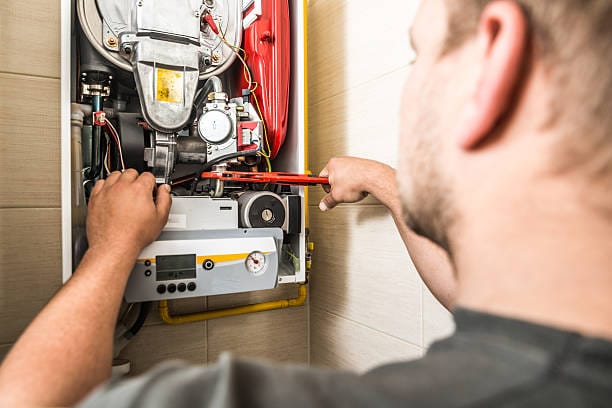
Start by setting a maintenance schedule. Consistent check-ups ensure every component, including the sequencer, remains in prime condition. Dust and debris can lead to overheating and failures, so keep the furnace area clean.
Here are practical tips for regular electric furnace maintenance:
- Check and replace air filters every 1-3 months.
- Inspect and clean heating elements annually.
- Ensure electrical connections are tight.
Always monitor performance for irregularities. Reduced efficiency or strange noises indicate something needs attention. Addressing minor issues early prevents costly repairs down the line. For optimal furnace health, consider a professional HVAC maintenance service. Technicians can offer comprehensive check-ups, ensuring no stone is left unturned. A little foresight can save considerable effort and guarantee a warm, comfortable home or business.
Replacing a Faulty Sequencer: What to Know
Replacing a faulty sequencer requires patience and precision. It’s an integral part of your electric furnace’s operation, so ensuring proper installation is crucial. Before starting, acquire a compatible sequencer for your furnace model to prevent any mismatches.
Here’s a quick guide on what to do:
- Begin by turning off the power to your furnace.
- Carefully remove the faulty sequencer, noting wire connections.
- Install the new sequencer by following your notes.
After installation, recheck connections to ensure they’re secure. Power up your furnace and observe its operation. If issues persist, it might be time to contact a professional. For all your electric furnace issues, remember that our team at LC Heating and Air Conditioning Hollywood is ready to assist you.
The Cost of Sequencer Repairs and Replacements
Understanding the costs involved in sequencer repairs or replacements is vital. It helps you plan effectively and avoid unexpected expenses. Generally, these costs can vary based on several factors.
Here’s a simplified breakdown of potential costs:
- New sequencer: $30 to $60
- Labor and service fees: $75 to $150 per hour
Costs can escalate if other furnace components need attention. To ensure you’re getting the best value for your money, consider reaching out to professionals like us at LC Heating and Air Conditioning Hollywood. We provide clear, upfront pricing with no hidden fees, ensuring customer satisfaction every step of the way.
Why Choose LC Heating and Air Conditioning Hollywood for Your Furnace Needs?
Choosing the right HVAC professional matters. At LC Heating and Air Conditioning Hollywood, we pride ourselves on our commitment to quality and customer satisfaction. Our skilled team handles your furnace needs with care and expertise.
Here’s why customers trust us:
- Reliable service and prompt response
- Experienced technicians with local know-how
- Transparent pricing and detailed estimates
Whether it’s a routine check or a complex repair, we’ve got you covered. Call us at (818) 858-7080 for expert help.
Conclusion: Keep Your Home or Business Comfortable Year-Round
Maintaining your electric furnace is crucial. Understanding how to troubleshoot the sequencer ensures a reliable HVAC system. Regular maintenance and timely repairs keep your home or business cozy.
Don’t let furnace issues disrupt your life. For dependable service, reach out to LC Heating and Air Conditioning Hollywood. Our expert team is ready to help, ensuring year-round comfort.
Troubleshooting the electric furnace sequencer lets you pinpoint electrical heating issues faster, improve system performance, and decide when to call a technician.
FAQ:
What is an electric furnace sequencer?
An electric furnace sequencer is a control device that manages the sequence in which heating elements turn on, helping the furnace heat smoothly and preventing power surges.
What are common signs the sequencer is failing?
Signs of sequencer issues include uneven heating, weak warm air, burners not engaging in order, or the furnace not producing heat at all.
Can I troubleshoot a sequencer myself?
Some basic checks (like ensuring power is off before inspection and visually inspecting for burns or corrosion) can be done yourself, but diagnosing electrical components safely often requires a qualified HVAC technician.
What tools do I need to check a furnace sequencer?
Basic tools include a multimeter to test continuity, a screwdriver for panel access, and safety gear; always ensure the system is powered off before testing.
Could a bad sequencer damage other furnace parts?
Yes — if a sequencer malfunctions it can cause uneven heating element wear, stress on wiring or contactors, and may lead to more extensive electrical problems if left unaddressed.
When should I call a professional for sequencer issues?
If troubleshooting steps don’t identify the problem, the sequencer tests faulty, or you see signs of electrical damage, contacting an HVAC technician ensures safe and accurate repair or replacement.