TL;DR Summary for Those in a Hurry:
- HVAC System tips for 2025 focus on choosing the right new equipment that meets modern efficiency standards and enhances comfort in Los Angeles.
- Upgrading to newer systems can improve energy efficiency and reduce utility costs thanks to smarter technology and stricter performance expectations.
- New HVAC solutions often include features like advanced controls, better air quality management, and compatibility with eco-friendly refrigerants.
- Understanding trends and proper sizing helps you make informed decisions that boost home comfort and long-term savings.
Hello neighbors! From our family here at LC Heating and Air on Fairfax Avenue, we know that a sudden HVAC breakdown can be stressful. The first question on everyone’s mind is, “What’s this going to cost me?” You get a repair quote that seems high, and then you see the price for a new system and think, “I’ll just fix it.”
But here in California, the math isn’t that simple. As your local Hollywood HVAC experts, our job is to do more than just fix problems; it’s to make sure you’re comfortable in your home no matter the weather, without breaking the bank in the long run. Often, that means making the smarter long-term investment.
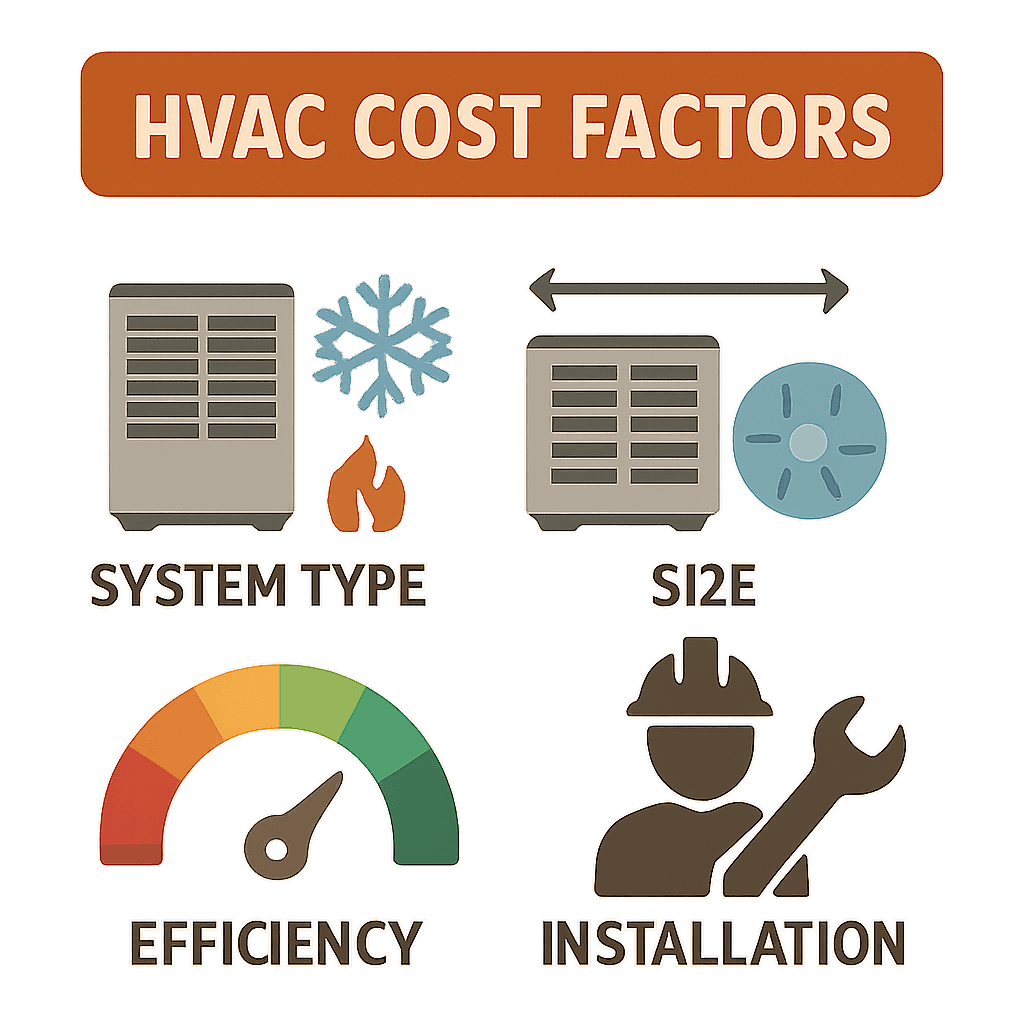
Let’s break down why replacing your old air conditioner and furnace can actually be the more affordable choice in Los Angeles.
The California Energy Factor: Your Biggest Hidden Cost
The single biggest reason the “repair vs. replace” debate is different here is the price we pay for energy. Southern California Edison (SCE) and SoCalGas rates are among the highest in the nation. Running an old, inefficient HVAC system is like driving a classic car that only gets 8 miles per gallon—the fuel costs will kill you.
What is a SEER Rating and Why Does it Matter in LA?
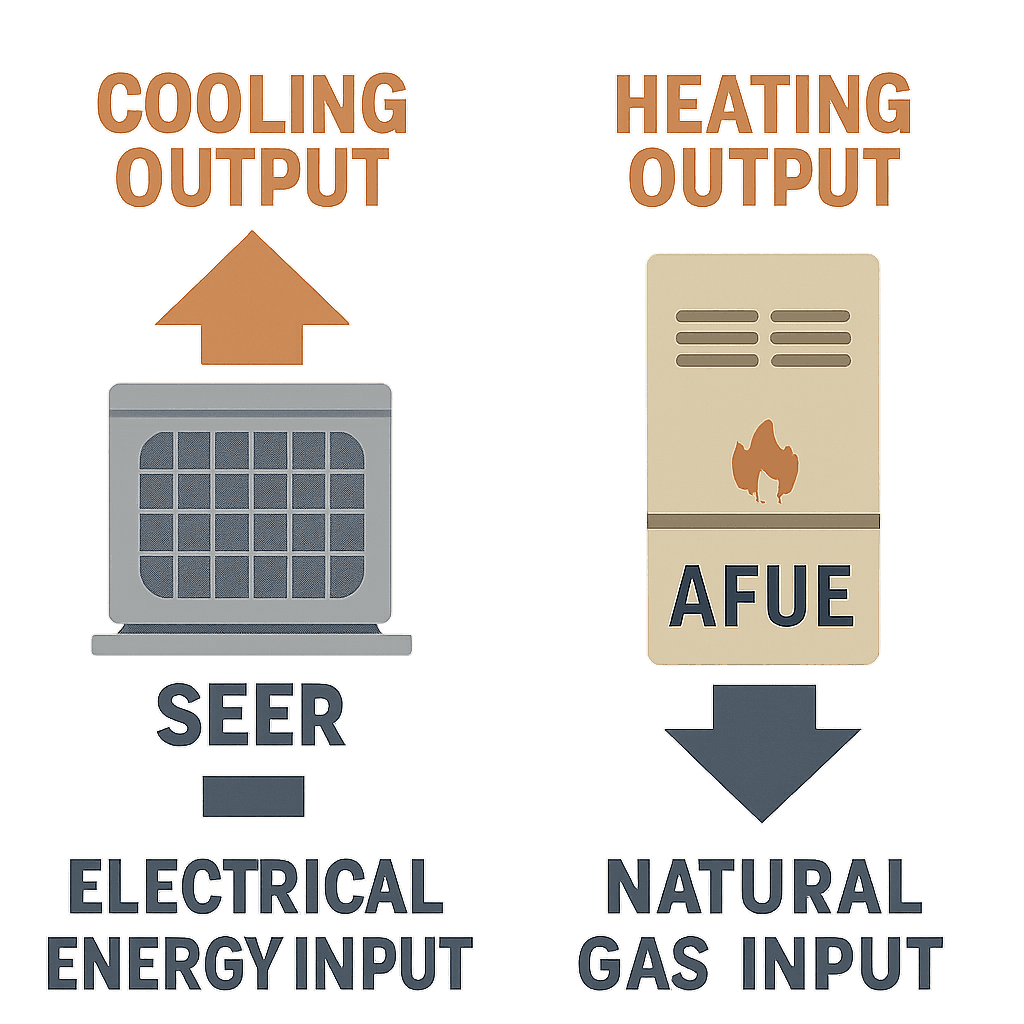
- SEER (Seasonal Energy Efficiency Ratio) is the “MPG” rating for your air conditioner. The higher the number, the less electricity it uses to cool your home.
- Old Systems (15+ years): An old unit might be an 8-10 SEER.
- New Systems (Today’s Standard): A new, high-efficiency system can be a 20 SEER or higher.
An 18 SEER unit uses half the electricity of a 9 SEER unit to produce the same amount of cool air. For a Hollywood homeowner, upgrading can mean saving $50, $80, or even over $100 per month during the summer. Those savings alone can finance the cost of a new system over its lifespan.
The Game Changer: Understanding the HVAC Refrigerant Phase-Out
You’ve probably heard about “Freon” being phased out. But the story is more complex, and it directly impacts the cost of your repairs. This is one of the most common long-tail keyword searches we see: “cost to recharge R-22 freon in California.” The answer is: a lot.
The End of R-22 (Freon)
If your AC system was installed before 2010, it likely uses R-22 refrigerant. As of 2020, R-22 is banned from production in the U.S. due to its damage to the ozone layer. The only supply is recycled, making it incredibly expensive. A simple leak repair that requires an R-22 recharge can cost $1,000 to $2,000, and you’re still left with an old, inefficient machine.
The Coming R-410A Phase-Out
Systems made between 2010 and 2023 use R-410A refrigerant. While better for the ozone, it’s a potent greenhouse gas. Because of this, the government has mandated a new phase-out. As of January 1, 2025, new residential systems using R-410A can no longer be manufactured.
What this means for you: Investing thousands of dollars to repair an R-410A system today is like buying a brand-new DVD player. You’re putting money into technology that is already obsolete. In a few years, R-410A will become just as expensive and hard to source as R-22 is now. A new system uses the next generation of eco-friendly A2L refrigerants like R-32 and R-454B, future-proofing your investment.
Is It Worth Fixing My Gas Furnace? The AFUE & Safety Equation
This logic doesn’t just apply to air conditioners. When considering if you should replace your gas furnace in Southern California, two factors are critical: efficiency and safety.
What is AFUE and How Does it Affect Your SoCalGas Bill?
AFUE (Annual Fuel Utilization Efficiency) is the “MPG” for your furnace. An old furnace from the 90s might have an 80% AFUE, meaning 20 cents of every dollar you spend on gas is wasted up the flue. A new, high-efficiency furnace can have a 96% AFUE, wasting only 4 cents per dollar. That’s a huge difference on your winter gas bills.
The Critical Safety Risk: Cracked Heat Exchangers
The most important part of your furnace is the heat exchanger. This metal wall is the only thing separating the fire inside your furnace from the air you breathe. Over years of use, it can crack. A cracked heat exchanger can leak deadly, odorless carbon monoxide into your home. This isn’t just a breakdown; it’s a life-threatening emergency. On an older unit, the cost to replace a heat exchanger is so high that it almost always makes more sense to replace the entire furnace.
Don’t Leave Money on the Table: California’s Rebates and Incentives
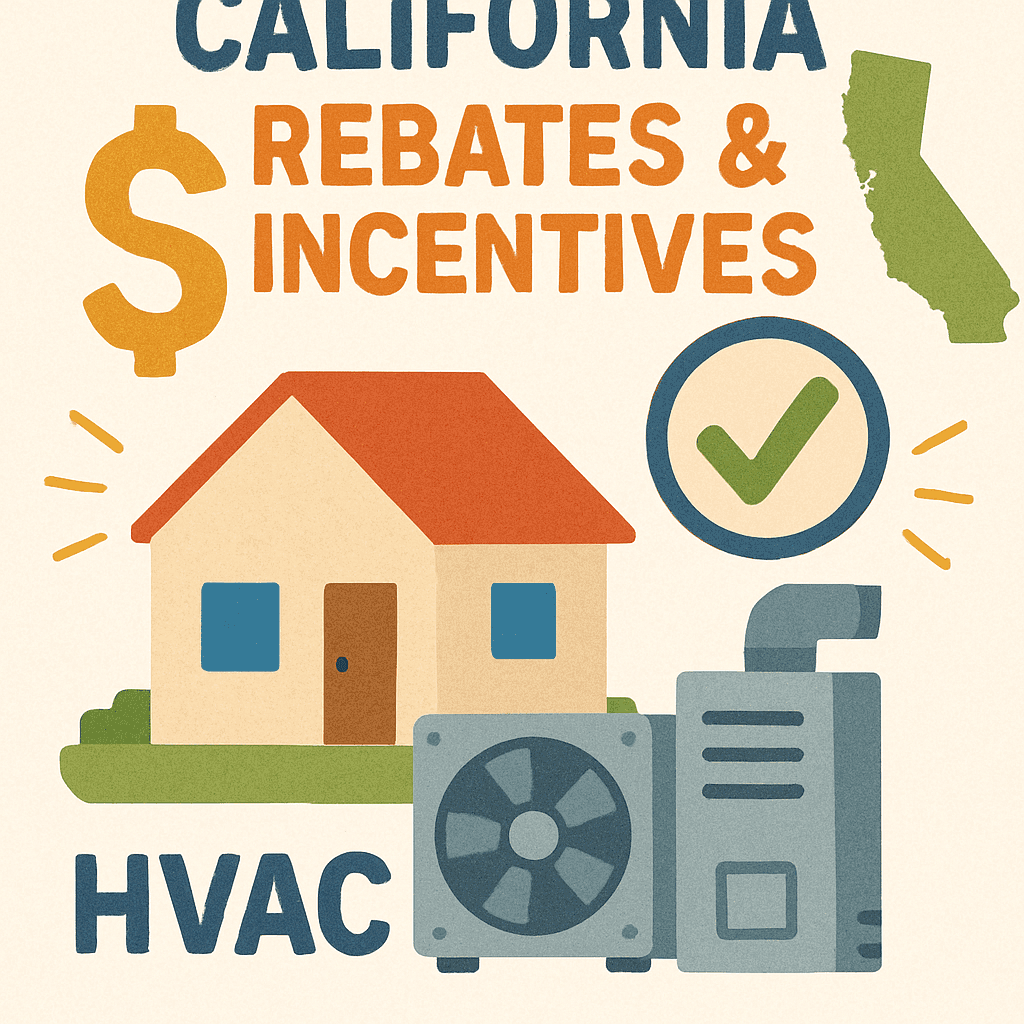
To fight climate change and ease the strain on our power grid, California offers incredible financial incentives to upgrade your system. You get zero rebates for repairing an old unit.
Major programs like TECH Clean California and local utility rebates can provide thousands of dollars back in your pocket for installing a new, high-efficiency heat pump (which provides both heating and cooling). These incentives can dramatically lower the upfront cost of a new system, often bringing it much closer to the cost of a major repair.
The Online Marketplace Trap: When a New Mini-Split Costs Less Than a Repair
As your local Hollywood HVAC team, we’re seeing a new trend that turns the repair/replace logic on its head. The low prices on mini-split systems from marketplaces like Amazon, Temu, or AliExpress can be incredibly tempting for a small room or an ADU. But there’s a hidden catch.
The Parts Paradox: Why a Single Part is Impossible to Find
Here’s the problem we encounter every week: these systems are often manufactured in bulk in China and sold as complete, disposable units. They are not built with a long-term service plan in mind. There is no established parts distribution network in the United States for these no-name brands.
When a component fails—like a control board or a fan motor—on an off-brand unit, our job as technicians becomes a detective mission. We have to spend hours—hours you’re paying for—trying to identify the original manufacturer, searching obscure online catalogs, and attempting to contact overseas sellers.
For established brands like Mitsubishi, Daikin, or Carrier, we can call a local supply house and have a new part in our hands the same day. For these online units, it’s a wild goose chase that can take days of research and weeks for shipping, if the part can even be found.
In a bizarre twist of global economics, the cost of our diagnostic labor combined with the price of the single replacement part can easily approach or even exceed the cost of buying a whole new identical unit online. This is why, for these specific systems, replacement is often the only logical option, making that cheap initial purchase a poor long-term value.
Your Local Hollywood Experts are Here to Help
Deciding whether to repair or replace your HVAC is a big decision. Here at LC Heating and Air, we believe in giving you honest, clear information so you can make the best choice for your family and your budget. We’re your neighbors, located right here at 509 N Fairfax Ave, Hollywood, CA, and our goal is to build relationships based on trust.
If your system is giving you trouble, give us a call. We’ll provide a thorough and honest assessment and help you weigh the true costs, ensuring you and your family stay comfortable at home, no matter the weather.
This guide helps you navigate the latest HVAC system options for 2025 in Los Angeles, emphasizing efficiency, modern features, and smart decisions that enhance comfort and lower energy costs.
FAQ:
What should homeowners in Los Angeles know about new HVAC systems in 2025?
New HVAC systems in 2025 are shaped by trends toward increased energy efficiency, updated refrigerants, and tech-enhanced controls, helping maximize comfort and reduce running costs.
Are there new regulations affecting HVAC systems in 2025?
Yes — upcoming regulations will phase out high-global-warming-potential refrigerants and encourage eco-friendly alternatives, meaning some older systems may need upgrades or replacements.
How can I ensure my new HVAC system is the right size for my home?
A proper load calculation by a qualified technician evaluates your home’s size, insulation, and climate to avoid oversizing or undersizing — essential for efficiency and comfort.
Will smart HVAC features be common in 2025 systems?
Yes — smart thermostats, app controls, and connected diagnostics are standard on many new units, offering easier operation and potentially lower energy bills.
Do new HVAC systems help with indoor air quality?
Modern HVAC designs often include advanced filtration and ventilation options to reduce allergens and pollutants, improving indoor air quality in tighter, energy-efficient homes.
Is regular maintenance still important for a new HVAC system?
Absolutely — even new systems need regular professional tune-ups and filter changes to ensure peak performance and long lifespan.