TL;DR Summary for Those in a Hurry:
- The Distinctive Scent of Freon breaks down what refrigerant smells like (often faint, chemical, or sweet) and why it matters when diagnosing HVAC issues.
- Learn the signs of a Freon leak so you can identify cooling problems early and protect indoor comfort.
- Exposure to refrigerant odors may indicate a leak and should prompt you to turn off the system and call a professional.
- Understanding the scent helps distinguish refrigerant leaks from other HVAC smells like mold or electrical issues.
- Prompt action improves system efficiency, prevents damage, and keeps your home safe.
Freon is a name you might have heard when discussing air conditioning. But what exactly is it?
Freon is a refrigerant used in many air conditioning systems. It’s crucial for cooling your home or office.
But what happens when there’s a leak? Does Freon have a smell?
Many people wonder about the distinctive scent of Freon. It’s a question that comes up often.
Understanding the smell of Freon can help you identify potential issues early. This knowledge is essential for safety and efficiency.
A Freon leak can lead to various problems, including health risks. It’s important to know what to look for.
In this article, we’ll explore the distinctive scent of Freon. We’ll also discuss what to do if you suspect a leak.
Stay informed and keep your home safe with our expert insights.
What Is Freon? Understanding the Basics
Freon is a brand name for a group of chemicals, used primarily in refrigeration and air conditioning systems. It’s essential for creating the cooling effect that keeps our living spaces comfortable.
The chemical composition of Freon includes types like R-22 and R-410A. Each serves specific system needs, though both share the common goal of efficient cooling.
Here are some key points about Freon:
- Used in refrigerators and air conditioners
- Makes systems run quietly
- Efficiently transfers heat
Freon has played a major role in modern comfort systems. However, environmental concerns have led to newer, more eco-friendly alternatives in recent years.
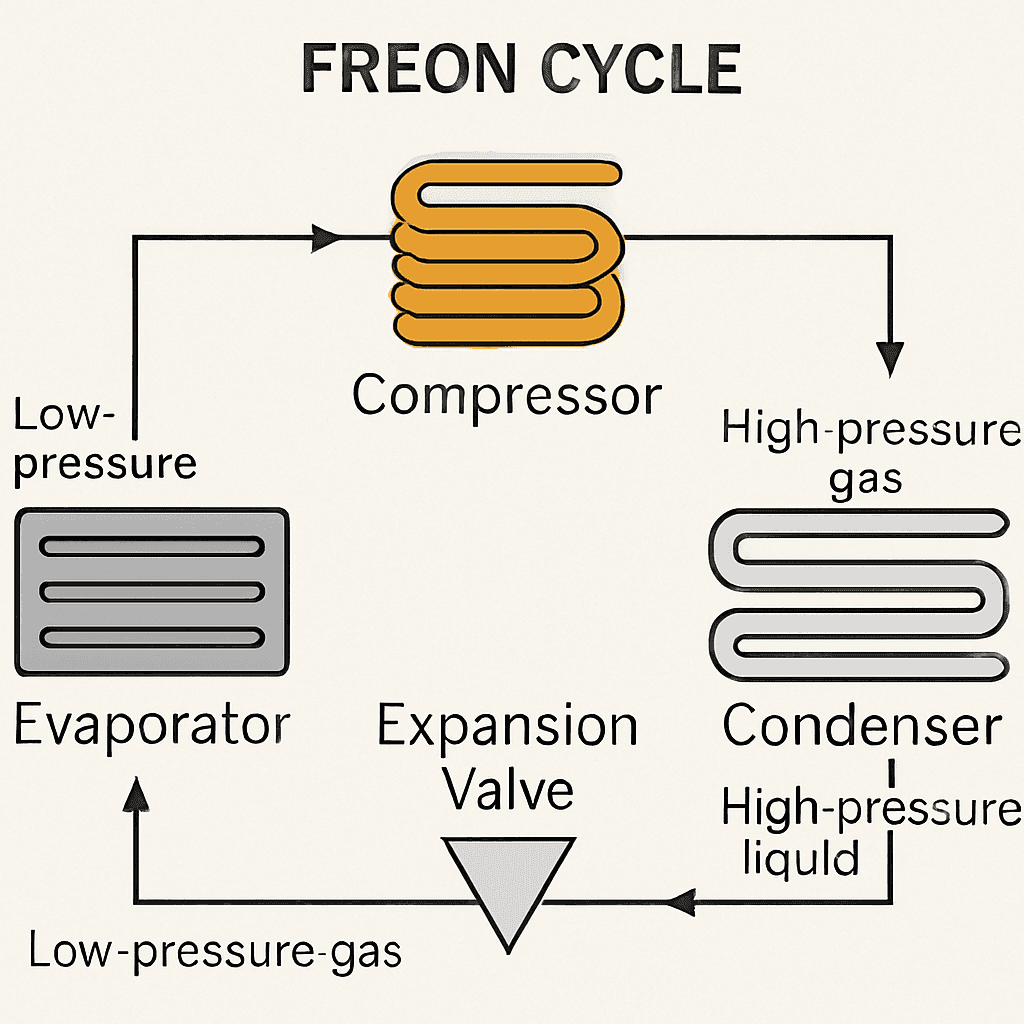
In conclusion, Freon remains significant in HVAC systems today. Understanding its basics helps in recognizing its importance and potential issues like leaks.
Does Freon Have a Smell? Debunking the Myths
Freon itself is often described as having no noticeable smell. However, under certain conditions, a Freon leak can produce a distinct odor. This often causes confusion about whether Freon has a scent.
Many people wrongly think Freon always smells strong. In reality, you might not detect a smell until there’s a leak. Recognizing this can be crucial for early detection.
There are some common myths regarding Freon’s smell. Let’s debunk a few:
- Freon always smells strong. False; it might not have an odor.
- A sweet scent always means Freon. False; this could be other chemicals.
- All air conditioner smells indicate leaks. False; they can signal different issues.
If you do notice an unusual smell, you shouldn’t ignore it. A professional’s assessment can pinpoint its source, ensuring your safety.
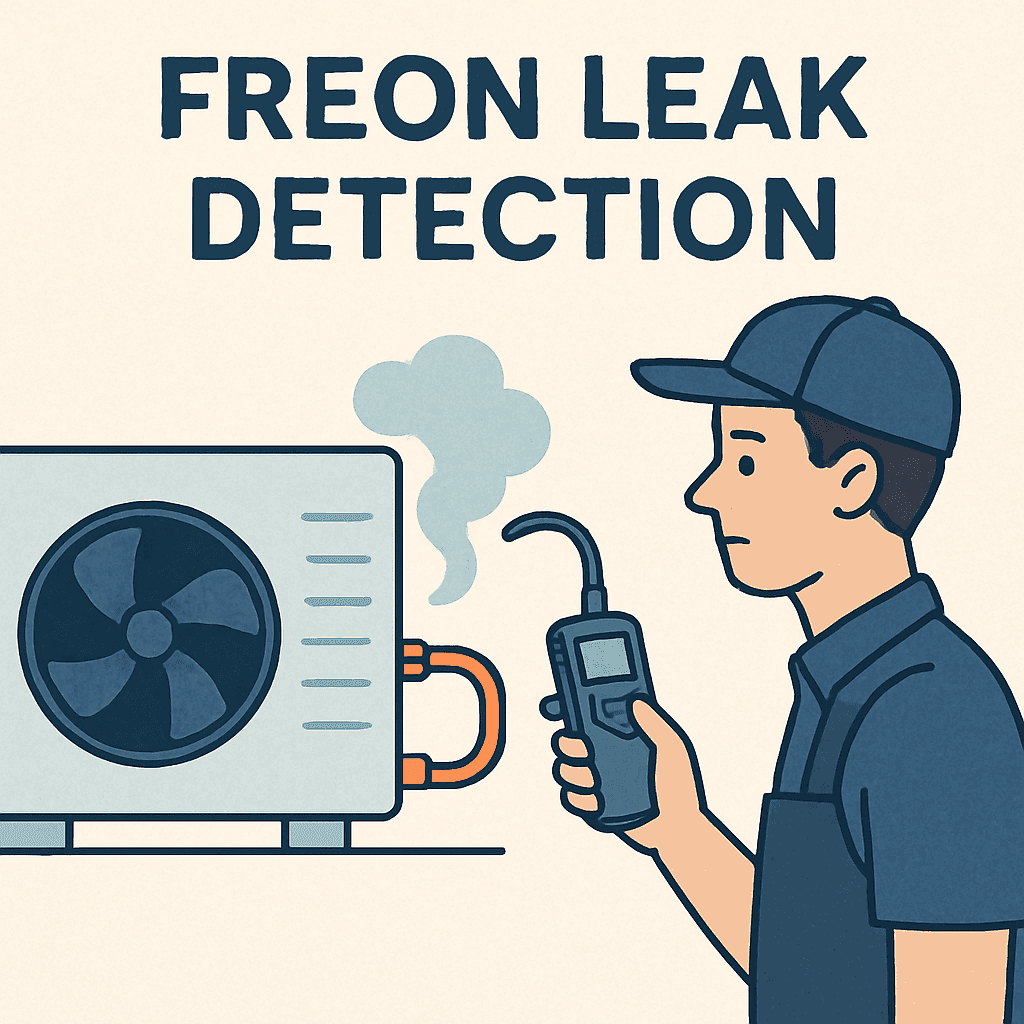
To sum up, while Freon is generally odorless, certain conditions might cause distinctive smells. Understanding these myths helps keep your HVAC running smoothly.
What Does Freon Smell Like? Descriptions and Real-World Experiences
Understanding Freon’s scent can be beneficial. While subtle, it can appear under specific conditions. It’s often reported as either sweet or chemical-like in scent.
Some people describe it as resembling chloroform. Others compare it to the smell of acetone or nail polish remover. If you notice such scents, it’s wise to investigate further.
Common experiences often highlight a chemical undertone. This makes it crucial to distinguish it from regular household odors. Homeowners should recognize it doesn’t resemble typical gas leaks.
- Sweet: Often a sugary yet chemical-like whiff.
- Chloroform-like: Reminiscent of old libraries’ aisles.
- Acetone-like: Similar to nail polish remover.
You might wonder if these descriptions fit your situation. Pay attention to unexpected changes in your HVAC’s operation. Often, it’s this sudden shift that alerts homeowners.
For those who have detected these scents, stories often follow the same theme. They notice something off, investigate, and find a leak. Shared experiences can offer peace of mind, demonstrating these sensations shouldn’t be ignored.
In real-world terms, if something smells off, trust your instincts. Take these descriptions to heart and consult professionals for peace of mind.
How to Tell If You Have a Freon Leak: Signs and Symptoms
Detecting a Freon leak can initially seem tricky. However, several symptoms can indicate a problem with your HVAC system. Recognizing these signs can prevent further issues.
A noticeable decrease in cooling efficiency often tops the list. If your system struggles to maintain temperature, it might be a signal. Rising energy bills without increased use are another red flag.
Listen for unusual noises. A hissing sound may suggest escaping gas. This sound is an essential clue of a potential leak.
Visible signs can appear on your unit. Ice buildup on evaporator coils is a common sign of trouble. Watch for frost where it doesn’t belong.
Some additional physical and operational indicators include:
- Reduced Cooling: Difficulty maintaining desired temperature.
- Increased Energy Bills: Costs rise despite consistent usage.
- Unusual Sounds: Hissing noises suggest gas release.
- Frost Formation: Ice where it shouldn’t be is a concern.
Another hint is a strange smell. Freon leaks can emit unique odors. As discussed, the scent can be sweet or chemical in nature.
Being vigilant about these symptoms can save time and money. If any of these signs occur, contacting an expert is crucial. LC Heating and Air Conditioning Hollywood is ready to help.
Health Risks of Freon Exposure
Freon leaks pose significant health risks. Exposure to Freon can lead to immediate symptoms. It’s crucial to recognize these signs for safety.
Breathing in Freon can cause dizziness and headaches. These initial symptoms are often quick to appear. Ignoring them can lead to more severe issues.
Long-term exposure raises greater health concerns. It may result in respiratory problems. Comprehensive understanding of these risks is vital.
Key health symptoms include:
- Headaches: Can occur rapidly after exposure.
- Dizziness: Often immediate and concerning.
- Respiratory Issues: Potential result of prolonged contact.

Be aware that children may be more sensitive. Prompt action is critical if symptoms arise. Always consult with professionals for leaks.
Environmental Impact of Freon Leaks
Freon leaks have significant environmental consequences. Understanding them helps emphasize the importance of addressing leaks promptly. These consequences reach beyond just the immediate vicinity.
One major concern is ozone layer depletion. Freon contributes to this problem significantly. A compromised ozone layer affects the entire planet.
There’s also a greenhouse gas effect associated with Freon. This intensifies global warming. The overall environmental repercussions of Freon are serious.
Key environmental impacts include:
- Ozone Depletion: Caused by certain Freon compounds.
- Increased Greenhouse Effect: Contributing to climate change.
- Long-Term Ecosystem Damage: Due to atmospheric changes.
Preventing leaks safeguards the environment. Awareness is the first step toward action. Always consult experts for effective solutions.
Why Does My Air Conditioner Smell Like Gas? Other AC Odors Explained
An air conditioner releasing a gas-like smell can be alarming. While it might hint at a Freon leak, there are other possibilities too. Knowing the distinctions helps identify the real issue.
Mold or mildew could be culprits. Such growths release a musty odor, distinct yet troublesome. Consider checking your filters and ducts in this case.
Electrical issues might cause burning smells. These can resemble gas odors, posing fire risks. Immediate attention from a professional is crucial here.
Common AC odors include:
- Chemical Smell: Potentially from Freon.
- Musty Odor: Likely due to mold or mildew.
- Burning Smell: Could indicate electrical problems.
Stay alert to unusual AC smells. Each one suggests a different problem. Getting a professional evaluation ensures safe operation.
What to Do If You Suspect a Freon Leak
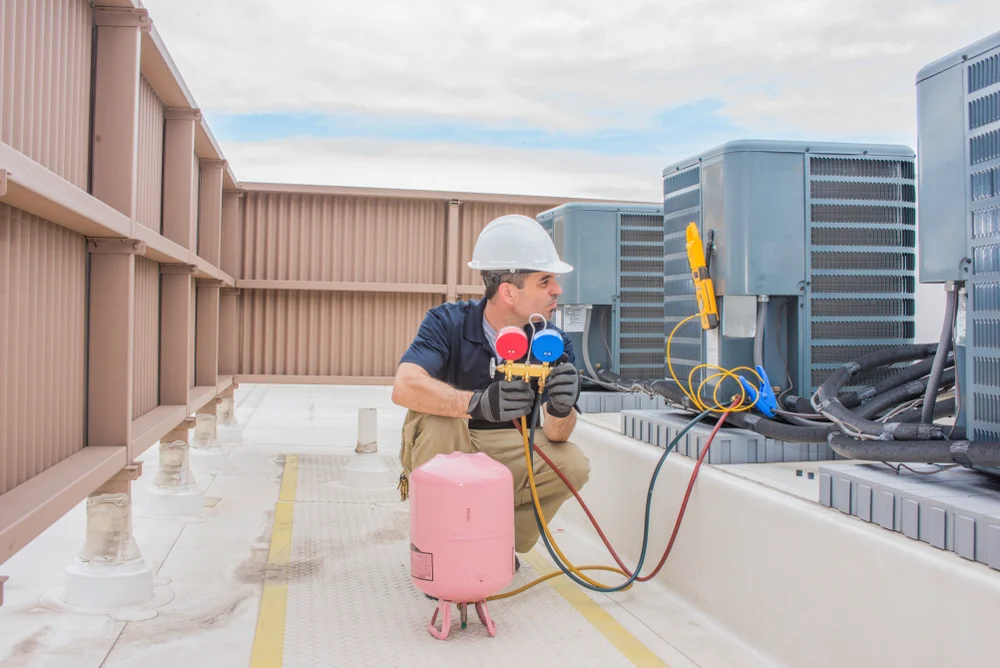
Suspecting a Freon leak can be worrying. Immediate action ensures safety and efficiency. Always prioritize contacting a professional HVAC technician.
First, turn off your AC unit. This reduces any further leakage and potential hazards. Keeping the area well-ventilated can also help.
Avoid inhaling the chemical. Freon exposure can cause health issues. Stay clear of the area until help arrives.
Watch out for symptoms like dizziness or headaches. If they occur, seek medical attention. Freon can pose serious risks.
Here’s what you should do:
- Turn off the AC immediately.
- Ventilate the area if possible.
- Contact an HVAC professional right away.
Opt for a reputable service provider. This ensures proper detection and repair. Professional help is key to safe resolution.
Remember, LC Heating and Air Conditioning Hollywood is here to assist. Call us at (818) 858-7080 for expert guidance. Your safety and comfort are our priority.
Why You Should Never DIY Freon Repairs
Handling Freon requires specialized skills. Attempting a DIY fix is not recommended. You risk your safety and the system’s integrity.
Freon is a hazardous material. Incorrect handling can lead to serious health problems. Also, it requires specific tools and equipment.
Here’s why DIY isn’t advisable:
- Lack of proper tools and expertise.
- Potential health risks from exposure.
- Risk of further damaging the AC system.
Professional technicians have the training and knowledge needed. They can safely repair and service the system. Trusting an expert ensures the job is done right.
For safety and peace of mind, always choose a qualified technician. Rely on professionals like those at LC Heating and Air Conditioning Hollywood. Let us handle your HVAC needs. Call (818) 858-7080 for assistance.
Preventing Freon Leaks: Maintenance Tips for Homeowners and Small Businesses
Freon leaks can be costly and hazardous. Regular maintenance is key. Let’s explore some preventive measures.
Schedule routine HVAC inspections. A professional can spot issues before they escalate. This ensures your system runs smoothly.
Keep your system clean. Dust and debris can lead to leaks. Regular cleaning prevents blockages and maintains efficiency.
Consider these maintenance tips:
- Change air filters every few months.
- Check for unusual noises or odors.
- Inspect outdoor units for debris.
By following these steps, you can prolong your system’s lifespan. Plus, it keeps your indoor environment safe and comfortable.
For thorough maintenance, it’s wise to engage professional HVAC services. LC Heating and Air Conditioning Hollywood is here to assist. Contact us at (818) 858-7080 for reliable service.
Upgrading to Eco-Friendly Refrigerants: What You Need to Know
The phase-out of Freon due to environmental concerns is underway. It’s an opportune moment to upgrade your system.
Switching to eco-friendly refrigerants offers numerous benefits. They’re less harmful to the environment and often improve system efficiency.
Here’s what you should consider:
- Compatibility with existing systems
- Potential energy savings
- Long-term cost benefits
Before making the switch, consult with an HVAC professional. This ensures a seamless transition and proper installation.
Ready to upgrade? Our team at LC Heating and Air Conditioning Hollywood can guide you. Contact us at (818) 858-7080 for expert advice.
Choosing a Trustworthy HVAC Professional in Los Angeles
Finding the right HVAC professional can be daunting. The right choice ensures a hassle-free experience and peace of mind.
Consider these factors when selecting your HVAC expert:
- Reputation and customer reviews
- Licensing and certifications
- Transparent pricing and services
A reputable professional will prioritize your comfort and safety. Ask for references and verify credentials to ensure reliability.
In Los Angeles, you’ll want an expert familiar with local codes and climate needs. Ready to find your HVAC partner? We’re here to help.
Why LC Heating and Air Conditioning Hollywood Is Your Go-To Expert
At LC Heating and Air Conditioning Hollywood, we blend expertise with heart. Our team is dedicated to delivering top-notch service with a personal touch.
Here’s why we stand out:
- Decades of HVAC experience
- Customer-first mindset
- Local knowledge and community spirit
We understand the nuances of Los Angeles weather and your needs. Whether it’s a pesky Freon leak or routine maintenance, we’re your reliable partner.
Reach out to us at (818) 858-7080 for a service experience like no other.
Frequently Asked Questions About Freon and AC Odors
Can you smell Freon?
Freon is generally odorless, but leaks may emit a chemical scent.
What does Freon smell like when it leaks?
Some describe it as sweet, similar to chloroform or acetone.
Is an AC unit smelling like gas always a Freon leak?
Not always. It could indicate other issues requiring professional inspection.
How can I tell if my air conditioner has a refrigerant leak?
Look for signs such as unusual odors, diminished cooling, or ice buildup.
Contacting a professional is the safest step if you suspect a Freon leak. Reach out to us for guidance. We’re committed to ensuring your HVAC system runs smoothly. If you have additional questions, we are here to help!
Conclusion: Stay Safe, Stay Cool—Let the Pros Handle It!
Identifying and addressing a Freon leak is crucial for your comfort and safety. While some may feel inclined to tackle HVAC issues themselves, it’s best to leave it to professionals.
Hiring experts ensures the job is done correctly and safely. LC Heating and Air Conditioning Hollywood is ready to serve the Los Angeles community with reliable, efficient solutions. Keep your home comfortable and your HVAC system in top condition by contacting our team at (818) 858-7080 for all your air conditioning needs.
The Distinctive Scent of Freon helps you recognize refrigerant leak odors, respond quickly, and maintain a healthier, more efficient air conditioning system.
FAQ:
Does Freon have a smell?
Freon is generally odorless. However, when a leak occurs, some people may notice a faint chemical or sweet-like smell, which often leads homeowners to suspect a refrigerant issue pasted.
What does Freon smell like when it leaks?
When Freon leaks, it is commonly described as having a sweet, chemical, chloroform-like, or acetone-like odor. The smell is usually subtle but noticeable if you’re paying attention pasted.
Can a Freon leak be dangerous to my health?
Yes. Exposure to Freon can cause symptoms such as headaches, dizziness, nausea, and respiratory irritation. Prolonged exposure may lead to more serious health issues, especially for children and sensitive individuals pasted.
How can I tell if my air conditioner has a Freon leak?
Common signs include reduced cooling performance, rising energy bills, hissing sounds, ice buildup on coils, and unusual chemical odors coming from the AC system pasted.
Is a gas-like smell from my AC always a Freon leak?
Not always. Gas-like odors can also be caused by mold, mildew, electrical issues, or dirty components. A professional inspection is the safest way to identify the exact cause pasted.