TL;DR Summary for Those in a Hurry:
- DIY Guide to Furnace Care gives easy, step-by-step maintenance tips you can do yourself to keep your furnace running safely, efficiently, and reliably throughout the heating season.
- Simple actions like replacing or cleaning your air filter, checking thermostat settings, and clearing vents help improve airflow and furnace performance.
- Inspecting visible components, tightening loose connections, and keeping your furnace area clean can prevent common issues before they worsen.
- Doing regular care now helps lower energy costs, reduce unexpected breakdowns, and extend your system’s lifespan.
As a trusted provider of HVAC services in Hollywood, I understand that maintaining your furnace might not be at the top of your to-do list. However, regular care is crucial to ensure your system runs efficiently, especially during those chilly nights. This DIY Guide to Furnace Care will walk you through essential furnace maintenance steps. Whether you’re a busy parent, a small business owner, or working from home, these steps will help you avoid unexpected breakdowns and keep your home comfortable year-round.

Summary: DIY Guide to Furnace Care
This guide explains furnace basics (gas, propane, electric) and provides step-by-step DIY maintenance: prioritize safety, check and replace filters, clean and inspect ducts, and calibrate thermostats. It includes seasonal checklists for fall/winter and spring/summer, covering burners, heat exchangers, exhaust, electrical connections, and condensate drains. You’ll learn when to call a professional, the benefits of routine care (efficiency, lifespan, air quality, cost, safety), and how to choose an energy‑efficient, properly sized furnace with professional installation. Local service details for LC Heating and Air Conditioning are provided for Los Angeles area homeowners.
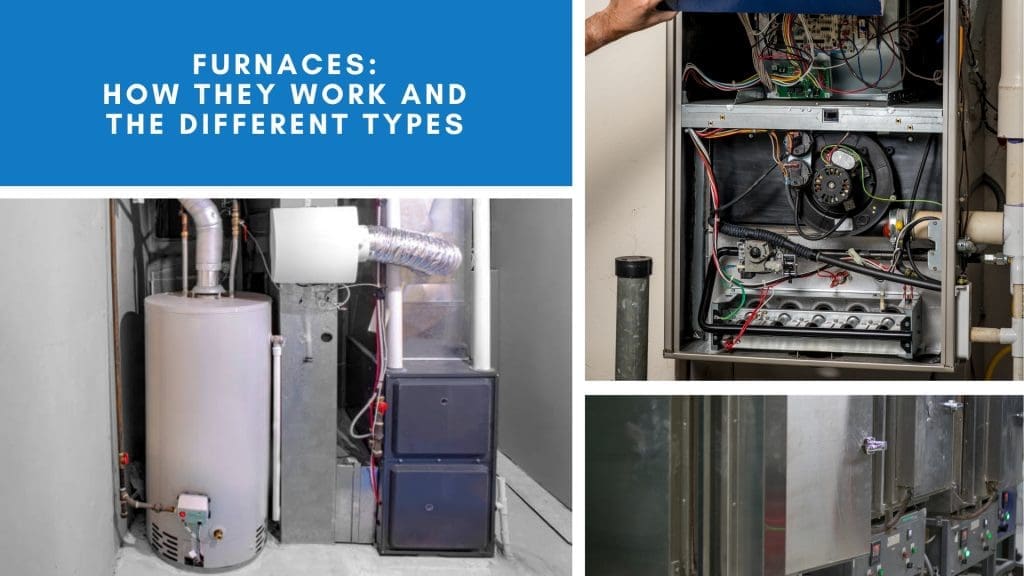
Before diving into maintenance, it’s essential to grasp the basics of your furnace system. Furnaces can be powered by gas, propane, or electricity, each with unique components and care requirements. Knowing your furnace type will guide you in tailoring the maintenance approach.
Types of Furnaces
- Gas Furnaces: These are common in many homes due to their efficiency and cost-effectiveness. They use natural gas to heat air, which is then distributed throughout your home. Understanding the specific components like the heat exchanger and burners is crucial for maintenance.
- Propane Furnaces: Similar to gas furnaces but use propane as a fuel source. These are often found in rural areas where natural gas isn’t available. Propane furnaces require attention to the storage tanks and connections for safe operation.
- Electric Furnaces: These use electric heating elements to warm air, which is then circulated by a blower. Electric furnaces are generally more expensive to operate but are cleaner and easier to maintain since they don’t involve combustion.
Furnace Components
- Heat Exchanger: In gas and propane furnaces, this component is vital as it heats the air. Regular inspections for cracks or rust are necessary to prevent dangerous gas leaks.
- Blower Motor: This component moves the heated air throughout your home. Ensuring it is clean and lubricated will keep your system running smoothly.
- Pilot Light or Ignition System: Knowing whether your system uses a pilot light or electronic ignition will determine your maintenance approach. Both require periodic checks to ensure reliability.
Identifying Your Furnace Model
Familiarize yourself with your furnace’s make and model to understand its specific maintenance needs. The model number can usually be found on the furnace itself or in the accompanying manual. This information is crucial when purchasing replacement parts or seeking professional assistance.
Essential Furnace Maintenance Steps
Step 1: Safety First
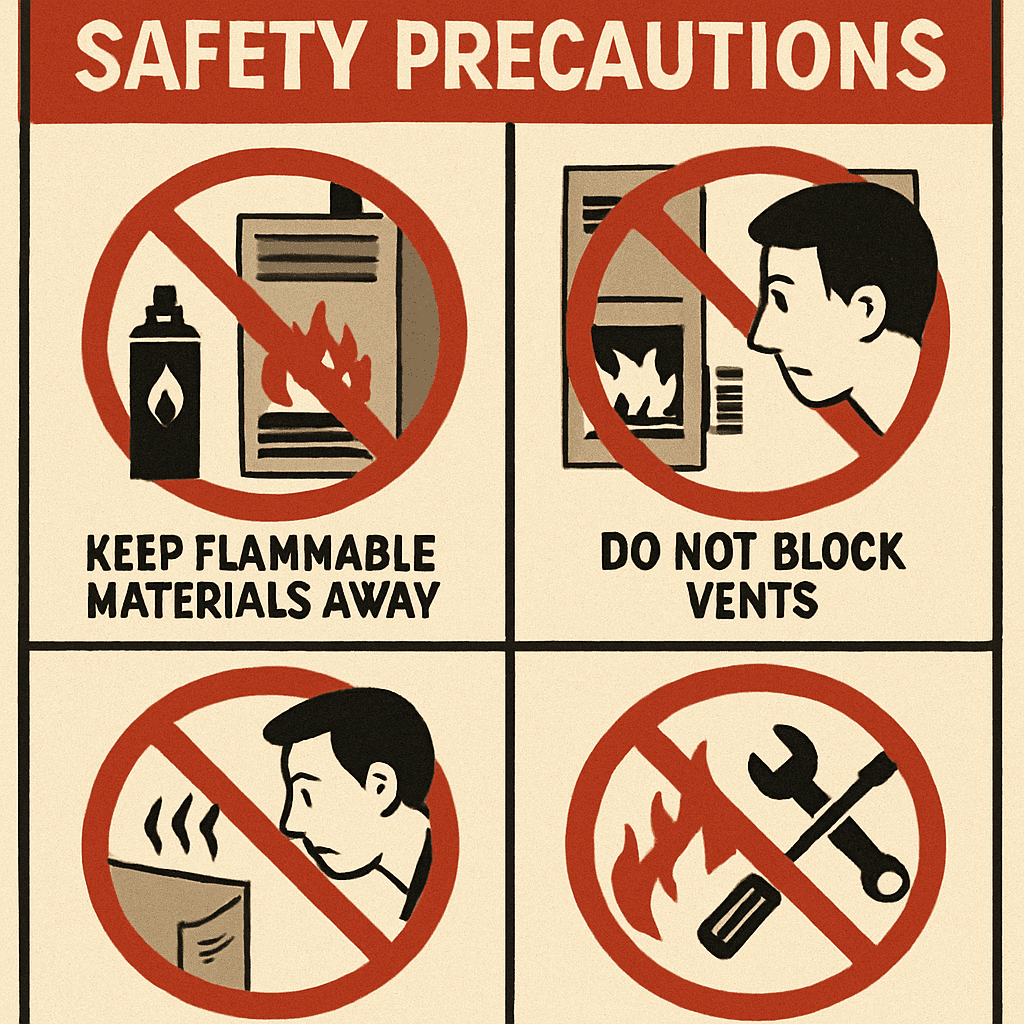
Before you start any maintenance, ensure safety is your top priority. Turn off the power supply to your furnace, and if it’s a gas or propane system, shut off the gas valve. This step prevents accidents and ensures a safe working environment.
Power and Gas Safety
Always start by switching off the power at the breaker box to avoid electrical shocks. For gas systems, locate the gas shut-off valve and turn it to the off position. This is essential to prevent any accidental gas leaks during maintenance.
Ventilation and Workspace Safety
Ensure your workspace is well-ventilated to avoid inhaling dust or gas fumes. Wear protective gear like gloves and goggles to safeguard against dust, debris, and sharp edges.
Emergency Preparedness
Keep a fire extinguisher nearby and know the emergency contacts for local services. Accidents are rare, but preparedness is key to handling any unexpected situations safely.
Step 2: Regular Filter Checks
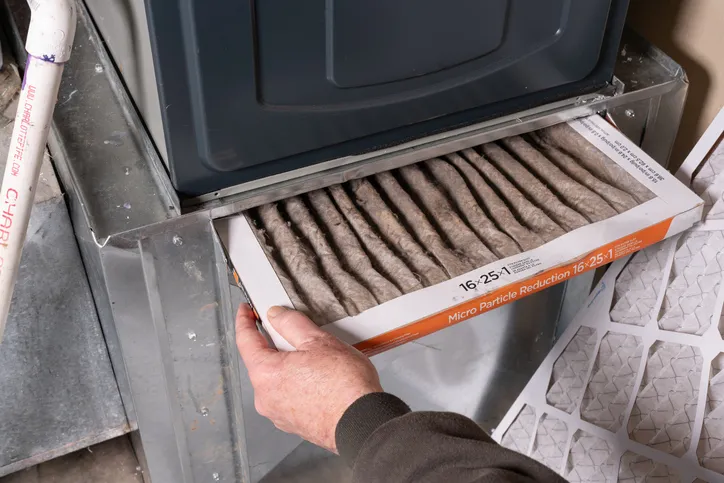
A clean filter is crucial for efficient furnace operation. Check your furnace filter monthly and replace it if it’s dirty. A clogged filter reduces airflow, making your furnace work harder and increasing energy costs. Plus, it can lead to system failures and costly repairs.
Types of Filters
Filters come in various types, including fiberglass, pleated, and HEPA filters. Each has different lifespans and efficiency levels. Understanding the right type for your system will optimize performance and air quality.
Replacement Frequency
Generally, filters should be replaced every 1-3 months, depending on usage and the filter type. Homes with pets or allergy sufferers might require more frequent changes due to increased debris and allergens.
Filter Installation Tips
When replacing filters, ensure they’re properly aligned and secured. Improper installation can lead to air leaks and reduced efficiency. Always consult the furnace manual for specific installation instructions.
Step 3: Inspect and Clean Ducts
Ducts play a significant role in distributing warm air throughout your home. Over time, dust and debris can accumulate, reducing efficiency and potentially affecting air quality. Consider hiring a professional for a thorough duct cleaning every few years.
DIY Duct Cleaning
While professional cleaning is recommended, you can perform basic maintenance by vacuuming accessible ducts and vents. This helps reduce dust build-up and improves airflow.
Signs of Duct Issues
Look for signs such as uneven heating, visible dust around vents, or increased energy bills. These can indicate blockages or leaks within the duct system.
Professional Cleaning Benefits
Hiring professionals ensures a comprehensive cleaning, reaching areas that are difficult to access. They can also identify and repair leaks or insulation issues, enhancing overall system efficiency.
Step 4: Thermostat Calibration
Ensure your thermostat is accurately calibrated. An incorrect reading can lead to inefficient heating and increased energy bills. If you notice discrepancies, it might be time to replace your thermostat or call a professional for calibration.
Thermostat Types
Understand whether you have a manual, programmable, or smart thermostat. Each type requires different calibration and offers varying levels of control over your heating system.
Calibration Process
For manual thermostats, use a thermometer to ensure the reading matches the set temperature. Smart thermostats often have built-in calibration features accessible through their app or interface.
Upgrading Your Thermostat
Consider upgrading to a programmable or smart thermostat for better control and energy efficiency. These devices allow for scheduling and remote adjustments, optimizing your heating system’s performance.
Seasonal Furnace Checks
Fall and Winter Maintenance
Before the heating season starts, conduct a comprehensive inspection. Check for any signs of wear or damage, especially in older units. Pay attention to:
- Burners: Ensure they are clean and free of debris. Dirty burners can cause inefficient combustion and increase the risk of carbon monoxide production.
- Pilot Light: If your furnace has one, make sure it’s functioning correctly. A steady blue flame indicates proper operation, while a yellow or flickering flame may signal a problem.
- Blower Motor: Lubricate it if necessary, and check for any unusual noises. Strange sounds can be an early warning of motor issues, which might require professional attention.
Inspecting Heat Exchanger
Look for signs of cracks or corrosion, which can lead to dangerous gas leaks. If you suspect damage, contact a professional immediately for a thorough assessment.
Checking Exhaust System
Ensure the exhaust system is clear of blockages to prevent carbon monoxide buildup. This includes inspecting flues and vents for obstructions or damage.
Testing Safety Controls
Regularly test safety controls, including the limit switch and roll-out switch, to ensure they function correctly. These components prevent overheating and other potential hazards.
Spring and Summer Maintenance
While your furnace might not be in use during warmer months, it’s still essential to conduct a seasonal check. This period is ideal for:
- Deep Cleaning: Clean the internal components to remove any accumulated dust or debris. This helps maintain efficiency and prolongs the life of your furnace.
- Professional Inspection: Consider scheduling an annual professional inspection to catch potential issues before they become major problems. Professionals can provide a detailed assessment and necessary repairs.
- Off-Season Upgrades: Use this time to consider upgrades or replacements. Off-season purchases can often be more affordable, and you’ll have ample time to research and choose the best options.
Inspecting Electrical Connections
Check all electrical connections for signs of wear or damage. Tighten loose wires and replace frayed or damaged cords to ensure safe operation.
Cleaning Condensate Drain
In systems with a condensate drain, ensure it’s clear of blockages. A clogged drain can cause water damage and affect system performance.
Testing System Startup
Before the next heating season, perform a test run to ensure your system starts smoothly. Listen for unusual noises or performance issues that may require attention.
When to Call a Professional
While DIY maintenance can prevent many issues, some problems require professional attention. Contact a professional if you notice:
- Unusual noises or vibrations: These can indicate serious mechanical issues or imbalances that need expert diagnosis.
- Persistent pilot light issues: A pilot light that frequently goes out or burns yellow may signal a dangerous condition that requires professional intervention.
- Inconsistent heating or airflow: This can result from ductwork issues or failing components, both of which need professional assessment.
- Any signs of wear or damage that you can’t address: Visible damage to crucial components warrants a professional inspection to prevent further issues.
Recognizing Emergency Situations
Know the signs of potential emergencies, such as gas odors or visible smoke. These situations require immediate professional assistance to ensure safety.
Scheduling Regular Maintenance
Consider setting up a regular maintenance schedule with a trusted HVAC professional. This ensures your system receives the thorough care it needs throughout the year.
Choosing a Reliable HVAC Professional
Research and choose a licensed, experienced HVAC technician. Look for reviews and recommendations to ensure you receive quality service.
At LC Heating and Air Conditioning, we’re here to help. If you’re in the Los Angeles metropolitan area and need assistance, give us a call at (818) 858-7080.
Benefits of Regular Furnace Care
Maintaining your furnace isn’t just about avoiding breakdowns. Regular care offers several benefits:
- Increased Efficiency: A well-maintained furnace operates more efficiently, reducing energy consumption and lowering your bills. This also contributes to a smaller environmental footprint.
- Extended Lifespan: Regular maintenance can prolong your furnace’s life, delaying the need for costly replacements. Well-maintained systems often last several years longer than neglected ones.
- Improved Air Quality: Clean filters and ducts ensure better air quality, reducing allergens and dust in your home. This is particularly beneficial for households with allergy sufferers or respiratory issues.
Cost Savings
Routine maintenance minimizes the risk of expensive emergency repairs. Investing in regular upkeep can save money in the long term by preventing major system failures.
Enhanced Safety
Regular inspections reduce the risk of dangerous situations, such as gas leaks or electrical fires. Ensuring all components function correctly enhances overall household safety.
Environmental Impact
Efficient furnace operation reduces energy usage and lowers greenhouse gas emissions. Maintaining your furnace contributes to a more sustainable household.
Choosing the Right Furnace
If you’re in the market for a new furnace, consider factors like energy efficiency, fuel type, and size. Look for furnaces with high AFUE (Annual Fuel Utilization Efficiency) ratings for better efficiency.
Evaluating Energy Efficiency
Higher AFUE ratings indicate more efficient furnaces, which consume less fuel and save money over time. Consider models that meet or exceed ENERGY STAR standards for optimal efficiency.
Understanding Fuel Options
Choose a fuel type that aligns with your availability and cost considerations. Gas, propane, and electric each have pros and cons, so evaluate based on your specific needs.
Sizing Your Furnace
Ensure the furnace size matches your home’s heating requirements. An oversized or undersized unit can lead to inefficiency and increased wear.
Where to Buy
Many reputable retailers offer furnaces online, making it easy to compare prices and features. Ensure you choose a model compatible with your home’s heating requirements.
Professional Installation
Proper installation is critical for optimal performance. Always hire a licensed professional to install your new furnace. Professional installation ensures all components are correctly set up and reduces the risk of future issues.
Warranty and Support
Check the warranty and support services offered with your new furnace. A good warranty can provide peace of mind and protect your investment.
Conclusion
Regular furnace maintenance is key to a comfortable, efficient home. By following these steps, you can ensure your system runs smoothly and avoid unexpected breakdowns. Remember, while DIY care is beneficial, don’t hesitate to reach out to a professional when needed. At LC Heating and Air Conditioning, we’re committed to providing top-notch service and ensuring your home stays warm and cozy. For any questions or to schedule a service, contact us at (818) 858-7080. Let us help you keep your furnace in peak condition!
This furnace care guide walks you through simple DIY tasks to boost performance and prevent problems. Regular upkeep increases comfort, cuts costs, and keeps your system dependable all winter.
FAQ:
What is included in a DIY guide to furnace care?
A DIY guide to furnace care covers basic maintenance tasks you can safely perform yourself, such as changing filters, checking thermostat settings, inspecting vents, and cleaning accessible furnace components.
How often should I perform DIY furnace maintenance?
It’s best to check and perform simple furnace care tasks at least once before the heating season begins and periodically during heavy use to keep your system running efficiently.
Can cleaning or replacing a furnace filter improve performance?
Yes — regularly cleaning or replacing air filters improves airflow, reduces strain on the furnace, and helps your system heat more effectively while lowering energy costs.
Are there furnace maintenance tasks I should not do myself?
Yes — avoid attempting complex tasks like gas line inspection, electrical repairs, heat-exchanger checks, or combustion analysis; those should be handled by a certified HVAC technician for safety.
What signs indicate my furnace needs professional service?
If you notice strange noises, frequent cycling, unusual smells, uneven heating, or a yellow pilot light (on gas units), it’s time to call an HVAC professional.
Does regular DIY furnace care extend the life of my system?
Regular DIY maintenance helps reduce wear and tear, improve efficiency, and catch minor issues early — all of which can contribute to a longer furnace lifespan when combined with annual professional tune-ups.