TL;DR Summary for Those in a Hurry:
- New Construction HVAC Installation explains how HVAC systems are planned and installed during the building of a new home to ensure optimal comfort, efficiency, and long-term performance.
- The process includes designing the system to match your home’s needs, installing ductwork, placing equipment correctly, and testing the entire setup before use.
- Proper planning and working with experienced contractors help you avoid costly mistakes and increase energy efficiency.
- A well-installed HVAC system keeps your indoor environment comfortable year-round and can lower utility costs over time.
Building a new home is an exciting journey. It’s a chance to create a space that’s uniquely yours.
One crucial aspect of this process is the HVAC installation. It’s not just about comfort, but also about energy efficiency and long-term satisfaction.
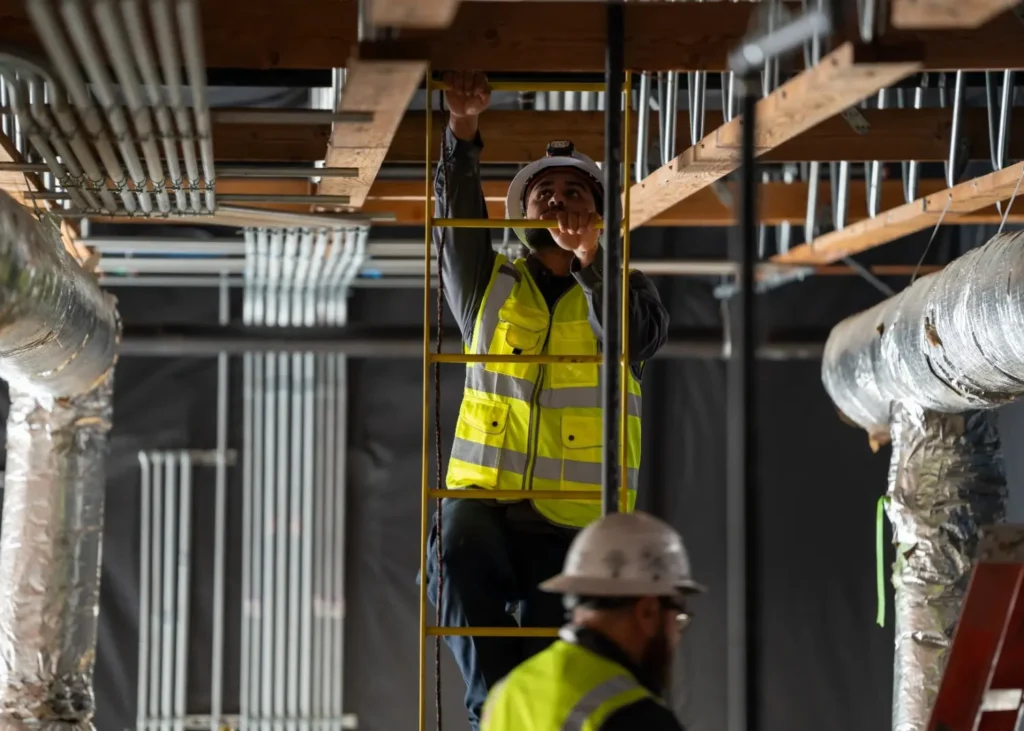
In this guide, we’ll delve into the essentials of new construction HVAC installation. We’ll cover everything from understanding the process to estimating costs and choosing the right contractors.
Whether you’re a small business owner, a work-from-home professional, or a busy stay-at-home mom, this guide is designed to help you make informed decisions.
So, let’s embark on this journey together. Let’s ensure your new home is comfortable, efficient, and reliable, no matter the season.
Understanding New Construction HVAC Installation
When it comes to new construction, HVAC systems are pivotal. They provide comfort and contribute to your home’s energy efficiency.
The installation process involves several key steps. These steps ensure that your system functions optimally. Proper planning and execution are crucial throughout the process.
Here’s a brief overview of the HVAC installation stages:
- Designing the System: Tailoring to your specific home needs.
- Ductwork Installation: Ensuring airflow efficiency.
- System Installation: Placing units for optimal performance.
- Testing and Balancing: Guaranteeing system efficiency and effectiveness.
Each step is integral to the final outcome. Properly designed and installed systems offer long-term benefits. They ensure a comfortable indoor environment throughout the year.
Understanding these stages helps you make informed decisions. It’s important to work closely with experienced contractors. This ensures your HVAC system is installed correctly and efficiently.
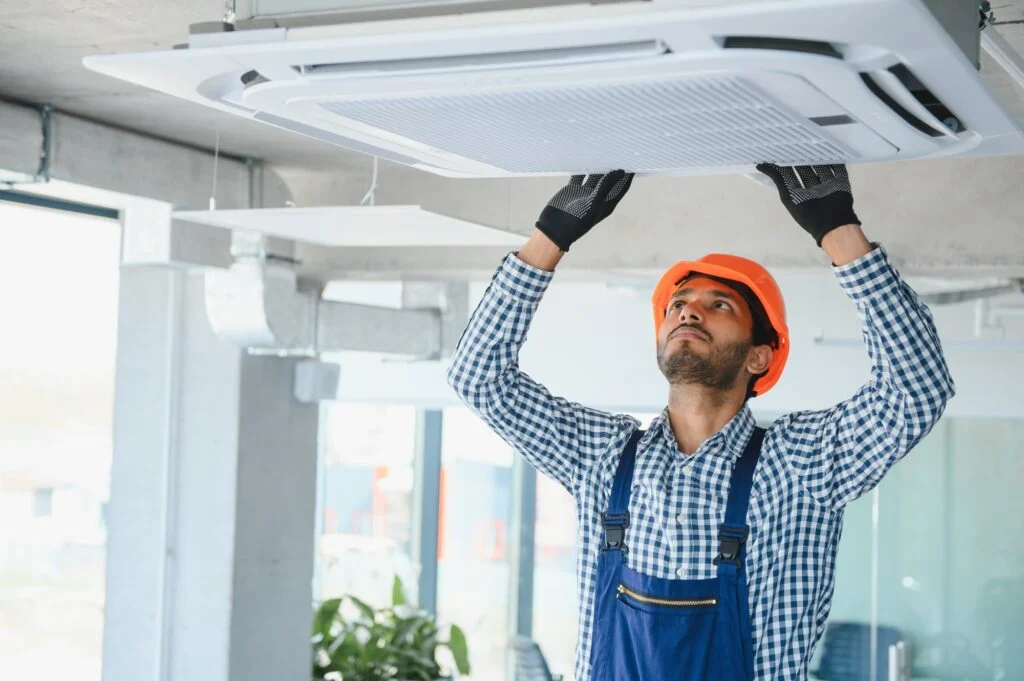
The Importance of Proper HVAC Design
The design phase is critical for any new HVAC installation. Proper design ensures systems meet your unique needs.
A well-designed system maximizes efficiency and comfort. It prevents energy loss and improves overall performance. Each home’s design should consider specific factors.
Factors include local climate and building size. Proper HVAC design also affects indoor air quality. It ensures consistent and efficient air flow.
Investing time in the design phase yields lasting benefits. It sets the stage for a durable and effective system.
Selecting the Right HVAC System
Choosing the right HVAC system is vital. It directly impacts comfort and costs.
Start by evaluating your home’s size and needs. This will guide your system choice. Consider different types, like split systems and heat pumps.
Efficiency ratings are crucial too. Look for systems with high Energy Star ratings. These systems offer better energy savings.
Consulting with professional HVAC contractors can assist in decision-making. They can provide insights tailored to your needs.
Selecting the right system ensures better performance. It also means potential savings on energy bills. Choose wisely for maximum comfort and efficiency.
New Construction HVAC Cost Considerations
Understanding the costs involved in new construction HVAC installation is essential. It helps you budget and plan effectively. Costs can vary based on several factors.
When planning your budget, consider the following:
- System Type: Different systems have varying costs.
- System Size: Larger systems typically cost more.
- Energy Efficiency Ratings: Efficient systems may have higher upfront costs but save money in the long run.
- Ductwork Requirements: Complex ductwork can increase costs.
- Local Labor Rates: Prices may vary based on your location.
Considering these elements can help you make a sound financial plan. Balancing cost with quality is crucial. Never compromise on system efficiency for short-term savings.
Finally, keep in mind potential extra expenses. These may include upgrades or unexpected adjustments during installation. Preparing for these can prevent financial surprises.
Estimating Your HVAC Installation Costs
Estimating HVAC installation costs involves understanding various pricing components. Start by assessing your home’s size and needs. This influences the system type and size required.
Once you’ve determined the necessary system, review pricing models. Installations generally vary between a few thousand to much more. Costs may include materials, labor, and permits.
Consult with multiple contractors to get quotes. This provides a better sense of market pricing. Clear, detailed quotes help avoid unexpected charges.
Accurate estimates come from carefully considering all these factors. Use them to set a realistic budget. This ensures you avoid financial surprises during your project’s development.
Factors Influencing HVAC Costs per Square Foot
HVAC costs per square foot fluctuate due to several influences. One key factor is the regional climate. Areas with extreme temperatures might require more robust systems, impacting costs.
Another influence is building complexity. Simple layouts typically involve lower installation costs. Complex designs might demand more intricate solutions, raising costs.
Material choices also play a role. High-quality materials may have higher upfront costs but offer longevity and efficiency.
Considering these factors when budgeting helps ensure realistic financial planning. Awareness of these influences allows for informed decision-making. This paves the way for a successful and cost-effective HVAC installation in your new construction project.
Choosing the Right HVAC Contractors
Finding the right HVAC contractor is key to a smooth project. A good contractor ensures quality and efficiency. Their expertise can significantly affect your installation’s success.
Start by seeking recommendations. Ask friends or read online reviews. Real experiences provide valuable insights into a contractor’s reliability.
Make sure to verify their credentials. A licensed contractor with insurance offers protection and peace of mind. Also, check their experience with new construction projects. This ensures they understand the unique demands of such installations.
Qualities of Reliable HVAC Contractors
Reliable HVAC contractors possess specific qualities. They communicate clearly and maintain transparency throughout the process. This helps you stay informed and involved.
Look for contractors with a track record of punctuality. Timely project completion prevents unnecessary delays and costs. Plus, it shows professionalism and respect for your timeline.
Lastly, ensure they offer comprehensive warranties and follow-up services. Quality contractors stand behind their work. These features demonstrate their commitment to customer satisfaction and long-term service.
Maximizing Efficiency and Comfort in Your New Home
Achieving optimal efficiency and comfort in your new home requires thoughtful HVAC choices. This involves selecting systems that align with your space and lifestyle needs.
Focus on HVAC systems designed for energy conservation. These reduce utility bills and make your home more sustainable. They also contribute to a consistent, comfortable indoor environment.
Incorporate features like programmable thermostats. They allow you to control temperatures effectively, enhancing comfort while minimizing energy use. Smart technology can adapt HVAC operations to your schedule for peak efficiency.
Energy-Efficient HVAC Solutions
Energy-efficient HVAC solutions are vital for a modern home. They lessen environmental impact and improve indoor air quality.
Consider installing systems with high Energy Star ratings. These meet strict efficiency criteria, ensuring lower energy consumption without sacrificing performance.
Insulation and ductwork also play crucial roles. They help retain conditioned air, maximizing system efficacy. Regular maintenance keeps everything running smoothly, preventing energy loss and ensuring long-term satisfaction.
Maintaining Your New HVAC System
Keeping your HVAC system in top shape is crucial for performance and durability. Proactive maintenance can help you avoid costly repairs down the road.
Establish a regular maintenance routine for your HVAC system. This ensures it’s operating at optimal efficiency and can extend the system’s lifespan.
Here are some maintenance tasks to consider:
- Change air filters regularly.
- Clean coils and check refrigerant levels.
- Inspect and seal ducts.
Don’t overlook professional inspections. Trained technicians can spot potential issues early, saving you time and money.
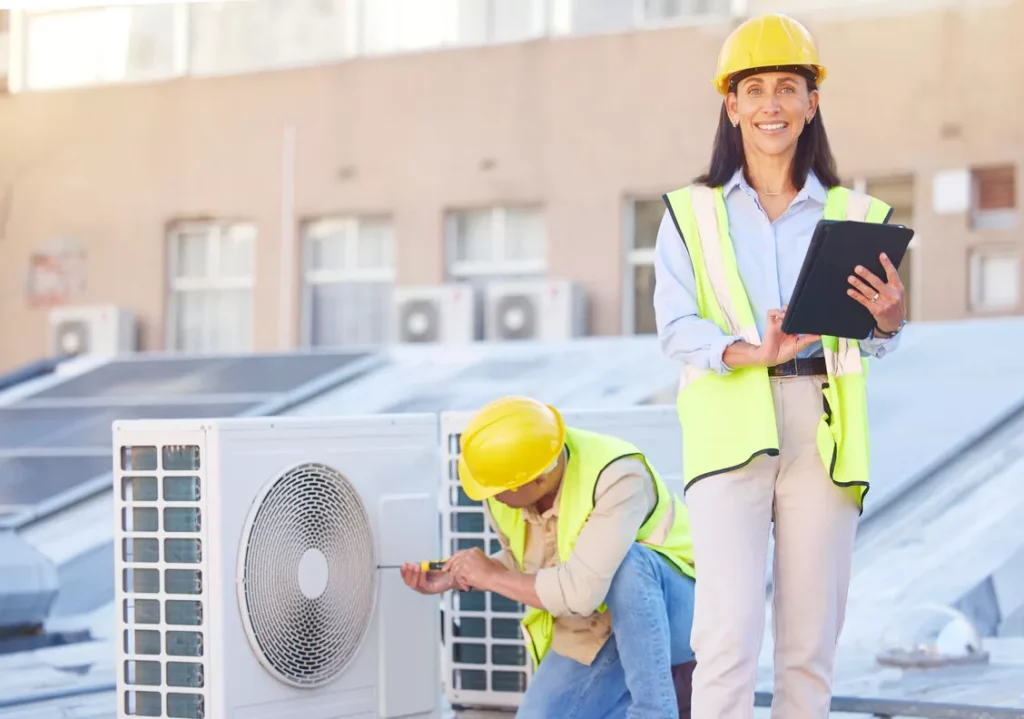
Regular Maintenance and Inspections
Routine inspections are the backbone of HVAC maintenance. Scheduled check-ups catch minor issues before they escalate into major problems.
Ensure you have inspections at least twice a year. These visits allow professionals to fine-tune the system for seasonal demands.
Don’t ignore strange noises or reduced performance. Addressing these signs quickly prevents larger issues and helps maintain a comfortable indoor environment year-round.
Conclusion: Ensuring Long-Term Satisfaction
Investing in a new construction HVAC installation promises comfort and efficiency. With proper design, reliable contractors, and diligent maintenance, your system will serve you well.
Remember, a well-maintained HVAC system is key to a cozy, stress-free home. Embrace these practices and enjoy peace of mind for years to come.
New construction HVAC installation requires thoughtful design, quality installation, and professional guidance. Getting these right means better comfort, improved energy efficiency, and fewer future issues.
FAQ:
What is new construction HVAC installation?
New construction HVAC installation is the process of planning, designing, and installing heating, ventilation, and air conditioning systems in a newly built home to ensure comfort, energy efficiency, and long-term performance.
Why is proper HVAC design important for new construction?
Proper HVAC design ensures the system is tailored to your home’s size, layout, and climate, which maximizes efficiency, maintains consistent airflow, and enhances indoor comfort.
How do contractors plan HVAC system layout in new construction?
Contractors assess your home’s dimensions and load requirements, then design ductwork and equipment placement for optimal airflow, access, and performance throughout the house.
What factors should I consider when choosing a system for a new build?
Consider your home’s size, climate, energy-efficiency ratings (like SEER or HSPF), and type of system (e.g., split system, heat pump) to balance performance and utility costs.
Does new construction HVAC installation include ductwork?
Yes — in new construction, HVAC installation typically includes designing and installing the ductwork needed to distribute heated and cooled air throughout the home.
How can professional installation benefit my new HVAC system?
Professional installation ensures all components are properly sized, positioned, and tested, which improves energy efficiency, comfort, reliability, and system longevity.