TL;DR Summary for Those in a Hurry:
- HVAC Filter Replacement is essential for keeping airflow smooth, protecting system components, and maintaining healthy indoor air quality.
- Regularly changing your filter helps prevent dust and debris buildup that can strain your HVAC system and reduce efficiency.
- Clean filters support better airflow, lower energy costs, and fewer breakdowns over time.
- Staying on a consistent replacement schedule also reduces allergens and improves overall comfort for your home.
In the hustle and bustle of our daily lives, it’s easy to overlook the small things, like replacing your HVAC filter. However, when the weather turns humid, this simple maintenance task becomes crucial for maintaining a healthy and efficient home environment. As a trusted HVAC professional and the owner of LC Heating and Air Conditioning in Hollywood, I’m here to guide you through why regular HVAC filter replacement is so important, especially when it’s humid.
Understanding the Role of HVAC Filters
Your HVAC system is a critical component of your home, whether you’re a stay-at-home parent juggling multiple tasks, a small business owner striving for customer satisfaction, or someone working from home needing a comfortable environment. At the heart of this system is the HVAC filter, which plays an essential role in keeping your air clean and your system running smoothly.
The Function of an HVAC Filter
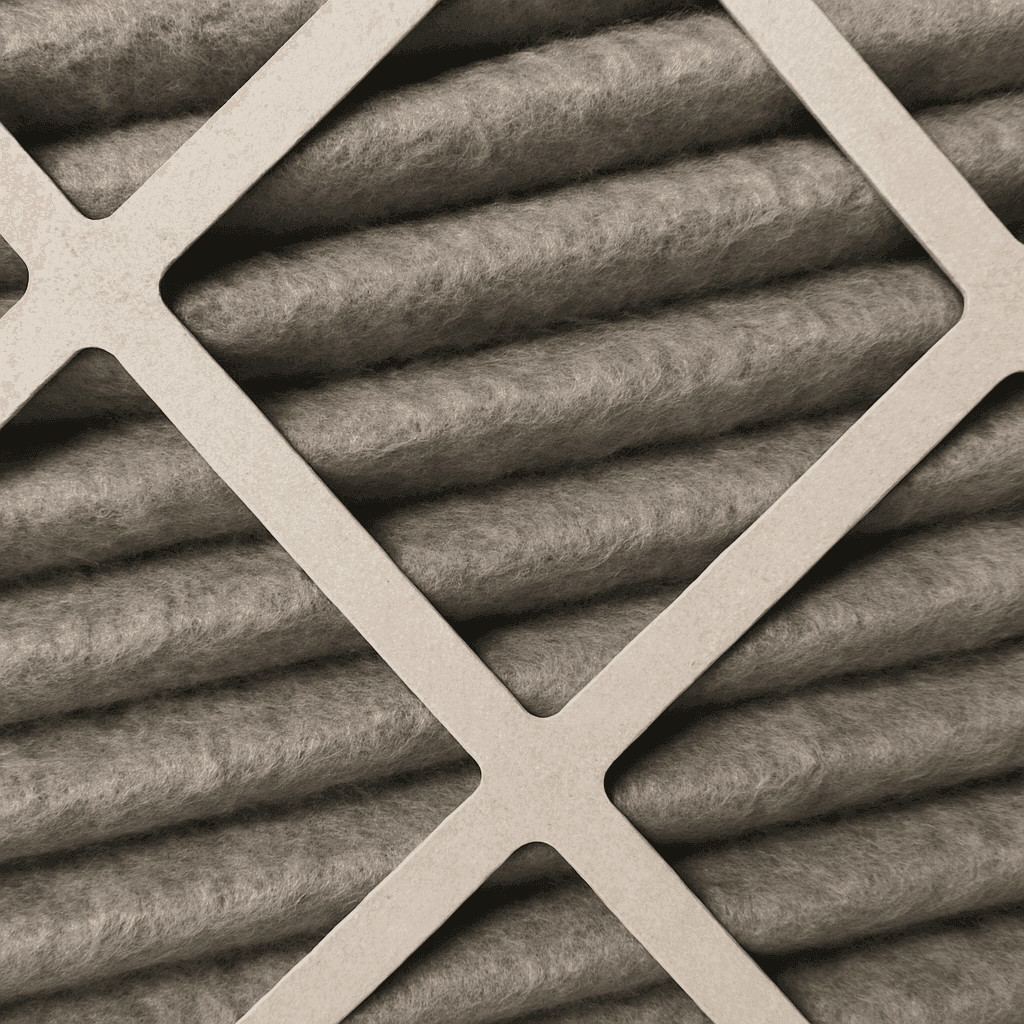
The primary function of an HVAC filter is to trap dust, pollen, mold spores, and other airborne particles. This not only helps improve indoor air quality but also protects the internal components of your furnace and air conditioner from damage. By capturing these particles, the filter prevents them from circulating throughout your home, ensuring that the air you breathe is cleaner and healthier.
In humid weather, when dust and allergens are more prevalent, your filter works overtime to keep your air clean. The increased moisture in the air can cause these particles to clump together, making them more challenging to filter out. This means that your HVAC filter must be in optimal condition to effectively capture these contaminants.
The Impact of a Dirty Filter
When your HVAC filter becomes clogged with dust and debris, it can lead to a variety of issues. A dirty filter restricts airflow, causing your system to work harder and less efficiently. This inefficiency not only results in higher energy bills but can also shorten the lifespan of your HVAC system due to the increased wear and tear on its components.
In humid conditions, a clogged filter can also lead to moisture buildup and mold growth, posing a health risk to you and your family. The stagnant air and increased humidity create a breeding ground for mold, which can spread rapidly if not addressed. A dirty filter can exacerbate this problem by retaining moisture, further promoting mold growth and leading to potential health issues like allergies and respiratory problems.
The Consequences of Neglect
Neglecting to replace your HVAC filter regularly can have long-term consequences for both your health and your wallet. The strain on your system from a dirty filter can lead to more frequent breakdowns and costly repairs. Additionally, the decreased air quality can impact those with allergies or respiratory conditions, leading to discomfort and potential medical costs.
Regular maintenance and timely filter replacement can prevent these issues, ensuring that your HVAC system operates efficiently and effectively. By understanding the importance of a clean filter, you can take proactive steps to maintain a healthy home environment, even in the most humid conditions.
Why Regular Replacement is Crucial in Humid Weather
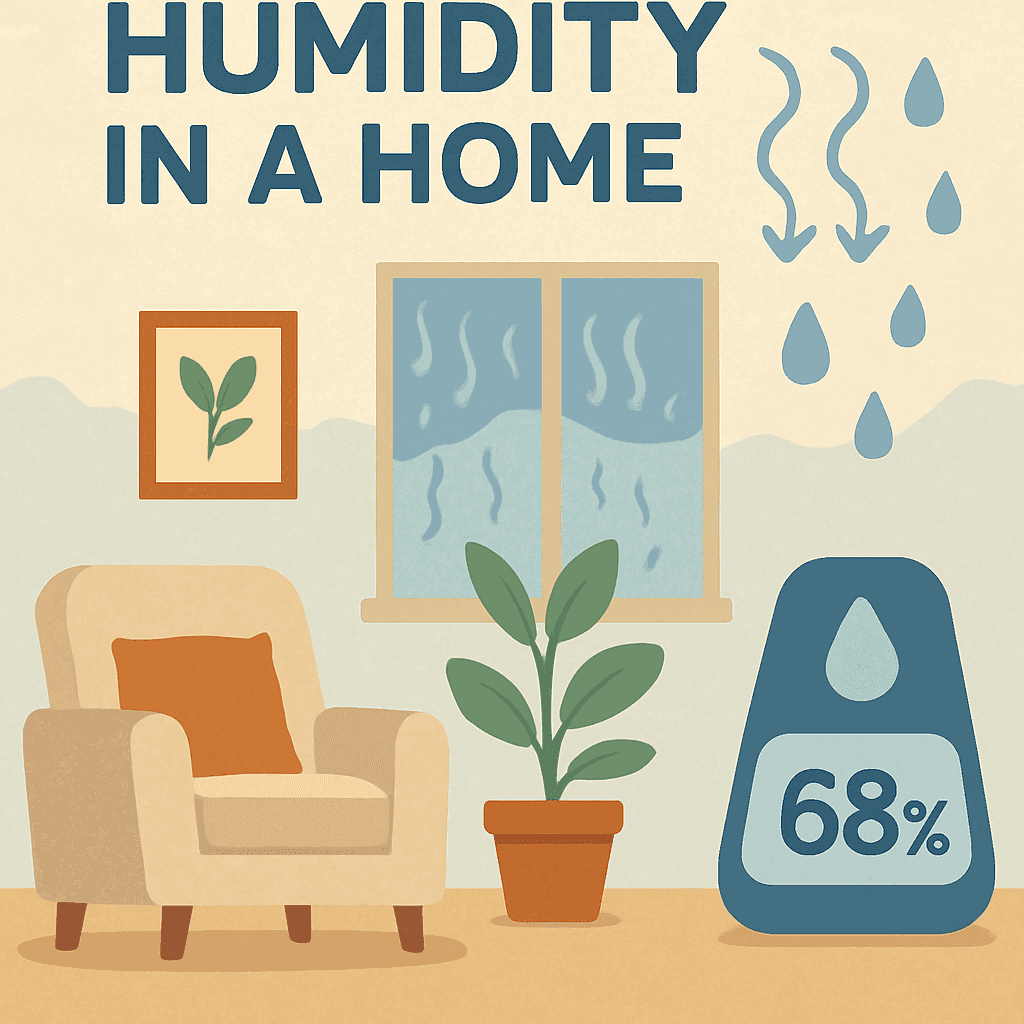
Humidity can have a significant impact on your HVAC system. Here’s why regular filter replacement is even more important when it’s humid.
Preventing Mold and Moisture Issues
Humidity creates the perfect environment for mold growth. If your HVAC filter is dirty, it can trap moisture, promoting mold growth. This not only affects your indoor air quality but can also lead to mold spreading throughout your HVAC system, potentially causing costly damage. Mold spores can infiltrate ductwork and spread throughout your home, impacting the health of all occupants.
Moreover, a dirty filter that retains moisture can lead to mildew, which can cause unpleasant odors and further degrade air quality. Regular filter replacement helps mitigate these risks by ensuring that your system remains dry and free from mold-inducing conditions.
Maintaining System Efficiency
A clean filter ensures that your HVAC system can operate at peak efficiency. In humid weather, your system needs to work harder to maintain a comfortable indoor temperature. A clean filter allows for proper airflow, reducing the strain on your system and helping it run more efficiently. This not only saves energy but also reduces wear and tear, extending the lifespan of your HVAC equipment.
The efficiency of your HVAC system is crucial in humid climates, as the system must handle both temperature regulation and moisture control. A clogged filter can compromise this delicate balance, leading to inconsistent indoor climates and higher energy consumption. By keeping your filter clean, you help your system perform optimally, providing a comfortable environment without excessive energy use.
Protecting Your Health
Increased humidity levels can exacerbate allergies and respiratory issues. A clean HVAC filter helps remove allergens and pollutants from the air, providing a healthier environment for you and your family. Pollen, dust mites, and other allergens are more prevalent in humid conditions, making it essential to have a fully functional filter to trap these irritants effectively.
Additionally, a clean filter ensures that your HVAC system can adequately dehumidify the air, reducing the risk of respiratory problems associated with high humidity. By maintaining a regular filter replacement schedule, you contribute to a healthier living space, reducing the likelihood of allergy flare-ups and respiratory discomfort for all household members.
How Often Should You Replace Your HVAC Filter?
The frequency of HVAC filter replacement can vary depending on several factors, including the type of filter you use, the number of people in your home, and whether you have pets. However, as a general rule of thumb, it’s recommended to replace your filter every 1-3 months. During periods of high humidity, you may need to replace it more frequently to ensure optimal performance.
Factors Influencing Replacement Frequency
Several factors can influence how often you should replace your HVAC filter. If you have pets, their hair and dander can quickly clog a filter, necessitating more frequent changes. Similarly, if anyone in your household suffers from allergies or respiratory issues, maintaining a clean filter is crucial for their health and comfort.
The type of filter you use also plays a significant role in replacement frequency. Higher efficiency filters capture more particles but may need to be replaced more often. Conversely, less efficient filters may last longer but provide less air quality improvement. Understanding these factors can help you determine the best replacement schedule for your specific situation.
Seasonal Considerations
Seasonal changes can also impact how often you should replace your HVAC filter. During the spring and fall, when pollen counts are high, more frequent filter changes may be necessary to maintain air quality. In the winter, when the heater is used more often, a clean filter is essential to prevent issues like a burnt smell or system overheating.
In humid climates, summer may require even more attention to filter maintenance due to increased moisture levels. By considering these seasonal factors, you can ensure that your HVAC system continues to operate efficiently and provides a comfortable indoor environment year-round.
Monitoring Filter Condition
One of the best ways to determine when to replace your HVAC filter is to regularly check its condition. A visual inspection can reveal whether the filter is clogged with dust and debris. If the filter appears gray or shows visible signs of dirt accumulation, it’s time for a replacement.
Additionally, pay attention to any changes in your system’s performance, such as reduced airflow or unusual noises, which may indicate a clogged filter. By staying vigilant and monitoring your filter’s condition, you can ensure timely replacements and maintain optimal air quality and system efficiency.
Steps to Replace Your HVAC Filter
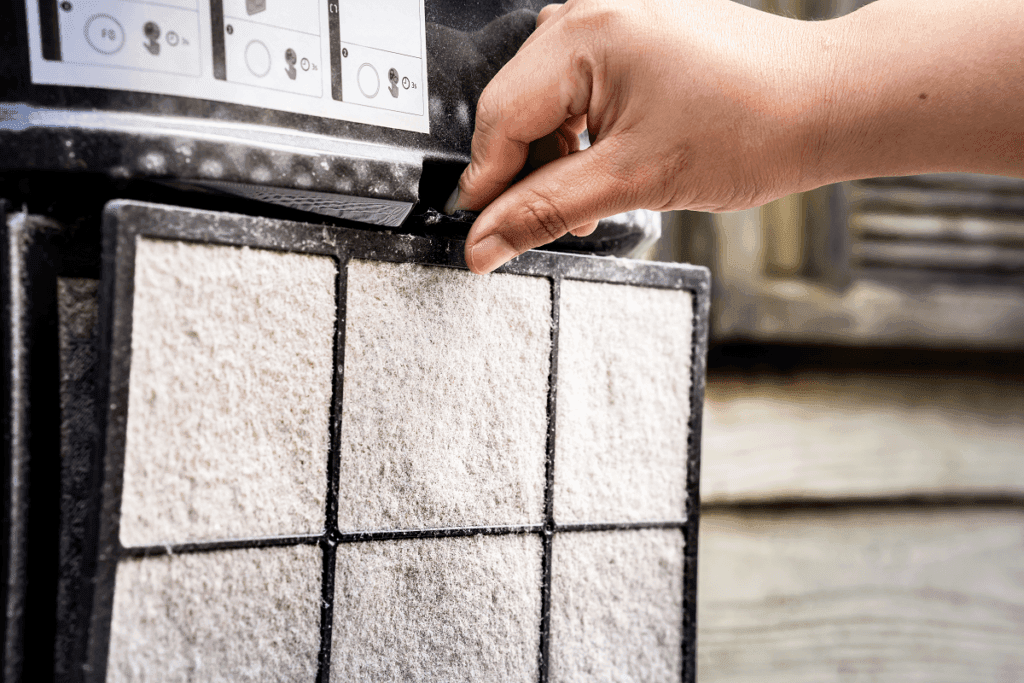
Replacing your HVAC filter is a simple task that can have a significant impact on your home’s comfort and efficiency. Here’s how to do it:
Turn Off Your HVAC System
Before replacing the filter, make sure your HVAC system is turned off to prevent any debris from being drawn into the system. This step is crucial for both safety and effectiveness, as it prevents the system from running without a filter and potentially causing damage.
Turning off the system also allows you to inspect the filter and surrounding area without the risk of dust or particles being sucked into the ductwork. This simple precaution ensures a clean and hassle-free filter replacement process.
Locate the Filter
The filter is usually located near the return air duct or blower compartment. Check your system’s manual if you’re unsure. Knowing the exact location of the filter is essential for a smooth replacement process, as filters can vary in placement depending on the HVAC model.
By familiarizing yourself with your system’s layout, you can quickly access the filter and complete the replacement efficiently. If you have difficulty locating the filter, consulting your system’s manual or seeking professional advice can provide the guidance needed.
Remove the Old Filter
Carefully remove the old filter, taking note of the filter’s size and airflow direction. This information is crucial for purchasing the correct replacement filter and ensuring proper installation. Handling the old filter with care prevents debris from scattering and making a mess.
If the filter is particularly dirty, consider using gloves or a mask to protect yourself from dust and allergens. Proper disposal of the old filter is also important, as a clogged filter can still release particles into the air if not handled correctly.
Install the New Filter
Insert the new filter, ensuring that it’s installed in the correct direction. The filter’s arrows should point towards the airflow direction. This step is critical for the filter to function properly, as incorrect installation can impede airflow and reduce efficiency.
Once the new filter is in place, double-check that it’s seated securely and fits snugly within the filter compartment. A properly installed filter will effectively capture particles and maintain optimal air quality and system performance.
Turn Your System Back On
Once the new filter is in place, turn your HVAC system back on and enjoy the benefits of clean, efficient air. Monitor the system for a few minutes to ensure that it’s operating smoothly and that the airflow is consistent.
If you notice any issues, such as unusual sounds or reduced airflow, recheck the filter installation or consult a professional for further assistance. Regular filter replacement not only improves air quality but also ensures that your HVAC system functions efficiently, providing comfort and peace of mind.
Trust the Professionals
While replacing your HVAC filter is a task you can handle yourself, there are times when it’s best to call in the professionals. If you notice any unusual sounds, persistent odors, or a significant drop in system performance, it may be time to have your system inspected by a professional.

When to Call a Professional
Certain issues may require the expertise of a trained HVAC technician. If you’ve replaced your filter but continue to experience problems like inadequate heating or cooling, it could indicate a more serious issue with your system. Professionals can diagnose and address these problems, ensuring that your system operates efficiently and effectively.
Additionally, regular professional maintenance can identify potential issues before they become major problems. Scheduling routine check-ups with an HVAC technician can save you money and extend the life of your system.
Benefits of Professional Maintenance
Professional HVAC maintenance offers several benefits, including improved energy efficiency, longer system lifespan, and enhanced indoor air quality. Technicians have the tools and knowledge to thoroughly clean and inspect your system, addressing issues that may not be visible to the untrained eye.
By investing in professional maintenance, you ensure that your HVAC system remains in top condition, providing reliable comfort and efficiency. This proactive approach can prevent costly repairs and ensure that your system operates at peak performance.
Choosing the Right Professional
When selecting an HVAC professional, it’s important to choose a reputable and experienced company. Look for certifications, customer reviews, and industry affiliations to ensure that you’re working with a trusted provider. A reliable HVAC professional will offer transparent pricing, quality service, and expert advice to meet your needs.
At LC Heating and Air Conditioning, we’re committed to providing high-quality service and ensuring your HVAC system is running at its best. Whether you’re dealing with humid weather, a burnt smell, or any other HVAC issue, our team is here to help. You can reach us at (818)858-7080 for all your HVAC needs.
Conclusion
Regular HVAC filter replacement is a small task that can have a significant impact on your home’s comfort and efficiency, especially during humid weather. By understanding the importance of a clean filter and taking proactive steps to maintain your system, you can ensure a healthy, efficient home environment.
Emphasizing Consistency
Consistency is key when it comes to HVAC maintenance. Establishing a regular filter replacement schedule can prevent many common issues associated with dirty filters and ensure that your system operates smoothly. This simple yet effective habit can enhance your home’s comfort, reduce energy costs, and improve air quality.
The Long-Term Benefits
The benefits of regular HVAC filter replacement extend beyond immediate comfort and efficiency. By maintaining your system, you contribute to its longevity, reducing the likelihood of costly repairs and replacements. A well-maintained HVAC system is an investment in your home’s future, providing reliable performance and peace of mind.
Trusting the Experts
When in doubt, trust the professionals at LC Heating and Air Conditioning to keep your system running smoothly. Our team is dedicated to serving the Los Angeles metropolitan area with pride and dedication, ensuring that your HVAC needs are met with expertise and care. We’re here to help you maintain a comfortable and healthy home environment, no matter the weather.
Changing HVAC filters regularly keeps your system running efficiently, reduces energy use, and supports cleaner air. Simple filter care helps avoid bigger HVAC problems and keeps your indoor environment healthier.
FAQ:
Why is HVAC filter replacement important?
Regular HVAC filter replacement keeps dust, pollen, and debris from clogging your system, improves airflow, and helps your HVAC operate efficiently and reliably.
How often should I replace my HVAC filter?
Most filters should be checked monthly and replaced every 1–3 months, but homes with pets, allergies, or heavy use may need more frequent changes.
Can a dirty HVAC filter cause problems?
Yes — a dirty or clogged filter can reduce airflow, strain system components, increase energy costs, and contribute to uneven heating or cooling.
Does replacing the HVAC filter improve indoor air quality?
Absolutely — clean filters trap allergens and pollutants, which helps reduce dust in your home and supports better breathing and overall comfort.
What type of filter should I use?
Choose a filter with the right MERV rating for your home’s needs — higher ratings capture smaller particles but may restrict airflow if not sized properly.
Can I replace the HVAC filter myself?
Yes — most homeowners can safely replace basic HVAC filters; just turn off the system, locate the existing filter, and insert a new one in the correct orientation.