TL;DR Summary for Those in a Hurry:
- Care for air purifying plants in hot weather by adjusting watering, light exposure, and humidity to prevent heat stress and keep them healthy.
- The guide explains how heat increases water needs and can dry out soil faster, so timely watering and shade during peak sun help plants thrive.
- Providing proper ventilation and avoiding direct scorching sun maintains optimal leaf health and growth.
- Using well-draining soil and periodically misting leaves supports moisture balance in arid conditions.
- Regular checks for signs of stress (wilting, browning) let you respond early and protect plant air-cleaning benefits.
In the bustling life of Los Angeles, where the temperature often soars, having air purifying plants at home can offer a refreshing oasis. These plants not only beautify your space but also improve air quality, acting as natural air filters. However, knowing how to care for air purifying plants during the sweltering heat requires some know-how. As temperatures rise, maintaining the health of these plants can become a bit challenging, but with the right strategies, you can ensure they continue to thrive.
This guide will walk you through the steps to ensure your air purifying plants thrive even on the hottest days. As a seasoned HVAC professional, I bring you these insights with a touch of local expertise and a focus on customer satisfaction. By following these tips, you can transform your home into a serene retreat, even in the peak of summer heat, while keeping your plants healthy and vibrant.
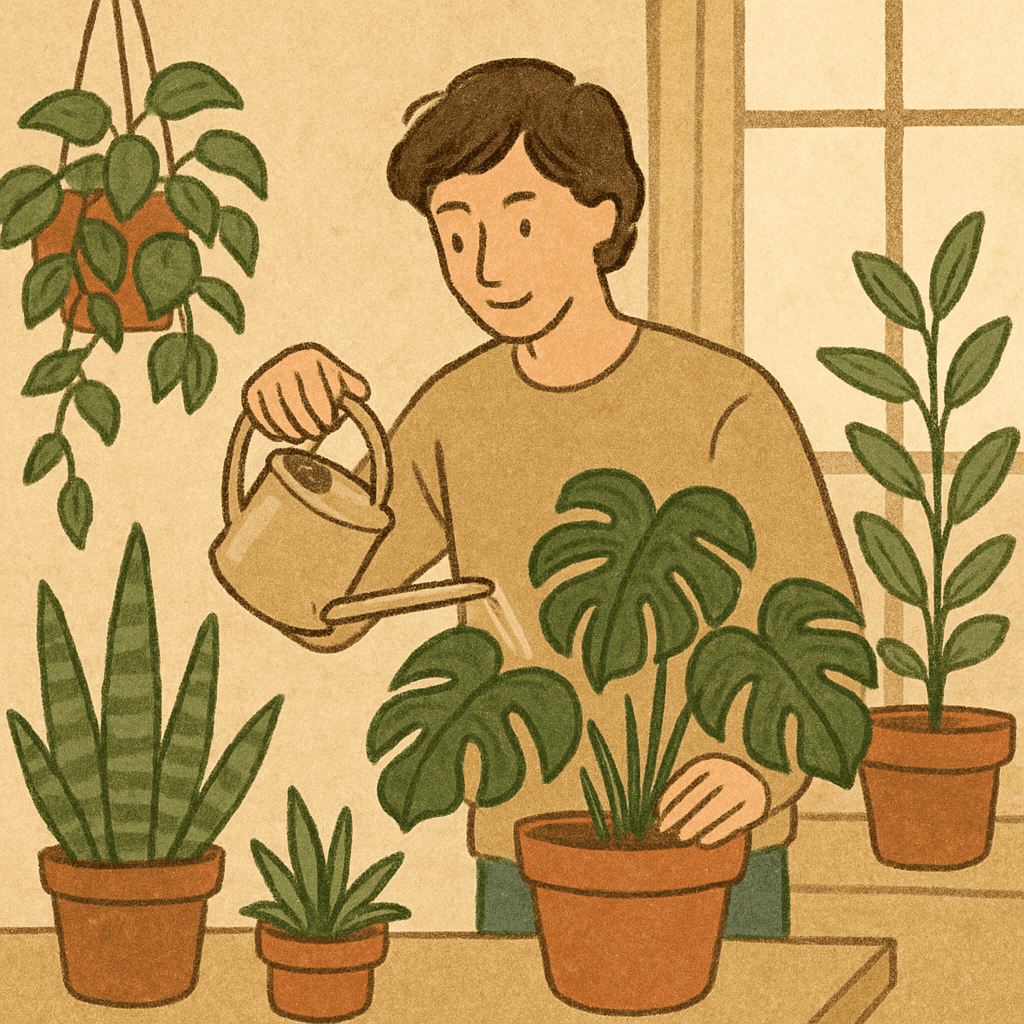
Air purifying plants have become popular due to their ability to cleanse the air of toxins and improve indoor air quality. They act as natural air purifiers, absorbing pollutants and releasing oxygen, which can significantly enhance the ambiance of any room. Some of the best houseplants for clean air include:
- Spider Plant: Known for removing pollutants like formaldehyde and xylene, the spider plant is easy to care for and highly effective.
- Peace Lily: Excellent for filtering out harmful chemicals such as ammonia, benzene, and formaldehyde, making it a powerful air cleaner.
- Boston Fern: Highly effective at removing pollutants, especially formaldehyde, and it also adds a lush, green aesthetic to your space.
- Snake Plant: One of the best indoor plants for oxygen and clean air, the snake plant is also known for its resilience and low maintenance needs.
NASA even recommends having one plant per 100 square feet for optimal air purification, making these plants a must-have for any home or office space. These plants are more than just decorative items; they are integral to creating a healthier living environment, contributing to improved well-being and productivity.
Challenges of Maintaining Air Purifying Plants in Heat
The heat can pose several challenges to maintaining healthy air purifying plants. High temperatures and dry air can lead to various issues that, if not addressed, can hinder the plant’s ability to thrive:
- Dehydration: Plants lose moisture quickly, especially in direct sunlight, which can lead to wilting and stress. Ensuring they have enough water without overwatering is crucial.
- Wilting: Leaves may wilt or turn brown due to excessive heat and insufficient water, affecting the plant’s overall appearance and health.
- Pest Infestations: Heat can attract pests that damage plants, such as spider mites and aphids, which thrive in warm, dry conditions.
Addressing these challenges ensures your plants continue to thrive and purify your air effectively. By being proactive and attentive to your plant’s needs, you can mitigate these issues and maintain a healthy indoor garden throughout the summer.
Tips for Caring for Your Plants During Hot Weather
1. Proper Watering
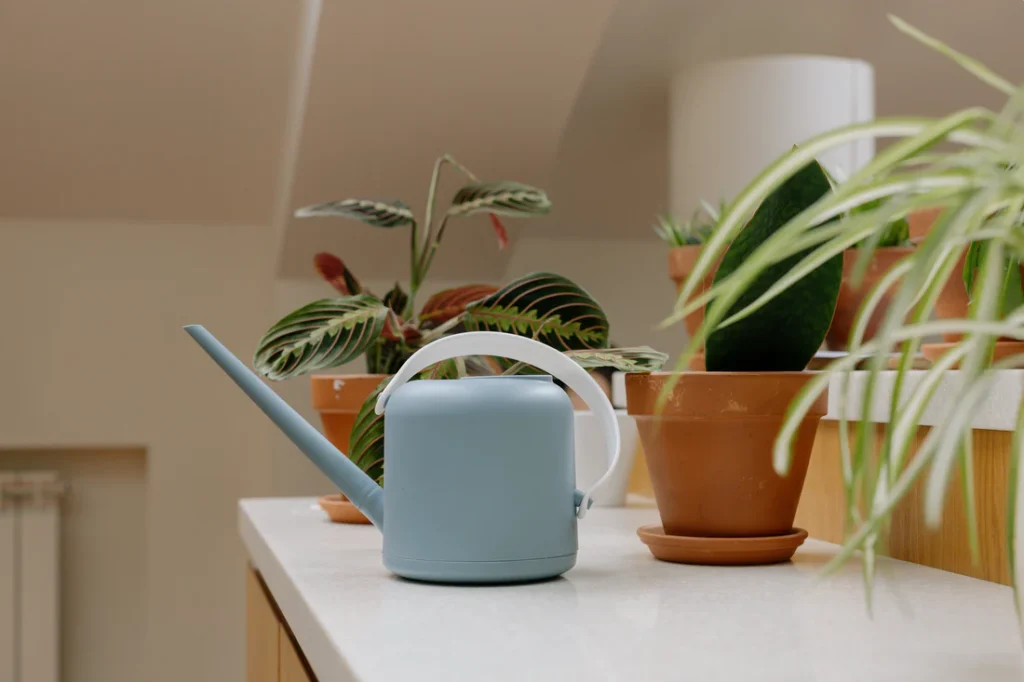
During hot weather, your plants will need more water than usual. However, overwatering can be just as harmful as underwatering. Here’s how to strike the right balance:
- Check Soil Moisture: Use your finger to check the soil moisture level. Water your plants when the top inch of soil is dry. This simple step prevents overwatering, which can lead to root rot.
- Water Early or Late: Water your plants early in the morning or late in the evening to minimize evaporation. This ensures that the water reaches the roots where it’s needed most.
- Consistent Schedule: Maintain a consistent watering schedule to prevent stress. Inconsistent watering can lead to fluctuations in plant health, making them more vulnerable to the heat.
2. Position Wisely
The placement of your plants can greatly affect their health during heatwaves:
- Avoid Direct Sunlight: Move plants away from direct sunlight to prevent leaf burn. Direct exposure to harsh sunlight can damage leaves and stunt growth.
- Use Sheer Curtains: If moving them isn’t an option, use sheer curtains to diffuse harsh sunlight. This creates a softer light environment that’s more conducive to plant health.
- Group Plants Together: Grouping plants can create a microclimate with higher humidity, beneficial during dry spells. This not only helps retain moisture but also enhances their overall resilience.
3. Increase Humidity
Many air purifying plants thrive in humid conditions. To increase humidity:
- Mist the Leaves: Lightly mist the leaves with water to simulate a humid environment. This simple action can provide much-needed moisture, especially for tropical plants.
- Use a Humidifier: A humidifier can maintain a stable moisture level in the air, benefiting both your plants and your comfort.
- Place on a Tray of Pebbles: Set your plants on a tray filled with pebbles and water to naturally increase humidity as the water evaporates. This method is effective and easy to implement.
4. Regular Maintenance
Regular maintenance is key to keeping your plants healthy:
- Prune Dead Leaves: Remove dead or yellowing leaves to encourage new growth. Pruning keeps your plants looking their best and prevents the spread of disease.
- Check for Pests: Regularly inspect for pests and treat any infestations promptly. Early detection is crucial for managing pest issues before they become severe.
- Fertilize Sparingly: Use a balanced fertilizer, but don’t over-fertilize during the heat as it can stress the plants. Too much fertilizer can lead to nutrient burn and weak growth.
Best Practices for Indoor Plant Care
Caring for air purifying plants isn’t just about surviving the heat. Implementing best practices ensures long-term health and vibrancy, creating a thriving indoor garden:
Choose the Right Plants
Choose plants suited to your environment. Some plants, like the Snake Plant and ZZ Plant, are more tolerant of neglect and can withstand dry conditions. Selecting the right plants ensures they can thrive with minimal intervention and adapt to your home’s specific conditions.
Monitor Light Exposure
Different plants have different light needs. Monitor and adjust their exposure accordingly to keep them thriving. Understanding these needs helps in positioning them in the right spot, whether they require bright, indirect light or can tolerate low-light conditions.
Rotate Your Plants
Rotate your plants occasionally so that all sides receive equal light exposure. This promotes even growth and prevents leaning. Regular rotation helps maintain a balanced shape and ensures all parts of the plant receive adequate sunlight.
Benefits of Air Purifying Plants
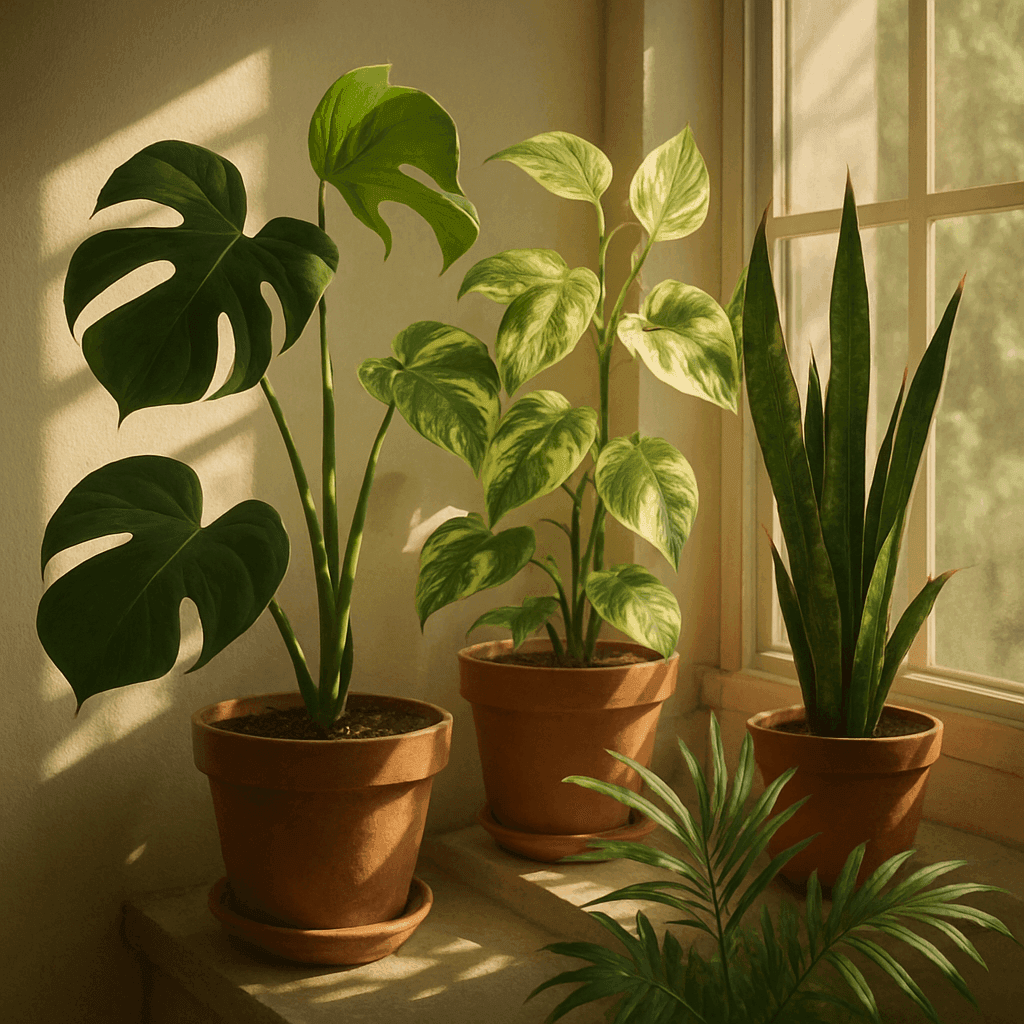
Having air purifying plants isn’t just about aesthetics. These plants provide numerous health benefits that extend beyond their visual appeal:
- Improved Air Quality: They filter out toxins and increase oxygen levels, contributing to a healthier indoor environment.
- Enhanced Mood and Productivity: Plants create a calming environment that boosts mood and productivity. Their presence can reduce stress and foster a more positive atmosphere.
- Natural Humidifiers: They release moisture into the air, improving humidity levels naturally. This is particularly beneficial in dry climates, aiding in respiratory comfort and skin health.
When to Call a Professional
While caring for plants can be a rewarding task, sometimes professional assistance is needed, especially when dealing with HVAC systems that affect your indoor climate:
- Persistent Plant Issues: If your plants continue to struggle despite your best efforts, it may be time to consult a specialist to diagnose underlying problems.
- HVAC Concerns: If your HVAC system isn’t maintaining optimal conditions for your plants, it may need servicing. An HVAC professional can ensure your system supports a healthy environment for both you and your plants.
Feel free to reach out to LC Heating and Air Conditioning for professional advice and services tailored to your needs. Visit our website lahvaclc.com or call us at (818)858-7080. We’re here to ensure your home environment is as comfortable and healthy as possible.
Conclusion: How to Care for Air Purifying Plants
Caring for air purifying plants in the heat requires attention to detail and a little extra care. By understanding their needs and adjusting your care routine, you can enjoy the benefits of cleaner air and a more pleasant living space. These efforts not only protect your plants during the hottest months but also enhance your home’s overall environment.
Remember, I’m here to help with any questions you might have about maintaining a healthy home environment. Trust in quality, and let’s make your home a haven of comfort and freshness. With a bit of knowledge and effort, your air purifying plants can thrive, providing beauty and health benefits year-round.
Effective care for air purifying plants in heat ensures they continue improving indoor air quality while staying vibrant — adjust watering, protect from intense sun, and monitor plant health regularly.
FAQ:
How do I adjust watering for air purifying plants in hot weather?
In heat, plants typically need more frequent watering, but always check soil moisture first — water when the top inch feels dry to avoid over-watering.
Can too much sun damage air purifying plants?
Yes — direct, intense sunlight can scorch leaves. Most air purifying plants do best in indirect or filtered light, especially during the hottest part of the day.
Should I mist my plants in the heat?
Misting can help increase humidity around your plants, which is beneficial in dry, hot environments, but it shouldn’t replace regular watering.
What are signs my plant is stressed from heat?
Look for wilting, browning leaf edges, or drooping leaves — these often indicate heat stress or dehydration.
How important is soil type in caring for plants in hot conditions?
Very — using well-draining soil helps prevent roots from staying waterlogged while still providing necessary moisture during heat spells.
Should I move my plants indoors during heatwaves?
Yes — if outdoor temperatures soar or direct sun is too intense, relocating plants to cooler, shaded indoor spots can protect them and maintain their air purifying benefits.