TL;DR Summary for Those in a Hurry:
- Furnace not heating explains the common reasons your furnace stops producing heat and offers practical maintenance tips to restore performance and avoid future issues.
- Check simple things first, like thermostat settings, dirty filters, and power or gas supply before assuming a major problem.
- Regular maintenance — including filter changes and annual professional tune-ups — helps catch issues early and keeps your furnace working efficiently.
- Knowing when to call a professional can save time, prevent further damage, and ensure safe operation.
- Following these tips improves comfort, reduces repair costs, and extends your furnace’s lifespan.
# Furnace Not Heating? Maintenance Tips for Furnace Heating Elements
When the chill of winter sets in, there’s nothing quite as comforting as a warm home. But what happens when your furnace decides to take a break? If your furnace isn’t heating properly, the culprit might be the heating element. Understanding this component and knowing how to maintain it can save you from the discomfort of a cold home. Here, we’ll explore essential maintenance tips for furnace heating elements, ensuring your home stays cozy.
Understanding Your Furnace Heating Element
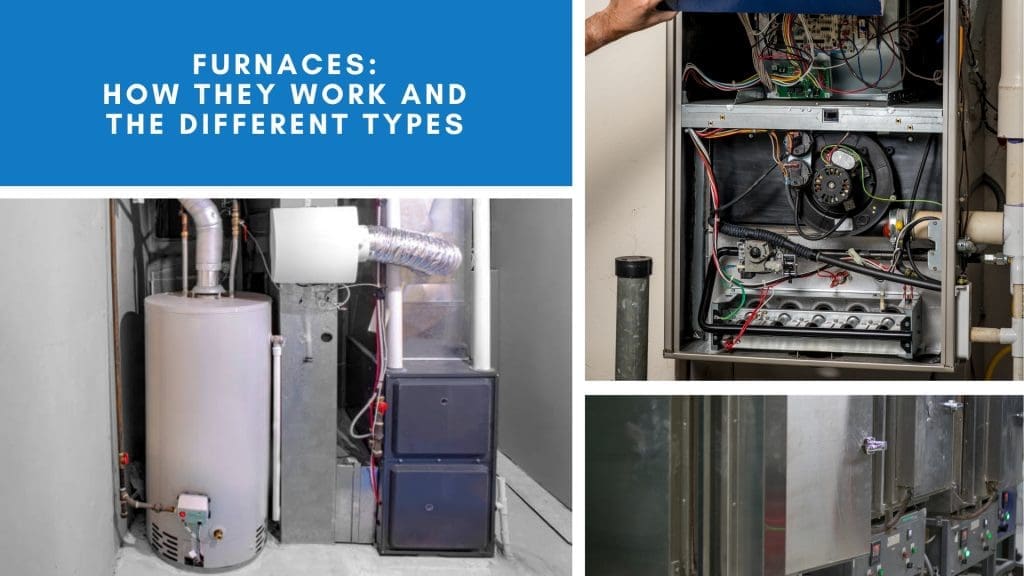
The heating element is a critical part of your furnace system. Whether you have a gas furnace, electric furnace, or a hybrid, the heating element is responsible for generating the heat that warms your home. In electric furnaces, the heating element is an electric coil, while in gas furnaces, it’s a burner that ignites the gas.
Common Problems with Heating Elements
Heating elements can face several issues. These include:
- Burnout: Like a light bulb, heating elements can burn out over time.
- Corrosion: Moisture and dust can corrode the element, reducing efficiency.
- Electrical Issues: Faulty wiring or connections can prevent the element from functioning properly.
Recognizing these problems early can prevent costly repairs and prolonged discomfort.
Maintenance Tips for Optimal Performance
Regular Inspections
Regular inspections by a professional HVAC technician can help catch issues early. They can check for signs of burnout, corrosion, and electrical problems. Scheduling a bi-annual inspection can keep your furnace running efficiently.
Cleaning the Furnace
Dust and debris can accumulate inside your furnace, causing the heating element to overheat or corrode. Regular cleaning can prevent this. Turn off the power to the furnace, remove the access panel, and gently clean the interior with a vacuum or soft brush.
Replacing the Heating Element
If your heating element is damaged or burnt out, it may need replacing. While you might be tempted to tackle this yourself, it’s often best left to professionals. They have the tools and expertise to ensure the replacement is done safely and correctly. Plus, a professional can help you find energy-efficient furnace options or potential furnace rebates that might be available.
Troubleshooting Common Furnace Issues
Check the Thermostat
Before you dive into furnace repairs, ensure that your thermostat is set correctly. Sometimes, the solution is as simple as adjusting the settings or replacing the batteries.
Inspect the Circuit Breaker
Your furnace might not be heating if the circuit breaker has tripped. Check your electrical panel and reset any tripped breakers.
Consider the Age of Your Furnace
Older furnaces, especially those with outdated heating elements, may struggle to maintain efficiency. If your furnace is more than 15 years old, it might be time to consider a replacement. Newer models, like those from Goodman, are designed to be more energy-efficient, saving you money on utility bills.
When to Call a Professional
While some maintenance tasks can be handled by homeowners, there are times when calling a professional is necessary:
- Persistent Problems: If your furnace continues to malfunction despite troubleshooting, a professional evaluation is needed.
- Strange Noises: Unusual sounds could indicate serious issues.
- Gas Smell: If you detect a gas odor, immediately evacuate your home and contact a professional.
Benefits of Professional Maintenance
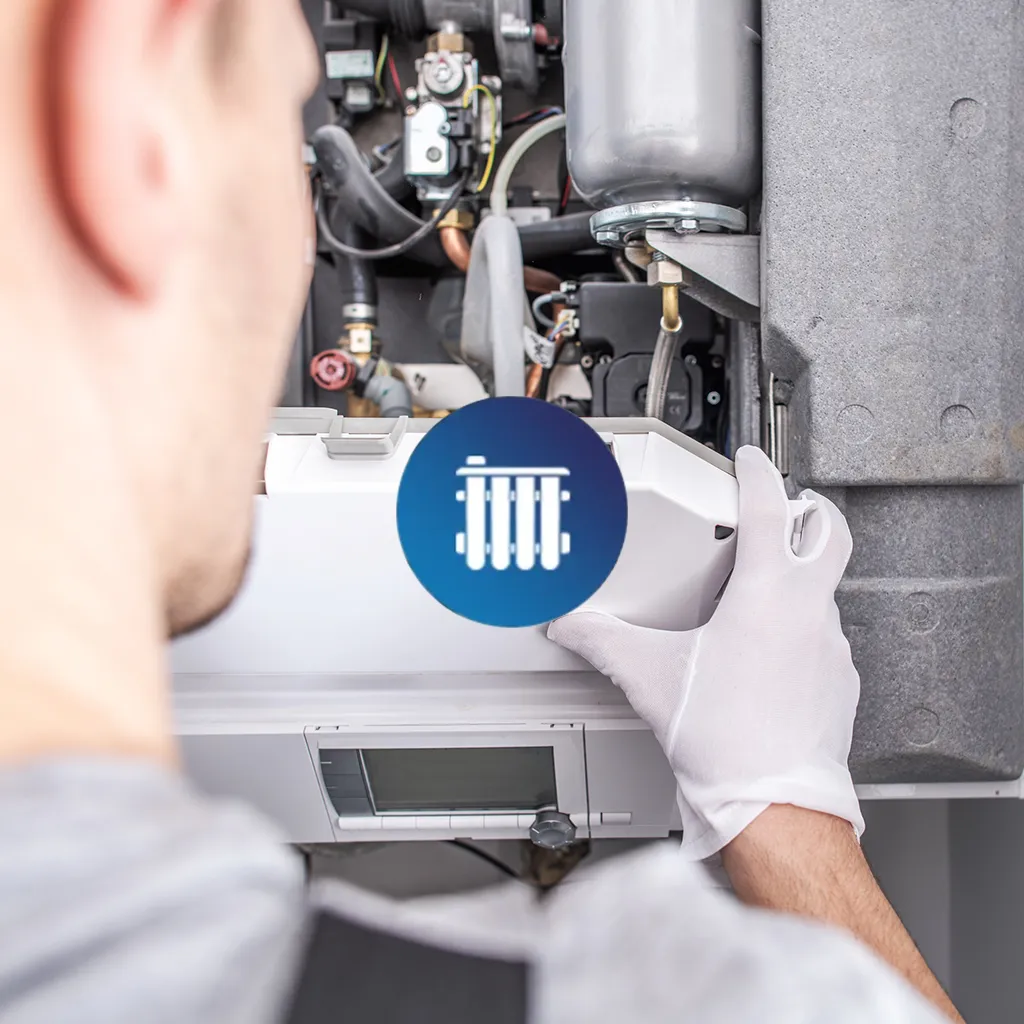
Professional maintenance offers several benefits:
- Increased Efficiency: Regular tune-ups can improve furnace efficiency, reducing energy consumption.
- Extended Lifespan: Proper care can prolong the life of your furnace.
- Peace of Mind: Knowing that a qualified professional has inspected and maintained your system ensures reliability during cold months.
Making the Most of Your Furnace System
Investing in regular maintenance and understanding your furnace’s components can go a long way in ensuring comfort and efficiency. Remember to keep your system clean, replace parts as needed, and consult a professional for complex issues.
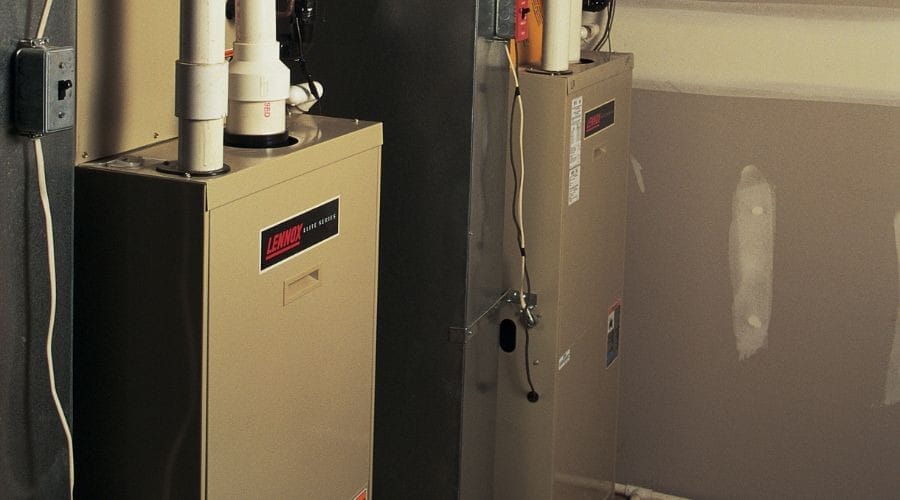
Conclusion: Furnace not heating
A well-maintained furnace heating element is key to a warm and comfortable home. By following these maintenance tips, you can prevent unexpected breakdowns and extend the life of your system. And remember, when in doubt, don’t hesitate to contact a trusted HVAC professional. At LC Heating and Air Conditioning, we’re here to help you with all your heating needs, ensuring your home remains a cozy sanctuary.
For those living in the Los Angeles metropolitan area, feel free to reach out for expert advice or service. We’re committed to providing quality, trust, and customer satisfaction in every service we offer.
Furnace not heating? Start with basic checks, keep up with maintenance, and seek expert help when needed to ensure reliable warmth and lower long-term costs.
FAQ:
Why is my furnace not heating even though it turns on?
If your furnace turns on but doesn’t produce heat, common causes include a dirty air filter, thermostat issues, a malfunctioning ignition system, or restricted airflow. A professional inspection can quickly identify the root cause.
What should I check first when my furnace is not heating?
Start by checking the thermostat settings, replacing the air filter, and ensuring the circuit breaker hasn’t tripped. Also, make sure air vents are open and not blocked by furniture or debris.
Can a dirty filter cause a furnace to stop heating?
Yes. A clogged air filter can restrict airflow, causing the furnace to overheat and shut down as a safety measure. Replacing the filter is one of the easiest and most effective fixes.
Is it safe to keep running a furnace that isn’t heating properly?
When should I call a professional for furnace repair?
If basic troubleshooting doesn’t restore heat, or if you notice unusual noises, burning smells, or frequent system cycling, it’s time to contact a professional HVAC technician for a thorough diagnosis.
Do you provide emergency furnace repair services?
Yes. LC Heating and Air Conditioning offers emergency furnace repair services to restore heat quickly when unexpected issues occur, especially during colder weather.