TL;DR Summary for Those in a Hurry:
- Ultra-Low NOx Furnace rules require new and replacement gas furnaces in regulated areas (like Pasadena and the South Coast air basin) to emit very low levels of nitrogen oxides (NOx) — typically around 14 ng/J or less, which sharply cuts smog-forming pollution.
- These standards go beyond older “low NOx” limits and help improve outdoor air quality and public health by reducing NOx emissions linked to smog and respiratory issues.
- Homeowners and contractors must install certified Ultra-Low NOx furnaces to pass local inspections and comply with regional air quality rules.
- Choosing compliant furnaces — and working with knowledgeable HVAC professionals — ensures legal installation, better air quality outcomes, and access to potential incentives.
Pasadena homeowners, a significant change is on the horizon. By 2026, new regulations will require ultra-low NOx furnaces in residential homes. This shift is part of a broader effort to improve air quality across California.
Understanding these changes is crucial. The South Coast Air Quality Management District (SCAQMD) has set these rules to reduce nitrogen oxide emissions. These emissions contribute to smog and poor air quality, affecting health and the environment.
For many, this means upgrading their current heating systems. But what exactly is an ultra-low NOx furnace? And how does it differ from standard models? These are important questions to consider.
The transition might seem daunting. However, it offers significant benefits. Upgrading can lead to better air quality and energy savings. Plus, there are incentives and rebates available to ease the financial burden.
Homeowners should start preparing now. Understanding the timeline and requirements will help ensure compliance. Consulting with HVAC professionals can provide guidance and peace of mind.
This article will guide you through the critical facts. It aims to empower you with the knowledge needed to make informed decisions. Let’s explore what these changes mean for you and your home.
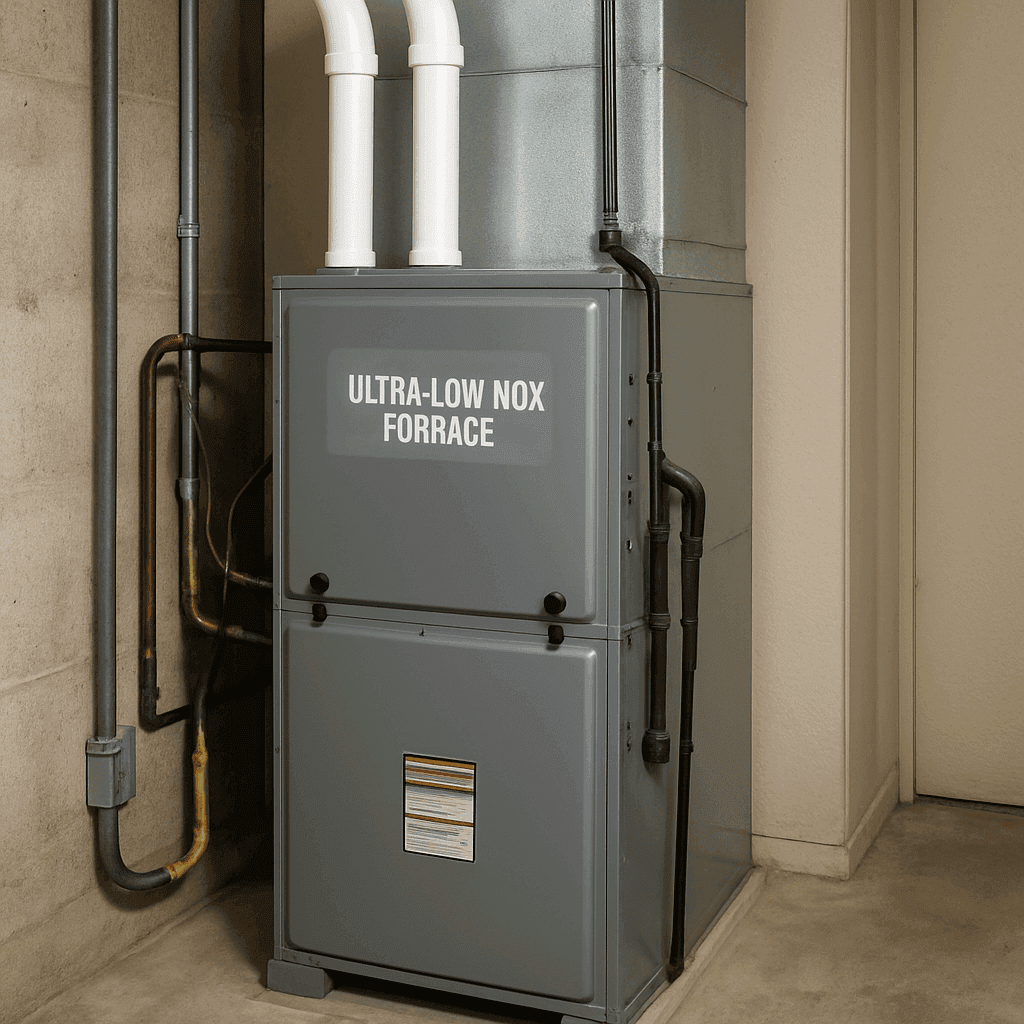
What Is an Ultra-Low NOx Furnace? Understanding the Basics
An ultra-low NOx furnace is designed to minimize nitrogen oxide emissions. These advanced furnaces release fewer pollutants into the air, benefiting both health and the environment.
Unlike conventional furnaces, ultra-low NOx models incorporate specific technologies. These innovations efficiently reduce emissions without sacrificing performance.
Here’s what sets them apart:
- Advanced Combustion Technology: Limits the production of nitrogen oxides.
- Enhanced Heat Exchange: Improves energy efficiency.
- Optimized Burner Designs: Reduces environmental impact.
These features make ultra-low NOx furnaces both eco-friendly and efficient. Residents in Pasadena will find these features align well with local air quality goals.
Understanding how these furnaces work is crucial. It’s important to note that while they cost more upfront, they offer long-term savings on energy bills.
Homeowners can expect a decrease in emissions leading to a healthier indoor environment. This technology represents a significant step forward in residential heating. As awareness grows, more people are opting to upgrade for cleaner air.
SCAQMD Rule 1111: The Driving Force Behind Pasadena’s 2026 Furnace Regulations
The South Coast Air Quality Management District (SCAQMD) introduced Rule 1111 to tackle air pollution. Its focus is on reducing nitrogen oxide emissions from residential gas furnaces. This regulation is particularly relevant for Pasadena residents.
SCAQMD Rule 1111 mandates that new furnaces meet strict NOx emission standards. This rule is part of a broader initiative to improve air quality across Southern California.
The upcoming 2026 regulation deadline is a key milestone. Residents in Pasadena need to ensure compliance with these rules to avoid penalties.
Key aspects of Rule 1111 include:
- Emission Limits: Maximum of 14 nanograms per joule of heat output.
- Compliance Deadlines: Enforcement begins in 2026.
- Focus on New Furnaces: Existing units are not affected, but replacements must comply.
These measures aim to protect public health by reducing harmful emissions. Compliance with Rule 1111 also supports California’s environmental objectives.
Homeowners should understand the importance of these regulations. Upgrading to compliant furnaces helps contribute to cleaner air.
The role of HVAC professionals is crucial in this transition. They’ll provide guidance on selecting appropriate compliant systems. Residents can thus ensure they meet requirements without sacrificing comfort.
By adopting these new technologies, Pasadena residents become active participants in environmental stewardship. This way, they contribute to a healthier living environment for everyone.
Why Reducing Nitrogen Oxide Emissions Matters for Pasadena and California Air Quality
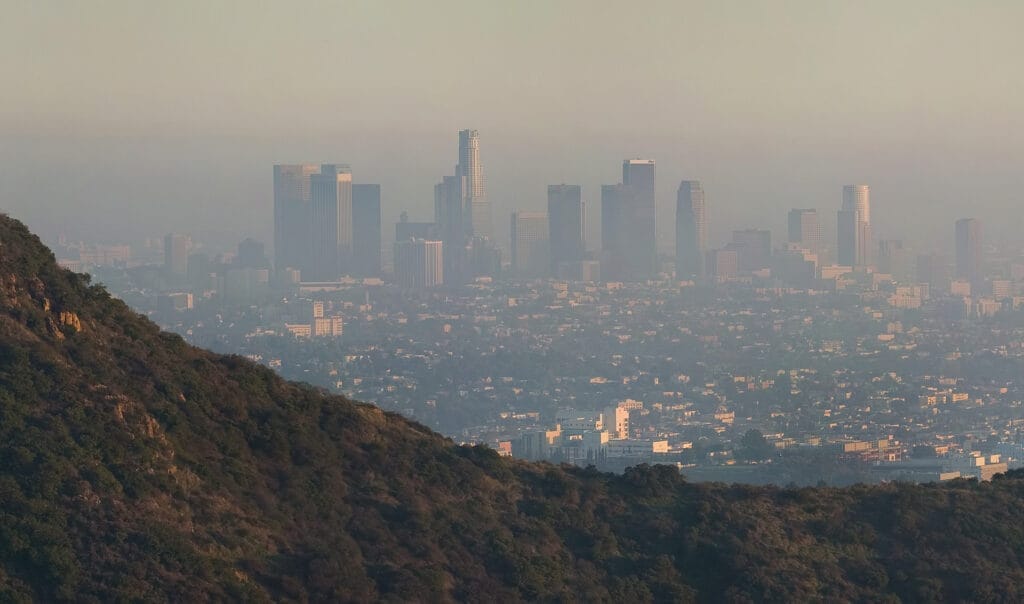
Nitrogen oxide (NOx) emissions are a significant concern for air quality. These pollutants contribute to smog and have adverse health effects. Pasadena and California aim to mitigate these problems by implementing strict regulations.
High levels of NOx emissions can exacerbate respiratory issues. They particularly affect children, the elderly, and those with asthma. Reducing these emissions is vital for public health and the environment.
by Konstantin Kitsenuik (https://unsplash.com/@kos8256)
Improvements in air quality can lead to:
- Health Benefits: Lower incidence of respiratory illnesses.
- Environmental Gains: Reduced smog and haze.
- Climate Impact: Decreased greenhouse gas effect.
California has been at the forefront of environmental advocacy. Its stringent regulations serve as a model for other states. Reducing NOx emissions aligns with these broader environmental goals.
For Pasadena, local air quality improvement means a healthier, more vibrant community. Residents can enjoy cleaner air and better overall health. Supporting these initiatives not only helps the environment but also enhances the quality of life for everyone.
The 2026 Timeline: What Homeowners Need to Know About Compliance
By 2026, Pasadena residents must comply with the new ultra-low NOx furnace regulations. These rules are part of a larger initiative to improve air quality. SCAQMD Rule 1111 is the driving force behind this change.
Understanding the timeline is crucial for homeowners. It ensures you have ample time to prepare. Acting early can prevent last-minute rushes and stress.
Key dates and steps include:
- 2023-2025: Begin exploring furnace options.
- Early 2025: Schedule a consultation with an HVAC professional.
- Late 2025: Plan installation before the 2026 deadline.
Staying ahead of these deadlines offers several advantages. It allows you to secure your preferred HVAC contractor. You can also take advantage of potential rebates and incentives.
Non-compliance could lead to penalties and increased costs. Ensuring your furnace meets the required standards by 2026 is essential. Compliance not only protects your health but also the environment.
The Benefits of Upgrading to an Ultra-Low NOx Furnace in Pasadena
Upgrading to an ultra-low NOx furnace offers multiple benefits. This move is not just about compliance. It also brings significant advantages to your home and environment.
Firstly, ultra-low NOx furnaces significantly cut nitrogen oxide emissions. This helps reduce air pollution and protect public health. Cleaner air means fewer respiratory problems for you and your family.
In terms of energy efficiency, these furnaces excel. They often lead to lower utility bills, making them a cost-effective choice. Over time, your savings can be substantial.
Here’s what an upgrade can offer:
- Enhanced Comfort: Improved heating consistency throughout your home.
- Environmental Impact: Contribute to better local air quality.
- Long-Term Savings: Reduced energy costs and potential rebates.
- Health Benefits: Less exposure to harmful pollutants.
Moreover, using an ultra-low NOx furnace increases your home’s value. Buyers are attracted to eco-friendly and efficient features. This can be a selling point if you decide to move.
Ultimately, the shift to an ultra-low NOx furnace aligns with California’s environmental goals. It’s an investment in a sustainable, healthier future.
Costs, Incentives, and Rebates: Making the Transition Affordable
Switching to an ultra-low NOx furnace might seem costly, but strategic planning can ease the financial burden. Understanding the expenses and available financial assistance helps you manage this transition smoothly.
Typically, the upfront cost of an ultra-low NOx furnace is higher than standard models. However, the investment can be offset by energy savings over time. Reduced utility bills often lead to significant long-term savings.
Several incentives can make your upgrade more affordable. Various government programs and local utilities offer rebates for eco-friendly heating solutions. Exploring these options can reduce the initial outlay.
Here are some types of financial assistance to consider:
- Government Rebates: Federal and state incentives for clean energy installations.
- Utility Discounts: Special rates or rebates from local energy providers.
- Tax Credits: Opportunities to lower taxable income through energy-efficient upgrades.
Researching these options before upgrading will save money and reduce stress. Consulting with an HVAC professional can help identify rebates that apply to your situation. Through careful planning, transitioning to an ultra-low NOx furnace becomes a smart, cost-effective choice for environmentally-conscious homeowners in Pasadena.
How to Prepare: Steps for Ensuring Your Home Is Ready for 2026
Preparing for the upcoming ultra-low NOx furnace regulations in Pasadena involves proactive planning. Being informed and organized can help homeowners transition smoothly.
Start by assessing your current furnace’s condition. An expert evaluation reveals the system’s efficiency and compliance status. This step is crucial for identifying if replacement or significant upgrades are necessary.
Consider scheduling regular maintenance checks. Frequent inspections ensure that your furnace operates at peak efficiency. This also helps identify potential issues before they escalate.
Here’s a checklist to guide your preparation:
- Evaluate System Status: Conduct a professional assessment.
- Schedule Maintenance: Plan periodic inspections and tune-ups.
- Research Options: Explore available furnace models and technologies.
- Consult HVAC Experts: Seek advice on suitable upgrades.
- Plan Financially: Budget for potential replacements and rebates.
Research thoroughly to understand the different furnace technologies available. Evaluate which models align best with your needs and financial situation. Informed decisions support a seamless transition while maximizing efficiency and compliance. Lastly, partner with a reliable HVAC professional who understands local regulations and can guide you through the installation process, ensuring you’re prepared well before the 2026 deadline.
Common Myths and Misconceptions About Ultra-Low NOx Furnaces
Misunderstanding new technology can lead to hesitation. Several myths cloud ultra-low NOx furnaces, deterring homeowners from upgrading.
One common myth is that these furnaces are costly and inefficient. However, they’re designed to be energy-efficient, providing savings over time.
Another misconception is that installation will disrupt your home. With a skilled technician, the process can be smooth and minimally invasive.
To clear the confusion, here’s a concise list to debunk these myths:
- Myth 1: Ultra-low NOx furnaces are too expensive.
- Myth 2: They are less efficient than traditional models.
- Myth 3: Installation is overly complex.
Understanding the truth behind these myths can help alleviate concerns. Embracing ultra-low NOx technology offers both environmental and economic benefits, ensuring peace of mind and enhanced comfort in your home.
Choosing the Right HVAC Partner for Your Ultra-Low NOx Furnace Upgrade
Finding a trustworthy HVAC partner is key for your furnace upgrade. A reliable contractor ensures smooth installation and adherence to regulations.
Start by researching local companies with experience in ultra-low NOx systems. Read reviews and ask for recommendations from friends or neighbors.
Consider these tips when selecting an HVAC professional:
- Certification: Ensure the contractor is licensed and insured.
- Experience: Look for someone with expertise in ultra-low NOx technology.
- Estimates: Get detailed quotes from multiple providers.
A reliable HVAC partner offers clear communication and expert advice. They’ll provide insights into maintaining your new system for optimal performance.
Ultimately, the right partner not only installs the furnace but also assists in making informed decisions. This collaboration ensures a successful transition to a more eco-friendly home heating solution.
Real Stories: Pasadena Homeowners Who Made the Switch
Homeowners across Pasadena have embraced ultra-low NOx furnaces. Their experiences highlight the benefits and challenges of making this transition.
Chloe, an architect, was one of the first to upgrade. Her meticulous research led her to a reputable HVAC contractor who valued her home’s integrity. She now enjoys even heating and lower emissions.
Sarah, a busy mom, found the process daunting at first. However, with the guidance of a knowledgeable contractor, she achieved a stress-free installation. Her new system brought immediate relief during the hot summer months.
Consider these outcomes from homeowners who made the switch:
- Chloe: Preserved home’s character with expert installation.
- Sarah: Experienced better indoor comfort and air quality.
Hearing these stories can inspire confidence. Knowing others have successfully navigated the process assures you that the transition is manageable and worthwhile.
Looking Ahead: The Future of Residential Heating and Air Quality in Pasadena
Pasadena is at the forefront of environmental progress. With the 2026 ultra-low NOx furnace regulations approaching, residents are encouraged to innovate in home heating.
The push for cleaner air is a priority. These changes align with broader goals to enhance California’s air quality. This initiative promotes sustainable living, impacting how homes are heated and maintained.
Expect more advancements in furnace technology. As the market adapts, new eco-friendly designs promise further energy savings. This evolution supports not only compliance but also greater efficiency and comfort.
Consider the future residential heating shifts:
- Increased adoption of ultra-low NOx systems
- Enhanced energy efficiency standards
- Continued rise in sustainable technology solutions
These transformations reflect a commitment to a healthier environment. Embracing these changes ensures Pasadena remains a leader in air quality and residential living standards.
Conclusion: Taking the Next Step Toward Cleaner Air and a Healthier Home
Pasadena’s shift to ultra-low NOx furnaces is a significant step forward. This change not only improves air quality but also enhances the health of residents.
Homeowners have a unique opportunity. By transitioning to compliant systems, they contribute to a cleaner environment and community well-being.
As the 2026 deadline approaches, take action. Embrace this chance to upgrade and ensure your home is part of Pasadena’s sustainable future. Your decision today can lead to a healthier tomorrow.
Pasadena and nearby districts enforce strict NOx limits on new furnace installations to reduce pollution and protect health. Installing an Ultra-Low NOx furnace keeps your home compliant, cleaner, and aligned with local air quality goals.
FAQ:
What do Pasadena’s Ultra-Low NOx furnace rules require?
Pasadena’s Ultra-Low NOx requirements mandate that new and replacement gas furnaces installed in the region meet very low nitrogen oxide emission limits—typically 14 ng/J or less—to reduce air pollution and protect public health.
Why are Ultra-Low NOx furnaces important?
Ultra-Low NOx furnaces cut back on smog-forming nitrogen oxide emissions significantly compared to older models, leading to cleaner outdoor air and fewer respiratory health concerns for local communities.
Who must comply with the Ultra-Low NOx rules?
Homeowners, contractors, and manufacturers must ensure that any new installation or replacement furnace in Pasadena and the surrounding air basin complies with the Ultra-Low NOx standards or faces inspection issues and possible penalties.
Can I keep using my existing furnace if it’s not Ultra-Low NOx?
Yes — existing furnaces installed before the rule take effect can typically continue operating, but replacements or new installations must meet the stricter emissions limit.
Do Ultra-Low NOx furnaces cost more?
They may cost slightly more upfront than standard models, but many local programs offer rebates or incentives to help offset the initial price and long-term energy savings.
How do I confirm a furnace meets the Ultra-Low NOx standard?
Look for official certification labels and manufacturer documentation showing compliance with the 14 ng/J NOx limit and work with an experienced HVAC professional familiar with regional air-quality codes.