The Los Angeles heat is relentless, and your air conditioner just died. Before you panic, know this: many common AC failures can be fixed in under five minutes with zero experience. Instead of assuming the worst, it’s worth starting with the basics. Simple oversights like a tripped breaker or a thermostat setting are often the culprit, and these quick checks can save you time, stress, and the cost of an unnecessary service call.
This guide covers three safe checks you can perform right now and provides a clear roadmap for when to call a professional, putting you in control of the situation from start to finish.
What to Check Before Calling for Service: The 3-Minute Triage
When your AC quits in a heatwave, many seemingly catastrophic issues have simple solutions. Run through this quick 3-step triage before calling for service:
Check the Thermostat: This is the brain of your system and the most common culprit. Make sure it’s set to COOL (not “Heat” or “Fan Only”) and that the target temperature is at least 5 degrees below the current room temperature. If the settings are correct, it’s time to move on.
Check the Circuit Breaker: Your air conditioner uses a lot of electricity and has its own dedicated safety switches in your home’s electrical panel. If the system overloads, a breaker might “trip” to prevent damage. Find the breaker labeled “AC” or “Air Conditioner,” flip it firmly to the OFF position, and then back ON. Important: Only do this once. If it trips again, leave it off and call a professional, as this indicates a deeper electrical problem.
Check the Air Filter: A dirty air filter is like forcing your AC to breathe through a dusty rag. It suffocates the system, restricting airflow and forcing it to work so hard that it can overheat and shut down completely. If your filter is visibly gray and caked with dust, replacing it could solve the issue instantly.

If you’ve completed these three checks and your AC unit is still blowing hot air suddenly or won’t turn on at all, it’s a clear sign the problem is more serious. Now, it’s time to investigate what those specific symptoms might mean.
What Do These Strange AC Symptoms Mean?
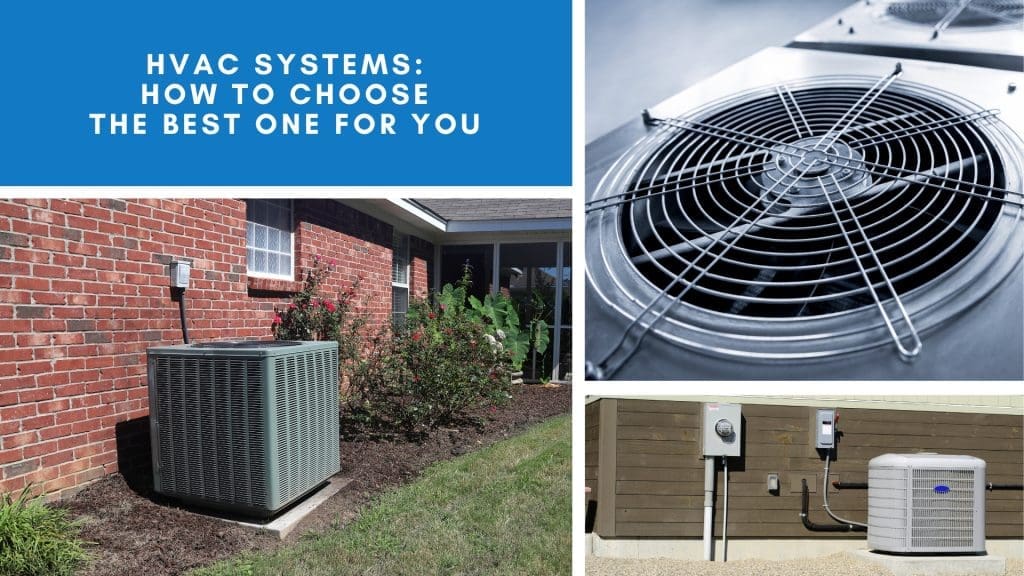
So, you’ve gone through the basic checks, and the problem is clearly with the AC unit itself. The specific sounds and symptoms you’re noticing are valuable clues. For example, if you hear an air conditioner making a loud buzzing noise from the outside unit but the fan isn’t spinning, the issue is often a failed capacitor. Think of the capacitor as a small battery that provides a powerful jolt to get the motors started. When it fails, the motor tries to turn on but can’t, resulting in that frustrated hum.
A different symptom is when the AC unit is blowing hot air suddenly. This is a classic sign that your system is low on its cooling agent, known as refrigerant. Your AC doesn’t “use up” refrigerant like a car uses gas; it circulates in a closed loop. If the level is low, it means there’s a leak somewhere, preventing the system from pulling heat out of your home’s air.
You might even notice ice forming on the copper lines of the outside unit, which is another tell-tale sign of a leak. Simply “topping off” refrigerant without a repair is a waste of money—it’s like filling a tire that has a nail in it. A technician must find and fix the leak before correctly charging the system. This is the only way to avoid the high cost to fix frozen air conditioner coils and prevent recurring problems.
While these issues are common, they can also be early signs your AC compressor is failing—the heart of the entire system. Since a small refrigerant leak can quickly damage this critical component, it’s important to treat the problem with urgency.
Is a Leaking AC Unit an Emergency?
This is a critical question, because the answer depends entirely on what’s leaking. Air conditioners naturally create water as they cool the air, just like a cold glass sweats on a hot day. This harmless condensation is funneled outside through a small drain pipe. If you see a puddle indoors, that drain is likely clogged. While your AC isn’t broken, it’s an emergency for your floors and walls, demanding quick action to prevent water damage.
A refrigerant leak, however, is a true system emergency. You won’t see a puddle of this cooling agent; it escapes as an invisible gas. Running the AC with a low refrigerant level can quickly destroy its most expensive part—the compressor. If you suspect a leak (warm air or ice on the outdoor unit), you need immediate weekend air conditioner help. Shut the system off completely to prevent catastrophic damage and call a professional. A water leak threatens your home; a refrigerant leak threatens your AC’s survival.
How to Choose a 24/7 AC Repair Company in Los Angeles and Avoid Scams
In a panic to find a 24/7 air conditioning service in LA, it’s tempting to call the first company that pops up. A hasty decision can lead to shoddy work or a surprise bill. Before you book a same-day HVAC repair near me, taking two minutes to ask a few critical questions is your best defense against scams.
A legitimate contractor will always be transparent. When choosing a licensed HVAC technician, the most important credential is their CSLB license—the official certification from the California Contractors State License Board. Ask them these three questions directly on the phone:
- Your 3 Must-Ask Questions:
- Are you licensed by the CSLB and fully insured? (This protects you if something goes wrong.)
- What is your fee for an emergency service call? (This covers the trip and diagnosis.)
- Do you provide a written estimate before starting any repair work?
Any company that hesitates to answer these is a major red flag. A pro will be proud of their license and clear about their fees. A refusal to provide a written estimate is particularly concerning, as it leaves you vulnerable to inflated costs after the work has begun.
How Much Does Urgent AC Service Cost in LA?
Figuring out how much does urgent AC service cost can be confusing, but it generally breaks down into two parts. The first is the service call fee, which typically ranges from $75 to $200. This is a flat rate that covers the technician’s travel, expertise, and time to diagnose the problem, not a credit toward your repair.
Once the technician identifies the issue, they will provide a separate, written quote for the repair, which includes parts and labor. A common fix like replacing a failed capacitor might cost between $250 and $450 total. More serious problems, however, are more expensive. For example, the cost to fix frozen air conditioner coils—often a sign of a refrigerant leak—can range from $500 to over $1,500, depending on the work needed to find and seal the leak.
Any call for emergency AC repair in Los Angeles on a weekend, holiday, or late at night will almost always include a premium charge. This isn’t a scam; it covers the company’s higher costs for having technicians on standby.
Repair or Replace? A Quick Guide for an Old AC Unit
When you get a quote that makes you wince, the “repair or replace” question hits hard. A helpful guideline is the “50% Rule.” If the cost of the repair is half or more of what a new system would cost, replacement is often the smarter long-term financial choice. This simple AC repair versus replacement guide helps you avoid sinking good money into a unit that’s already on its last legs.
Beyond the immediate cost, consider the age of your system. Most central air conditioners in Los Angeles have a working lifespan of about 12 to 15 years. If your unit is approaching that milestone, an affordable repair might just be the first of many to come. Investing in a major fix for an aging system can feel like putting a brand-new engine in a car with a rusted-out frame.
Finally, a technician might mention that your older AC uses R-22 refrigerant (also known as Freon). R-22 was phased out for environmental reasons, which has made it incredibly expensive and hard to find. A leak requiring an R-22 recharge can be so costly that it makes replacing the entire unit the more logical and efficient option.
Your AC Emergency Action Plan: A Quick Recap
Facing a broken AC in the Los Angeles heat can feel overwhelming, but you now have a clear framework for taking control. When you need emergency AC repair in Los Angeles, remember this 4-step action plan:
- 1. Triage First: Check your thermostat, circuit breaker, and air filter. A simple fix might be minutes away.
- 2. Call Smart: When contacting a pro, ask about their license, service fees, and if they provide written estimates.
- 3. Understand the Diagnosis: Ask the technician to explain the problem and the proposed solution in simple terms.
- 4. Get It In Writing: Always review a detailed, written quote before you approve any repair work.
This simple process transforms a moment of panic into a series of manageable steps. Knowing what to do when your air conditioner breaks allows you to focus on finding a fast, fair solution. You are now equipped to handle a call for 24/7 air conditioning service in LA with confidence, ensuring you get your comfort restored on your terms.