TL;DR Summary for Those in a Hurry:
- Electric Wall Heaters vs Furnace Heaters breaks down the key differences in performance, cost, and best use cases so you can choose the right heating solution for your space.
- Electric wall heaters are easy to install, provide targeted heat for individual rooms, and have lower upfront costs with simple controls.
- Furnace heaters deliver whole-home warmth, better airflow distribution, and greater energy efficiency in larger spaces, though they require more complex installation.
- Understanding these trade-offs helps you decide whether spot heating or central comfort is the better fit for your home and budget.
Heating solutions vary widely in their mechanics, energy efficiency, and installation requirements. Whether you’re a stay-at-home mom juggling work and family, a small business owner seeking reliable information, or someone who works from home needing fast solutions, understanding the differences between Electric Wall Heaters vs Furnace Heaters is crucial. These systems not only differ in their operation and installation but also in their cost implications and energy sources, making it essential to evaluate each option carefully based on your specific needs.
Summary
Electric wall heaters offer quick, localized heat with low upfront, DIY-friendly installation, but can be expensive to operate as primary heat where electricity rates are high. Furnace heaters provide whole-home, consistent warmth with higher initial, professional installation and potentially lower long-term operating costs, especially with natural gas. Choose based on space size, energy prices, budget, and desired installation complexity; a hybrid approach can pair a furnace for baseline heating with wall units for targeted comfort. For 2026, compare total cost of ownership and consider professional guidance to match the system to your home or business.
Electric Wall Heaters
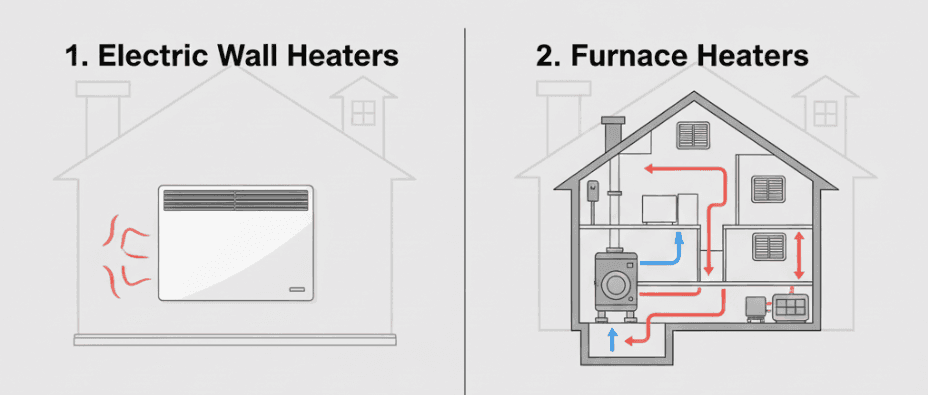
Electric wall heaters are compact, efficient, and easy to install. They are often used as supplementary heating sources in specific rooms like bathrooms or small office spaces. Here’s a closer look at what they offer:
- Efficiency: Electric wall heaters provide direct heating to rooms. They warm up quickly and distribute heat effectively thanks to their fan-forced design. This immediate heat can be particularly beneficial during sudden cold snaps when quick warmth is needed without waiting for a central system to kick in. Furthermore, their localized heating capability allows for precise temperature control in individual rooms, enhancing comfort and reducing energy waste.
- Installation: These heaters are relatively simple to install, making them an excellent choice for DIY enthusiasts or those looking for a quick heating fix without the hassle of ductwork. The installation process typically involves mounting the unit and connecting it to an electrical outlet, which can often be completed in a matter of hours. This simplicity not only reduces installation costs but also minimizes disruption to your daily routine.
- Cost: While the upfront cost is lower, be mindful of electricity prices, as these can impact the long-term operational costs. It’s important to consider the efficiency of the unit in relation to your local energy rates, as high electricity prices can quickly offset the initial savings. Additionally, the durability and maintenance requirements of electric wall heaters should be evaluated to ensure long-term cost-effectiveness.
Furnace Heaters
Furnace heaters, on the other hand, are central heating systems that distribute warm air throughout the home via ducts. Let’s explore their characteristics:
- Coverage: Perfect for heating large areas or entire homes, making them a viable option for comprehensive heating needs. Their ability to maintain consistent temperatures throughout the house is ideal for families or businesses that require uniform comfort. This centralized approach can also improve indoor air quality when combined with proper filtration systems, reducing allergens and pollutants.
- Energy Source: These systems can run on various energy sources, including electricity, natural gas, or oil, which can influence both installation and operational costs. Each energy source has its advantages and drawbacks, depending on availability and cost in your area. For instance, natural gas is often a more affordable option in regions where it is readily available, while oil furnaces may be preferable in more remote locations.
- Installation Complexity: Installing a furnace heater is more complex and usually requires professional installation, which can increase upfront costs. This complexity is due to the need for ductwork, venting, and integration with existing home systems. While this may seem daunting, professional installation ensures safety and efficiency, preventing potential issues down the line and often including a warranty for peace of mind.
Cost-Effectiveness: A Key Consideration
When evaluating heating solutions, cost-effectiveness is a critical factor. Here’s a breakdown of the cost implications of each option:
Initial Costs
- Electric Wall Heaters: Typically, the initial purchase and installation costs are lower compared to furnace systems. They’re ideal for those on a budget or needing to heat specific areas. This makes them a practical choice for homeowners looking to enhance their existing heating system without a significant financial outlay. However, it’s essential to balance these initial savings against potential long-term operational expenses.
- Furnace Heaters: While the initial costs are higher due to the need for ductwork and professional installation, they offer long-term savings for larger homes because they efficiently heat larger spaces. Investing in a furnace system can be particularly beneficial if you plan to stay in your home for several years, as the efficiency and coverage can outweigh the initial expenditure over time. Moreover, modern furnace systems often come with advanced features like programmable thermostats and zoning capabilities, which can further enhance their cost-effectiveness.
Operational Costs
- Electric Wall Heaters: The cost of operating these heaters is directly tied to electricity rates in your area. They can become costly if used as the primary heating source for large areas. To mitigate this, consider using electric wall heaters in conjunction with other heating methods, or during off-peak hours when electricity rates are lower. Additionally, ensuring that your home is well-insulated can help maximize the efficiency of electric wall heaters.
- Furnace Heaters: Depending on the energy source, furnaces can be more economical over time. Gas furnaces, for instance, are often cheaper to operate than electric alternatives, especially in areas where natural gas is affordable. It’s important to consider the long-term availability and price stability of your chosen energy source, as fluctuations can impact overall savings. Regular maintenance of furnace systems is also crucial to maintaining efficiency and preventing costly repairs, further enhancing their economic viability.
Suitability for Different Needs
For Stay-at-Home Moms
If you’re managing multiple tasks and need a reliable heating solution without the stress, electric wall heaters can be an excellent choice for individual rooms. Their ease of use and quick heating capabilities make them perfect for busy households. With the ability to control the temperature in specific areas, you can create a comfortable environment for your family without heating the entire house unnecessarily. This flexibility is particularly beneficial for families with young children or elderly members who may require different temperature settings.
For Small Business Owners
For small business owners who prioritize customer satisfaction and quality service, understanding the nuances of a comprehensive heating system like a furnace can be beneficial. It ensures a comfortable environment for both employees and clients. A consistent and efficient heating system can enhance productivity and create a welcoming atmosphere, which is crucial for businesses that rely on foot traffic or have frequent client visits. Investing in a reliable heating system can also reduce energy costs in the long run, improving the business’s bottom line.
For Work-from-Home Professionals
When time is of the essence, and the focus is on getting your HVAC system running smoothly, a furnace heater can provide reliable, efficient heating throughout your home, allowing you to maintain productivity without interruptions. The consistent warmth provided by a furnace system can create an ideal working environment, reducing distractions caused by temperature fluctuations. Additionally, modern furnaces with smart technology integration can be controlled remotely, offering convenience and efficiency for busy professionals.
Making the Right Choice for 2026: Electric Wall Heaters vs Furnace Heaters
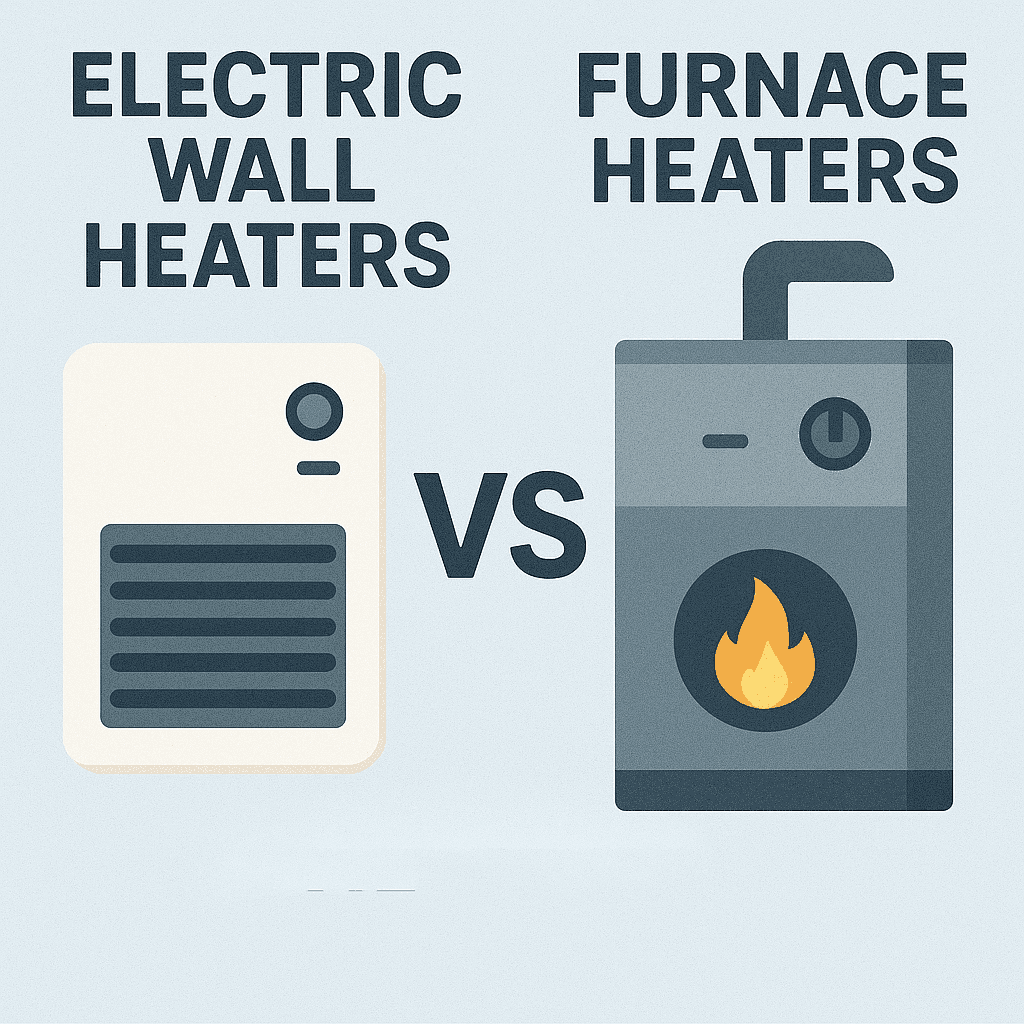
Both electric wall heaters and furnace heaters have their advantages and ideal use cases. Your choice ultimately depends on your specific needs, the size of your home, and your budget. Here are some final considerations:
- Space and Coverage: Consider the areas you need to heat. For smaller spaces or specific rooms, electric wall heaters are ideal. For whole-home solutions, a furnace system is more efficient. It’s essential to assess the layout of your home and your heating needs to ensure optimal comfort and efficiency. Combining both systems can offer a versatile solution, providing targeted warmth where needed while maintaining overall home temperature.
- Budget: Evaluate both upfront and long-term costs. Remember that while electric wall heaters have lower initial costs, furnace systems might offer better value over time for larger spaces. It’s crucial to factor in potential energy savings, maintenance expenses, and the lifespan of each system when making your decision. Consulting with a heating professional can provide additional insights and help tailor the best solution for your financial situation.
- Installation: Consider whether you prefer a DIY installation or are willing to invest in professional services for a more complex system. While DIY projects can be rewarding and cost-effective for smaller systems, professional installation ensures safety and optimal performance for larger or more complex heating solutions. Weighing the pros and cons of each approach can help you make a confident choice.
Contact Us for Professional Guidance
At LC Heating and Air Conditioning Hollywood, we understand the importance of choosing the right heating solution for your home or business. Our team of HVAC professionals is here to provide expert advice and reliable service. Whether you need help deciding between electric wall heaters and furnace heaters or require a professional installation, we’re just a call away. Contact us today at (818) 858-7080 to ensure your home stays warm and comfortable throughout the winter season.
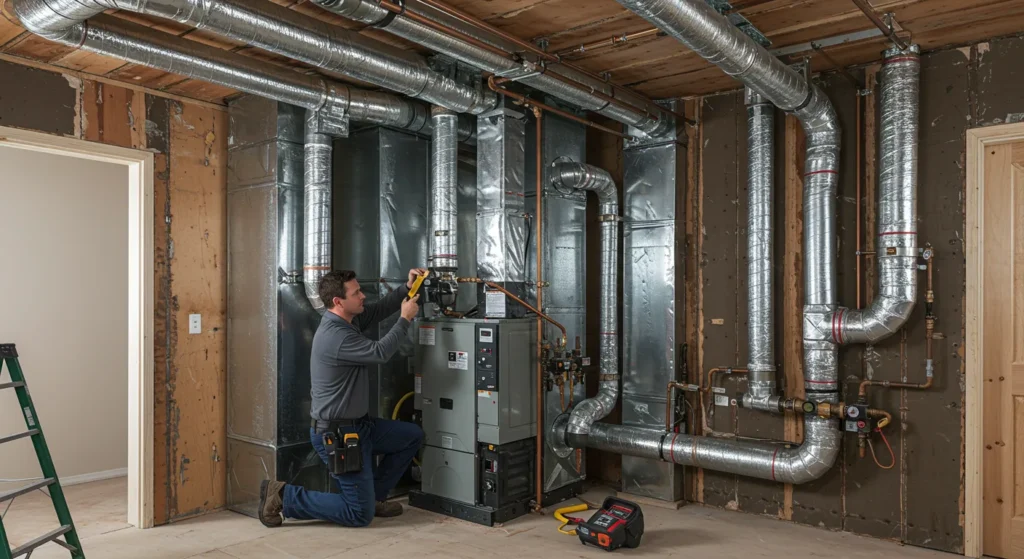
By understanding the differences between electric wall heaters and furnace heaters, you can make an informed decision that suits your lifestyle and budget. Remember, your comfort is our priority, and we’re here to help you every step of the way. Our commitment is to provide you with the knowledge and support needed to make the most of your heating investment, ensuring peace of mind and satisfaction for years to come.
Electric wall heaters are ideal for supplemental or zone heating with low installation cost, while furnace heaters offer comprehensive home heating with better overall performance. Choose based on your space size, heating needs, and long-term costs.
FAQ:
What is the difference between electric wall heaters and furnace heaters?
Electric wall heaters provide localized heat to individual rooms and are easy to install, while furnace heaters distribute warm air throughout the entire home via ductwork for whole-house comfort.
Are electric wall heaters more cost-effective than furnaces?
Electric wall heaters typically have lower upfront costs and simpler installation, but they can be more expensive to operate per square foot compared to efficient furnaces, especially in larger homes.
Which heating option is better for larger homes?
Furnace heaters are generally better for larger homes because they provide even, whole-home heating and work efficiently with central duct systems.
Can electric wall heaters fully replace a furnace?
Electric wall heaters are best suited as supplemental or zone heating; they usually aren’t powerful or efficient enough to replace a central furnace in cooling or heating an entire home.
Do electric wall heaters require professional installation?
Some electric wall heaters are simple enough for DIY installation, but professional installation ensures safety, proper electrical setup, and optimal performance.
Which system is more energy efficient?
Energy efficiency depends on usage and context — furnaces generally offer better whole-home efficiency, while electric wall heaters can be efficient for single-room or occasional use.