TL;DR Summary for Those in a Hurry:
- AC Leak Detector explains how using a leak detector helps you identify refrigerant leaks in your air conditioning system before they cause bigger problems.
- Learn which types of leak detectors (electronic, UV dye, etc.) work best and how to use them safely and effectively.
- Early detection helps you maintain cooling performance, prevent compressor damage, and avoid high energy costs.
- This DIY guide walks you through basic steps while emphasizing when to call a professional for accurate diagnosis and repair.
- Knowing how to detect leaks can save time, money, and extend the life of your AC system.
Air conditioning is a lifesaver, especially during those scorching summer days. But what happens when your AC starts acting up? A common issue is refrigerant leaks, which can cause your system to lose its cooling power.
Detecting these leaks early can save you from costly repairs and keep your home comfortable. That’s where an AC leak detector comes in handy.
This guide will walk you through using an aircon leak detector effectively. Whether you’re a stay-at-home mom juggling tasks or a small business owner, this guide is for you.
We’ll cover everything from understanding leaks to choosing the right freon detector. You’ll also learn how to use an air conditioner leak detector kit safely.
And if you ever feel overwhelmed, remember, LC Heating and Air Conditioning Hollywood is just a call away at (818) 858-7080. Let’s dive in and keep your home cool and comfortable!
Understanding AC Leaks: Why Detection Matters
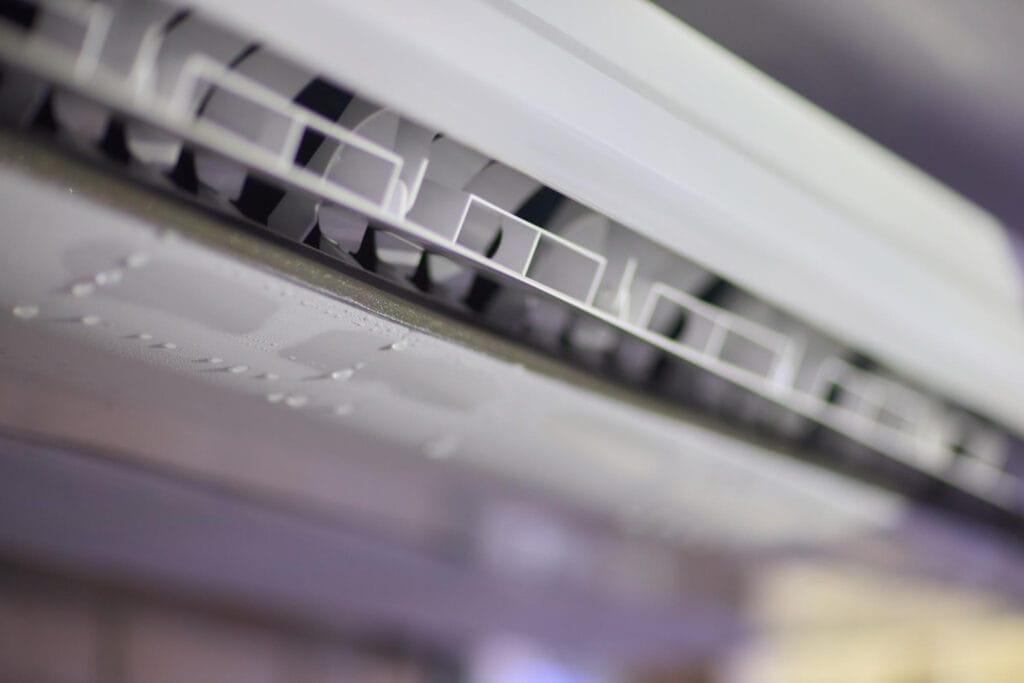
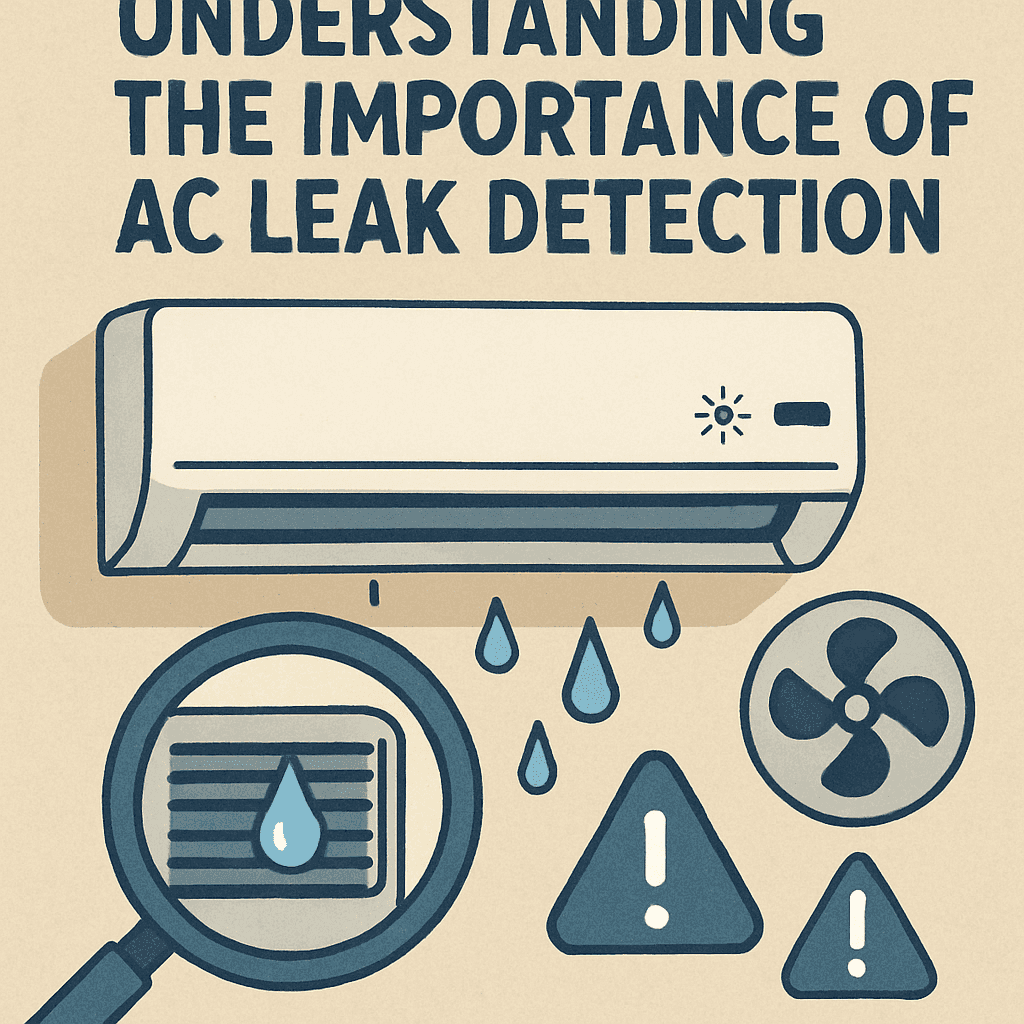
Air conditioning systems rely on refrigerants to cool your home effectively. Refrigerant leaks can lead to insufficient cooling, higher energy bills, and potential damage to the AC unit. Addressing these leaks quickly is essential for comfort and efficiency.
Leaks can appear in several forms and affect the system’s performance. Some common causes include improper installation, weak connections, or corrosion within the lines. Identifying these issues early can prevent larger problems down the road.
Here’s why detecting AC leaks matters:
- Efficiency: Leaks reduce the cooling efficiency of your system.
- Cost: Undetected leaks can lead to expensive repairs and high energy bills.
- Environment: Refrigerant leaks can harm the environment by releasing greenhouse gases.
By understanding and recognizing these issues, you can take steps to fix them. Not only will this save you money, but it also ensures you stay comfortable all year round. Don’t let a small leak become a big problem!
Types of AC Leak Detectors: Which One Is Right for You?
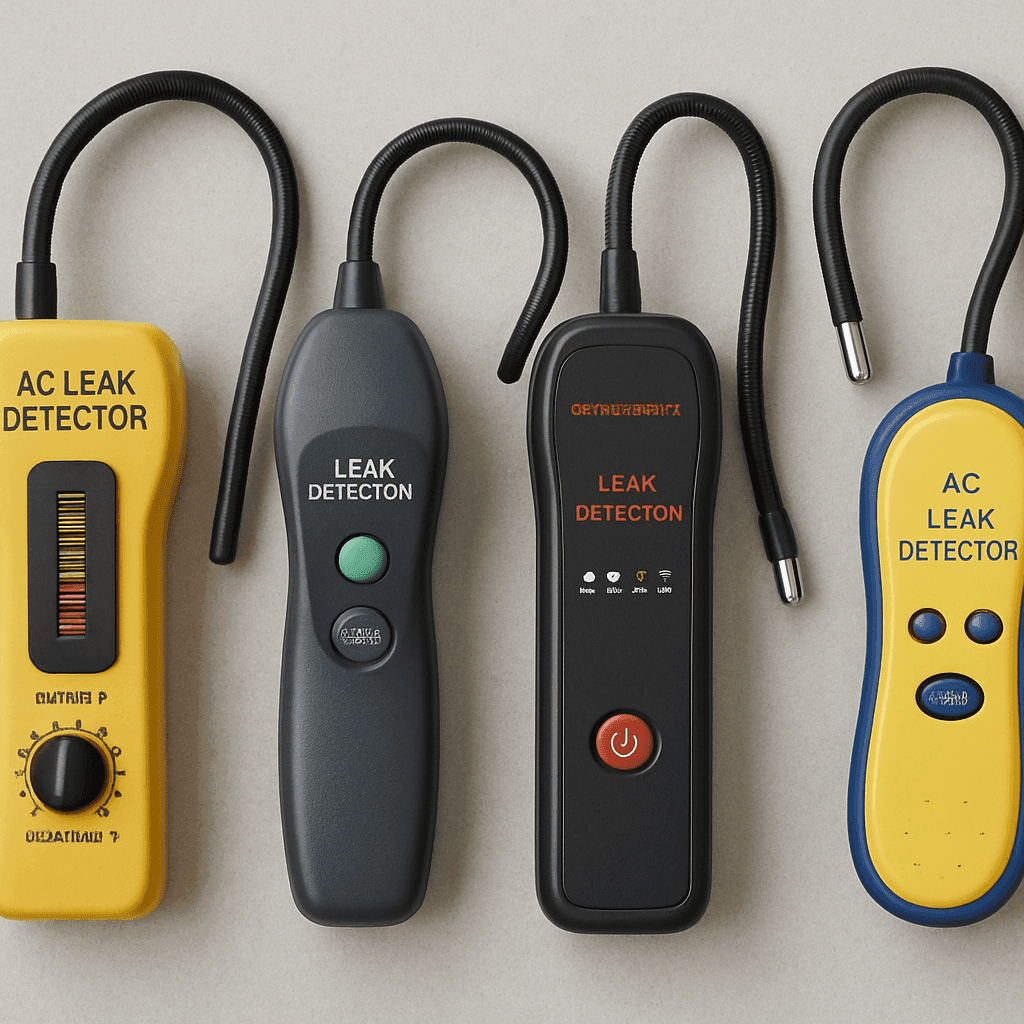
Choosing the right leak detector can be daunting with so many options available. Each type has its advantages and best uses. Let’s break down the main types to help you make an informed decision.
Electronic Leak Detectors
These detectors are popular due to their sensitivity. They can detect very small leaks that other methods might miss. Electronic versions are handy if you’re dealing with frequent or tiny leaks. They’re a wise choice for precise detection.
UV Dye Leak Detectors
UV dye detectors involve adding a dye into the AC system. Over time, the dye seeps out at the leak point. A UV light then exposes the glowing dye, revealing the leak’s location. It’s a straightforward and visual way to find leaks.
Halide Torch Leak Detectors
This old-school method burns refrigerant gases, turning the flame green if there’s a leak. Although not the most modern, it’s a fascinating and reliable technique. Best used if you’re familiar with older systems.
Here’s a quick summary of the options available:
- Electronic Leak Detectors: Highly accurate; detect small leaks.
- UV Dye Leak Detectors: Visual and user-friendly.
- Halide Torch Detectors: Traditional method; uses flame color.
By knowing your options, you can find the best tool for your needs. Whether you prefer visual methods or high-tech sensitivity, there’s a detector suited for you. Selecting the right detector ensures efficient and effective leak detection.
Preparing for Leak Detection: Safety and Tools Checklist
Before diving into leak detection, preparation is key. It’s crucial to ensure your safety and gather the right tools for the job. A well-planned approach leads to better outcomes.
First, always prioritize safety. Wear protective gear like gloves and goggles. These will protect you from refrigerant exposure. Ensure the area is well-ventilated to avoid inhaling harmful fumes.
Next, ensure you have the essential tools. Here’s a checklist:
- Safety Gear: Gloves, goggles, and a mask.
- AC Leak Detector: Choose the type that fits your need.
- Tool Kit: Screwdrivers, wrench, and flashlight.
- UV Light: Necessary if using a UV dye detector.
Organizing your workspace is just as important. Keep the area clear of clutter. This allows you to move freely and access the AC system with ease.
Being prepared not only ensures your safety but also increases the efficiency of the leak detection process. With the right precautions and tools, you’re set for success.
Step-by-Step: How to Use an AC Leak Detector
Using an AC leak detector might seem daunting, but with a clear method, it becomes manageable. Let’s break it down into simple steps to help you detect any leaks effectively.
Step 1: Power Off the Unit
Before starting, ensure the AC unit is completely off. Disconnect the power supply. This step prevents electrical accidents and enhances safety during the process.
Step 2: Inspect Visually
Begin with a visual inspection. Look for oily spots or wet areas. These can indicate potential leak points in the refrigerant system.
Step 3: Assemble Your Detector Kit
Whether you’re using an electronic or UV dye-based detector, assemble your kit. Follow the manufacturer’s instructions for setup.
Step 4: Activate the Detector
Power on your electronic leak detector. If using a UV dye kit, add the dye to the system as instructed.
For Electronic Leak Detectors:
- Calibrate the detector according to the manual.
- Adjust sensitivity settings based on the environment.
For UV Dye Detectors:
- Use UV glasses.
- Shine the UV light on components to spot leaks.
Step 5: Detect Leaks
Run the detector along AC coils, connectors, and hoses. Move slowly and avoid skipping sections. Be meticulous to ensure no spots are overlooked.
Step 6: Confirm the Leak
Once the detector signals a potential leak, mark the spot. Check with another method, if available, to confirm the find.
Step 7: Document Findings
Take notes or photos of leak points. This documentation will aid in future repairs or when consulting a professional.
Step 8: Evaluate Results
Once you’ve completed the detection, evaluate the results. Determine the severity of leaks before proceeding to repairs.
Step 9: Clean Up
After completing the process, clean up the workspace. Properly store your tools and dispose of any waste materials safely.
With these steps, using an AC leak detector becomes a straightforward task. Remember that attention to detail is key. Detecting leaks early can save you from costly repairs and ensure your system operates efficiently.
Common Signs of AC Refrigerant Leaks
Identifying an AC refrigerant leak early can prevent significant issues down the line. Knowing the common signs helps maintain your system’s efficiency and avoid costly repairs.
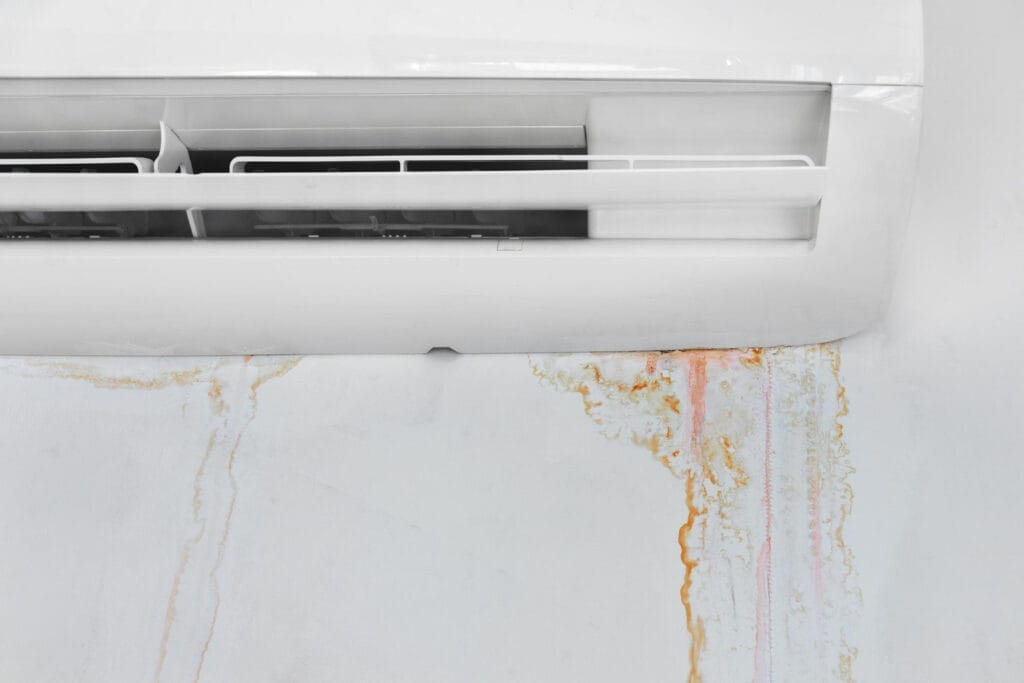
A key indication of a leak is a decrease in cooling efficiency. If your AC isn’t cooling like it used to, it might be due to a refrigerant leak. Another sign is the presence of ice on the refrigerant line or the unit itself.
Additional signs to look for include:
- Increased energy bills
- A hissing or bubbling sound
- Warm air blowing from vents
Detecting these signs early can save time and money. Act promptly to resolve these issues and keep your home comfortable.
Troubleshooting: What to Do If You Find a Leak
Discovering an AC refrigerant leak might seem daunting, but addressing it promptly can mitigate potential damage. The first step is to confirm the leak’s location and severity.
After identification, consider trying a temporary fix for minor leaks. There are sealants available that might offer a short-term solution. However, they are not permanent fixes and should only be used as a stopgap.
While handling a leak, keep an eye on your refrigerant levels. Constant monitoring can prevent further issues and ensure your system continues to operate. Additionally, check related components like the evaporator coils and condenser units.
Remember, if the problem seems beyond your expertise or persists despite your efforts, don’t hesitate to seek professional help. A certified technician can offer a comprehensive solution ensuring long-term peace of mind.
When to Call a Professional: Protecting Your Home and System
Not all AC issues should be managed alone. Recognizing when to call a professional can prevent further damage. Complex or persistent leaks often require expert attention to ensure effective resolution.
If your AC continues to underperform after a DIY attempt, it’s time to consider professional help. Frequent refills of refrigerant or unexplained high energy bills are red flags.
Hiring a professional not only safeguards your equipment but also maintains energy efficiency. A seasoned technician can:
- Accurately diagnose the problem
- Provide long-term solutions
- Offer maintenance tips to prevent future leaks
Your comfort and safety are crucial, so don’t wait too long to make the call.
Preventing Future AC Leaks: Maintenance Tips
Preventive maintenance is key to avoiding future AC leaks. Regular checks keep your system running smoothly and efficiently. A well-maintained system not only prevents leaks but also extends the lifespan of your equipment.
Simple upkeep tasks can go a long way. Set a routine for cleaning and inspecting your AC system. Identify issues early to prevent costly repairs down the line.
Here are some maintenance tips to consider:
- Schedule regular professional inspections
- Clean or replace filters monthly
- Check for any signs of leaks or damage
- Keep condenser coils clean
Remember, consistent care today saves you from major headaches tomorrow.
Why Choose LC Heating and Air Conditioning Hollywood for Leak Detection?
When it comes to detecting AC leaks, you want a professional you can trust. At LC Heating and Air Conditioning Hollywood, we provide reliable and efficient service. Our team is committed to ensuring your comfort and safety.
Choosing us means choosing quality and expertise. We’re dedicated to customer satisfaction and offer a personalized approach to each job. This includes understanding your specific needs and providing tailored solutions.
Here’s why our clients keep coming back:
- Experienced and certified technicians
- Prompt and friendly service
- Tailored solutions for every need
- Commitment to quality and safety
Reach out to us today at (818) 858-7080, and we’ll ensure your AC system is leak-free and running smoothly.
Conclusion: Stay Cool, Stay Safe
Detecting AC leaks can be a daunting task, but it’s crucial to keep your home comfortable. With the right tools and knowledge, you can tackle minor issues. However, don’t hesitate to call a professional if you’re unsure.
At LC Heating and Air Conditioning Hollywood, we’re here to help. Our expertise ensures your system runs efficiently, providing peace of mind. For the best in service and customer care, reach out to us at (818) 858-7080 today. Stay cool and enjoy every season safely!
AC Leak Detector teaches you how to find refrigerant leaks early, choose the right tool, and take action to keep your air conditioner efficient and reliable.
FAQ:
What is an AC leak detector and why is it important?
An AC leak detector is a tool used to identify refrigerant leaks in an air conditioning system. Detecting leaks early helps maintain cooling efficiency, prevents costly repairs, and reduces environmental impact pasted.
What are the most common signs of an AC refrigerant leak?
Common signs include reduced cooling performance, higher energy bills, warm air from vents, ice on refrigerant lines, and hissing or bubbling sounds coming from the AC unit pasted.
What types of AC leak detectors are available?
The most common types are electronic leak detectors, UV dye leak detectors, and halide torch detectors. Each method varies in accuracy, ease of use, and suitability for different systems pasted.
Which AC leak detector is best for homeowners?
Electronic leak detectors are often the best choice for homeowners due to their sensitivity and ease of use. UV dye detectors are also effective if you prefer a visual method for locating leaks pasted.
Is it safe to use an AC leak detector yourself?
Yes, basic leak detection can be done safely if proper precautions are taken. Always turn off the AC system, wear protective gear, and ensure proper ventilation before starting pasted.
Can I fix a refrigerant leak myself after detecting it?
Minor leaks may be temporarily sealed, but refrigerant leaks usually require professional repair. DIY sealants are not permanent solutions and should only be used as a short-term measure pasted.