TL;DR Summary for Those in a Hurry:
- Air purifying plants for allergies are natural indoor plants that help reduce common airborne allergens like pollen, dust, and pet dander to make your home more comfortable.
- Top choices like snake plants, spider plants, peace lilies, and bamboo palms are known for their air-cleaning abilities and ease of care.
- Placing multiple plants in key rooms (like bedrooms and living areas) maximizes their allergen-reducing impact.
- Proper plant care — watering, light, and occasional pruning — keeps them healthy and effective.
- Combining plants with good ventilation and regular cleaning gives you the best overall indoor air quality improvement.
Imagine a world where your home not only feels comfortable but also has air as fresh as the outdoors. As a seasoned HVAC professional, I often get asked about improving indoor air quality, especially in bustling areas like the Los Angeles metropolitan region. The good news? You don’t need to overhaul your HVAC system to breathe cleaner air. Sometimes, a simple yet effective solution lies in nature’s own air purifiers: Air Purifying Plants. Embracing the natural beauty and utility of plants can transform any space into a healthier, more serene environment, offering both aesthetic appeal and functional benefits.
Houseplants have been celebrated not just for their beauty but also for their remarkable ability to purify the air. By integrating them into your living space, you can significantly reduce common indoor pollutants. This is especially beneficial in urban areas where air quality can be compromised due to pollution. Moreover, plants can add a touch of tranquility and calmness, making your home a true sanctuary from the hustle and bustle of city life.
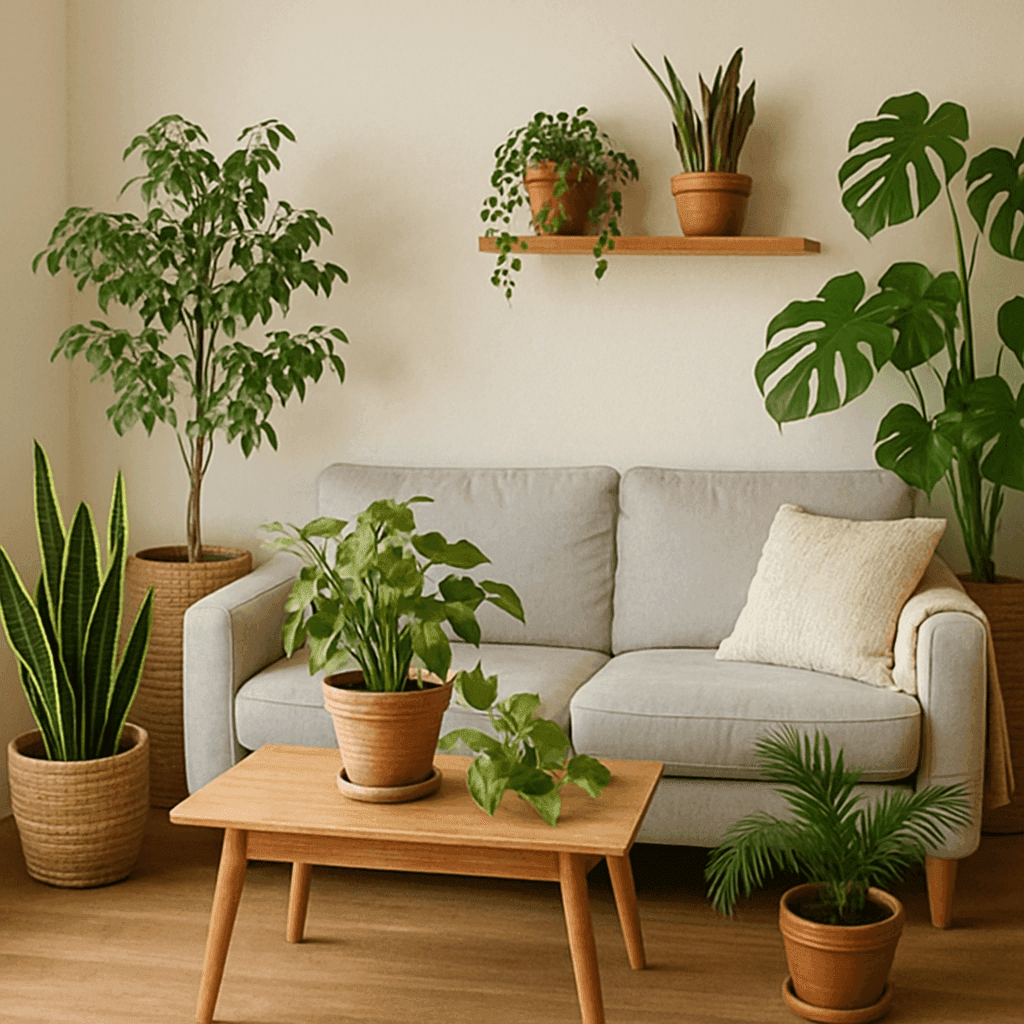
Plants are more than just decorative elements. They naturally purify the air by absorbing toxins and releasing oxygen. This process not only helps in reducing allergens but also enhances overall air quality. They can help reduce dust and pollutants, making them an excellent choice for those with allergies or anyone looking to improve their home’s air quality. NASA’s Clean Air Study identified several plants that can effectively purify indoor air, making them ideal for allergy sufferers. This groundbreaking study highlighted the potential of plants to act as natural air filters, a cost-effective and environmentally friendly solution.
In addition to their air purifying capabilities, plants also contribute to a healthier indoor climate by regulating humidity levels. This can be particularly beneficial in dry climates or during the winter months when indoor heating can lead to dry air. Furthermore, the presence of plants in a space has been linked to reduced stress levels and improved mental clarity, making them a holistic approach to enhancing well-being. By choosing air purifying plants, you are not just investing in cleaner air but also in a more balanced and harmonious living environment.
Top Air Purifying Plants for Your Home
1. Peace Lily (Spathiphyllum)
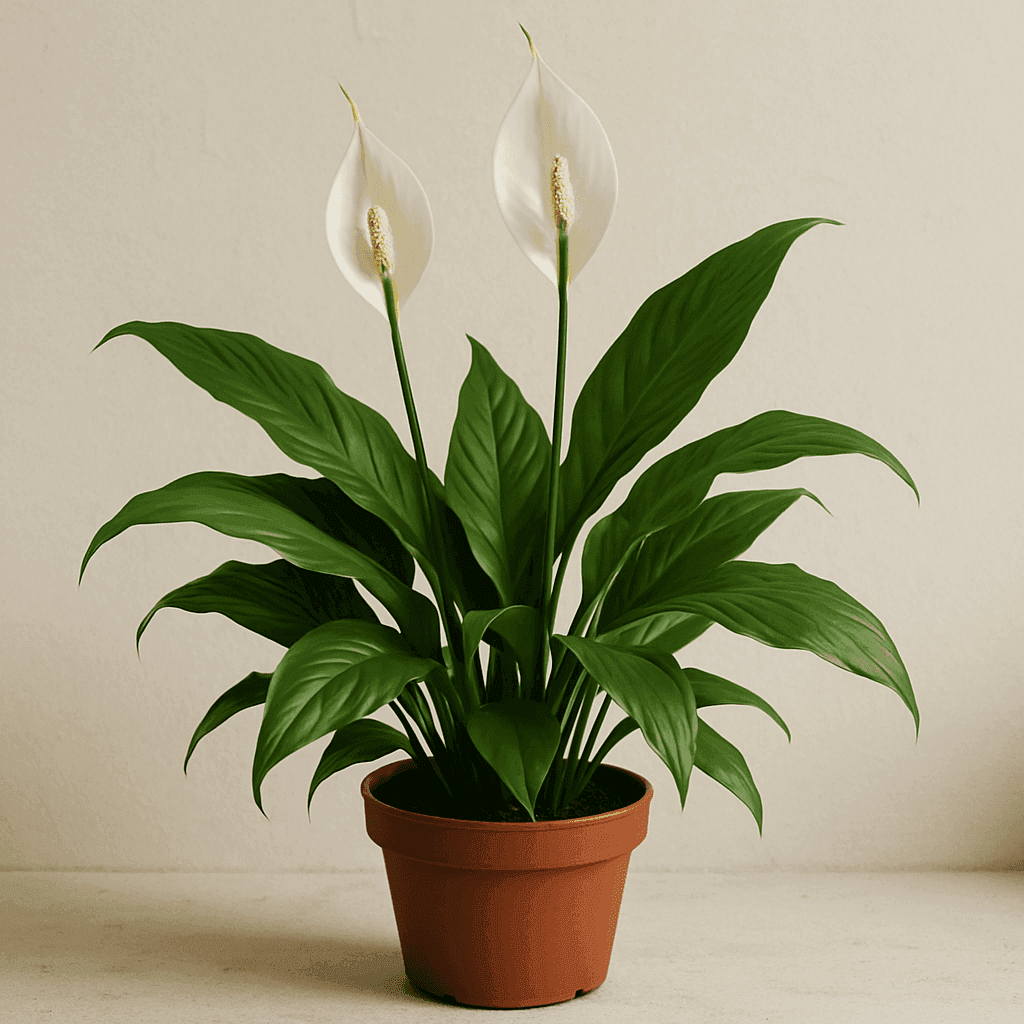
Peace Lilies are not only elegant but also efficient in filtering indoor pollutants like formaldehyde, benzene, and trichloroethylene. Their broad, lush leaves are not only visually appealing but also highly effective at trapping airborne particles. They are low maintenance and thrive in indirect sunlight, making them perfect for busy households. However, keep them away from pets as they can be toxic if ingested. Their ability to adapt to different light conditions makes them versatile, suitable for various parts of your home.
In addition to their air purifying properties, Peace Lilies also help to maintain indoor humidity levels, which can be beneficial in preventing respiratory issues. They are particularly effective in rooms that tend to be dry, such as those with air conditioning or heating. By adding a Peace Lily to your space, you are not only improving air quality but also enhancing the overall ambiance of your home with their graceful presence.
2. Snake Plant (Sansevieria trifasciata)
Often known as “Mother-in-law’s Tongue,” the Snake Plant is resilient and requires minimal care. Its tall, stiff leaves can make a striking addition to any room while serving a functional purpose. It’s known for its ability to convert CO2 into oxygen at night, making it a great bedroom plant. This plant is effective at removing toxins such as formaldehyde and benzene. Its robust nature makes it ideal for those who may not have a green thumb.
Snake Plants are also drought-tolerant, meaning they can survive with infrequent watering, making them a perfect choice for those who travel often or have a busy lifestyle. Their unique ability to release oxygen at night can contribute to a more restful sleep environment, especially in urban settings where air quality might be compromised. Incorporating a Snake Plant into your bedroom can be a simple yet impactful way to enhance your nighttime air quality.
3. Boston Fern (Nephrolepis exaltata)
Boston Ferns are excellent at removing pollutants like formaldehyde and xylene. Their lush, feathery fronds can add a touch of elegance and greenery to any space. They prefer humid environments, so they’re ideal for bathrooms or kitchens. Regular misting will keep them lush and healthy. Their love for humidity makes them perfect companions for rooms that experience dampness, adding both beauty and function.
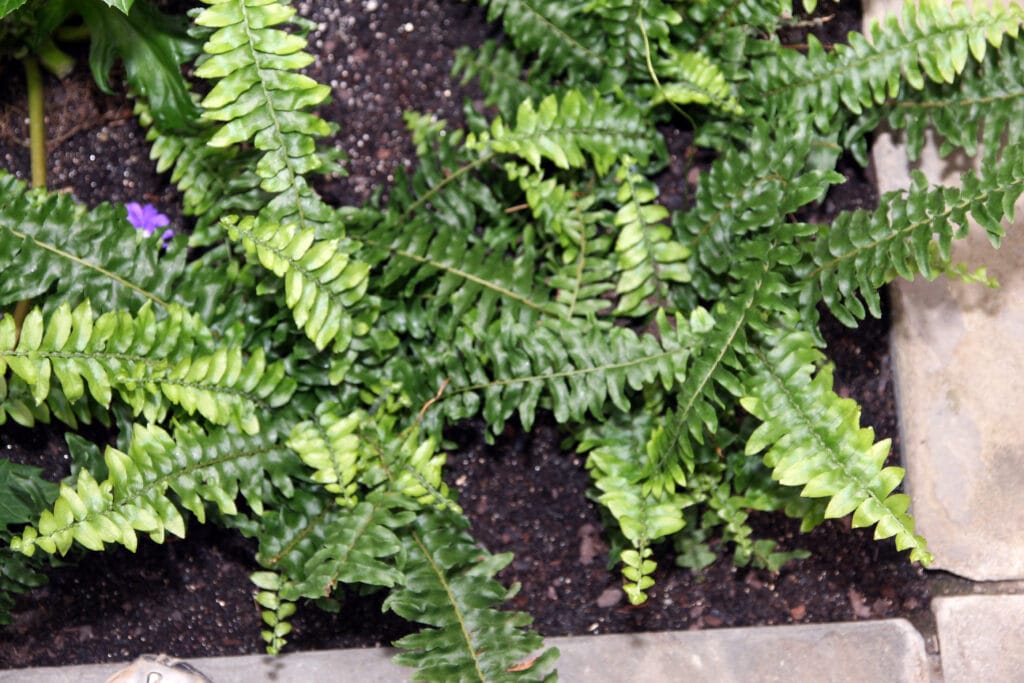
In addition to their air-purifying benefits, Boston Ferns can also help to boost mood and reduce stress levels, thanks to their vibrant green appearance. They can be a delightful addition to any home, providing not only a healthier environment but also a sense of calm and relaxation. Their cascading fronds can create a soothing, natural aesthetic that enhances the overall atmosphere of your living space.
4. Spider Plant (Chlorophytum comosum)
Spider Plants are perfect for beginners. They’re hardy, easy to care for, and excel at removing carbon monoxide and other toxins. Their attractive arching leaves can add a dynamic element to your decor. Plus, they produce “babies” or offshoots that can be propagated into new plants, offering a sustainable way to expand your indoor garden.
Not only do Spider Plants improve air quality, but they also add a playful touch to your home with their cascading leaves and offshoots. These plants are particularly effective in reducing indoor air pollutants, making them a valuable addition to any home, especially in areas with high traffic or frequent use of household chemicals. Their ability to thrive in a variety of conditions makes them a versatile and low-maintenance option for any indoor space.
5. Aloe Vera
Aloe Vera isn’t just for soothing sunburns. It’s a powerful air purifier, removing formaldehyde and benzene. Its succulent leaves store water, making it a drought-tolerant option for those who might forget regular watering. Place it in a sunny spot, and it will thrive while also serving as a natural air filter. Its unique appearance can add an interesting visual element to your plant collection.
Beyond its air-purifying qualities, Aloe Vera is also known for its healing properties, making it a multifunctional plant to have around the house. The gel inside its leaves can be used for minor cuts and burns, adding a practical element to its presence. By incorporating Aloe Vera into your home, you are not only enhancing air quality but also having a handy natural remedy at your disposal.
How to Care for Your Air Purifying Plants
Light Requirements
Most air purifying plants thrive in indirect sunlight. Direct sunlight can scorch their leaves, while too little light can stunt their growth. Make sure to place them in spots where they receive filtered light. Understanding the light requirements of each plant can help you position them optimally in your home, ensuring their health and longevity.
It’s important to observe your plants and adjust their placement if necessary. If you notice leaves turning brown or wilting, it might be a sign they are receiving too much direct sunlight. Conversely, pale leaves may indicate a need for more light. By paying attention to these signs, you can create an ideal environment for your plants to thrive.
Watering and Humidity
Overwatering is a common mistake. Most plants prefer their soil to dry out between waterings. Check the soil moisture by sticking your finger an inch deep into the soil. If it feels dry, it’s time to water. Humidity-loving plants like ferns will benefit from occasional misting. Understanding the specific needs of each plant can prevent common issues like root rot and ensure healthy growth.
In addition to regular watering, maintaining the right humidity levels can be crucial for the health of your plants. For those that thrive in humid environments, consider placing a small humidifier nearby or grouping plants together to create a microclimate. This can help in maintaining the moisture levels they need to flourish.
Soil and Potting
Use a well-draining potting mix to prevent waterlogged roots. Repot your plants every couple of years to refresh the soil and give their roots more space to grow. Choosing the right size pot can also impact the health of your plant, as too small a pot can restrict growth, while too large a pot can retain excess moisture.
When repotting, it’s a good opportunity to inspect the roots for any signs of disease or overcrowding. Healthy roots should be firm and white, while mushy or dark roots may indicate a problem. By providing your plants with the right soil and potting conditions, you can ensure they continue to purify the air effectively.
How Many Plants Does NASA Recommend?
NASA suggests having at least one plant per 100 square feet of space for optimal air purification. This means a typical living room would benefit from having three to four plants. Incorporating this number of plants can significantly improve the air quality in your home, creating a fresher and healthier environment.
While this is a general guideline, the specific needs of your home may vary based on factors such as room layout, light availability, and personal preference. By experimenting with different types and numbers of plants, you can find the perfect balance that suits your lifestyle and enhances your living space.
Additional Benefits of Air Purifying Plants
Besides improving air quality, plants can enhance your mood and reduce stress. Studies have shown that being around plants can increase productivity and concentration, making them an excellent addition to workspaces as well. They add a touch of nature to your home, creating a more relaxing and aesthetically pleasing environment.
Plants also contribute to a sense of well-being by fostering a connection to the natural world, which can be particularly beneficial in urban settings. Their presence can inspire creativity, provide a sense of accomplishment through care and maintenance, and ultimately lead to a happier and healthier lifestyle.
Conclusion
Incorporating air purifying plants into your home is a natural and effective way to improve indoor air quality, especially for allergy sufferers. Whether you’re a stay-at-home mom juggling multiple tasks, a small business owner focusing on quality service, or someone working from home needing a clean and comfortable environment, these plants offer a simple solution. Their ability to enhance both air quality and ambiance makes them a valuable addition to any living space.
For those in the Los Angeles area, if you ever find yourself needing a professional touch to your HVAC system, remember that LC Heating and Air Conditioning is here to help. We pride ourselves on trust, quality, and customer satisfaction, ensuring your home’s comfort is our top priority. Our team of experts is ready to assist you with any questions or services you may need to maintain a healthy and comfortable indoor environment.
Feel free to reach out if you have questions or need professional assistance. Together, we can ensure your home is a sanctuary of fresh air and comfort. For more tips or to schedule a consultation, visit us at www.lahvaclc.com or call us at (818) 858-7080. By combining the natural benefits of air purifying plants with professional HVAC services, you can create the ultimate indoor environment for you and your family.
Adding air purifying plants to your home can help reduce allergy triggers, improve indoor air quality, and create a more comfortable living environment when combined with proper care and other air-cleaning strategies.
FAQ:
Can air purifying plants really help reduce allergy symptoms?
Yes — while they won’t replace medical treatment, air purifying plants can help reduce airborne allergens like pollen, dust, and pet dander, making your indoor air feel fresher and more comfortable for allergy sufferers.
Which plants are best for filtering indoor air?
Popular choices include snake plants, spider plants, peace lilies, bamboo palms, and areca palms — all known for capturing common allergens and improving air quality.
How many plants do I need to make a difference?
To see noticeable benefits, it’s generally recommended to have multiple plants per room — especially in areas where you spend the most time, like bedrooms or living spaces.
Are all air purifying plants safe for pets?
Not always — some effective air purifying plants can be toxic to cats or dogs if ingested, so always check pet safety before choosing plants for your home.
Do these plants require special care?
Most air purifying plants do well with moderate watering, indirect light, and occasional fertilizing. Proper care ensures they stay healthy and effective at cleaning the air.
Can plants replace mechanical air purifiers?
Plants can improve indoor air quality to an extent, but for significant allergen reduction, combining them with good ventilation and mechanical air purifiers is usually more effective.