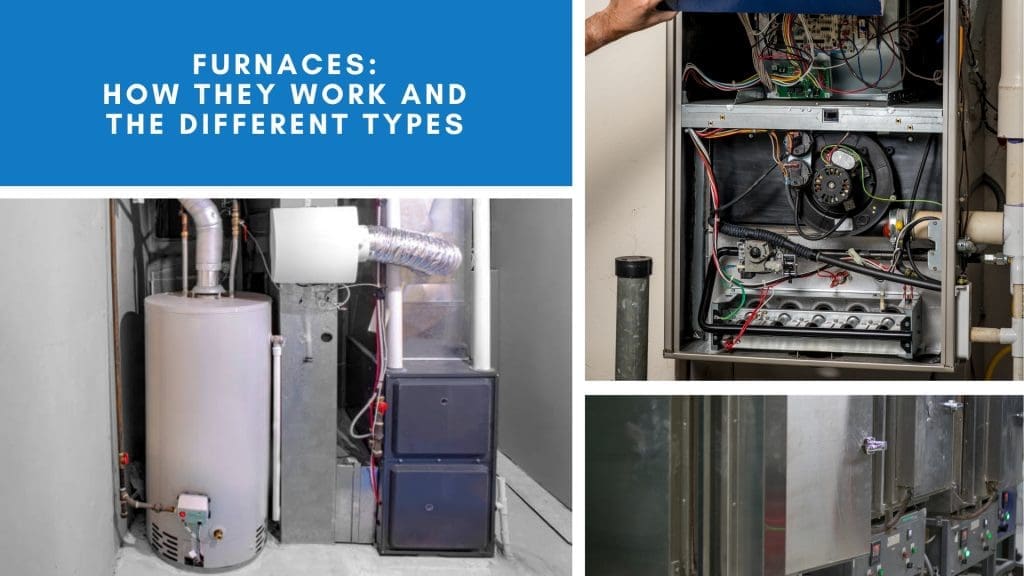
TL;DR Summary for Those in a Hurry:
- Santa Ana Winds ruin heaters by driving hot, dry air and debris into your system, which can stress components, overheat motors, and reduce performance.
- These strong winds increase dust and particulate buildup, clogging filters and forcing your heater to work harder.
- Excessive heat and low humidity from wind events can lead to system strain, ignition problems, or premature wear.
- Simple protection tips — like securing outdoor units, cleaning filters, and scheduling preventative maintenance — help your heater withstand Santa Ana conditions.
Santa Ana winds are a force to reckon with in Pasadena, and Santa Ana Winds Ruin Heaters by creating serious risks for your home’s HVAC system. These strong, dry winds can wreak havoc on your home, especially your heating equipment. Imagine a sudden gust blowing out your heater’s pilot light, or dust and debris clogging your ductwork and reducing efficiency.
These are real concerns for homeowners during the windy season. Understanding the impact of Santa Ana winds on your heating system is crucial.
It’s not just about comfort; it’s about safety and efficiency. Protecting your HVAC system from these winds can save you time and money.
Regular maintenance and proactive measures are key. They help prevent unexpected breakdowns and costly repairs.

In this guide, we’ll explore how Santa Ana winds affect heaters. We’ll also provide six essential protection tips for Pasadena residents.
Our goal is to empower you with knowledge and practical solutions. Let’s ensure your home remains a safe haven, no matter the weather.
What Are Santa Ana Winds? Why Pasadena Residents Should Care
Santa Ana winds are notorious in Southern California. These winds are warm, dry, and gusty, originating inland and sweeping toward the coast. Pasadena residents know them well and often feel their impact firsthand.
The winds can reach speeds of over 40 miles per hour. This velocity makes them a formidable force that shouldn’t be ignored. The dangers extend beyond fire risks to include significant HVAC system challenges.
Here’s why Pasadena locals should take them seriously:
- Potential for pilot light blowout.
- Increase in dust and debris accumulation.
- Pressure on heating systems, leading to inefficiency.
In just a short period, these winds can cause maintenance issues that disrupt daily life. Systems not designed to handle such force can falter. Problems are often preventable with the right actions taken ahead of time.
Understanding these winds’ effects on your home can prepare you better. Proper planning can ensure comfort and safety despite the winds. You can keep your home running smoothly no matter what the weather brings.
How Santa Ana Winds Damage Your Heating System
Santa Ana winds can wreak havoc on your heating system. These winds are more than just an outdoor nuisance—they can significantly impact indoor comfort, too. Understanding the common issues they cause can lead to better prevention.
One immediate problem is pilot light blowout. Powerful gusts easily extinguish pilot lights, stopping your heater from warming your home. When this happens, residents often experience unexpected chills and discomfort.

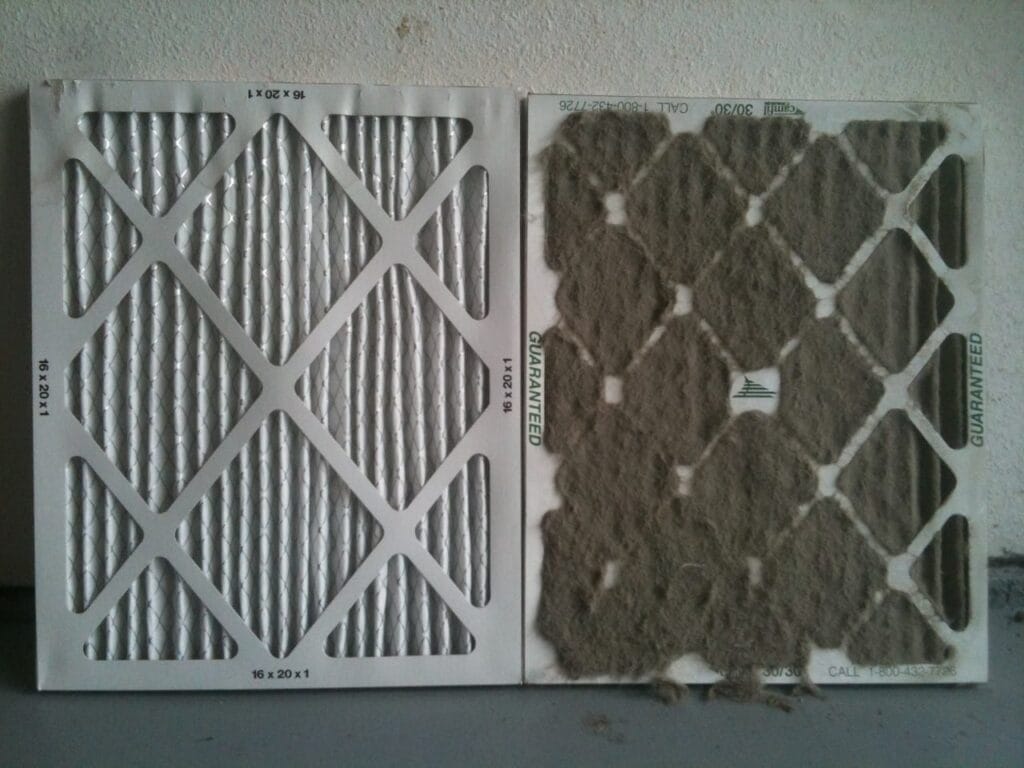
Dust and debris carried by the winds are also a concern. They can infiltrate your ductwork, clogging it. This leads to reduced air quality and forces your system to work harder.
Common damage includes:
- Clogged filters and reduced airflow.
- Overworked motors from continuous strain.
Additionally, high winds can disrupt sensitive components in your HVAC system. The added pressure from debris can bend or break fan blades. Damaged components may require repair or replacement more frequently than expected.
Winds also increase overall wear and tear on your system. More frequent repairs can become expensive over time. Preventive measures are key to minimizing these risks.
In summary, the Santa Ana winds pose a real threat to your heating system’s efficiency and longevity. Understanding these issues is the first step to protecting your equipment effectively. Proper care ensures your home remains warm and comfortable despite the winds.
High Wind Heating Issues: The Most Common Problems
Santa Ana winds can cause a variety of heating issues. For Pasadena residents, understanding these problems can help prevent costly repairs and maintain home comfort.
First, pilot light failures are one of the primary concerns. High winds can blow out pilot lights effortlessly. Without a working pilot light, your heating system can’t operate, leaving your home cold.
Another issue is dust and debris accumulation. The winds carry particles that enter through vents. Once inside, these materials clog your system, reducing efficiency and raising energy costs.
Here are common high wind heating issues:
- Pilot light extinguishment.
- Accumulation of dust and debris.
- Blocked vents and filters.
- Mechanical component wear and tear.
- Stress on system parts due to frequent stops and starts.
Blocked exhaust vents also arise due to high winds. This blocking prevents systems from venting gases properly. Such blockage can lead to inefficient operation and even pose safety risks.
Finally, high winds exacerbate wear on HVAC components. Bearings, belts, and motors face extra strain during windy conditions. Over time, this can result in premature breakdowns and an increased need for repairs.
6 Essential Santa Ana Winds HVAC Protection Tips
Pasadena residents need practical solutions to protect their HVAC systems from the harsh Santa Ana winds. Implementing these strategies can save money and maintain home comfort.
A proactive approach starts with system maintenance. Pre-season check-ups ensure your equipment is in top working order before wind damage occurs. This preventive step can often catch minor issues before they grow.
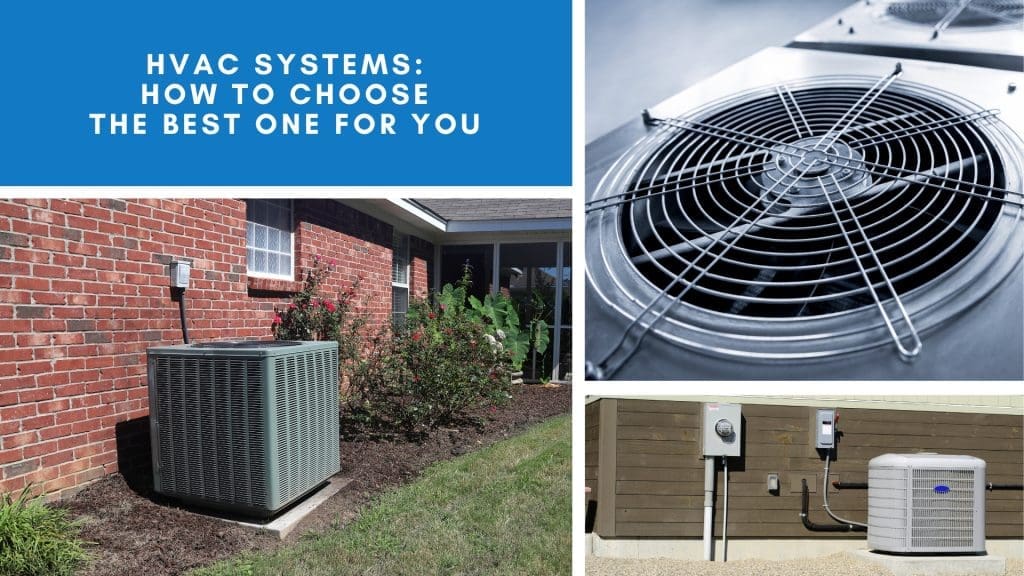
Another crucial measure is to install wind-resistant covers and shields. These act as barriers, safeguarding your outdoor units from wind-driven debris and dust.
Additionally, upgrading to high-efficiency air filters is a smart move. These filters capture smaller particles, reducing dust accumulation within your ductwork.
Sealing your ducts tight is also vital. Proper sealing prevents dust from infiltrating and supports better indoor air quality.
Always keep the area around your outdoor unit free of leaves and debris. Clear surroundings reduce the chance of blocked airflow and overworking your system.
Stay informed by recognizing symptoms of wind-induced HVAC issues. Early detection helps avoid major failures and extends your system’s life span.
Here’s a quick list of tips to follow:
- Schedule maintenance ahead of the windy season.
- Use covers to shield equipment from the wind.
- Opt for high-efficiency filters in your HVAC system.
- Properly seal ductwork to keep dust out.
- Regularly clear debris from outdoor units.
- Familiarize yourself with wind-related HVAC symptoms.
1. Schedule Pre-Season HVAC Maintenance
Scheduling routine maintenance before the windy season is essential. This step ensures your HVAC system is well-prepared to handle Santa Ana winds. A professional tune-up checks all components, ensuring they function correctly.
During maintenance, technicians will:
- Inspect the system for wear and damage.
- Clean filters and replace them if necessary.
- Verify the pilot light is stable and secure.
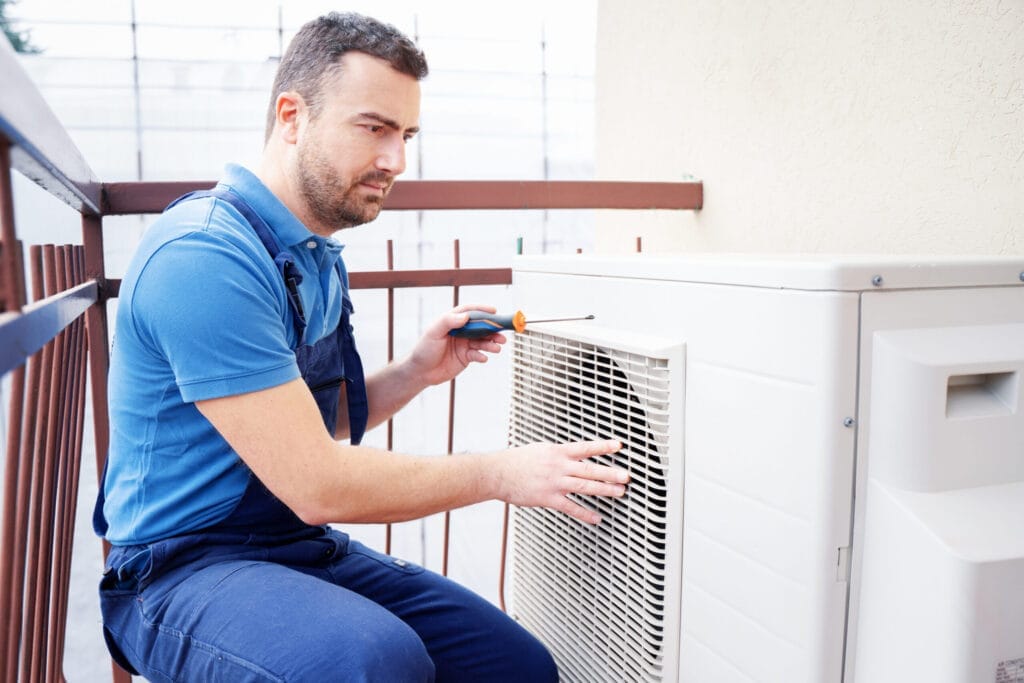
These actions prevent unexpected breakdowns and extend the life of your heating system. Regular check-ups mean fewer costly surprises and more comfort during challenging weather.
2. Install Wind-Resistant Covers and Shields
Wind-resistant covers provide crucial protection for your HVAC system. These covers keep out flying debris, preventing it from hitting your unit.
Consider installing custom shields designed for your system’s specific needs. Options include:
- Heavy-duty fabric covers.
- Metal wind barriers.
- Custom-designed shields tailored to your unit.
These physical barriers protect vital components from the elements. Proper installation can prevent serious damage and keep your system running efficiently.
3. Upgrade to High-Efficiency Air Filters
High-efficiency air filters play a critical role in filtering airborne particles. They capture fine dust and allergens, ensuring your system stays clean.
Consider filters with high MERV ratings, as they:
- Improve air quality.
- Enhance system efficiency.
- Protect your health and home.
Regularly changing filters helps maintain performance. It’s a simple yet effective step in safeguarding against wind-related damage.
4. Seal and Protect Ductwork
Sealing ductwork provides another layer of defense. Properly sealed ducts prevent outside particles from entering your home.
Using strong sealants and materials is crucial. Techniques to consider include:
- Mastic sealant or metal tape for joints.
- Insulation wraps for additional protection.
This not only improves efficiency but also ensures cleaner air. It’s a straightforward improvement with significant benefits.
5. Keep Outdoor Units Clear of Debris
Regularly check and clear space around your outdoor unit. The Santa Ana winds can quickly create blockage hazards.
Basic care involves:
- Removing leaves and sticks.
- Trimming back nearby plants.
- Ensuring no clutter obstructs airflow.
These simple actions prevent the system from overworking, extending its lifespan and reducing repair costs.
6. Know the Signs of Wind-Related HVAC Trouble
Recognizing the warning signals of wind-related HVAC problems saves time and money.
Common signs to watch for include:
- Unusual noises from your unit.
- Fluctuating indoor temperatures.
- Increased energy bills without reason.
Spotting these signs early leads to quick fixes and ensures your heating system runs smoothly despite harsh winds.
Santa Ana Safety: Protecting Your Family and Your Comfort
The Santa Ana winds don’t just threaten HVAC systems; they can also challenge family safety and comfort. These forceful winds can aggravate allergies, increase fire risks, and disrupt daily life. It is crucial to adopt preventive measures to protect your home and loved ones.
Enhancing indoor air quality is one effective strategy. Use high-efficiency filters and air purifiers to capture allergens stirred up by the wind. Keeping windows and doors closed during wind events can also limit exposure to dust and pollen.
Safety goes beyond health. Ensuring that emergency kits are stocked and readily available is essential. Secure outdoor objects that could become hazardous projectiles during high winds.
Here’s how to ensure your family’s safety:
- Use air purifiers indoors.
- Close all windows and doors.
- Prepare an emergency kit.
- Secure loose outdoor objects.
Being prepared provides peace of mind, transforming anxiety into readiness, ensuring everyone stays safe and comfortable during challenging weather.
Why Choose a Local, Family-Owned HVAC Expert?
Choosing a local, family-owned HVAC expert brings many unique benefits. Familiar with Pasadena’s climate challenges, these businesses offer personalized service. Unlike large corporations, they prioritize community relationships and customer trust.
Family-owned companies often provide a consistent team for each service call. Clients feel comforted knowing who enters their home. This continuity allows for personalized care and understanding of individual system histories.
Local experts understand the specific impacts of the Santa Ana winds on neighborhood homes. Their approach often includes practical, jargon-free advice, focusing on long-term solutions over quick fixes.
Consider these advantages of a local, family-owned company:
- Personalized, attentive service.
- Familiarity with local climate challenges.
- Consistent service team and continuity.
Choosing such experts ensures your HVAC system is in the hands of professionals who care deeply about the community they serve. This trust forms the foundation of effective maintenance and emergency response.
Conclusion: Peace of Mind Through Preparation
Preparing your HVAC system for the Santa Ana winds is vital. Proactive steps help mitigate potential damage and ensure your home remains comfortable and safe.
By scheduling regular maintenance and following the protective tips outlined here, you stand ready to tackle any challenges the winds might bring. Investing in these preparations today ensures lasting peace of mind for every season.
Santa Ana winds can harm heaters by increasing dust, heat, and system demand. Taking proactive steps like cleaning, shielding equipment, and regular checkups helps maintain performance and avoid costly repairs.
FAQ:
How do Santa Ana winds ruin heaters?
Santa Ana winds bring hot, dry air and increased dust that can clog filters, overheat components, and force your heater to work harder, which may shorten its lifespan.
Why does dust from Santa Ana winds affect my heater?
Dust and debris carried by the winds settle in filters and internal components, restricting airflow and reducing efficiency, leading to higher energy use and potential breakdowns.
Can Santa Ana winds damage outdoor HVAC units?
Yes — outdoor units can be exposed to abrasive dust, debris, and extreme heat during Santa Ana events, which can stress fans, coils, and electrical parts.
What are signs that my heater has been affected by Santa Ana winds?
Common symptoms include reduced airflow, unusual noises, higher energy bills, dusty vents, and more frequent cycling or overheating.
How often should I replace my HVAC filters during wind events?
During periods of strong winds and dust, you may need to check and replace filters more frequently — often every 1–2 months — to maintain performance.
What can I do to protect my heater from Santa Ana winds?
Protective steps include cleaning or replacing filters regularly, shielding outdoor equipment, scheduling professional maintenance, and ensuring proper airflow around the unit.