TL;DR Summary for Those in a Hurry:
- Furnace Ignitor Fails when the component that lights your furnace wears out, becomes dirty, or suffers electrical issues, preventing your heater from starting properly.
- Common warning signs include the furnace not turning on, delayed ignition, frequent cycling, and unusual noises during startup.
- Identifying these signs early helps you address the problem before your system stops working entirely.
- Regular maintenance and timely professional inspection can prevent ignitor failure and keep your heating reliable all season.
A furnace ignitor is a small but vital component in your heating system. It lights the gas that warms your home, and when Furnace Ignitor Fails, your comfort is immediately at risk.
Understanding why ignitors fail can save you time and money. Ignitors can fail due to age, electrical issues, or dirt buildup. Recognizing the warning signs early can prevent bigger problems.
Common signs of a failing ignitor include frequent cycling, delayed ignition, and no heat. These issues can disrupt your daily life. Knowing what to look for helps you act quickly.
Replacing a furnace ignitor can cost between $150 and $300. This includes parts and labor. It’s important to budget for these potential expenses.
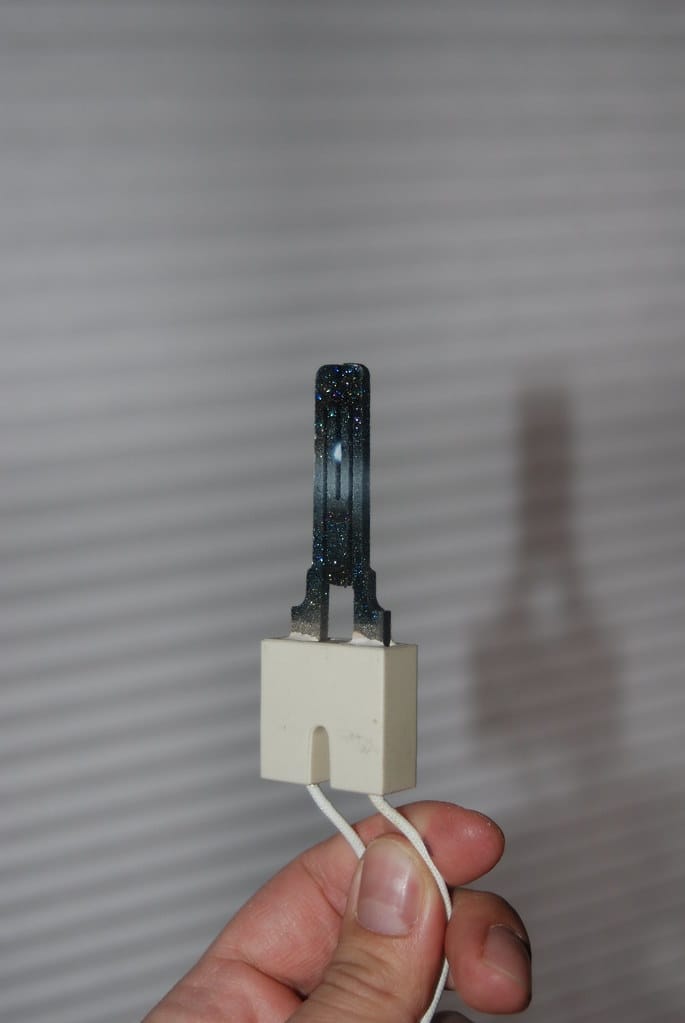
Hot surface ignitors are more reliable than older pilot lights. They are common in modern furnaces. Choosing the right type of ignitor is crucial.
Silicon carbide ignitors are cheaper but less durable. Silicon nitride ignitors last longer and are more efficient. Understanding these differences can guide your replacement decisions.
Regular maintenance can extend the life of your ignitor. It also prevents unexpected failures. A trusted HVAC professional can provide valuable advice and service.
Investing in a quality ignitor can improve energy efficiency. It can also lower utility bills. Protect your comfort and budget by staying informed.
What Is a Furnace Ignitor and Why Does It Matter?
A furnace ignitor is a small device with a big job. It lights the gas in your furnace to start the heating process. Without it, your furnace can’t produce heat.
Ignitors have become more reliable, replacing older pilot lights. This change has made heating systems more efficient and safer. Knowing how they work helps homeowners appreciate their importance.
The ignitor heats up and ignites the gas, creating warmth. This process seems simple, but it’s a critical part of your furnace’s operation. When it fails, the furnace won’t heat your home properly.
There are two main types of ignitors:
- Hot Surface Ignitor: Common in modern furnaces, heats quickly.
- Intermittent Pilot Ignitor: An older technology, less efficient.
Understanding the type of ignitor in your furnace is essential. It influences maintenance and replacement decisions. Having this knowledge ensures you can discuss furnace issues intelligently with HVAC professionals.
Ultimately, the ignitor’s role is vital in maintaining comfort and energy efficiency. Keeping it in good working order can prevent unexpected downtime and protect your investment in your home’s heating system.
How Does a Furnace Ignitor Work? (Hot Surface Ignitor Basics)
The hot surface ignitor is the heart of modern furnaces. It uses electricity to generate heat to ignite the gas. This efficient method replaces the less reliable pilot lights.
When the thermostat calls for heat, electricity flows through the ignitor. It heats up to a high temperature, usually glowing bright orange. This glow is hot enough to ignite the gas once it’s released.
Here’s how it works step-by-step:
- Step 1: Thermostat signals the furnace to start.
- Step 2: Ignitor receives an electric current.
- Step 3: Ignitor heats and glows, igniting the gas.
- Step 4: Furnace blower spreads the warm air through your home.
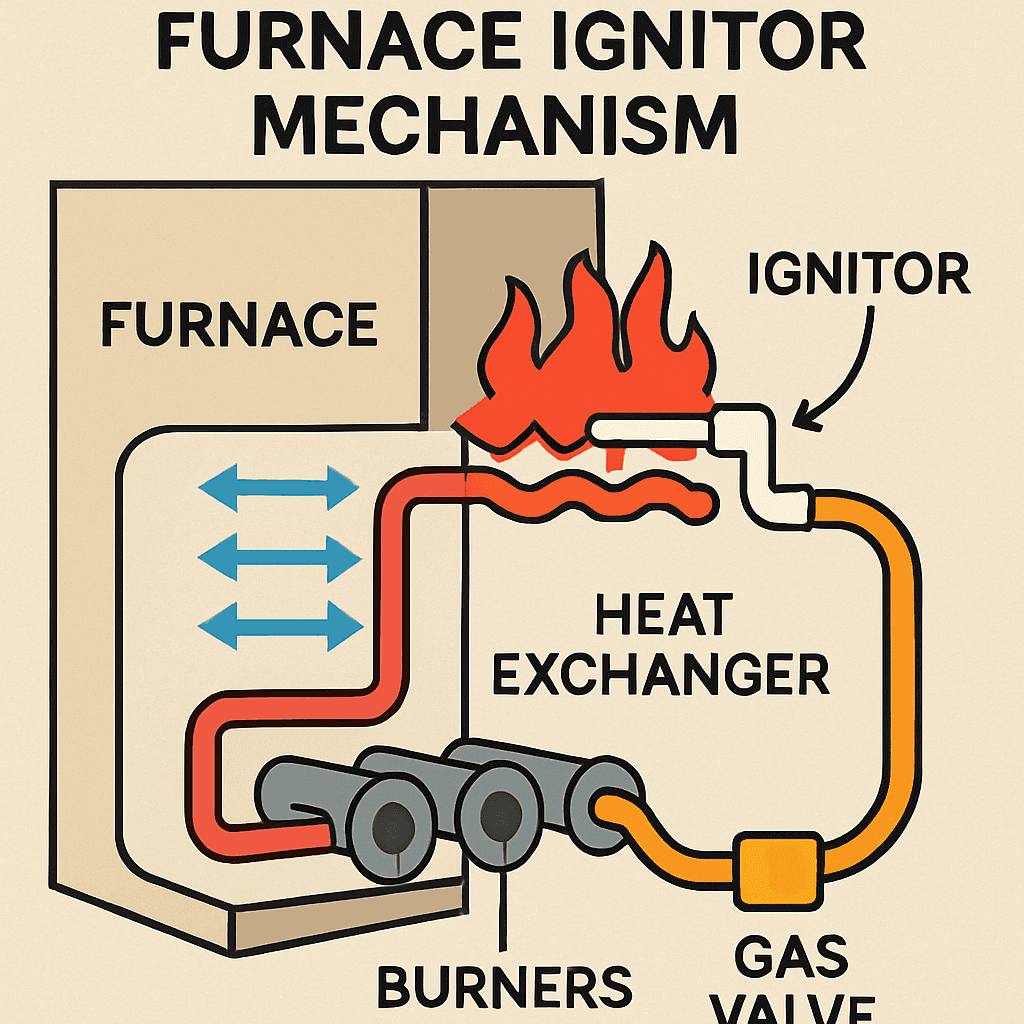
Hot surface ignitors are efficient but fragile. Their performance directly affects the furnace’s ability to heat properly. Regular checks ensure this critical component stays in top shape, maintaining both comfort and energy efficiency in your home.
Common Reasons Furnace Ignitors Fail
Furnace ignitors are vital yet vulnerable components. They can fail for various reasons, affecting your furnace’s efficiency. Understanding these reasons helps you act before problems escalate.
Age and Wear: Over time, ignitors weaken. The constant heating and cooling cause wear, leading to eventual failure. Regular inspection can catch early signs of wear.
Electrical Issues: Faulty wiring or power surges can damage the ignitor. Ensuring stable electrical connections is crucial for its longevity.
Dirt Accumulation: Dirt and dust can collect on the ignitor. This buildup inhibits proper heating. Keeping your furnace clean can prevent such blockages.
Physical Damage: Sometimes, ignitors get cracked or broken. Mechanical damage during maintenance or from other components leads to malfunction.
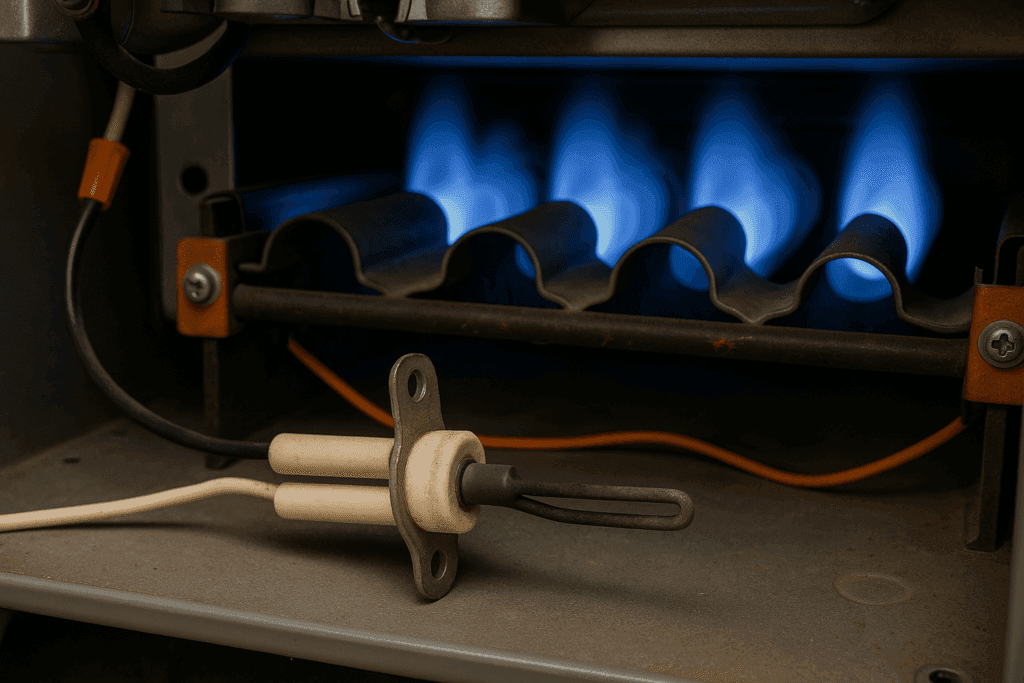
Key causes of failure include:
- Age-related degradation.
- Electrical malfunction.
- Dirt and dust buildup.
- Physical cracks or breaks.
To minimize breakdowns, regularly check and maintain your furnace. Address wiring issues promptly. Keep it clean and ensure proper installation and handling. By understanding these failure reasons, you safeguard your home against unnecessary disruptions. Your awareness aids in extending the lifespan of this essential component.
4 Warning Signs Your Furnace Ignitor Is Failing
Recognizing the early signs of a failing furnace ignitor can save you from more significant issues. Here are the four most common indicators that your ignitor may be on its last legs.
Frequent Cycling: If your furnace turns on and off more often than usual, it might indicate an ignitor issue. This frequent cycling reduces heating efficiency and increases wear on your system.
Delayed Ignition: When the furnace takes longer to ignite, it may be due to an ignitor struggling to create the necessary spark. This delay can lead to cold air circulation, affecting home comfort.
No Heat: The most straightforward sign is the furnace failing to produce heat. If the ignitor doesn’t work, the furnace can’t heat your home, leaving you in the cold.
Strange Noises: If you hear clanking or buzzing when your furnace is starting, pay attention. Such noises often suggest ignitor problems and should be investigated promptly.
In summary, watch out for:
- Frequent furnace cycling
- Delays in ignition
- Lack of heat production
- Odd sounds from the furnace
By staying alert to these warning signs, you can take quick action. This proactive approach helps maintain your furnace’s performance and avoid expensive repairs. Regular professional inspections can further ensure your system’s reliability. Keeping an eye out for these signs equips you to manage your home’s comfort effectively.
Silicon Carbide vs. Silicon Nitride: Which Ignitor Is Best?
Choosing between silicon carbide and silicon nitride ignitors can feel tricky. Each type has unique advantages and suits different needs.
Silicon Carbide Ignitors are popular for their affordability. They perform well but have a shorter lifespan compared to their counterparts. This makes them a practical choice for those on a budget but requiring frequent replacements.
Silicon Nitride Ignitors offer enhanced durability and efficiency. These ignitors generally last longer and function reliably even in demanding conditions. Their higher upfront cost is often offset by their extended lifespan.
When deciding, consider:
- Durability: Silicon nitride is more robust.
- Cost: Silicon carbide is more budget-friendly.
- Efficiency: Nitride tends to be more efficient.
For long-term use, many homeowners prefer silicon nitride due to its reliability. However, if you plan short-term savings, silicon carbide remains a viable option. Consulting with a trusted HVAC professional can provide personalized advice based on your furnace type and usage. This ensures you select the ignitor that best meets your needs and budget, enhancing your home’s heating system.
Furnace Ignitor Replacement Cost in 2026: What to Expect
Understanding the cost of replacing a furnace ignitor can reduce stress. In 2026, homeowners can expect costs to reflect both new technology and economic factors.
On average, the furnace ignitor replacement cost ranges from $150 to $300, including parts and labor. Several factors influence this price, such as the ignitor type and your location.
Labor costs are a significant portion of the expense. Professional HVAC technicians ensure the job is done safely and correctly, which is essential for peace of mind. Hiring experts also minimizes risks associated with DIY replacements.
The ignitor type also plays a role. Silicon nitride ignitors tend to cost more upfront than silicon carbide but are often more cost-effective in the long run due to their durability. Additionally, having a warranty can reduce out-of-pocket expenses.
For a better understanding, costs typically break down as follows:
- Labor: $75 to $125
- Parts: $75 to $175
Keep in mind, costs can vary with geographic location and the complexity of the job. High-demand seasons might also affect pricing, making scheduling during off-peak times more budget-friendly. A proactive approach, like requesting quotes in advance and maintaining the furnace regularly, helps in planning financially. If you’re unsure about replacement costs, consult a trusted HVAC professional to get a reliable estimate tailored to your specific situation.
Furnace Ignitor Price Breakdown: Parts, Labor, and More
When assessing the furnace ignitor replacement cost, it’s essential to understand the price breakdown. Each component contributes uniquely to the overall expense.
The price of parts is often the most straightforward element. A silicon carbide ignitor generally costs less than a silicon nitride ignitor. However, the silicon nitride option offers better longevity and efficiency, which may justify the higher initial cost.
Labor expenses can vary widely. Factors include the technician’s expertise, the complexity of your system, and regional pricing trends. Typically, labor ranges from $75 to $125. This fee ensures safe installation and reduces the risk of further issues.
To simplify, here are the typical costs involved:
- Parts: $75 to $175
- Labor: $75 to $125
Other considerations, like disposal fees and potential diagnostic charges, might arise. Ensuring clear communication with your HVAC provider about these details is key. This transparency helps prevent surprises on your final bill and ensures you receive value for your investment in comfort and efficiency.
DIY vs. Professional Replacement: What Homeowners Should Know
Deciding whether to replace your furnace ignitor yourself or hire a professional is crucial. Each option presents its own set of advantages and drawbacks.
DIY replacement might seem tempting for the cost savings. However, furnace systems are intricate and require careful handling. Mistakes can lead to safety hazards and further expenses. It’s essential to have some technical skill and understand the risks involved.
Hiring a professional guarantees experienced service. An expert ensures the ignitor is installed correctly and safely, providing peace of mind. Professionals also have the tools needed to tackle unexpected complications effectively.
Here’s a comparison to help decide:
- DIY: Save money, risk mistakes
- Professional: Higher cost, guaranteed expertise
Ultimately, your choice should depend on your comfort level with technical tasks. Most homeowners find investing in a trusted professional worthwhile. This ensures both optimal function and long-lasting performance, safeguarding your home’s warmth and safety.
How to Choose the Right HVAC Company for Ignitor Replacement
Selecting the right HVAC company is key to a smooth ignitor replacement experience. Begin by researching local options known for reliability and expertise.
Reviews and testimonials provide insight into a company’s reputation. Look for consistent positive feedback regarding punctuality, professionalism, and quality of work. Additionally, seek referrals from friends or family who have had similar services.
Evaluate potential companies based on several criteria:
- Experience: Look for extensive industry knowledge.
- Certification: Ensure technicians are certified and licensed.
- Cost Transparency: Check for upfront, honest pricing.
When contacting companies, gauge their willingness to answer questions and provide clear information. A reputable company values open communication and ensures customer satisfaction. Ultimately, choosing the right partner offers you confidence in the job’s quality and your home’s comfort.
Preventing Future Ignitor Problems: Maintenance Tips
Regular furnace maintenance can extend the life of your ignitor. Proactive care helps prevent unforeseen heating issues.
Start with routine inspections. Schedule an HVAC professional to assess your furnace annually. This preventive measure can catch problems early.
Keep your furnace clean. Dust and debris can hinder ignitor performance. Make sure to clear vents and replace filters routinely.
Here are some key maintenance tips:
- Check filters: Replace monthly or as needed.
- Inspect ignitor: Look for visible wear or cracks.
- Clear vents: Ensure unobstructed airflow.
Take note of any strange noises or inefficiencies in heating. Addressing these signs quickly avoids bigger issues.
Knowing how your furnace operates and investing in regular maintenance secures comfort and cuts costs long-term. Homeowners who prioritize these tasks enjoy reliable heating and peace of mind.
Conclusion: Protect Your Comfort and Your Budget
Taking care of your furnace ignitor is crucial for ensuring home comfort. Timely attention to potential issues saves money and stress.
Regular maintenance helps prevent unexpected failures and costly repairs. Choosing a trusted HVAC provider ensures your system runs smoothly, keeping your home warm and your budget intact. Invest in quality to safeguard your peace of mind.
A failing furnace ignitor stops your system from lighting and heating effectively. Watch for symptoms like startup delays or no heat, and get a tech to check it to avoid breakdowns and costly repairs.
FAQ:
What does it mean when a furnace ignitor fails?
A furnace ignitor fails when the component that sparks or heats up to light the burner no longer functions correctly, preventing the furnace from starting or heating your home.
What are common reasons a furnace ignitor fails?
Ignitors can fail due to age and wear, dirt and debris buildup, electrical issues, overheating from restricted airflow, or corrosion from moisture exposure.
What are warning signs my furnace ignitor is about to fail?
Signs include the furnace not turning on, clicking without ignition, delayed or weak ignition, frequent cycling on and off, and unusual noises during startup.
Can a furnace still run if the ignitor is failing?
Sometimes a failing ignitor allows intermittent heating, but it usually results in inconsistent warmth and can eventually cause the system to stop working altogether.
Should I try to replace a furnace ignitor myself?
No — furnace ignitors are delicate and involve electrical components; it’s safer and more reliable to have a qualified HVAC technician diagnose and replace them.
How can I prevent future ignitor failures?
Regular furnace maintenance — including cleaning, airflow checks, and professional inspections — reduces stress on the ignitor and helps extend its lifespan.