TL;DR Summary for Those in a Hurry:
- Comparison of Single and Two Stage Furnaces explains the key differences between basic single-stage models and more advanced two-stage furnaces to help you pick the best heating option for your home.
- Single-stage furnaces operate at one full-power level, offering simplicity and lower upfront cost but less consistent temperatures.
- Two-stage furnaces can run at both low and high settings, delivering more even heat, quieter operation, and better energy efficiency.
- Choosing the right type depends on your comfort preferences, budget, and home size — with two-stage units providing comfort and efficiency gains over time.
Choosing the right furnace for your home is crucial. It impacts comfort, energy bills, and environmental footprint.
As winter 2026 approaches, understanding furnace options becomes even more important.
Single-stage and two-stage furnaces are popular choices, and Comparison of Single and Two Stage Furnaces helps homeowners see the difference clearly. Each has unique features and benefits.
Single-stage furnaces operate at full capacity, offering simplicity and lower upfront costs.
Two-stage furnaces, however, provide flexibility with two levels of operation. This can lead to better efficiency and comfort.
The decision between these two types depends on various factors. Budget, climate, and personal comfort preferences all play a role.
In this article, we’ll explore the efficiency comparison of single and two-stage furnaces.
Our goal is to help you make an informed decision for your home heating needs.
For personalized advice, feel free to contact us at LC Heating and Air Conditioning Hollywood at (818) 858-7080.
Understanding Furnace Stages: What Are Single and Two Stage Furnaces?
Let’s start with the basics. A furnace is essential for keeping homes warm during colder months.
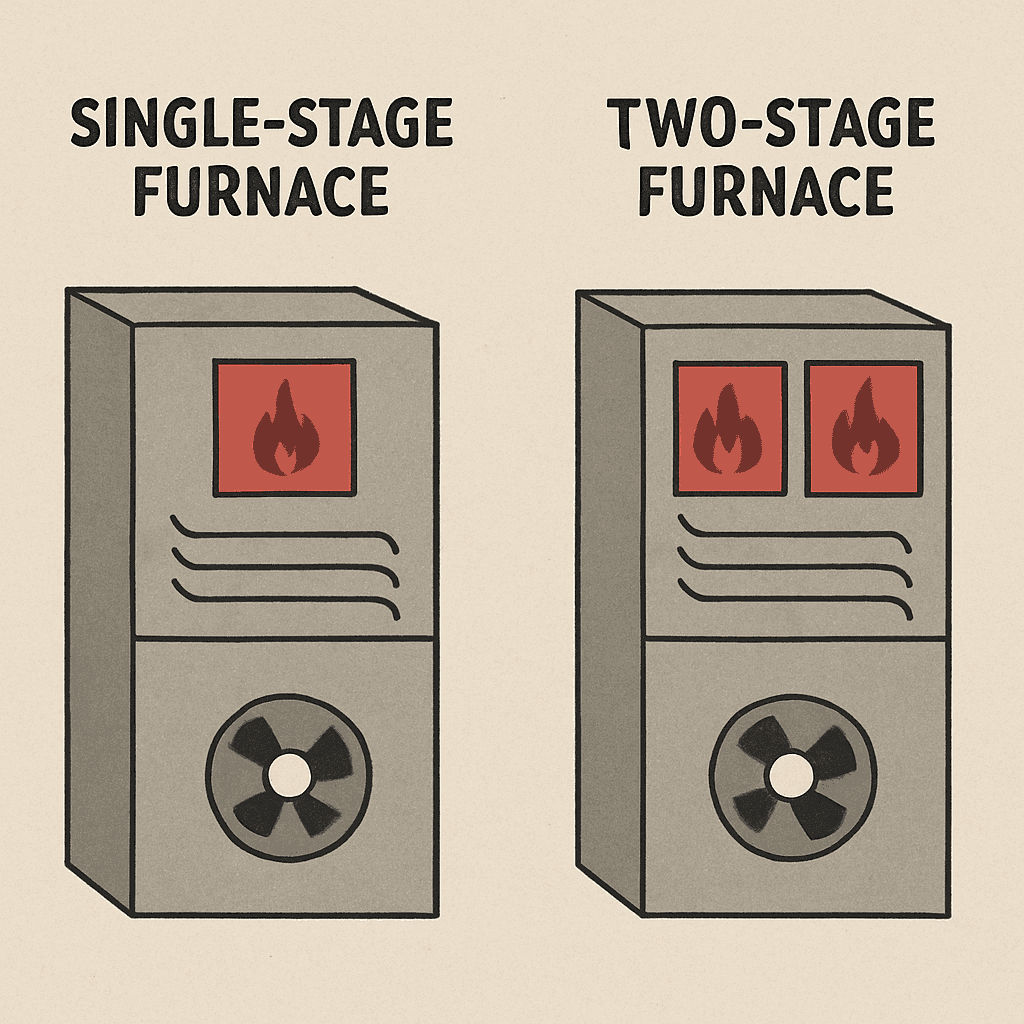
A single-stage furnace is straightforward. It only has one level of operation: full capacity.
This means when it’s on, it’s working hard. This simplicity makes it a popular choice.
On the other hand, a two-stage furnace offers more flexibility. It can work at two levels: high and low.
This ability allows it to adapt to temperature demands, making it more efficient overall.
Here’s a quick list to summarize:
- Single-stage furnace: Operates at full capacity.
- Two-stage furnace: Adjusts between high and low settings.
Deciding between the two depends on your needs. A two-stage furnace might suit those seeking more comfort and efficiency.
For a visual representation, consider this illustration:
Understanding these stages will guide you in choosing the best furnace for your home.
How Does a Single Stage Furnace Work?
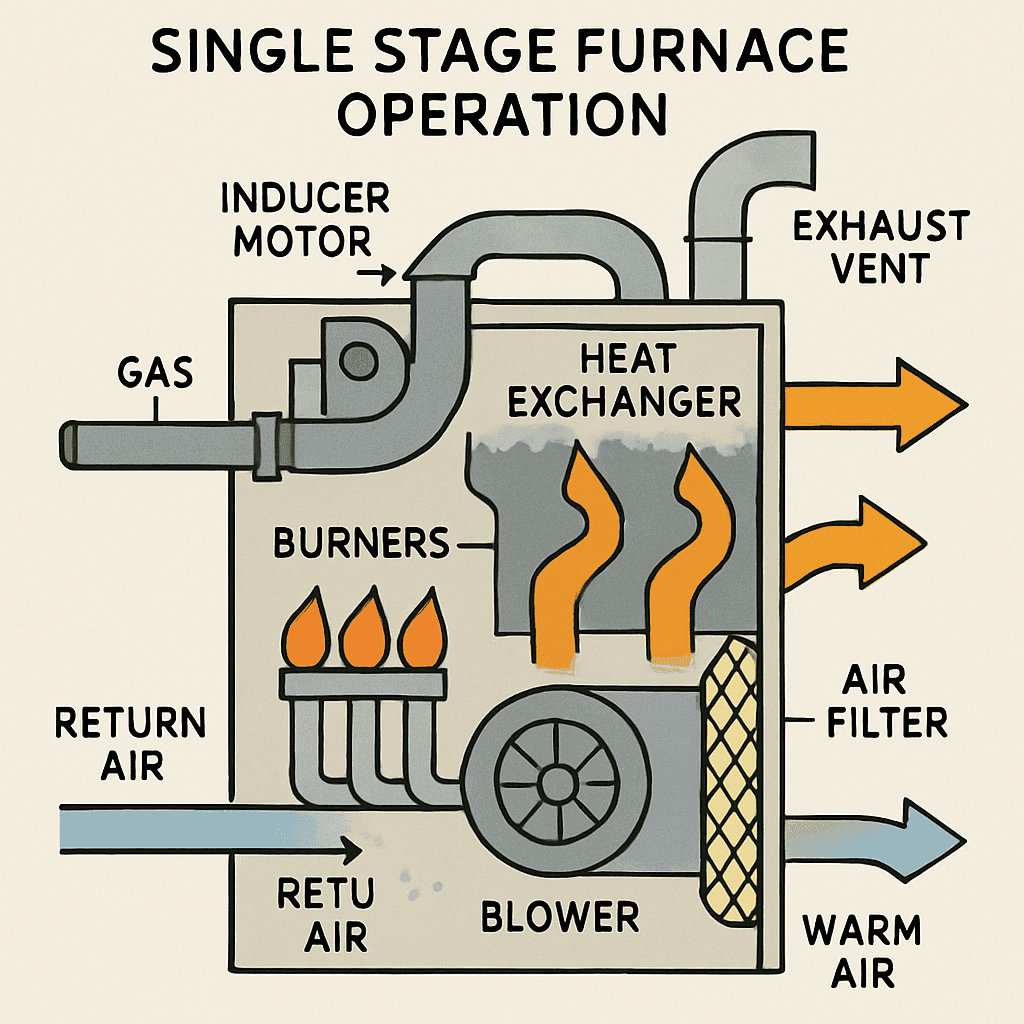
A single-stage furnace operates in a no-nonsense manner. Once it’s turned on, it fires at full blast.
This simple operation suits straightforward heating needs. There are no adjustments to low or medium settings.
Due to this setup, a single-stage furnace frequently cycles on and off. This cycling can lead to less efficient use of energy.
Homeowners might notice temperature swings. The air warms up quickly, but it can also cool down just as fast.
Here’s a quick rundown of its operation:
- Fires at full capacity immediately.
- No middle setting for milder heating.
- Cycles on and off frequently for heat regulation.
For those managing multiple home tasks, understanding this helps in making informed decisions.
If a picture speaks a thousand words, this one illustrates the concept:
Considering these factors can aid in determining if this furnace type suits your needs.
How Does a Two Stage Furnace Work?
A two-stage furnace offers more nuanced heating compared to its single-stage counterpart. It features two levels of operation to adjust heating needs better.
Initially, it runs on a low setting to maintain a mild level of warmth. When outside temperatures drop further, it shifts to a higher stage, providing full heating capacity.
This flexible approach means a two-stage furnace runs more consistently, avoiding the frequent cycling seen in single-stage models. This leads to more stable indoor temperatures and energy savings over time.
Here’s how a two-stage furnace works:
- Starts on a low setting for gradual heating.
- Shifts to high only when needed for extreme cold.
- Maintains consistent indoor temperatures.
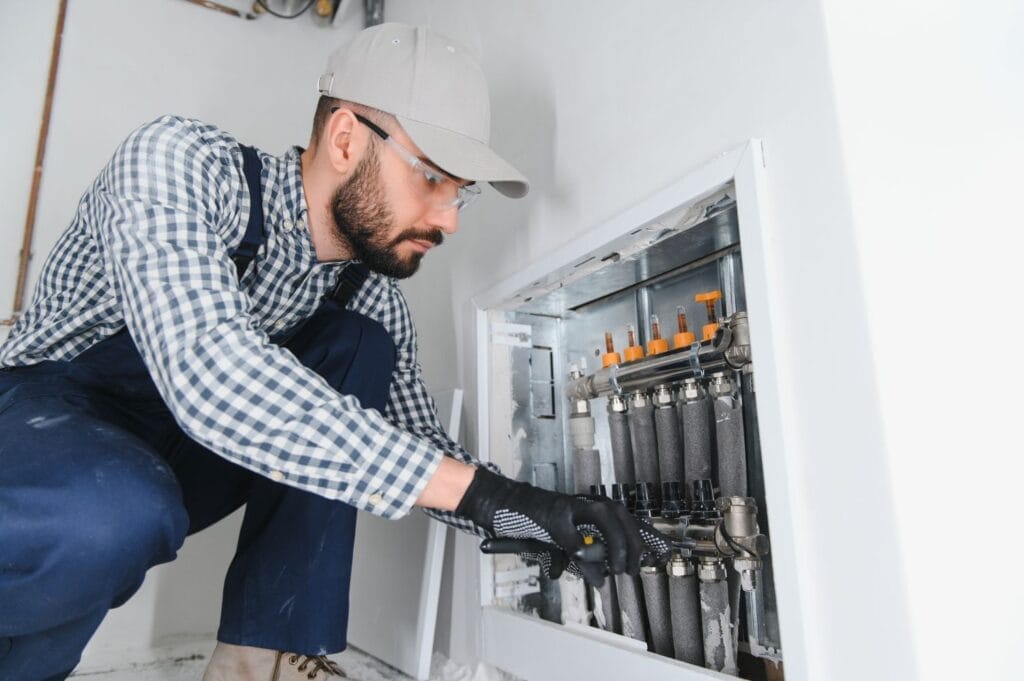
To visualize how this works in your home setup, take a look at this illustration:
Such operation provides quieter, more efficient heating, perfect for busy households and small businesses seeking comfort without hassle.
Efficiency Breakdown: Single Stage vs Two Stage Furnaces
When it comes to furnace efficiency, every homeowner wants the most bang for their buck. Single-stage furnaces, while simpler, operate at full capacity, which can be inefficient.
In contrast, a two-stage furnace excels by adjusting its heating output. It usually operates at about 65-70% of full capacity, ramping up only when needed.
This results in more consistent heating throughout the home. It minimizes sudden temperature swings and reduces energy use, thus saving money on utility bills.
Let’s break down the efficiency perks of each:
Single-Stage Furnace:
- Operates at 100% capacity.
- Frequent on/off cycling.
- Potential energy waste.
Two-Stage Furnace:
- Adjusts capacity as needed.
- Reduces energy consumption.
- Provides more even heat distribution.
The two-stage furnace often boasts a higher Annual Fuel Utilization Efficiency (AFUE) rating. This means it converts more fuel into usable heat, which benefits both the environment and your wallet.
For those juggling busy schedules at home or running small businesses, efficiency can mean less worry and more comfort. A two-stage furnace might just be the right balance of power and thriftiness for winter 2026.
Comfort and Temperature Control: What to Expect
Comfort at home means stable temperatures and energy efficiency. Single-stage furnaces tend to create noticeable temperature swings. They operate at full power or not at all, which can sometimes feel like a roller coaster of hot and cold.
Two-stage furnaces, on the other hand, bring superior comfort. They work by running on low power most of the time, providing consistent warmth with less fluctuation. This makes your home environment more predictable and cozy, even when you’re multitasking.
Moreover, the two-stage furnace shines in maintaining a balanced humidity level, enhancing overall air quality. This feature is crucial for those with allergies or small children.
Consider These Factors:
Single-Stage Furnace:
- May cause temperature fluctuations.
- Operates at full blast or nothing.
Two-Stage Furnace:
- Offers steady temperature control.
- Enhances overall air quality.
For anyone working from home, it offers a quiet, comfortable, and consistent environment. A two-stage furnace, thus, stands out as a worthy investment in comfort for winter 2026.
Cost Comparison: Upfront, Operation, and Long-Term Savings
When deciding between a single or two-stage furnace, understanding the cost differences is crucial. Single-stage furnaces are typically less expensive to purchase and install. Their straightforward technology means fewer components and quicker setup.
However, it’s not all about initial costs. Two-stage furnaces, while more expensive upfront, offer potential savings in the long run. Their design optimizes energy use, resulting in lower utility bills over time. This energy efficiency can offset the higher purchase price.
Another aspect to consider is repair and maintenance. Single-stage furnaces might have lower maintenance costs due to their simpler design. Yet, two-stage systems, running more efficiently and less frequently, could lead to reduced wear and tear.
Cost Breakdown:
Single-Stage Furnace:
- Lower upfront cost.
- Higher potential for utility bills.
Two-Stage Furnace:
- Higher initial cost.
- Savings on energy bills.
Ultimately, the choice depends on your budget and long-term savings goals, a crucial consideration for homeowners and business leaders alike.
Maintenance and Reliability: What Homeowners Should Know
When it comes to maintenance, understanding the intricacies of your furnace is key. Single-stage furnaces, known for their straightforward design, often require less frequent maintenance. Fewer components mean less can go wrong.
Two-stage furnaces, with their advanced technology, may demand a bit more care. Regular checks ensure both stages function optimally, maintaining efficiency. However, their efficient operation can lead to decreased wear and tear.
Proper maintenance enhances the reliability and lifespan of any furnace. It’s crucial to schedule annual service checks with a professional. This is essential for both single and two-stage systems to catch potential issues early and ensure peak performance.
Key Maintenance Tips:
- Regular filter changes
- Annual professional servicing
- Monitoring for unusual noises
Prioritizing regular maintenance not only ensures a cozy home but also safeguards your investment, keeping your furnace running smoothly for years to come.
Pros and Cons: 1 Stage vs 2 Stage Furnace
Choosing between a single-stage and a two-stage furnace requires understanding their strengths and weaknesses. Each type offers its own benefits and drawbacks, impacting comfort, efficiency, and cost.
Pros of Single-Stage Furnaces:
- Simplicity: Fewer parts mean less can go wrong.
- Lower initial cost: Usually less expensive upfront.
- Easy installation: Simplified design reduces installation complexity.
Cons of Single-Stage Furnaces:
- Less efficient: Always runs at maximum output, potentially wasting energy.
- Temperature fluctuations: Can cause uneven heating.
- Frequent on/off cycles: Can lead to increased wear and tear.
On the other hand, two-stage furnaces offer modern solutions with greater control over heating.
Pros of Two-Stage Furnaces:
- Energy efficiency: Operates at lower capacity for less extreme temperatures.
- Even heating: Consistent comfort throughout the home.
- Quieter operation: Reduced noise levels at lower stages.
Cons of Two-Stage Furnaces:
- Higher upfront cost: More expensive than single-stage systems.
- Complexity: More parts can mean more maintenance.
- Installation demands: Requires professional expertise for setup.
This comparison helps homeowners identify which furnace aligns best with their needs, comfort preferences, and budget constraints.
Best Use Cases: Which Furnace Fits Your Home or Business?
Understanding when to use a single-stage or two-stage furnace is crucial. Each has unique scenarios where they perform best, depending on the size and demands of your space.
Single-stage furnaces are ideal for homes with moderate climates. Smaller spaces with consistent heating needs benefit from their simplicity and cost-effectiveness. They’re also suitable for homeowners prioritizing lower upfront costs over energy efficiency.
In contrast, two-stage furnaces excel in larger homes or buildings with varying temperature needs. They’re great in regions with harsh winters or fluctuating temperatures. These systems deliver superior comfort and energy savings, especially in multi-story properties.
When to Choose Each:
- Single-stage: Smaller homes, rental properties, moderate climates
- Two-stage: Larger homes, mixed-use buildings, extreme temperature areas
Deciding which furnace fits best involves evaluating your specific requirements, climate conditions, and long-term energy considerations. Seeking professional advice can also help ensure the best choice for your circumstances.
Energy Efficiency, Rebates, and Environmental Impact
When it comes to furnaces, energy efficiency is paramount. Two-stage furnaces often boast higher Annual Fuel Utilization Efficiency (AFUE) ratings, translating to significant energy savings over time. Choosing a two-stage furnace can reduce energy bills and lead to a smaller carbon footprint.
Rebates and incentives are often available for energy-efficient systems. Homeowners installing a high-efficiency furnace may qualify for local or federal rebates. These financial benefits can offset the higher initial cost of a two-stage furnace, making it a wise investment.
Environmentally, two-stage furnaces are the preferred choice. By using less energy, they contribute to a more sustainable household.
Benefits:
- Reduced energy costs
- Potential rebates available
- Lower environmental impact
Prioritizing efficiency not only aids in financial savings but also supports a healthier planet for future generations.
How to Choose: Factors to Consider Before You Buy
Selecting the right furnace involves careful consideration. It’s essential to weigh several factors to make a smart choice.
Think about your budget and long-term goals for energy savings. Your comfort preferences also play a crucial role.
Additionally, evaluate the specific needs of your home or business to decide the best fit.
Key Considerations:
- Budget and long-term savings
- Home size and layout
- Climate and temperature variability
Considering these factors helps ensure you select a furnace that meets your needs and delivers the desired comfort.
Why Professional Installation Matters
The installation quality greatly affects furnace performance. A professional installation ensures the system works efficiently and safely.
Improper installation can lead to higher energy costs and potential safety hazards. Relying on experts guarantees peace of mind and optimal operation.
Benefits of Professional Installation:
- Ensures safety standards are met
- Maximizes energy efficiency
- Reduces the risk of future issues
Trusting professionals like LC Heating and Air Conditioning Hollywood ensures your system runs smoothly. Call us at (818) 858-7080 for expert service.
Conclusion: Comparison of Single and Two Stage Furnaces
Choosing between a single or two-stage furnace depends on your home, budget, and needs. Consider efficiency, comfort, and long-term savings when making your decision.
A well-chosen furnace can enhance home comfort and reduce costs. For personalized advice, consult with LC Heating and Air Conditioning Hollywood and prepare for the winter of 2026 with confidence.
Contact LC Heating and Air Conditioning Hollywood
Need help choosing the right furnace? We’re here to assist you. Our team offers personalized advice tailored to your home’s specific needs.
For expert installation, maintenance, or any HVAC query, reach out to us at LC Heating and Air Conditioning Hollywood. We’re committed to your comfort and satisfaction.
- Phone: (818) 858-7080
- Email: info@lcairconditioninghollywood.com
- Location: Serving the Los Angeles metropolitan area
Single-stage systems are simpler and cheaper upfront, while two-stage furnaces offer steadier heat, quieter cycles, and long-term energy savings. Understanding these differences helps you make a more informed heating choice for your home.
FAQ:
What is the difference between single-stage and two-stage furnaces?
A single-stage furnace operates at one fixed heating level (full power), while a two-stage furnace can run at both low and high settings, offering more consistent comfort and efficiency.
Which type of furnace is more energy efficient?
Two-stage furnaces are generally more energy efficient because they run at a lower speed most of the time, reducing cycling and lowering energy use compared to single-stage models.
Does a two-stage furnace provide better comfort?
Yes — two-stage furnaces deliver more even temperatures, quieter operation, and fewer hot/cold spots by adjusting heat output to match the home’s needs.
Are single-stage furnaces cheaper to install?
Typically, single-stage furnaces have lower upfront costs and simpler installation, making them a good choice for tighter budgets or smaller homes.
How do I choose between a single-stage and two-stage furnace?
Consider your comfort preferences, budget, and energy goals — two-stage units are ideal for improved efficiency and comfort, while single-stage units are simpler and cost less initially.
Will a two-stage furnace lower my utility bills?
In many cases, yes — by running more often at a lower setting, two-stage furnaces use less energy overall, which can translate to lower heating costs over time.