TL;DR Summary for Those in a Hurry:
- Heater Blowing Cold Air often happens when airflow is restricted, thermostat settings are incorrect, or the furnace has ignition or component issues that prevent proper heat output.
- Start with simple checks like ensuring the thermostat is set to “heat,” replacing dirty air filters, and confirming vents are open.
- Restricted airflow, faulty ignition systems, or gas supply problems may require professional diagnosis and repair.
- Addressing these common causes quickly improves comfort, prevents further damage, and restores reliable heating.
Is your heater blowing cold air when it should be warming your home? This can be frustrating, especially during chilly weather. One common culprit is a faulty furnace fire sensor. This small but crucial component ensures your furnace operates safely and efficiently.
A furnace fire sensor, also known as a flame sensor, detects the presence of a flame. If it fails, your furnace might shut off or blow cold air. Understanding how this sensor works can help you identify and fix issues before they become major problems.
Many homeowners and small business owners in Los Angeles face this issue. It’s important to know the signs of a failing flame sensor. Regular maintenance can prevent unexpected breakdowns and keep your heating system running smoothly.
In this guide, we’ll explore common issues with furnace fire sensors. We’ll also provide tips on how to fix them. Whether you’re a stay-at-home mom, a small business owner, or working from home, this information is for you.
We’ll cover what a flame sensor looks like and where it’s located. You’ll learn how to inspect and clean it yourself. Plus, we’ll discuss when it’s time to call in the professionals.
At LC Heating and Air Conditioning Hollywood, we’re here to help. If you need expert assistance, don’t hesitate to contact us at (818) 858-7080. Let’s ensure your home stays warm and comfortable all season long.
What Is a Furnace Fire Sensor and Why Is It Important?
A furnace fire sensor, often called a flame sensor, is a critical safety device in your heating system. This small sensor ensures your furnace only operates when a flame is present, preventing potential gas leaks.
It’s designed to detect the heat generated by the burner flame. If no flame is detected, the sensor signals the control board to shut off the gas supply. This process prevents unburned gas from accumulating and causing unsafe conditions.
Here’s why the furnace flame sensor is so crucial:
- Safety: Prevents gas leaks by shutting off the furnace when no flame is present.
- Efficiency: Ensures the furnace operates only when necessary, saving energy.
- Longevity: Protects the furnace from damage caused by improper operation.
The flame sensor’s importance cannot be overstated. Without it, the risk of dangerous gas buildup increases significantly. Regular checks and maintenance can help catch problems early.
Understanding how this sensor works is essential for homeowners. It not only maintains a safe environment but also ensures your furnace runs efficiently, keeping those energy bills in check.
What Does a Flame Sensor Look Like? Where Is It Located?
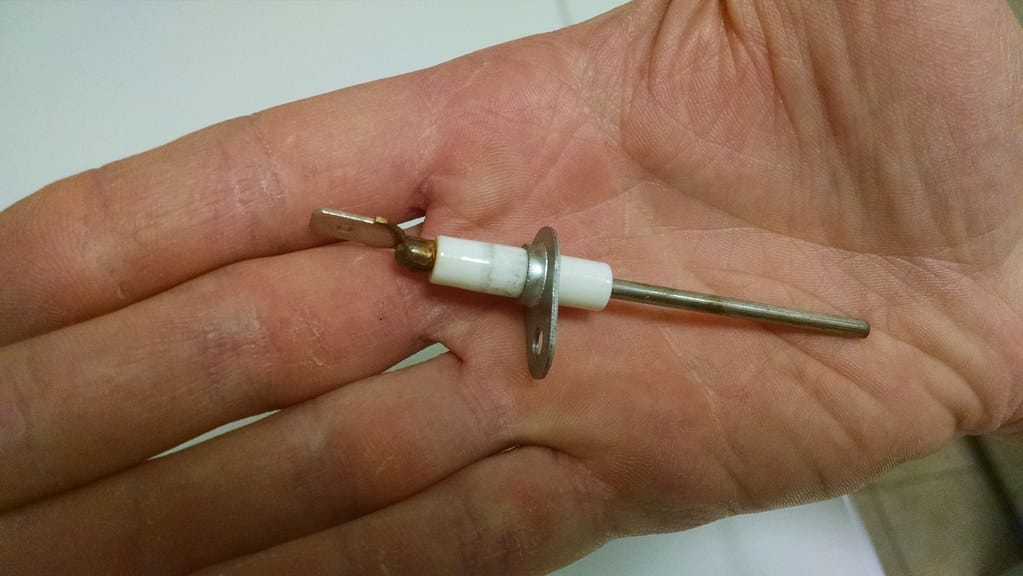
A flame sensor is a small but crucial component found in many furnaces. It usually resembles a thin metal rod encased in a protective ceramic base. This rod is generally about a few inches long and is often bent at an angle to better position itself in the furnace.
The primary role of this sensor is to detect heat from the flame. This ensures your system operates safely and efficiently. Look for these main features when identifying a flame sensor:
- Thin metal rod
- Ceramic base
- Bent shape
The flame sensor is typically located in the burner assembly area. You can find it near the burner where the flame appears during operation. It’s positioned so it can directly “see” the flame.
Finding the flame sensor doesn’t require disassembling the entire furnace. Often, it’s visible without removing significant components. Understanding its location helps in routine checks and maintenance.
Common Issues with Furnace Fire Sensors
Furnace fire sensors, also known as flame sensors, can encounter several common issues. These problems can lead to inefficient heating or even complete system shutdown. Understanding them can save you time and discomfort.
One frequent issue is dirt buildup. Over time, dust and debris can settle on the sensor, hindering its performance. Corrosion is another common problem. Moisture or chemicals in the air can cause the sensor to rust, affecting its functionality.
A misaligned sensor is also problematic. If not properly positioned, it may not detect the flame correctly. This misalignment can cause the furnace to turn off unexpectedly. Here are some common issues:
- Dirt buildup on the sensor
- Corrosion due to moisture or chemicals
- Misalignment impacting detection
A faulty sensor often results in the furnace blowing cold air or shutting off. This not only leads to discomfort but also higher energy bills. These issues can frequently be resolved through cleaning or professional adjustment.
Regular maintenance is key to avoiding these problems. Cleaning the sensor and ensuring correct alignment can prevent most common issues. Routine checks help maintain optimal performance, ensuring your furnace provides reliable warmth when you need it most.
Signs Your Furnace Flame Sensor Is Failing
A failing furnace flame sensor can often be identified by several telltale signs. Recognizing these symptoms early can save you from more severe issues later on. Watch for these indicators to prevent your heater from failing when you need it most.
Firstly, frequent cycling of the furnace is a red flag. If your furnace keeps turning on and off, the flame sensor might be faulty. This cycle not only disrupts heating but also increases wear and tear on the system.
Another common sign is the heater blowing cold air. When the flame sensor doesn’t detect a flame, it shuts off the gas valve. This might be why you’re shivering instead of cozy inside your home.
Visible signs on the sensor itself can also indicate problems:
- Accumulated soot or dirt
- Rust or corrosion on the sensor
- Visible misalignment in placement
If you notice these symptoms, it’s time for a check-up. Regularly examining and cleaning your flame sensor can prevent these issues. It ensures efficient and safe heating, keeping your home comfortable throughout the cold months.
Why Is My Heater Blowing Cold Air? The Role of the Flame Sensor
If you’ve ever wondered why your heater suddenly blows cold air, the culprit might be the flame sensor. This small yet vital component plays a significant role in your furnace’s operation. Understanding how it works can help you pinpoint the problem quickly.
The flame sensor’s primary job is to detect the flame when the furnace is running. If it fails to sense a flame, it shuts off the gas valve. This action prevents gas leaks but can result in your furnace blowing cold air instead of heating.
Several factors can cause the flame sensor to malfunction, leading to this chilly issue:
- Dirt or soot buildup blocking the sensor
- Misalignment preventing proper flame detection
- Corrosion inhibiting signal transmission
Dealing with a heater that blows cold air can be frustrating, especially in the dead of winter. Regular inspection of the flame sensor will help ensure the furnace operates smoothly, providing consistent heat when you need it.
How to Inspect and Clean a Furnace Flame Sensor (DIY Guide)
Keeping your furnace flame sensor clean is crucial for efficient operation. A dirty sensor can cause various issues, such as the furnace shutting off prematurely. Here’s a step-by-step guide on inspecting and cleaning your flame sensor.
First, ensure safety by turning off the power to your furnace. This step prevents any accidental shocks while you work.
Next, locate the flame sensor. It’s typically near the burner assembly, appearing as a small metal rod with a ceramic base. If you’re unsure where it is, consult your furnace’s manual.
Once you’ve found the sensor, gently remove it. This might require unscrewing it with a wrench or screwdriver.
Using a fine abrasive pad, carefully clean the metal rod of the flame sensor. Remove any soot or dirt buildup, but avoid using harsh chemicals.
After cleaning, carefully reattach the sensor. Ensure it’s properly aligned and secure in its place.
Finally, turn on the power and test your furnace. If it runs smoothly, you’ve successfully cleaned the sensor.
Regular cleaning and inspection can prevent many issues. However, if your furnace still acts up, it might be time for professional help. In such cases, don’t hesitate to contact us at LC Heating and Air Conditioning Hollywood. We’re always ready to help!
When to Replace the Flame Sensor: Warning Signs and Steps
Sometimes cleaning isn’t enough, and replacement becomes necessary. Recognizing the signs is key to preventing further issues.
If your furnace frequently cycles on and off, the flame sensor might be faulty. Other symptoms include a persistent lack of heat and unusually high energy bills.
To replace the flame sensor, start by turning off the power to the furnace. Safety should always be the first consideration.
Next, remove the old sensor by unscrewing it, and replace it with a new one. Ensure the new sensor is positioned correctly for optimal performance.
Test the furnace after replacement to ensure everything functions smoothly.
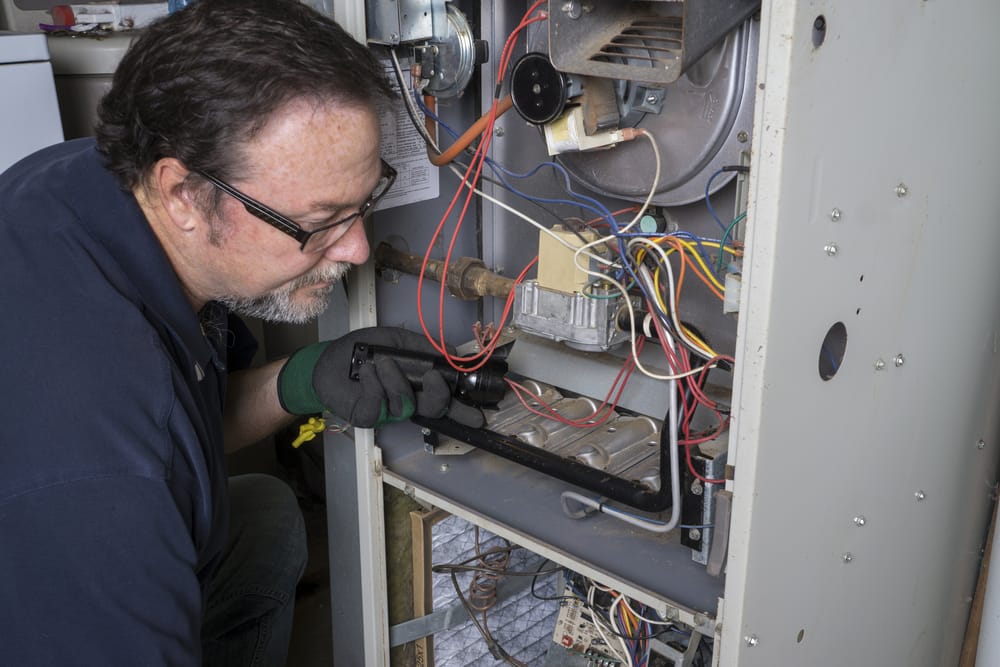
Always refer to the furnace manual for guidance or consider consulting a professional if needed. Don’t hesitate to reach out to experts like us at LC Heating and Air Conditioning Hollywood for professional advice and service.
Where to Buy a Furnace Flame Sensor in Los Angeles
Are you looking for a replacement flame sensor in Los Angeles? Luckily, there are plenty of local options available.
Whether you prefer shopping in-person or online, you’ll find what you need. Local HVAC supply stores often stock these essential parts. In addition, online retailers offer a variety of sensors to suit different furnace models.
Here’s a quick list of where you might find a flame sensor:
- Local HVAC supply stores
- Hardware stores like Home Depot or Lowe’s
- Online retailers like Amazon or HVAC-specific sites
For guidance or professional installation, don’t hesitate to contact us at LC Heating and Air Conditioning Hollywood. We’re here to help you get the right parts and keep your furnace running smoothly.
Professional Furnace Repair in LA and Pasadena: Why Call an Expert?
Furnace issues can be daunting for homeowners who don’t have technical expertise. When dealing with complex problems like a failing flame sensor, it’s wise to seek professional help. Here’s why calling an expert is the best choice.
Experts bring a wealth of experience and specialized knowledge. They ensure accurate diagnosis and effective repair, saving time and stress. A well-trained technician identifies underlying issues that might be missed by an untrained eye.
Safety is another key reason. Handling furnace components involves risks, such as gas leaks or electrical hazards. Professionals are equipped with the tools and skills to manage these safely.
Additionally, expert repairs improve system efficiency, resulting in lower energy bills and prolonged equipment life. Quality service from a professional ensures reliable heating when you need it most.
Consider these benefits of hiring a professional:
- Accurate diagnosis and repair
- Enhanced safety measures
- Improved system efficiency
- Peace of mind
For those in LA and Pasadena, LC Heating and Air Conditioning Hollywood provides trusted HVAC services. Reach out to us to ensure your home stays comfortable and safe year-round.
Preventing Future Problems: Maintenance Tips for Homeowners and Small Businesses
Regular maintenance is crucial for preventing furnace problems. Simple preventative steps can keep your system running smoothly. Let’s look at some key maintenance tips.
First, schedule annual inspections with a professional technician. They can spot issues before they become costly repairs. This proactive approach ensures your system operates efficiently.
Keep the flame sensor and other components clean. Dirt and debris can affect the sensor’s performance, leading to unnecessary system shutdowns. Regular cleaning can mitigate many common issues.
In addition, change or clean air filters monthly. Clogged filters strain your system and reduce its efficiency. Clean filters contribute to better airflow and overall performance.
Here are a few simple steps to maintain your furnace:
- Schedule annual inspections
- Keep components clean
- Change air filters monthly
By following these tips, homeowners and small business owners can help ensure reliable heating throughout the year. A little upkeep can make a significant difference in system longevity and efficiency.
Frequently Asked Questions About Furnace Flame Sensors
Navigating furnace flame sensor issues can be tricky. Here, we answer some common questions to help guide you.
What is the function of a flame sensor? The flame sensor ensures the gas in your furnace ignites safely. If no flame is detected, it shuts off the gas valve, preventing potential gas leaks.
How can I identify a flame sensor? Typically, a flame sensor is a small metal rod with a ceramic base. It is usually found near the burner assembly of your furnace.
Can I clean a flame sensor myself? Yes, but with caution. Turn off the furnace, remove the sensor, and clean it gently with a fine abrasive pad.
When should a flame sensor be replaced? If cleaning the sensor doesn’t resolve issues like frequent cycling or cold air, replacement may be necessary.
Where can I buy a replacement flame sensor? Visit local HVAC supply stores or check online retailers.
Here’s a quick list for understanding flame sensors:
- Safety function
- Common location
- Cleaning tips
- Replacement indicators
Maintaining your furnace with proper sensor care ensures safe and efficient operation. If any doubts arise, consult a professional.
Why Choose LC Heating and Air Conditioning Hollywood?
When it comes to furnace repairs in Hollywood, you deserve the best. At LC Heating and Air Conditioning, we blend expertise with a personal touch. Our team is dedicated to ensuring your home stays warm and safe during the chilly months.
Our commitment is evident through our customer-first mindset. We offer quick, reliable service and quality workmanship every time. Whether you’re dealing with a faulty flame sensor or need a full system check, we’re here to help.
Why trust us with your HVAC needs?
- Experienced professionals
- Prompt, reliable service
- Customer satisfaction is our priority
For peace of mind, choose a local expert known for quality service and community trust.
Contact Us for Fast, Reliable Heater Repair in LA
When your heater isn’t performing, we’re just a call away. At LC Heating and Air Conditioning Hollywood, we’re ready to restore warmth to your home or business with our expert services.
Contact us at (818) 858-7080 for dependable heater repair. Trust the professionals who prioritize your comfort and satisfaction.
If your heater is blowing cold air, check thermostat settings, filters, and airflow first. If the issue persists, schedule a professional HVAC inspection to fix furnace components and restore warm air.
FAQ:
Why is my heater blowing cold air instead of warm air?
A heater may blow cold air due to incorrect thermostat settings, clogged air filters, blocked vents, or internal furnace issues like ignition failure or airflow problems.
Can thermostat settings make my heater blow cold air?
Yes — if the thermostat is set to “cool,” “fan only,” or has dead batteries, your heater may circulate unheated air instead of calling for heat.
How does a dirty air filter affect my furnace?
Dirty or clogged filters restrict airflow, forcing the system to run inefficiently and sometimes causing the furnace to blow cold air instead of warm air.
Could blocked vents or airflow issues be the problem?
Absolutely — closed or obstructed vents, closed dampers, or restricted ductwork can prevent warm air from circulating properly throughout your home.
When should I call a professional to fix my heater?
If basic troubleshooting — like checking settings and replacing filters — doesn’t solve the problem, or if you suspect a mechanical or ignition issue, contact an HVAC technician.
Can a furnace component failure cause cold air to blow?
Yes — failures in parts like the ignition system, limit switch, or blower motor can result in cold air output and should be diagnosed and repaired by a professional.