TL;DR Summary for Those in a Hurry:
- Natural Gas Furnace vs. Electric Heating Systems compares the pros and cons of gas and electric heat options to help you choose the best fit for comfort, cost, and efficiency.
- Natural gas furnaces typically deliver fast, powerful heat and lower operating costs in cold climates, while electric systems are safer, simpler, and easier to install.
- Electric heating often costs more to run but requires less maintenance and no fuel combustion.
- Understanding differences in energy efficiency, installation cost, and long-term performance helps you make a smarter heating investment for your home.
Choosing the right heating system for your home or business is crucial. It impacts comfort, energy bills, and environmental footprint.
When comparing Natural Gas Furnace vs. Electric Heating Systems, it’s important to understand how each option performs in real-world conditions.
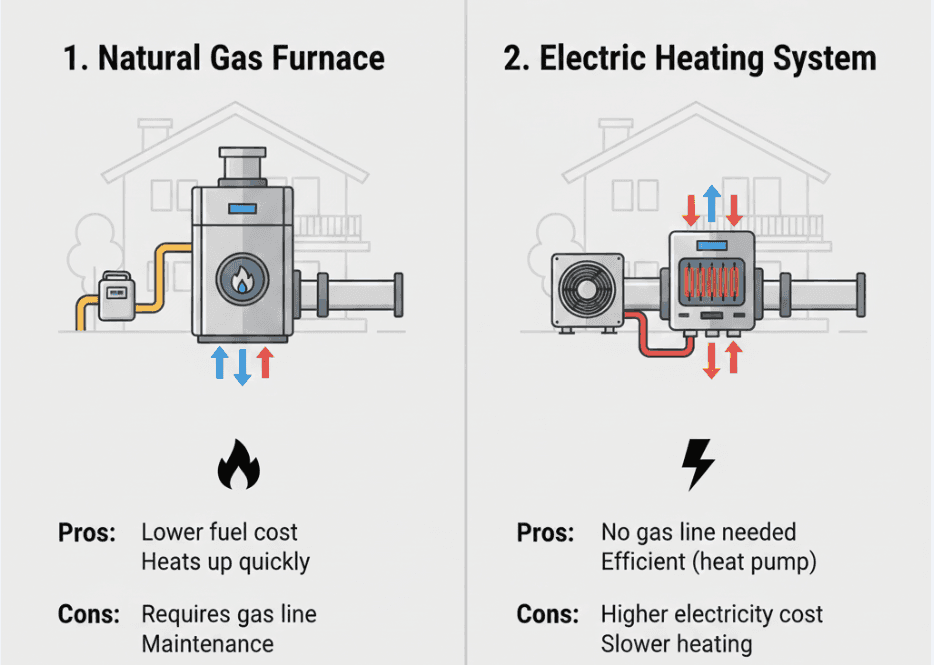
Natural gas furnaces are known for their efficiency and cost-effectiveness. They provide quick, consistent heat, ideal for colder climates.
Electric heating systems, on the other hand, are easy to install and maintain. They can be more environmentally friendly if powered by renewable energy.
Understanding the differences between these systems can help you make an informed decision. Consider factors like installation costs, energy efficiency, and safety.
In this guide, we’ll explore these aspects in detail. We’ll also discuss local regulations and incentives in the Los Angeles area.
Whether you’re a homeowner, a stay-at-home mom, or a small business owner, this guide is for you.
For personalized advice or professional installation, contact LC Heating and Air Conditioning at (818) 858-7080. We’re here to help!
Understanding the Basics: How Natural Gas and Electric Heating Systems Work
Heating systems are essential components of comfortable living. Let’s break down how natural gas and electric systems operate.
Natural Gas Furnace:
A natural gas furnace burns gas to produce heat. This heat warms up air, which is then circulated throughout your home. The system includes a burner, heat exchanger, and blower fan.
Electric Heating System:
Electric heating systems, like baseboard heaters or electric furnaces, use electricity to produce heat. They convert electric energy into heat through resistance elements.
Here’s a quick breakdown of key components and operations:
Natural Gas Furnace:
- Burner ignites gas
- Heat exchanger warms air
- Blower distributes heat
Electric Heating Systems:
- Resistance elements create heat
- Heat circulates through fans or convection
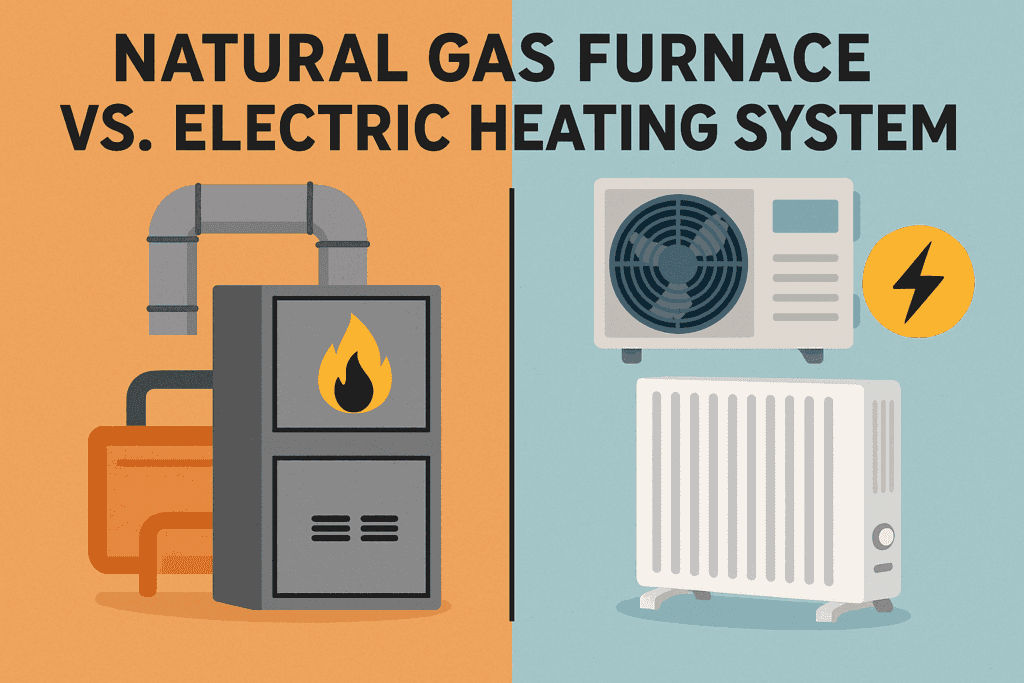
Efficiency and heating speed differ between these systems. Natural gas tends to heat spaces faster. Meanwhile, electric systems offer cleaner operation without emissions.
Each system has its merits and considerations. Understanding how these systems work aids in making informed decisions about which suits your home’s needs best. Whether you’re enhancing coziness at home or optimizing operations for your business, choosing the right system is vital.
Comparing Heating Performance: Which System Keeps You Warmer?
Heating performance is a crucial consideration when choosing a system. Let’s compare how effectively natural gas and electric systems keep your home warm.
Natural Gas Furnace:
Natural gas furnaces are renowned for rapid and consistent heating. They produce a high heat output, making them ideal for colder climates. These furnaces quickly bring your home to a cozy temperature.
Electric Heating Systems:
Electric systems, while slower to heat compared to gas, offer more consistent and controlled warmth. They’re perfect for mild climates and homes where precision is key.
Here’s how these systems stack up:
Natural Gas Furnace:
- High heat output
- Quick to heat large areas
- Ideal for cold weather
Electric Heating Systems:
- Steady, controlled heating
- Better for smaller spaces
- Suitable for moderate climates
The choice between these systems often hinges on regional climate and home size. While natural gas is efficient for larger spaces, electric heating can better suit smaller homes or spaces requiring targeted warmth. Understanding these performance aspects helps tailor heating systems to personal and local needs, ensuring a warm and inviting home environment year-round.
Cost Breakdown: Installation, Replacement, and Long-Term Expenses
When considering a new heating system, cost is a significant factor. Here’s a deep dive into the financial aspects of natural gas vs. electric heating.
Installation Costs:
The initial cost is generally higher for natural gas furnaces. You can expect to spend between $3,000 and $7,000. This range varies with the size and efficiency of the unit.
Replacement Costs:
Replacing a gas furnace can mirror its installation price, though older systems may incur additional expenses. If you’re considering an electric heating system, initial costs are usually lower. Installation can range from $2,000 to $4,500, largely dependent on system type and home size.
Long-Term Expenses:
In the long run, natural gas tends to be cheaper due to lower fuel costs. However, price fluctuations can impact overall expenses. On the other hand, electric heating may lead to higher utility bills, especially in regions with elevated electricity rates.
Here’s a breakdown for clarity:
Natural Gas Furnace Costs:
- Initial installation: $3,000 – $7,000
- Replacement: Similar to installation
- Lower fuel costs, potential fluctuation
Electric Heating System Costs:
- Initial installation: $2,000 – $4,500
- Higher electricity costs
Additional Expenses:
Consider maintenance and utility upgrades for natural gas systems. Electric systems may require less upkeep but could increase electric bills.
Local Incentives:
Incentives and rebates for energy efficiency might reduce initial expenses for both systems. Check local programs in Los Angeles for potential savings.
Weighing these costs helps determine your best financial option. Evaluate immediate budget constraints against potential long-term savings to choose the most cost-effective heating system for your home or business.
Energy Efficiency and Environmental Impact
Energy efficiency plays a crucial role in heating system selection. Natural gas furnaces typically boast high efficiency, especially newer models. Look for units with higher AFUE (Annual Fuel Utilization Efficiency) ratings. These ratings indicate less wasted energy and lower operating costs.
Electric heating systems also offer efficient options. Systems like heat pumps can achieve efficiencies over 100%. This remarkable figure results from their ability to transfer rather than generate heat.
Environmental considerations are equally important. Natural gas, a fossil fuel, emits greenhouse gases. Conversely, electric systems have varied impacts based on electricity sources. If powered by renewable energy, electric systems shine in terms of eco-friendliness.
Here’s a quick comparison:
Natural Gas Furnaces:
- High efficiency with modern models
- AFUE ratings important
- Emits greenhouse gases
Electric Heating Systems:
- Can exceed 100% efficiency
- Impact depends on electricity sources
- Potentially eco-friendlier with renewables
Efficiency and environmental concerns are not just about operation. Consider the production and lifecycle impact of each system. These factors influence both immediate choices and long-term sustainability. Choose wisely to balance performance with environmental stewardship.
Safety Considerations: What Every Homeowner Should Know
Safety should always be a top priority when choosing a heating system. Natural gas furnaces use combustion, which comes with specific risks. Homeowners must be alert to potential gas leaks, which can be hazardous.
Carbon monoxide exposure is another concern with gas furnaces. Installing carbon monoxide detectors is essential for added protection. Regular inspections and maintenance can mitigate many risks associated with gas heating.
Electric heating systems generally pose fewer safety risks. They don’t involve combustion, so there’s no risk of gas leaks. This aspect makes them appealing to many homeowners looking for peace of mind.
Here’s what to keep in mind for each system:
Natural Gas Furnaces:
- Risk of gas leaks
- Carbon monoxide exposure
- Requires detectors and regular maintenance
Electric Heating Systems:
- Fewer combustion-related risks
- No gas leaks
- Generally safer day-to-day
Understanding these safety aspects helps homeowners make informed choices. Awareness and prevention are key to ensuring a safe and comfortable home environment.
Maintenance and Longevity: What to Expect Over the Years
Maintaining your heating system is crucial for long-term performance. Natural gas furnaces typically last 15-20 years with routine care. Regular maintenance involves changing filters and inspecting burners.
Electric heating systems can have an even longer lifespan. With proper care, they often last up to 30 years. Maintenance is generally simpler, requiring less intensive intervention than gas systems.
Here’s a summary of typical maintenance tasks for each:
Natural Gas Furnaces:
- Filter replacements
- Burner inspections
- Annual professional check-ups
Electric Heating Systems:
- Routine cleaning
- Component checks
- Fewer professional service needs
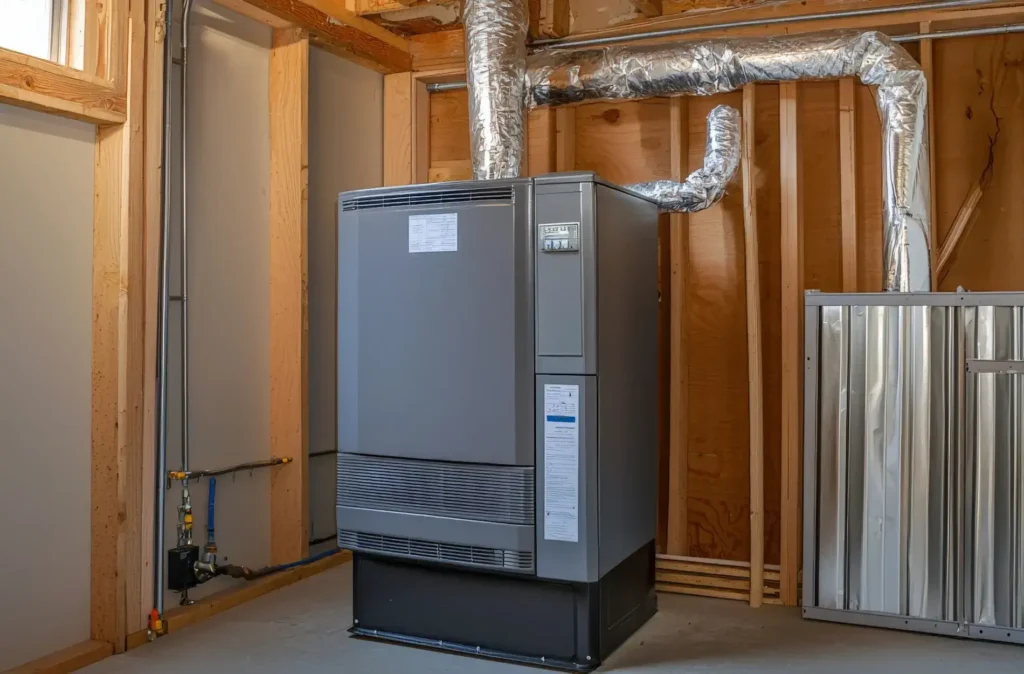
Investing in regular maintenance can save money over time. It helps prevent unexpected failures and extends the life of your system. Proper care ensures reliable heating when you need it most, reducing inconvenience and stress during extreme weather.
Comfort, Noise, and Air Quality: Everyday Living with Gas vs. Electric
The day-to-day experience of living with a heating system is as important as costs and efficiency. Natural gas furnaces often provide a more traditional warmth. They heat spaces quickly and evenly, which is ideal for colder climates or larger homes.
Electric systems offer a modern touch, delivering consistent heat with more precise controls. They can easily connect with smart thermostats, enhancing user convenience. This flexibility allows for tailored comfort, adapting to specific areas in your home.
Noise can be an important factor in choosing a heating system. Natural gas furnaces may generate more noise due to combustion processes. In contrast, electric systems tend to operate more quietly, contributing to a peaceful atmosphere.
Air quality considerations are crucial for a healthy home. Proper ventilation is essential with gas systems to prevent carbon monoxide build-up. Electric systems avoid combustion, reducing the risk of pollutants. Here are some key points to consider:
Gas Furnaces:
- Quick, consistent heat
- Possible noise concerns
- Requires good ventilation
Electric Systems:
- Quiet operation
- Precise temperature control
- Cleaner air quality
Each system offers distinct living experiences. Understanding how each performs in comfort, noise, and air quality can guide your decision-making process.
Rebates, Incentives, and Local Regulations in Los Angeles
Residents of Los Angeles can benefit from various rebates and incentives when upgrading their heating systems. These incentives make energy-efficient options more affordable and appealing. It’s worth exploring these opportunities to save money upfront.
Many programs focus on promoting energy-efficient equipment, reducing the overall carbon footprint. In some cases, rebates are offered for systems with high efficiency ratings, such as Energy Star-certified models. This can significantly lower the initial installation cost.
Awareness of local regulations is also essential. Compliance with safety standards ensures both the longevity of the system and the safety of your household. Here’s a quick overview of what to consider:
Rebates:
- Based on energy efficiency
- Available for specific certified models
Local Regulations:
- Compliance with safety standards
- Influence on installation requirements
Consider consulting with a professional to navigate these options efficiently.
Choosing the Right System for Your Home or Business
Selecting the ideal heating system depends on various factors unique to your situation. First, assess the size of your space and your specific heating needs. Larger homes or businesses may benefit from the robust heating capabilities of natural gas furnaces.
Budget is another critical factor. Although the upfront cost of an electric system might be more affordable, consider potential long-term expenses. How do your local energy rates impact monthly bills?
Environmental considerations are increasingly important in today’s world. Electric heating systems can be powered by renewable energy, lessening their environmental impact. Natural gas, on the other hand, is a fossil fuel with a different ecological footprint.
To simplify the decision, evaluate the following key aspects:
- Space Size and Heating Needs
- Budget and Long-Term Costs
- Environmental Impact and Energy Source
Seeking professional advice can further guide you in making the best decision. At LC Heating and Air Conditioning, we’re here to provide personalized assistance. Call us at (818) 858-7080 to discuss your heating options.
When to Call a Professional: How LC Heating and Air Conditioning Can Help
Sometimes, heating issues arise at the most inconvenient times. Knowing when to reach out for professional help can save you time and stress.
If you notice inconsistent heating or abnormal noises, it might be time to call us. We can quickly diagnose and address any problems.
LC Heating and Air Conditioning offers reliable services for all your HVAC needs. From installation to maintenance, we’re here to ensure your comfort.
Here’s when you should consider contacting us:
- Unusual noises or odors
- Inconsistent heating
- System won’t turn on
Count on us for fast and friendly service. Our team is just a call away at (818) 858-7080, ready to restore your home’s comfort. Whether you’re upgrading systems or facing unexpected issues, let us handle the work while you focus on what matters.
Conclusion: Making the Best Choice for 2026 and Beyond
Choosing between a natural gas furnace and an electric heating system is a significant decision. It’s essential to weigh the costs, efficiency, and specific needs of your home or business.
As we move into 2026 and beyond, prioritize energy efficiency and comfort. Keep your home warm and inviting with the right heating choice. For tailored advice and professional assistance, reach out to LC Heating and Air Conditioning at (818) 858-7080. We’re here to help you make the best decision for a cozy future.
Gas furnaces offer strong heat and lower fuel costs, whereas electric systems are cleaner and easier to maintain. Balancing comfort, utility rates, and installation needs will guide the right choice for your home.
FAQ:
What’s the difference between a natural gas furnace and electric heating systems?
A natural gas furnace burns gas to generate heat and often warms a home faster and at lower operating cost, while electric systems use electricity to create heat with simpler installation and zero combustion emissions.
Which system costs less to operate?
Natural gas furnaces typically cost less to operate because natural gas is often cheaper than electricity, especially in colder climates where heating demand is high.
Are electric heating systems safer than gas furnaces?
Electric heating systems do not burn fuel or produce combustion byproducts like carbon monoxide, making them safer in terms of emissions, though all systems still require proper installation.
Is one system more efficient than the other?
Electric heating can convert nearly all its energy into heat (high efficiency), but gas furnaces often heat faster and use less energy overall in typical use because they reach high temperatures quickly.
Is installation cost different between gas and electric systems?
Yes — electric heating systems usually have lower upfront installation costs because they don’t require gas lines, flue pipes, or combustion venting, while gas furnaces may require additional infrastructure.
Which system is better for my climate?
Natural gas furnaces typically perform better and are more cost-effective in colder climates, while electric heating may be more practical in mild climates or where gas service isn’t available.