TL;DR Summary for Those in a Hurry:
- AC does not Turn on even though the thermostat clicks usually points to power issues, a tripped breaker, a faulty capacitor, or a failed contactor.
- Simple checks—like inspecting the circuit breaker, thermostat settings, and air filter—can help rule out easy fixes fast.
- If the outdoor unit won’t start, the problem may involve electrical components that require professional diagnosis.
- Acting early helps prevent further damage to the compressor and avoids more expensive repairs.
- When basic checks don’t solve the issue, calling an HVAC professional ensures safe, accurate troubleshooting.
Why Your Thermostat Clicks but the AC Does Not Turn On
In the sweltering heat of Los Angeles, the last thing you need is an air conditioning unit that refuses to cooperate. The relentless sunshine that makes LA famous can quickly turn your home into an unbearable oven if your ac does not turn on. You’re standing there, listening to the rhythmic clicking of your Honeywell thermostat, yet the air conditioner remains stubbornly silent. This scenario is all too familiar for many homeowners, and it can be incredibly frustrating.
The Importance of Air Conditioning
As the proud owner of LC Heating and Air Conditioning in Hollywood, I understand the urgency of getting your AC back in working order. The discomfort of a hot home can disrupt your daily routine, affect your sleep, and even pose health risks to vulnerable individuals.
What This Article Will Help You Understand
In this article, we’ll explore why your thermostat might click, but your AC doesn’t turn on, and what steps you can take to resolve this issue.
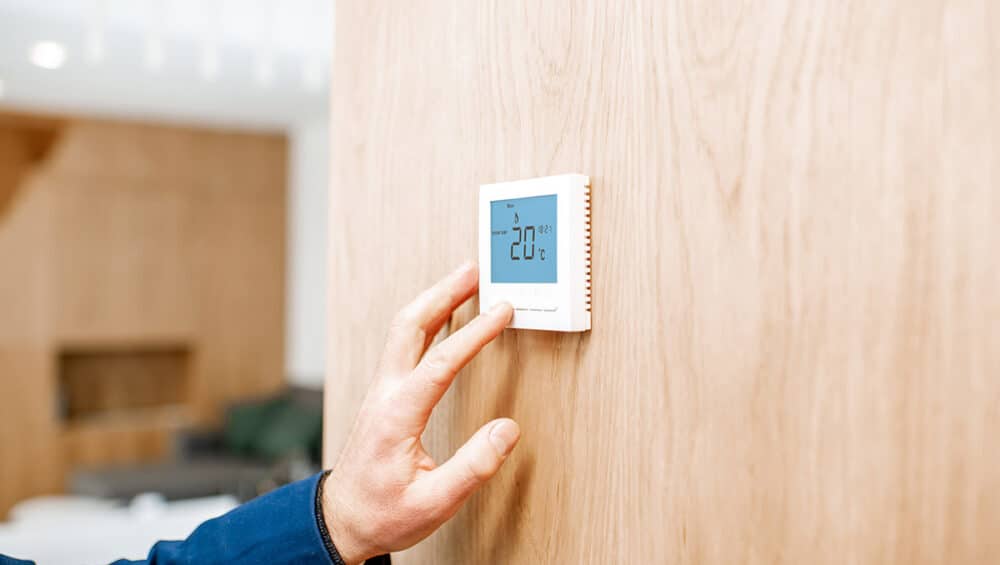
When your thermostat clicks but the AC does not turn on, it typically signals an issue with the communication between your thermostat and the air conditioning unit. This click is the thermostat attempting to send a command to the AC, but something is obstructing the process.
Several factors could be at play, and while some can be addressed with a bit of DIY spirit, others may require professional intervention.
Correct Diagnosis of the Problem
It’s crucial to diagnose the problem correctly to avoid further damage to your system and ensure your comfort is restored promptly.
Let’s delve into the potential causes.
Common Causes
1. Faulty Thermostat
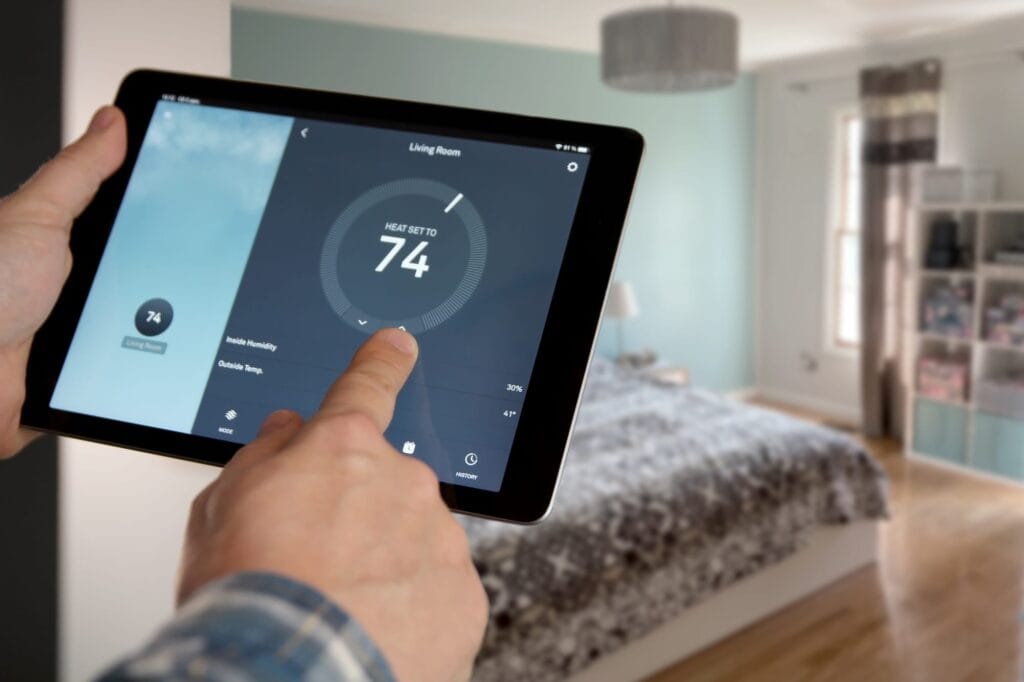
The thermostat is the brain of your HVAC system, responsible for communicating your temperature preferences to the air conditioner. A malfunctioning thermostat can result in the AC not receiving the “turn on” signal, even though you hear the click. Sometimes, it might be as simple as dead batteries, so replacing them is a good first step. In addition to battery issues, internal wiring problems or outdated models might fail to communicate effectively with modern HVAC systems. If the problem persists, it might be time to consider a replacement. Investing in a new thermostat can improve energy efficiency and provide enhanced control over your home’s climate.
2. Tripped Circuit Breaker
Another common culprit is a tripped circuit breaker. Your AC requires a significant amount of power to operate, and the circuit breaker is there to protect your electrical system from damage. If there’s a sudden surge, the circuit breaker might trip, cutting power to the unit. Check your electrical panel and reset the breaker if necessary. However, if it repeatedly trips, you may be dealing with a more serious electrical issue. Persistent tripping can indicate problems such as a short circuit or an overloaded electrical circuit, both of which require professional attention to ensure safety and prevent potential hazards.
3. Clogged Air Filter
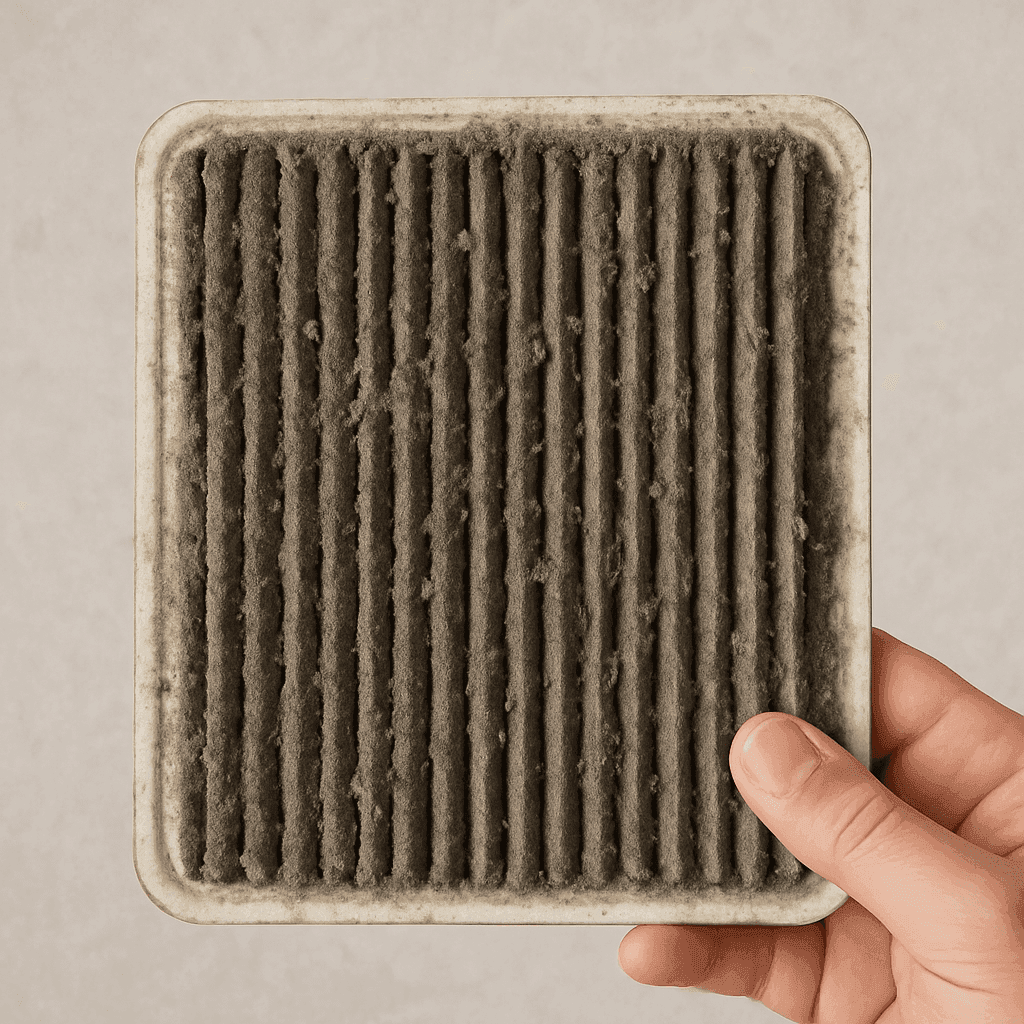
Airflow is critical to the proper functioning of your AC. A clogged air filter can restrict airflow, causing the system to overheat and shut down as a safety measure. This is a common issue, especially in homes with pets or in areas with high dust levels. Regularly replacing or cleaning your air filter can prevent this problem and ensure that your AC runs efficiently. Neglecting this simple maintenance task can lead to reduced air quality, increased energy consumption, and even damage to the HVAC system over time. By keeping your air filter clean, you not only extend the life of your AC unit but also improve the overall air quality in your home.
4. Issues with the AC Unit
If your thermostat clicks but your AC doesn’t turn on, the issue might lie within the air conditioning unit itself. Problems such as a faulty compressor, broken fan motor, or refrigerant leaks can prevent the AC from starting. These components are integral to the operation of your air conditioning system, and malfunctions can severely impact performance. These issues often require the expertise of a professional HVAC technician to diagnose and repair. Attempting to fix these problems without the proper knowledge and tools can lead to further damage and increased repair costs.
Troubleshooting Steps
Before calling in the experts, there are a few troubleshooting steps you can take to potentially resolve the issue.
Step 1: Check the Thermostat Settings
Ensure that your thermostat is set to “cool” and the temperature is set lower than the current room temperature. A simple oversight in settings can sometimes be the cause. Additionally, verify that the thermostat is in good working order and properly connected to the HVAC system. Double-checking these settings can save you time and unnecessary frustration. If the settings are correct and the issue persists, it may indicate a deeper problem that needs further investigation.
Step 2: Inspect the Circuit Breaker
Locate your home’s electrical panel and check if the breaker for the AC unit has tripped. If so, reset it and see if the AC starts. If it trips again, this could indicate a deeper electrical problem. Persistent tripping often signals issues such as electrical shorts, grounding problems, or an overloaded circuit. It’s crucial to address these issues promptly to prevent potential safety hazards and ensure the longevity of your electrical system.
Step 3: Replace or Clean the Air Filter
A dirty air filter can impede airflow, so make sure to replace or clean it regularly. This simple maintenance task can prevent a host of HVAC issues and improve system efficiency. Clogged filters force your AC to work harder, leading to increased energy consumption and potential damage to the system. By maintaining a clean filter, you not only improve the efficiency of your AC but also enhance the indoor air quality, creating a healthier living environment for you and your family.
Step 4: Check for Obstructions
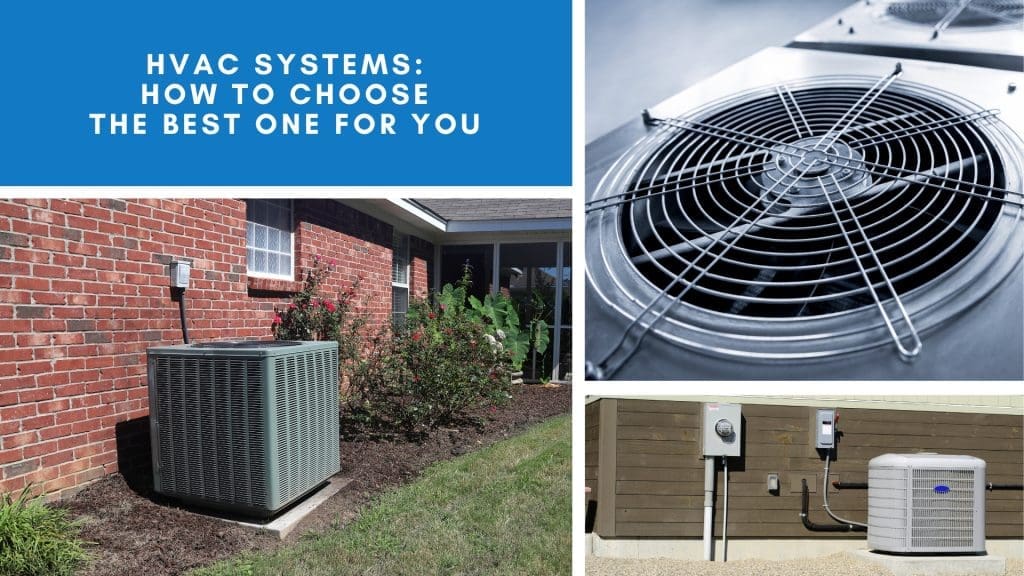
Inspect the outdoor unit for any debris or obstructions that might be affecting its performance. Ensure that there’s at least two feet of clearance around the unit for optimal airflow. Overgrown plants, leaves, or other debris can block airflow and reduce efficiency. Regularly checking and maintaining the area around your outdoor unit can help prevent these issues. Keeping the unit clean and unobstructed will ensure it operates at peak efficiency, reducing energy costs and extending its lifespan.
When to Call a Professional
If you’ve gone through these troubleshooting steps and your AC still refuses to turn on, it may be time to call in a professional. At LC Heating and Air Conditioning, we pride ourselves on providing reliable and trustworthy service to the Los Angeles metropolitan area. Our experienced technicians can quickly diagnose and repair the issue, ensuring your comfort is restored as soon as possible. Attempting to fix complex HVAC issues without professional help can lead to further complications and potentially void warranties. Our team is equipped with the expertise and tools necessary to handle a wide range of HVAC problems, providing peace of mind and efficient solutions.
Contact Us
For those who prefer to have a professional handle the work, or if you find yourself with a problem you can’t solve, don’t hesitate to reach out to us at LC Heating and Air Conditioning Hollywood. We understand that time is of the essence, especially when it comes to maintaining a comfortable home environment. Our commitment to fast and effective service ensures that you won’t have to endure discomfort for long. Give us a call at (818) 858-7080, and let us take care of the rest. Our team is ready to assist you with any HVAC needs, providing expert advice and quality service you can trust.
Conclusion – AC does not turn on
Dealing with an AC unit that won’t start can be a daunting task, especially in the heat of a Los Angeles summer. However, by understanding the common causes and following the troubleshooting steps outlined above, you can often resolve the issue quickly and efficiently.
Why Timely Troubleshooting Matters
Regular maintenance and prompt attention to minor issues can prevent them from escalating into major problems. Remember, regular maintenance is key to preventing these problems from occurring in the first place.
Your Trusted Local HVAC Partner
Whether you’re a stay-at-home mom juggling tasks, a small business owner seeking reliable information, or someone working from home who needs a quick fix, we at LC Heating and Air Conditioning are here to help. Our commitment to quality service and customer satisfaction makes us a trusted resource in the community.
Don’t let a stubborn AC unit disrupt your day—reach out to us for all your HVAC needs. With our expertise and dedication, you can rest assured that your home will remain cool and comfortable year-round.
If your thermostat clicks but cooling never starts, the issue is often electrical or component-related. Quick checks can help, but professional service is the safest way to restore reliable AC operation and prevent bigger failures.
FAQ:
What are the most common signs of a faulty thermostat?
Common signs include incorrect room temperature, the HVAC system not turning on or off properly, frequent cycling, unresponsive controls, or temperature readings that don’t match the actual room conditions.
Can a faulty thermostat cause my heater or AC to stop working?
Yes. A faulty thermostat can prevent your heating or cooling system from receiving the correct signals, causing it to stop working, short-cycle, or run continuously.
Should I replace or repair a faulty thermostat?
It depends on the issue. Simple problems like loose wiring or calibration errors may be repaired, while older or outdated thermostats are often better replaced—especially if you want improved efficiency or smart features.
Can a thermostat problem increase my energy bills?
Absolutely. When a thermostat malfunctions, it can cause your HVAC system to run longer than necessary or cycle inefficiently, leading to higher energy consumption and utility costs.
How long does thermostat replacement take?
Most thermostat replacements take less than an hour. Smart thermostat installations may take slightly longer, depending on wiring and system compatibility.
Are smart thermostats more reliable than traditional ones?
Smart thermostats are generally more accurate and efficient. They offer better temperature control, remote access, and energy-saving features, but they still require proper installation and occasional maintenance.