TL;DR Summary for Those in a Hurry:
- Preventing Hot Air from Your AC focuses on ways to stop your air conditioner from blowing warm or ineffective air by addressing common causes like airflow issues, thermostat settings, and refrigerant problems.
- Simple steps include checking and adjusting your thermostat settings to “cool” and ensuring airflow is clear by cleaning or replacing filters regularly.
- Other key actions are clearing debris around the outdoor unit, checking refrigerant levels, and scheduling professional maintenance to catch issues early.
- Taking these preventive measures helps improve cooling performance, energy efficiency, and overall comfort during hot weather.
As the owner of LC Heating and Air Conditioning in Hollywood, I understand how frustrating it can be when your air conditioner starts blowing hot air instead of the cool breeze you expect. Whether it’s your car AC or the unit in your home, having an air conditioner that doesn’t function properly can be inconvenient and uncomfortable, especially in the Los Angeles heat. The sweltering temperatures can make even the smallest AC issues feel overwhelming, leaving homeowners and drivers alike in a scramble for solutions. Therefore, it is crucial to be informed about the common reasons behind these malfunctions, enabling you to take swift and effective action in Preventing Hot Air from Your AC.

Why Is My AC Blowing Hot Air?
Before we jump to conclusions, it’s essential to diagnose the problem accurately. The reasons behind an AC blowing hot air can vary from simple fixes to more complex issues. A systematic approach to diagnosing these problems can save time and prevent unnecessary expenses. By understanding the root cause of the issue, you can determine whether it’s something you can handle on your own or if professional assistance is required.
An accurate diagnosis not only addresses the immediate problem but also helps prevent future occurrences. Misdiagnosing can lead to repeated issues, adding to the frustration and discomfort. Therefore, it’s beneficial to be familiar with both common and less obvious causes of AC malfunction. This knowledge can empower you to make informed decisions about repairs and maintenance, ensuring your system remains reliable during peak demand times.
Common Causes for Air Conditioner Blowing Hot Air
1. Thermostat Issues
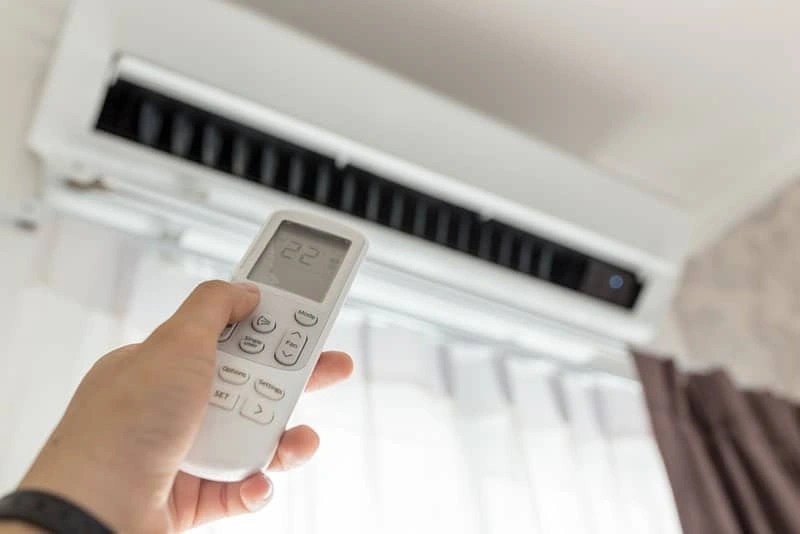
One of the most straightforward explanations is a thermostat set to the wrong temperature or mode. Ensure your thermostat is set to “cool” and not “heat” or “fan only.” This simple step can sometimes be all it takes to fix the problem. Additionally, a malfunctioning thermostat can also lead to temperature discrepancies, causing the AC to blow hot air. It’s important to check if the thermostat is correctly calibrated and functioning properly.
A digital thermostat may need a battery replacement or a reset to resolve any internal errors. For older, manual models, consider upgrading to a programmable or smart thermostat for better accuracy and control. With advancements in technology, modern thermostats offer features like remote access and energy-saving modes, adding convenience and efficiency to your cooling system.
2. Dirty Air Filters
Air filters play a crucial role in maintaining your AC’s efficiency. A clogged filter can restrict airflow, causing the unit to overheat and blow warm air. Regularly replacing or cleaning your air filters can prevent this issue. Beyond just temperature control, clean filters contribute to better indoor air quality, reducing allergens and pollutants in your home.
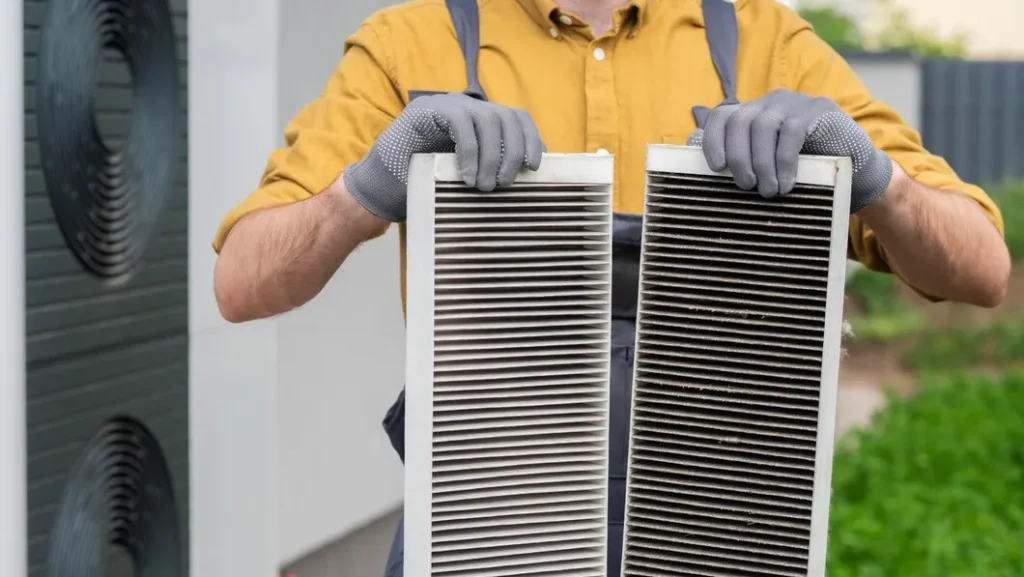
Neglecting filter maintenance can also lead to increased energy consumption and higher utility bills as your system works harder to maintain the desired temperature. It’s an easy and cost-effective maintenance task that can significantly improve your AC’s performance. Setting a regular schedule for filter checks ensures you never overlook this vital component of your air conditioning system.
3. Refrigerant Leaks
Refrigerant is the lifeblood of your AC system. If there’s a leak, the refrigerant levels drop, leading to insufficient cooling. This problem typically requires a professional to address it, as handling refrigerants can be hazardous. Leaks can occur due to wear and tear in the system’s components or from improper installation.
Detecting a refrigerant leak early can prevent further damage to the system and avoid costly repairs. Signs of a leak include hissing noises, reduced cooling efficiency, or ice formation on the evaporator coils. It’s crucial to have a certified technician assess and repair refrigerant issues to ensure compliance with environmental regulations and to safeguard your health and safety.
4. Electrical Issues
Faulty wiring or a tripped circuit breaker can disrupt the power supply to your AC unit, causing it to blow hot air. Check your circuit breaker to ensure everything is in working order. Electrical issues can stem from various factors, including power surges, aging wiring, or even pest damage.
Addressing electrical problems promptly can prevent potential hazards, such as electrical fires or further damage to your AC unit. It’s advisable to regularly inspect the electrical components of your system and consult a professional if you notice any irregularities. Ensuring a stable power supply is critical for the efficient operation of your air conditioner.
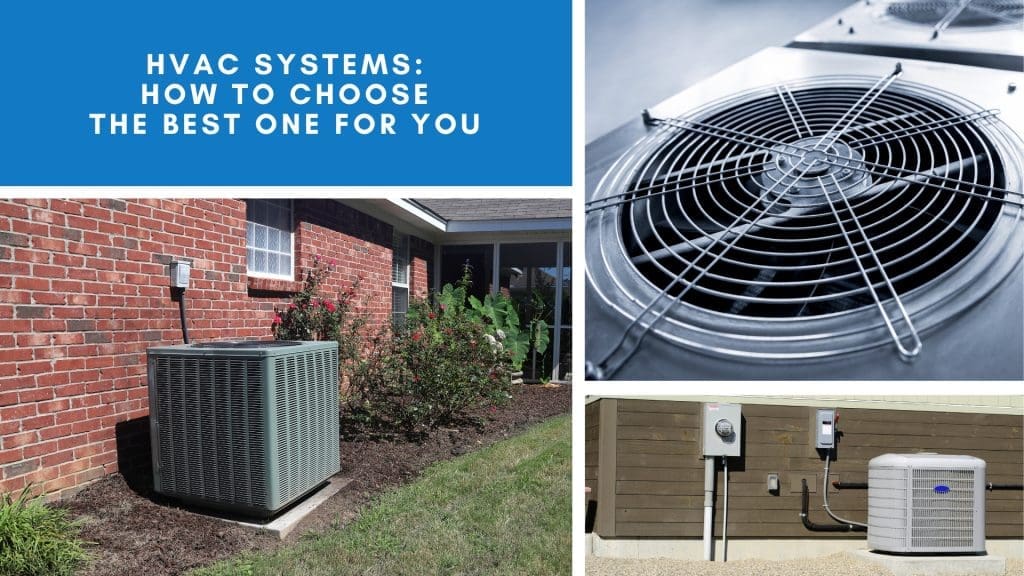
5. Blocked Condenser Unit
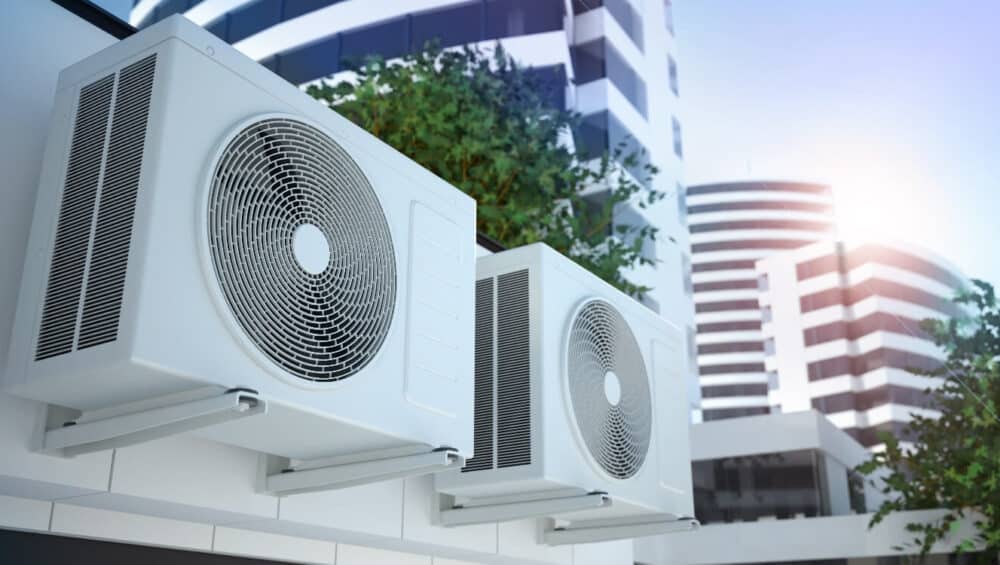
The condenser unit, usually located outside your home, can become blocked by debris such as leaves or dirt. This blockage can restrict airflow, causing the AC to malfunction. Regular maintenance and cleaning can help keep the condenser unit free of debris. In addition to debris, overgrown vegetation around the condenser can also impede airflow and should be trimmed back regularly.
Proper care of the condenser unit not only enhances the efficiency of your AC system but also extends its lifespan. Seasonal checks and cleanings, especially before the onset of peak cooling periods, ensure your system is ready to perform when needed. By maintaining a clear area around the condenser, you reduce the risk of overheating and mechanical failure.
Solving Car AC Blowing Hot Air
Many of the principles for home AC systems apply to car air conditioners, but there are unique aspects to consider for vehicles. Understanding these unique factors is crucial for diagnosing and resolving issues with your car’s AC system. With the confined space and specific components involved, car AC systems can present distinct challenges that differ from home units.
Taking a proactive approach to maintenance can help avoid unexpected breakdowns, especially during long drives or in extreme weather conditions. By keeping your vehicle’s air conditioning system in top shape, you ensure comfort and safety on the road. Let’s explore some of the common reasons why your car AC may be blowing hot air and the steps you can take to resolve these issues.
Why Is My Car AC Blowing Hot Air?
1. Refrigerant Levels
Just like home units, car AC systems rely on refrigerant. Low refrigerant levels due to leaks or natural depletion over time can lead to warm air blowing from the vents. Regularly checking the refrigerant level in your car can help identify potential issues before they become problematic.
If you notice a decline in cooling performance, it might be time to have your car’s refrigerant checked and refilled by a professional. Handling automotive refrigerants requires specialized equipment and knowledge, so it’s best left to experienced technicians. Maintaining the correct refrigerant level is essential for optimal cooling and avoiding unnecessary strain on the AC system.
2. Compressor Issues
The compressor is responsible for circulating the refrigerant through the system. If the compressor is faulty or not engaging, it can result in the AC blowing hot air. A failing compressor can produce unusual noises or cause the engine to overheat, which are signs that immediate attention is needed.
Compressor issues can arise from electrical problems, mechanical failures, or inadequate lubrication. Regular maintenance and timely repairs can help prevent compressor malfunctions, ensuring your car’s AC operates efficiently. Since the compressor is a critical component, addressing any issues promptly can save you from more extensive and costly repairs down the line.
3. Electrical Problems
Issues with your car’s electrical system, such as blown fuses or faulty wiring, can prevent the AC from functioning correctly. Electrical problems can manifest in various forms, including intermittent cooling or complete system failure.
Regular inspections of your car’s electrical components can help identify potential problems early. If you experience any irregularities, such as fluctuating air temperatures or non-responsive controls, consult a professional to diagnose and fix the issue. Properly functioning electrical systems are vital for the reliable operation of your car’s AC system.
4. Clogged Air Filters
Cars also use air filters to keep the air clean. A clogged filter can reduce airflow and cause the AC to blow warm air. Regularly replacing your car’s air filter can prevent this issue and improve overall air quality inside the vehicle.
Dirty or clogged filters can also affect the performance of other components, such as the blower motor, leading to further complications. Incorporating air filter checks into your routine vehicle maintenance can ensure consistent cooling and maintain a healthy cabin environment. Keeping filters clean not only enhances the performance of your AC system but also contributes to better fuel efficiency.
Preventative Measures and Regular Maintenance
Routine Checks and Maintenance
Regular maintenance is key to preventing issues with your air conditioning system. By scheduling routine checks, you can catch potential problems before they become costly repairs. Proactive maintenance not only ensures optimal performance but also extends the lifespan of your AC system, providing long-term savings.
- Check and Replace Air Filters: Ideally, replace or clean your air filters every 1-3 months, depending on usage. Keeping filters clean ensures efficient airflow and reduces the risk of overheating.
- Inspect Refrigerant Levels: Ensure that refrigerant levels are adequate. If you suspect a leak, contact a professional. Maintaining proper refrigerant levels is crucial for effective cooling and system efficiency.
- Clear Debris from Condenser Units: Check outdoor condenser units for debris and clean them as needed. This prevents blockages that can lead to overheating and reduced system performance.
- Regular Professional Inspections: Having a professional inspect your system annually can extend the life of your unit and keep it running efficiently. Professional inspections can identify hidden issues and provide expert solutions.
Incorporating these routine checks into your maintenance schedule can prevent unexpected breakdowns and costly emergency repairs. By investing in regular upkeep, you ensure your AC system remains reliable and efficient, providing comfort when you need it most.
When to Call a Professional
While some tasks can be handled on your own, others require professional expertise. If you’re unsure about the cause of the issue or how to fix it, it’s best to call a professional HVAC technician. Professional technicians have the tools and knowledge to accurately diagnose and resolve complex issues, ensuring your system is safe and efficient.
At LC Heating and Air Conditioning, we’re here to help with any HVAC concerns you may have. Our team of experienced technicians is equipped to handle a wide range of AC issues, providing prompt and reliable service. Whether it’s routine maintenance or emergency repairs, we’re committed to restoring your comfort and peace of mind.
Conclusion: Preventing Hot Air from Your AC
Understanding why your AC is blowing hot air and knowing how to address it can save you time, money, and discomfort. Whether it’s a simple fix like adjusting the thermostat or a more complex issue like a refrigerant leak, taking the right steps can ensure your air conditioner operates smoothly. Regular maintenance is crucial to preventing these problems in the first place, offering peace of mind and consistent comfort.
If you’re in the Los Angeles area and need professional assistance, feel free to reach out to us at LC Heating and Air Conditioning. Our team is dedicated to providing exceptional service and expert solutions for all your HVAC needs. Your comfort is our priority, and we’re here to ensure your air conditioning system functions at its best.
For more information or to schedule a service, visit http://www.lahvaclc.com or call us at (818) 858-7080. Our friendly and knowledgeable staff are ready to assist you with any questions or concerns you may have. Don’t let AC issues disrupt your comfort; contact us today for professional, reliable service.
Stopping warm air from your AC often starts with basic checks like thermostat settings and clean filters. Clearing outdoor unit airflow and routine maintenance also keep your AC cooling properly and efficiently.
FAQ:
Why is my AC blowing hot air instead of cold?
Your AC can blow hot air because of common issues like incorrect thermostat settings, dirty air filters blocking airflow, or low refrigerant levels preventing proper cooling.
Can a thermostat cause hot air from my AC?
Yes — if the thermostat is set to “heat” or the fan is stuck on “on” instead of “auto,” your AC might circulate warmer air even when cooling is needed.
How do dirty filters affect my AC’s cooling?
Clogged or dirty air filters restrict airflow through the system, making it harder for your AC to cool the air properly and potentially causing it to blow warm air.
Does low refrigerant make AC blow warm air?
Yes — low or leaking refrigerant means your system can’t absorb and remove heat effectively, so warm air may come out of your vents instead of cool air.
What outdoor unit issues lead to hot air output?
Blocked or dirty outdoor condenser coils and debris around the unit can prevent proper heat exchange, reducing cooling performance and causing warm airflow.
When should I call a professional for AC blowing hot air?
If basic checks — like thermostat settings and filter replacement — don’t fix the problem, or if you suspect low refrigerant or mechanical issues, it’s best to contact an HVAC technician.