TL;DR Summary for Those in a Hurry:
- Retrofit Heating in historic homes involves modernizing heating systems and building features to improve comfort, efficiency, and energy performance while preserving architectural character.
- Smart approaches include upgrading insulation to reduce heat loss, adding radiant floor heating, and optimizing airflow with zoning systems and smart thermostats.
- These upgrades help maintain even warmth, lower energy bills, and make year-round living more comfortable without compromising historic charm.
- Professional assessment ensures improvements are tailored to unique older-home structures and preserve heritage details.
Retrofitting heating systems in historic Pasadena Craftsman homes is a delicate task. These homes are architectural gems, cherished for their unique charm and character. However, maintaining comfort without compromising their integrity can be challenging.
Homeowners often face the dilemma of upgrading to modern heating solutions while preserving the original design. The good news is, there are smart ways to achieve both. Eco-friendly heating options are available that respect the home’s history and enhance its efficiency.
Ductless mini-splits, for instance, offer a modern solution with minimal disruption. They are ideal for heating old homes, requiring no extensive ductwork. Radiant floor heating is another discreet option, providing warmth without altering the home’s aesthetics.
Understanding the structure and layout of a Craftsman home is crucial. This knowledge helps in selecting the right heating solution. Professional guidance ensures that the retrofit aligns with the home’s architectural integrity.
In this guide, we explore five smart ways to retrofit heating in historic Pasadena Craftsman homes. Discover how to blend comfort, efficiency, and preservation seamlessly.
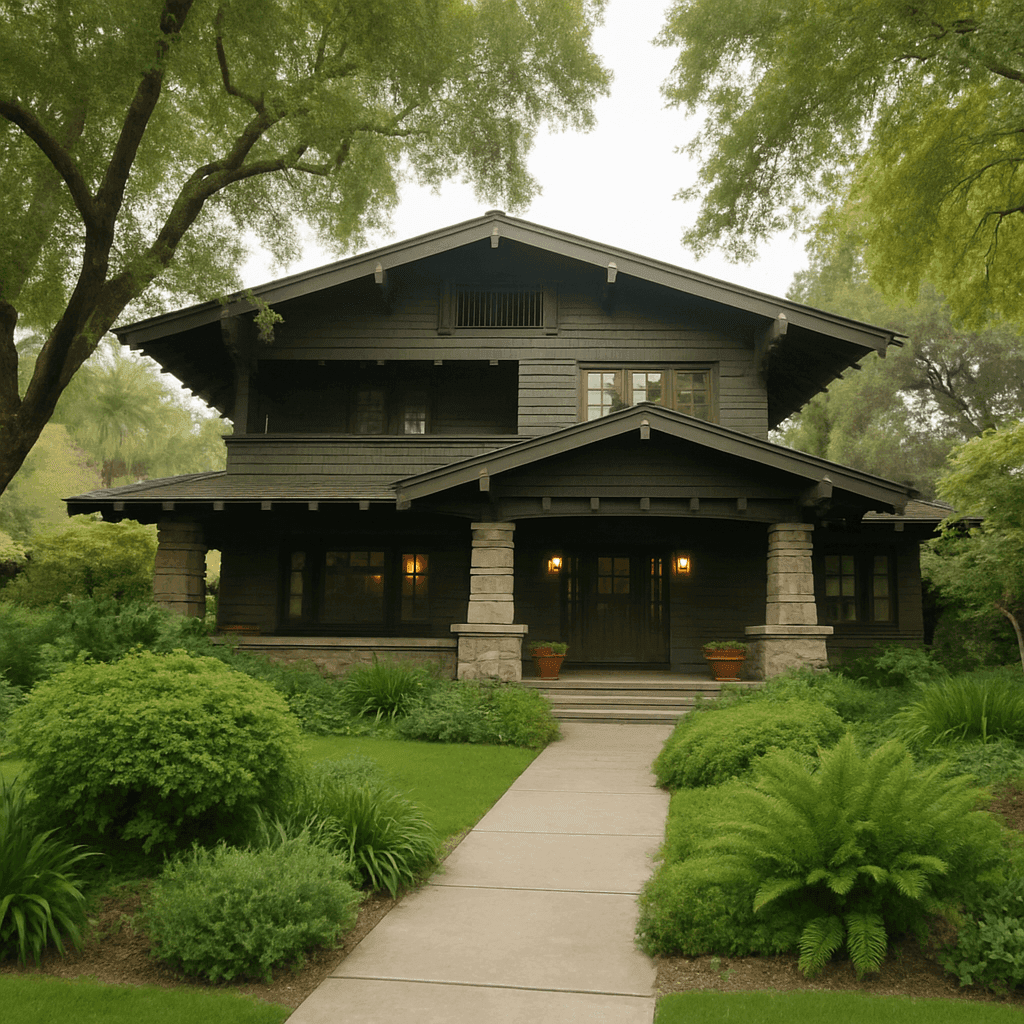
Understanding the Unique Challenges of Heating Historic Craftsman Homes
Heating historic Craftsman homes in Pasadena presents specific challenges. These homes boast unique architectural features that require careful consideration during retrofits. Original woodwork, built-ins, and stained glass add character but complicate upgrades.
The construction style focuses on natural materials and handcrafted details. These elements are beautiful yet delicate. Retrofitting heating systems must respect the integrity of these features. Disruption of these design elements can diminish the home’s value and charm.
Energy efficiency is another concern. Older homes often lack modern insulation, increasing heat loss and energy costs. Addressing this requires strategic solutions. Insulation upgrades can complement new heating systems effectively.
Understanding the existing heating setup is essential. Some Craftsman homes feature old radiators or outdated furnaces. Assessing these systems helps determine whether to repair, replace, or integrate with new technologies.
Moreover, the layout of Craftsman homes often includes open floor plans and high ceilings. These factors can affect heat distribution. Therefore, zoning systems can be beneficial.
Before proceeding, homeowners should consult with experts. HVAC professionals with experience in historic homes can provide insights. Their expertise ensures that retrofits maintain the home’s historic essence.
Challenges to consider include:
- Preserving unique architectural details
- Improving energy efficiency
- Understanding existing heating systems
- Addressing layout and heat distribution
Preserving Architectural Integrity During Heating Retrofits
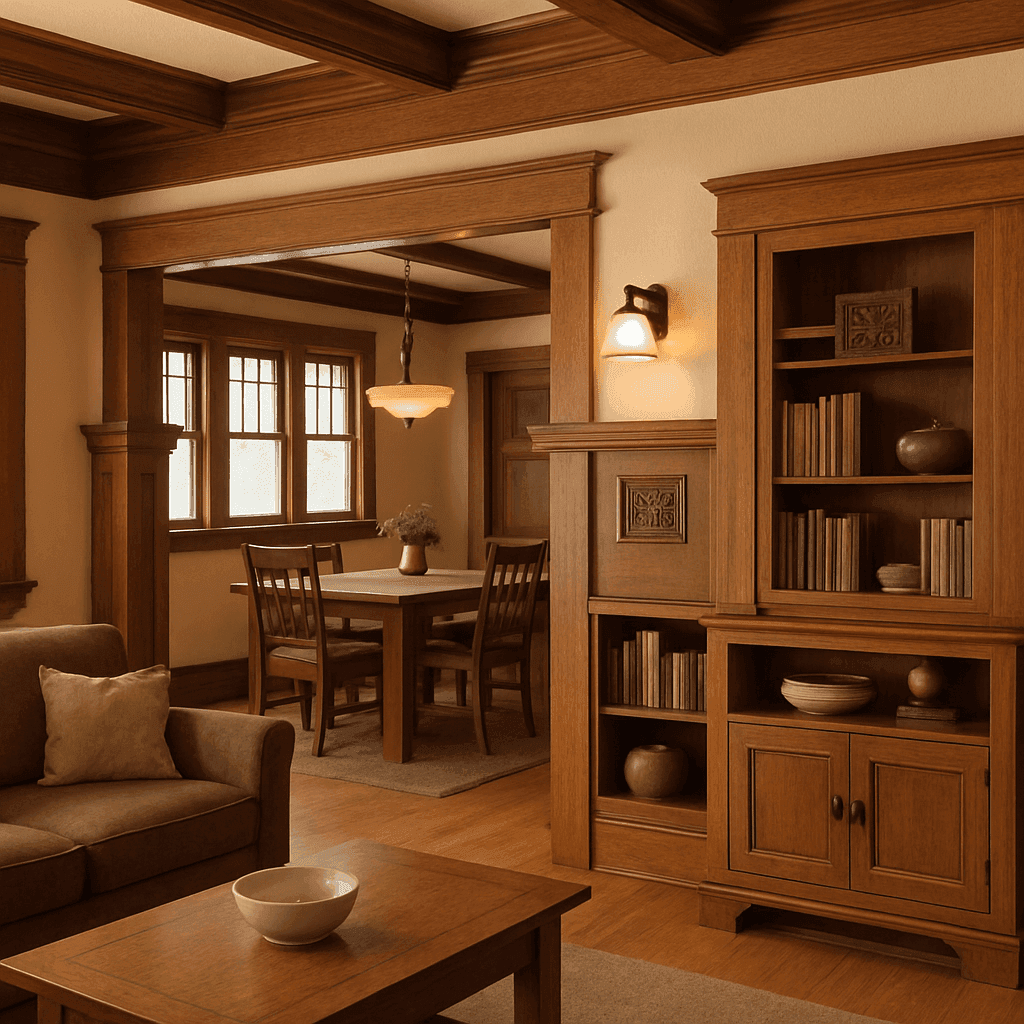
Retrofitting heating systems in historic Craftsman homes demands sensitivity. Preserving architectural integrity is crucial during these updates. Homeowners cherish original features that lend their homes character and charm.
Craftsman homes often feature prominent woodwork and custom fixtures. These elements should remain intact throughout any renovation. A well-planned retrofit respects the home’s aesthetic without altering its allure.
Minimal disruption to existing structures is key. Solutions like ductless mini-splits or radiant floor heating offer discreet installations. These options integrate smoothly, maintaining both functionality and appearance.
Careful planning ensures structural harmony. Working with skilled professionals helps achieve seamless integration. Expertise is particularly vital when dealing with historic properties.
Consider the following steps for preserving integrity:
- Choose solutions that minimize structural changes.
- Consult professionals experienced in historic homes.
- Prioritize retaining original features and materials.
Each step will require careful consideration. Historic homes offer beauty and history but need special care. The goal is always to enhance comfort without losing the original essence.
Smart Solution #1: Ductless Mini-Splits for Old Homes
Ductless mini-splits are a standout choice for heating historic Craftsman homes. They offer efficiency without disrupting the home’s classic structure. These systems provide targeted comfort with minimal installation work.
Mini-splits require no ductwork, preserving original walls and ceilings. This feature is crucial in maintaining the architectural integrity of older homes. The indoor units are compact and can be placed inconspicuously.
These systems also offer energy efficiency. They use less power compared to traditional HVAC systems. Homeowners appreciate the cost savings on energy bills, aligning with eco-friendly heating goals.
The installation process is straightforward and typically involves minimal disruption. Professional technicians can install mini-splits quickly. This means less time dealing with home renovation disruptions.
Consider these benefits of ductless mini-splits:
- Energy efficiency reduces utility costs.
- Installation requires no major construction.
- Units provide both heating and cooling functions.
When choosing to retrofit heating, factor in ease and cost-effectiveness. Mini-splits often prove the most convenient option. Their versatility makes them an attractive solution.
Consulting with HVAC specialists ensures optimal placement and performance. These experts can tailor systems to each unique home. Customization maximizes efficiency and comfort in every season.
Here are installation considerations:
- Ensure proper sizing for efficient operation.
- Aim for strategic placement for even heating.
- Engage experienced installers familiar with older structures.
Overall, ductless mini-splits blend effortlessly with historic homes. They provide modern comfort while respecting the original architecture. Homeowners can enjoy a warm, inviting space that honors the past.
Smart Solution #2: Radiant Floor Heating—Comfort Without Compromise
Radiant floor heating offers a discreet way to enhance comfort in historic homes. It works by warming the floor, creating an even heat distribution. This modern solution respects the aesthetic of historic Craftsman homes.
Unlike forced-air systems, radiant heating is silent and invisible. There are no visible vents or bulky units. This feature is perfect for maintaining the charm of period details.
Radiant heating systems are also energy-efficient. They heat spaces efficiently by targeting the entire floor surface. Homeowners can enjoy consistent warmth with lower energy costs.
Installation involves embedding heating elements under the flooring. This method requires careful planning but is minimally invasive. It’s suitable for various floor types, including hardwood and tile.
Considerations for radiant floor heating include:
- Ensuring compatibility with existing flooring.
- Selecting appropriate materials for best heat distribution.
- Consulting with experts to customize installation.
Radiant floor systems can enhance the value of a home. Their efficiency and subtlety appeal to modern buyers. They provide a premium heating experience without compromising original designs.
For homeowners concerned about maintaining authenticity, radiant heating is ideal. It integrates seamlessly without altering historic aesthetics. The result is a cozy home that honors its historical character.
Installation can be more complex than other systems. It often requires professional assessment and precise execution. Work with experienced installers familiar with historic properties.
Radiant floor heating systems also pair well with smart thermostats. This integration allows for precise temperature control. Thus, homeowners can optimize comfort while reducing energy use.
Advantages of radiant floor heating:
- Silent operation with no visible elements.
- Efficient, even warmth throughout the space.
- Enhanced home value through modern upgrades.
Incorporating radiant floor heating transforms homes with subtle elegance. It balances modern technology with timeless design, delivering warmth and sophistication.
Smart Solution #3: Upgrading Insulation for Eco-Friendly Heating
Upgrading insulation is crucial for energy efficiency in historic homes. Improved insulation helps maintain consistent temperatures, reducing heating demands. This change leads to lower energy bills and a smaller carbon footprint.
For historic Craftsman homes, the right insulation preserves architectural integrity. This process involves selecting materials that align with the home’s character. Insulation should blend seamlessly with existing structures.
Choices in insulation include options that suit older homes. Materials like cellulose and spray foam offer excellent thermal performance. They adapt well to irregular spaces often found in historic properties.
It’s essential to assess the home’s current insulation levels. Many older homes lack adequate insulation. Conducting a thorough inspection identifies areas needing improvement.
Benefits of upgraded insulation:
- Enhanced energy efficiency and cost savings.
- Improved indoor comfort throughout the year.
- Reduced environmental impact through decreased energy use.
Upgrading insulation often includes improving window and door seals. Addressing drafts helps maintain indoor temperatures. Together, these changes create a more energy-efficient home.
Hiring professionals experienced with older homes ensures best results. They understand the unique challenges posed by historic buildings. Professional installation preserves the home’s historical appeal.
In summary, improved insulation contributes to eco-friendly heating. This upgrade provides significant comfort and efficiency benefits. It’s an investment in both modern living and historical preservation.
Smart Solution #4: Zoning Systems and Smart Thermostats
Integrating zoning systems with smart thermostats brings tailored heating solutions. These technologies offer customized comfort for each room or area. Homeowners can designate different temperatures for specific zones.
Zoning systems divide a house into sections. Each zone is controlled independently, optimizing energy use. This is particularly beneficial in multi-story historic homes with uneven heating demands.
Smart thermostats enhance this setup with advanced features. They adjust temperatures based on occupancy and time of day. This automation not only improves comfort but also saves energy.
Benefits of zoning and smart thermostats include:
- Personalized climate control for every zone.
- Increased energy efficiency and reduced costs.
- Enhanced convenience through automated settings.
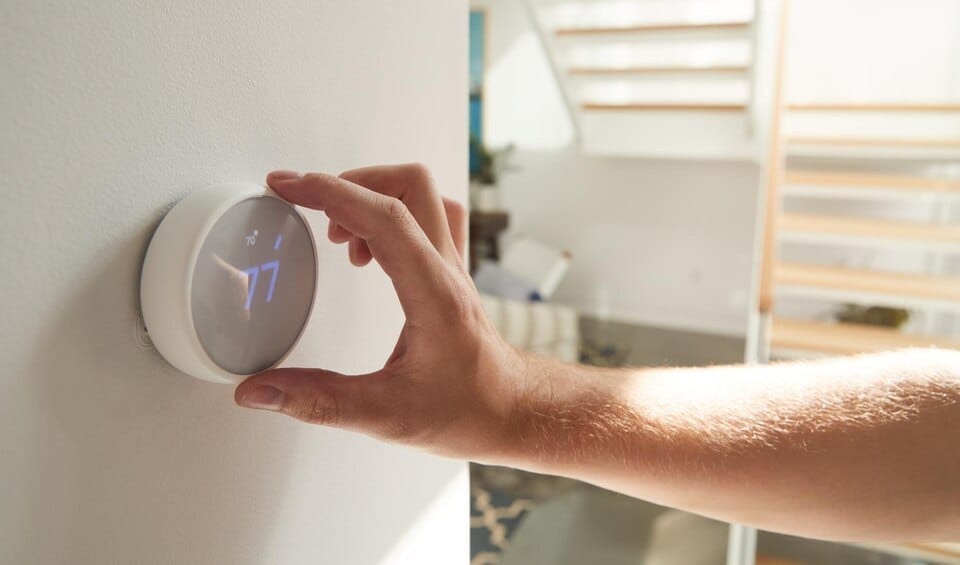
Homeowners appreciate the convenience these systems offer. Smart thermostats can be managed remotely via smartphone apps. This means adjusting settings even when away from home.
In historic Craftsman homes, these systems blend modern technology with vintage charm. Professional installation ensures that wiring and components don’t disrupt historical features. Combining zoning and smart thermostats is a forward-thinking approach, providing comfort without compromising the home’s unique character.
Smart Solution #5: Professional Assessment and Custom HVAC Design
Crafting the perfect HVAC system for historic homes requires expertise. Engaging a professional for a thorough assessment is key. Experts can identify unique challenges of your historic Craftsman home.
These specialists take time to understand architectural nuances. They consider factors such as existing ductwork, insulation, and airflow patterns. This comprehensive analysis is crucial for creating a system that aligns with your home’s needs.
Custom HVAC design emphasizes efficiency and respect for historical elements. Professionals can offer tailored solutions. This may include combining modern technology with the existing structure seamlessly.
Key benefits of professional assessment and custom design include:
- Personalized heating solutions that respect your home’s architecture.
- Improved energy efficiency and comfort.
- Enhanced property value through thoughtful upgrades.
Working with seasoned experts ensures all local guidelines are followed. This minimizes the risk of accidental damage during installation or upgrades. You will benefit from a bespoke design that integrates cutting-edge heating technology while preserving the architectural essence of your Craftsman home. This careful balance provides both peace of mind and modern comfort.
Real-Life Success Stories: Pasadena Craftsman Heating Retrofits
Stories of successful heating retrofits in Pasadena Craftsman homes are inspiring. These tales provide practical insights for homeowners. They showcase how modern solutions blend with historic beauty.
One couple, Chloe and Mark, faced uneven heating challenges. An expert suggested a ductless mini-split system. This choice respected their home’s architectural features.
Chloe and Mark were thrilled with the results. The system improved comfort and maintained the home’s original charm. Also, their energy costs dropped significantly, thanks to the system’s efficiency.
Here’s what homeowners gained:
- Enhanced comfort and climate control.
- Preservation of architectural integrity.
- Reduced energy bills and increased efficiency.
These real-life successes highlight the harmony of modern heating with historic design. They encourage other homeowners to pursue eco-friendly heating innovations. By working with experts, preserving your home’s history while staying comfortable is achievable.
Conclusion: Comfort, Efficiency, and Preservation—You Can Have It All
Retrofitting heating in historic Craftsman homes need not be a daunting task. With thoughtful planning, homeowners can enjoy modern comfort while honoring the original design.
The key lies in selecting solutions that maximize efficiency without compromising the home’s character. By working with knowledgeable professionals, you ensure a seamless integration of new systems.
Ultimately, achieving comfort, energy savings, and architectural preservation is possible. You can enjoy a cozy, eco-friendly home that maintains its historic charm.
Retrofitting heating in historic homes boosts warmth and efficiency by adding insulation, upgrading systems, and integrating modern controls, all while respecting the home’s original design. Getting tailored solutions from experienced professionals ensures comfort and energy savings.
FAQ:
What does retrofit heating mean for historic homes?
Retrofit heating refers to updating or upgrading an existing heating system in an older or historic home with modern, more efficient technologies while preserving the home’s original character and structure.
Why is retrofit heating important in historic houses?
Historic homes often lack modern insulation and have outdated heating systems, so retrofitting helps improve comfort, reduce energy costs, and minimize drafts without altering architectural details.
What are some smart ways to retrofit a heating system?
Popular retrofit strategies include installing radiant floor heating, adding zone control systems, improving insulation, upgrading to high-efficiency furnaces or heat pumps, and using smart thermostats for better control.
Can insulation help improve heating efficiency in historic homes?
Yes — improving insulation in walls, attics, and crawlspaces reduces heat loss, which helps your heating system work less and maintains a more consistent indoor temperature.
Is it possible to add modern heating without damaging historic features?
Yes — HVAC professionals can design custom solutions that fit within existing spaces or use less invasive installation methods to protect historic elements while improving heating performance.
Should I hire a professional for retrofit heating in a historic home?
Absolutely — experienced HVAC technicians understand how to balance efficiency gains with preservation needs, ensuring the heating system upgrade is effective and sensitive to the home’s architectural integrity.