TL;DR Summary for Those in a Hurry:
- Antique Floor Furnaces pose serious safety and health risks because they lack modern safety controls and can leak gas, carbon monoxide, and flames into living spaces.
- These old systems often have cracked heat exchangers, worn parts, and poor ventilation that increase the risk of fire, gas leaks, and toxic fumes.
- Dust buildup and improper operation can lead to combustion hazards or inefficient heating.
- Upgrading to a modern heating system or having a professional inspection helps protect your home, family, and indoor air quality.
Antique floor furnaces can be a charming feature in Hollywood’s historic apartments, but they come with significant risks. As someone who has spent over three decades ensuring the safety and comfort of homes across Los Angeles, I understand the allure of these vintage heating systems. However, it’s crucial to recognize the potential dangers they pose. Let’s explore the five deadly risks associated with these antique floor furnaces and how you can protect your home and loved ones.
Carbon monoxide (CO) is a colorless, odorless gas that can be deadly if inhaled in large quantities. Older floor furnaces are notorious for producing CO due to inefficient combustion or faulty venting. This is particularly concerning in Hollywood apartments, where these units may not have been serviced or updated for decades.
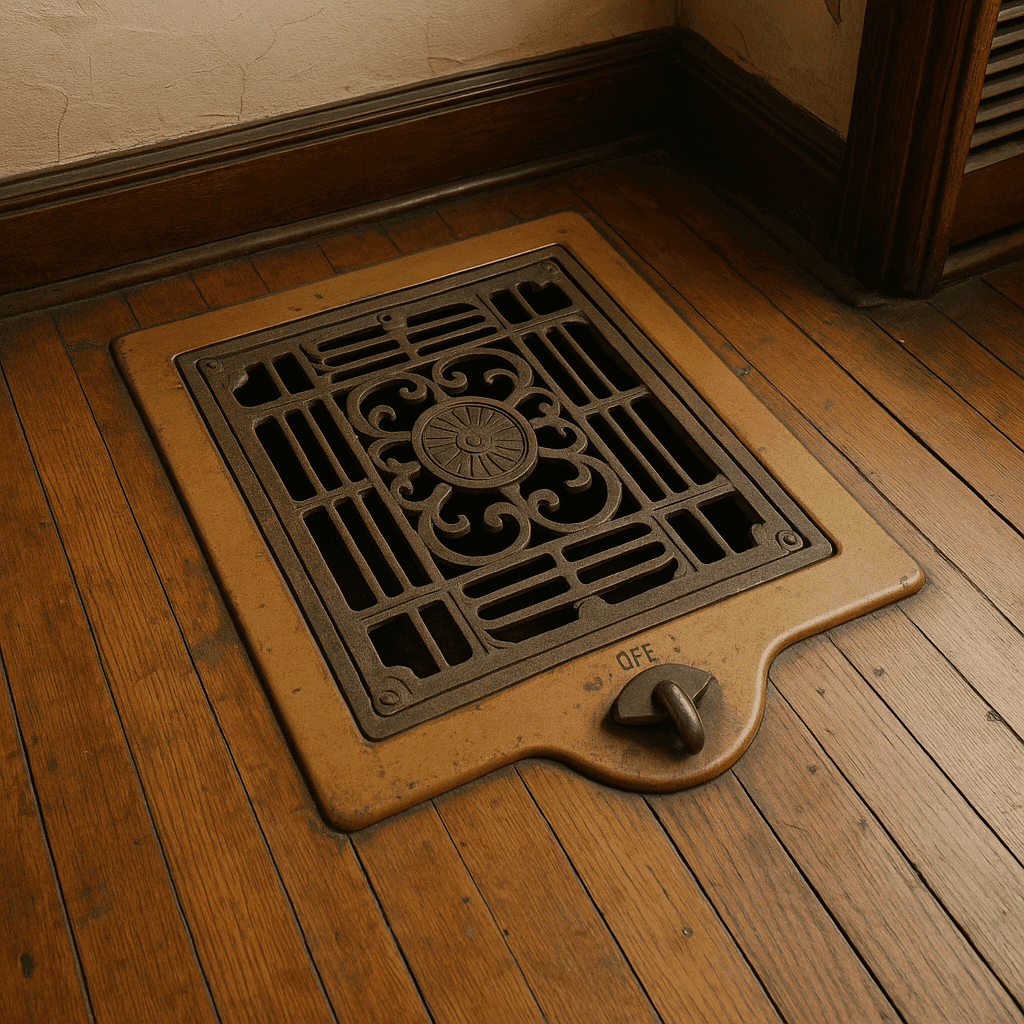
Carbon Monoxide Risks of Antique Floor Furnaces in Hollywood Apartments
The Silent Threat of Carbon Monoxide
Carbon monoxide is often called the “silent killer” because it is undetectable by human senses. Without the proper detection equipment, it can accumulate without warning. In older apartments, the risk is compounded by aged infrastructure and outdated safety regulations, making it essential to be aware of this invisible threat.
Health Impacts of Carbon Monoxide Exposure
Exposure to carbon monoxide can lead to serious health consequences. Initial symptoms like headaches and nausea can quickly escalate to confusion, loss of consciousness, and even death. The risk is particularly high during the winter months when furnaces are used more frequently, making vigilance crucial.
Long-term Safety Measures
To combat the threat of carbon monoxide, install detectors in various parts of your apartment, ensuring they are functional and tested regularly. Consider upgrading to a modern furnace with better venting systems. Regular inspections by HVAC professionals are necessary to identify potential leaks and repair them promptly.
2. Burn Risks for Pets and Kids
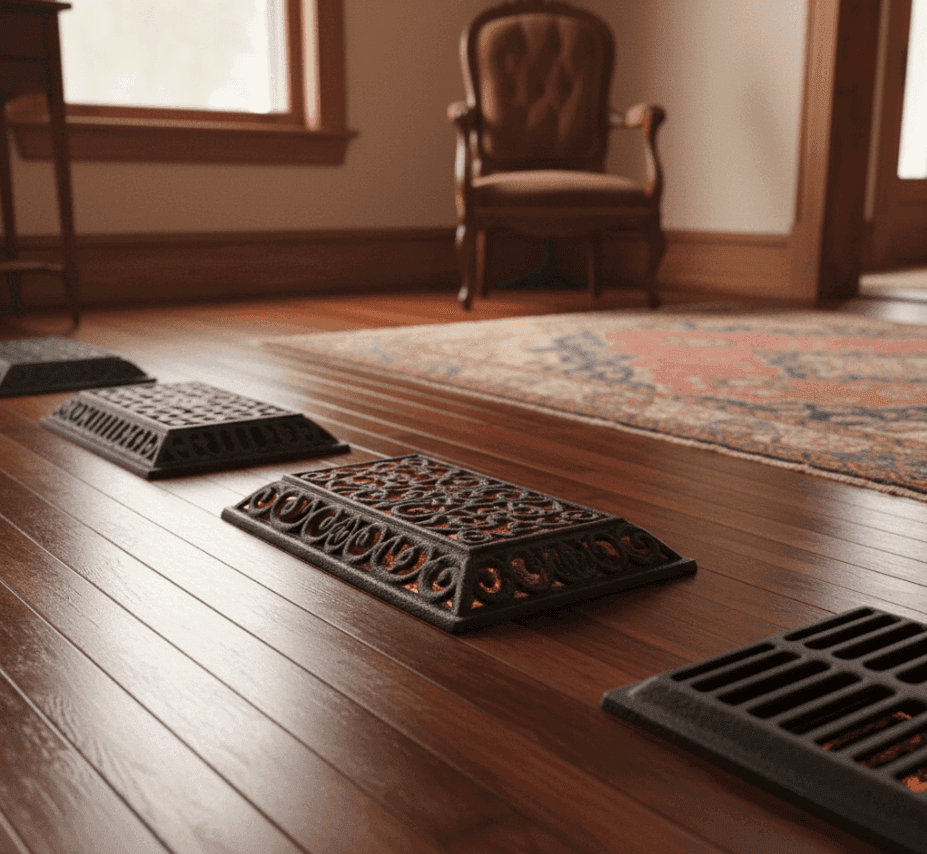
Antique floor furnaces can reach extremely high temperatures, posing burn risks to children and pets. Unlike modern heating systems with safety features and enclosures, these older units often have exposed grates that can become dangerously hot.
Understanding the Burn Hazard
The exposed design of antique floor furnaces means that anyone, especially curious children and unsuspecting pets, can accidentally come into contact with the hot surface. The high temperatures can cause severe burns in a matter of seconds, making it crucial to address this risk proactively.
Educating and Preventing Accidents
Education is a key component in preventing accidents. Teach children about the dangers of touching the furnace, and create a safe environment by setting strict boundaries around its location. Additionally, consider using visual indicators like warning signs to remind everyone of the potential danger.
Creating a Safe Environment
Safety gates or barriers are effective tools to keep children and pets at a safe distance from the furnace. Opt for non-flammable materials when constructing barriers, and ensure they are stable and cannot be easily knocked over. Supervision is essential, especially when children are playing in the same room.
3. Fire Hazards
Antique floor furnaces can be a fire hazard, especially if they haven’t been properly maintained. Dust, debris, and flammable materials can accumulate inside or near the furnace, increasing the risk of a fire.
The Anatomy of a Fire Hazard
Understanding how fires can start is crucial in preventing them. Dust and debris are common culprits, as they can ignite if they come into contact with the furnace’s heat. Additionally, nearby flammable materials like curtains or furniture can exacerbate the situation, leading to a full-blown fire.
The Importance of Regular Maintenance
Routine maintenance is your first line of defense against fire hazards. Regular cleaning of the furnace and its surrounding area can prevent the accumulation of dangerous materials. Hire professionals to inspect and service your furnace annually to ensure all components are functioning safely.
Upgrading for Safety
Consider replacing your antique furnace with a modern unit that includes built-in safety features designed to prevent fires. If replacement isn’t an option, enhance the safety of your existing furnace by adding a smoke detector nearby and having a fire extinguisher readily accessible.
4. Uneven Heating and Inefficiency
One common complaint about antique floor furnaces is their inability to heat spaces evenly. This inefficiency can lead to cold spots in rooms or force the unit to work harder, increasing energy consumption and costs.
The Cost of Inefficiency
Inefficient heating systems not only fail to provide comfort but also lead to inflated energy bills. The uneven distribution of heat means the furnace must work harder to maintain a consistent temperature, resulting in wasted energy and higher costs.
Identifying Cold Spots
Cold spots are a direct result of poor heat distribution. Identifying these areas can help in making targeted improvements. Use a thermometer to map the temperature throughout your home, pinpointing areas where supplemental heating or insulation might be needed.
Solutions for Better Heat Distribution
Consulting with an HVAC professional can provide insights into upgrading your system for better efficiency. Meanwhile, using supplemental heating sources like portable heaters or electric blankets can help maintain warmth in colder areas. Additionally, improving insulation and sealing drafts can enhance overall heat retention.
5. Lack of Modern Safety Features
Modern heating systems come equipped with a variety of safety features, such as automatic shut-offs and temperature controls, to prevent accidents. Unfortunately, antique floor furnaces lack these innovations.
The Gap in Safety Features
The lack of modern safety features in antique furnaces leaves them vulnerable to malfunctions and accidents. Without automatic shut-offs or temperature controls, the risk of overheating or unintentional fires increases, posing a significant threat to your home.
Retrofitting for Safety
While replacing your antique furnace may be ideal, retrofitting it with additional safety devices can be a practical alternative. Installing thermostats, timers, and overheat protection systems can help mitigate some risks, providing an extra layer of safety.
Regular Inspections: A Proactive Approach
To ensure your antique furnace operates safely, regular inspections by qualified professionals are crucial. These check-ups can identify potential issues before they escalate, ensuring your heating system remains a safe and reliable part of your home.
Conclusion
Antique floor furnaces may add a touch of vintage charm to your Hollywood apartment, but they come with significant safety risks. Understanding these dangers and taking proactive steps can help protect your family and home. Regular maintenance, safety upgrades, and awareness are key to ensuring your heating system is both functional and safe.
Remember, my goal is to ensure you feel safe and comfortable in your home. If you have concerns about your floor furnace or need assistance, don’t hesitate to reach out. Your safety is my priority.
Antique floor furnaces can be dangerous due to outdated design and safety failures, increasing fire, gas, and carbon monoxide risks. Recognizing these hazards and replacing or upgrading your system significantly improves safety and comfort.
FAQ:
What are antique floor furnaces?
Antique floor furnaces are older heating units installed in the floor of homes that use combustion to produce heat but often lack modern safety features and proper venting.
Why can antique floor furnaces be dangerous?
These units can pose serious risks like carbon monoxide leaks, fire hazards, and inefficient combustion because of age, corrosion, poor ventilation, and outdated design.
Can carbon monoxide leaks come from antique floor furnaces?
Yes — cracked heat exchangers and poor venting in older furnaces can let carbon monoxide enter living spaces, which is a major safety concern without proper detectors.
Do antique floor furnaces increase fire risk?
Yes — dust, debris, and worn internal parts, combined with high heat near floors, can increase the chance of combustion hazards and fire.
Are antique floor furnaces efficient for heating?
No — they are typically inefficient compared to modern systems, often leading to uneven heating and higher energy use as they struggle to distribute warmth.
Should I replace an antique floor furnace?
It’s generally recommended to replace or upgrade these old units with modern HVAC systems, which provide better safety, efficiency, and comfort.