TL;DR Summary for Those in a Hurry:
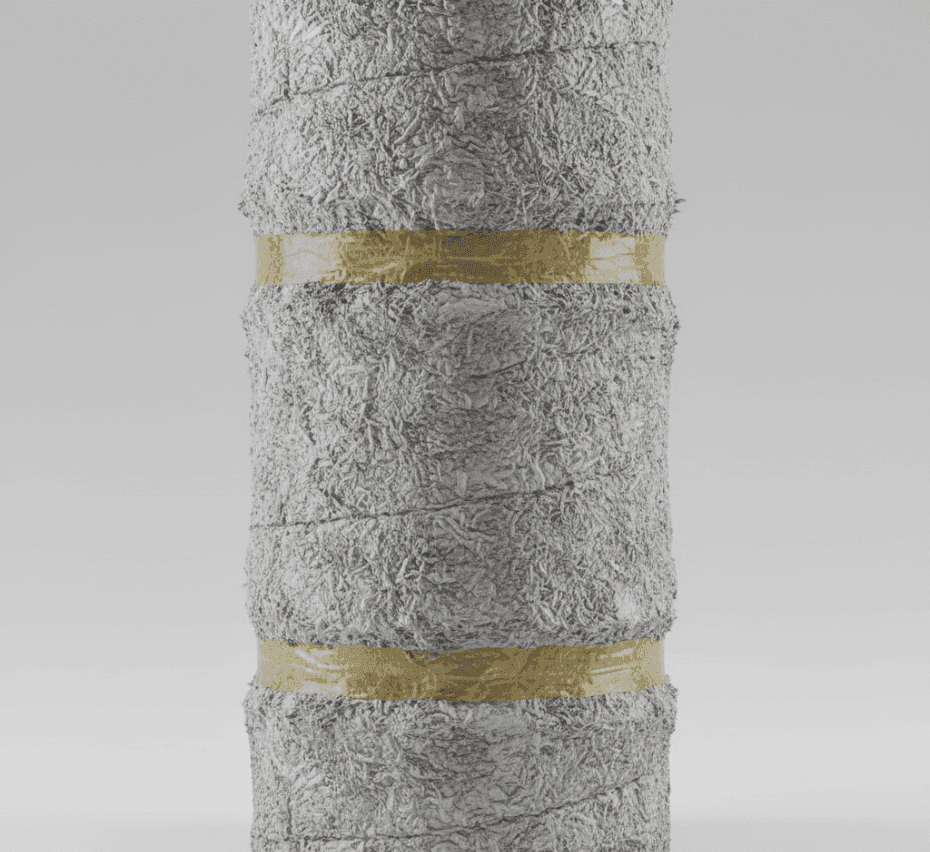
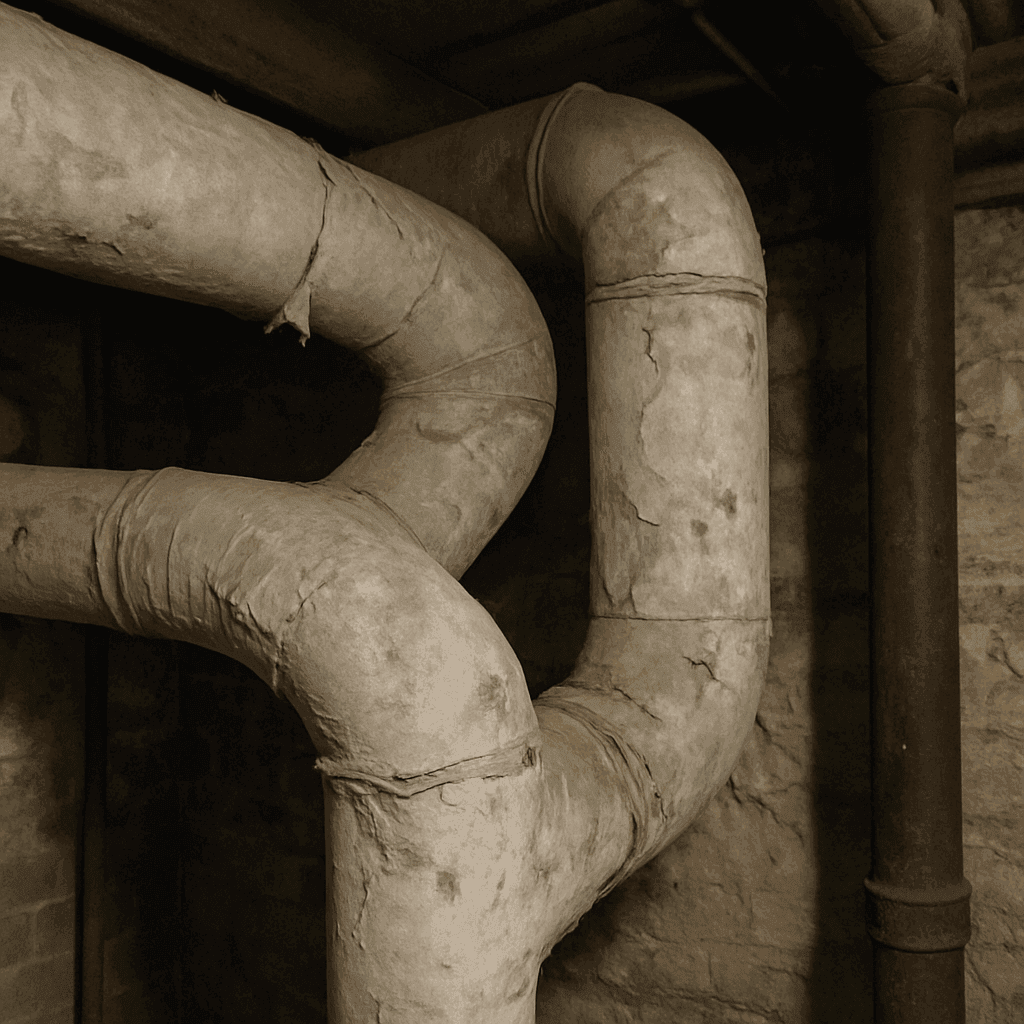
- Home Has Asbestos Ductwork may show visual and physical warning signs like old, gray/white insulation wrap, brittle or crumbling duct tape, or fibrous insulation around seams and joints — especially in homes built before the 1980s.
- Asbestos-containing materials often appear as dusty, chalky, or cloth-like wraps that deteriorate with age, but visual inspection alone isn’t enough to confirm it — only professional testing can.
- Disturbing suspected asbestos can release harmful microscopic fibers into the air, so avoid DIY inspection.
- If you suspect asbestos in your HVAC ductwork, contact a certified inspector to test and safely manage or remove the material.
Asbestos ductwork in Pasadena homes is a hidden danger many homeowners may not be aware of. This material was commonly used in homes built before the 1980s, and when your Home Has Asbestos Ductwork, it poses serious health risks if disturbed, releasing harmful fibers into the air.
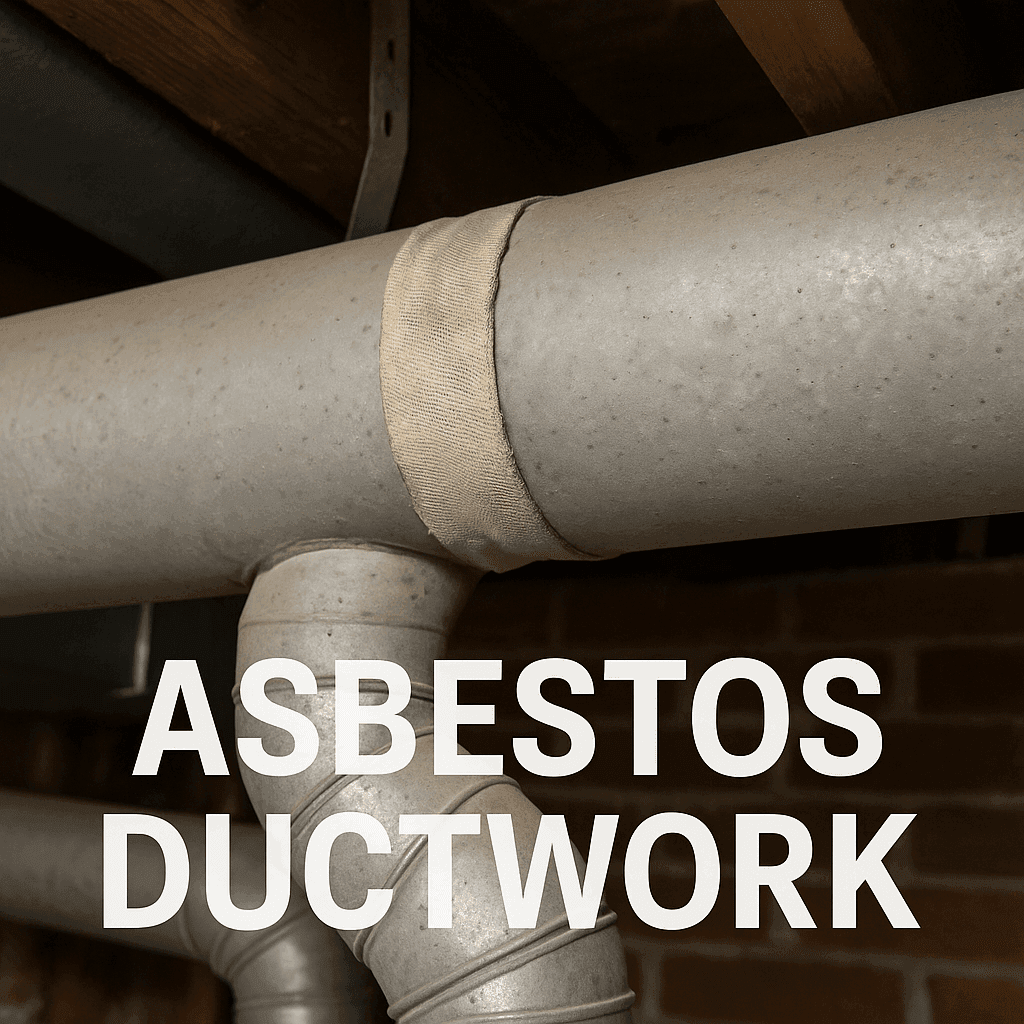
Identifying asbestos in your ductwork is crucial for maintaining a safe home environment. Look for signs like transite ducts or white tape on ducts. These are indicators of potential asbestos presence.
Homes constructed in the 1950s are particularly at risk. Aging ductwork in these homes may contain asbestos, posing a hazard to your health. It’s important to be vigilant and proactive.
If you suspect asbestos in your ducts, professional testing and inspection are essential. This ensures accurate identification and helps you take the right steps. Don’t attempt to handle asbestos removal on your own.
Licensed abatement contractors are trained to safely remove asbestos. They follow strict hazmat disposal regulations to protect your health. Modernizing your ductwork can improve safety and efficiency.
At LC Heating and Air Conditioning Hollywood, we’re here to help. Contact us at (818) 858-7080 for expert guidance and services. Your safety and satisfaction are our top priorities.
Why Asbestos Was Used in Pasadena Ductwork
Asbestos was a popular choice in construction materials for decades. Its durability and heat-resistant properties made it ideal for ductwork. In Pasadena, many older homes still contain these asbestos ducts.
During the mid-20th century, builders valued asbestos for its affordability and effectiveness. It helped in insulating homes and ducts efficiently. This was especially important during a time of rapid housing development.
Asbestos-cement ducts, known as transite ducts, were commonly used. They provided a rigid structure with excellent insulation properties. Homeowners had a cost-effective solution that promised longevity.
The choice to use asbestos wasn’t made lightly. Builders aimed to create safe and energy-efficient homes. However, it is now evident that asbestos poses significant health risks.
Key Reasons for Asbestos Use:
- Durability and long-lasting properties
- Excellent insulation and heat resistance
- Cost-effective for large-scale construction
Understanding why asbestos was favored helps homeowners grasp the extent of the issue. It’s crucial to recognize these materials and take the necessary safety measures. Protecting your health and home should be a priority.
Sign 1: Transite Ducts and Rigid Duct Hazards
Transite ducts are a common indicator of asbestos in older Pasadena homes. These ducts, made from asbestos-cement, have a rigid structure. They were popular in mid-20th century construction for their durability and heat resistance.
Unfortunately, this rigidity poses a hazard. Over time, transite ducts can deteriorate, releasing asbestos fibers into the air. When disturbed, these fibers can become airborne, increasing health risks significantly.
It’s important to recognize the signs of transite ducts in your home. They often appear as rigid, cement-like structures within the duct system. If you’re unsure, consulting a professional to assess these materials is wise.
Signs of Transite Ducts:
- Rigid, cement-like material
- Grey or off-white color
- Located in older duct systems
Recognizing transite ducts early can prevent potential exposure. If you suspect their presence, act promptly. Seeking professional advice can safeguard your home and health.
Maintaining a safe home environment is paramount. By identifying transite ducts, you take the first step towards protection. Ensure your family’s safety by addressing these potential hazards. Trust in professionals to guide you through the inspection and abatement process.
Sign 2: White Tape on Ducts and Identifying Dangerous Insulation
White tape on ducts can signal the presence of asbestos. This tape was frequently used in mid-century ductwork installations. Its primary purpose was to seal joints, but it may contain asbestos fibers.
Locating this white tape is relatively straightforward. Check visible ductwork in attics, basements, or utility rooms. If you find white tape, consider it a potential hazard.
The challenge lies in accurately identifying asbestos-containing materials. Not all white tape contains asbestos. To confirm its presence, professional testing is essential.
Indicators of Asbestos-Containing Tape:
- White color
- Appears on duct joints
- Found in older homes
Once you’ve identified suspicious tape, it’s crucial not to disturb it. Disturbance can release dangerous fibers into the air. Instead, leave the inspection to licensed professionals.
Proper identification helps avoid health risks associated with asbestos exposure. Trust in experts to evaluate and handle these materials safely. Their knowledge ensures compliance with safety regulations and minimizes airborne risks.
Identifying these signs early empowers homeowners. It’s the first step toward ensuring a safe environment for your family. By acting swiftly and contacting professionals, you protect both your loved ones and your property.
Sign 3: 1950s Home Construction and Aging Ductwork
If your Pasadena home was built in the 1950s, it may have asbestos ductwork. During this era, asbestos was a popular choice due to its durability and fire resistance. However, as ducts age, they can become compromised, increasing the risk of asbestos fiber release.
Older ductwork may show signs of wear and tear. Look for cracks, sagging sections, or visibly damaged areas. These issues not only indicate aging but also potential asbestos exposure risks. Such ductwork can become brittle, making it easier for harmful fibers to become airborne.
Homes from this period often used asbestos not just in ducts but throughout their construction. Understanding the materials used in your home’s original build is crucial for safety. Home renovations or upgrades can disturb these materials, raising health concerns.
Indicators Your 1950s Ductwork May Contain Asbestos:
- Built-in the 1950s
- Visible damage or degradation
- Materials resembling white tape or rigid ducts
To ensure the safety of your home, consider consulting with professionals knowledgeable in older home construction and asbestos. They can assess the risk and recommend safe practices for handling any renovation or necessary duct replacements.
Recognizing these signs can not only protect health but also guide necessary duct modernization efforts. Secure your home environment by staying informed and taking appropriate action.
Health Risks of Asbestos in Heating and Cooling Systems
The presence of asbestos in your heating and cooling systems poses significant health concerns. When asbestos fibers become airborne, they can be inhaled and lead to severe lung diseases. Over time, this exposure can cause conditions such as lung cancer, asbestosis, and mesothelioma.
Even minimal disturbance in ductwork can release these dangerous fibers. This risk increases if the ducts are aging or damaged. Regular maintenance and inspections are crucial to identify any potential hazards before they become serious health threats.
Understanding the risks associated with asbestos is essential for homeowners. When inhaled, asbestos fibers can lodge in the lung tissue. This can lead to inflammation and scarring, contributing to respiratory difficulties. Continuous exposure may exacerbate existing conditions or contribute to new health complications.
Key Health Risks of Asbestos:
- Lung cancer
- Mesothelioma
- Respiratory diseases
To safeguard your family’s health, consider indoor air quality testing. This can help detect the presence of asbestos fibers in your home environment. If asbestos is suspected, the next step should be consulting with professional abatement services. They can provide solutions to mitigate these health risks effectively.
How to Confirm Asbestos in Your Ducts: Testing and Inspection
Confirming the presence of asbestos in your ducts is a crucial first step. Proper testing and inspection can provide clarity and peace of mind. Not every old duct contains asbestos, but it’s vital to verify its presence to ensure safety.
Conducting an initial visual inspection is helpful but not definitive. Look for signs of Transite ducts or telltale white tape on seams. However, these signs alone aren’t enough to determine asbestos presence conclusively.
Engaging professionals for indoor air quality testing is highly recommended. Experts can identify asbestos fibers and assess the risk accurately. These tests involve collecting samples and analyzing them in a lab.
Hiring a licensed abatement contractor for a comprehensive inspection is wise. They have the experience and tools needed to detect asbestos accurately. Additionally, they can provide recommendations based on their findings.
Steps to Confirm Asbestos Presence:
- Conduct a visual inspection
- Hire a professional for air quality testing
- Engage a licensed abatement contractor for inspection
Accurate testing and inspection can help protect your health and guide proper removal actions if needed.
What to Do If You Suspect Asbestos Ductwork
If you suspect asbestos in your ductwork, it’s important to act carefully and promptly. Asbestos can be dangerous if disturbed, so caution is key. Don’t attempt to investigate or remove the material yourself. Your best course of action is to contact a professional.
Start by reaching out to a licensed abatement contractor. They can assess your situation and advise on whether your ductwork contains asbestos. While waiting for an inspection, avoid disturbing the ducts to prevent fibers from becoming airborne.
Consider scheduling an indoor air quality test. This can identify any airborne asbestos fibers that may pose health risks. A professional inspection will also offer insights into the condition and type of ducts present in your home.
Finally, have a plan for next steps if asbestos is confirmed. Options typically include removal or encapsulation. Both require professional intervention to ensure safety and compliance with hazmat disposal regulations. Acting responsibly and promptly protects your family’s health and your home’s integrity.
Immediate Steps to Take:
- Contact a licensed abatement contractor
- Schedule an indoor air quality test
- Avoid disturbing ductwork
Following these steps ensures you address potential asbestos safely and effectively.
Safe Removal: Licensed Abatement Contractors and Hazmat Disposal Regulations
When it comes to asbestos removal, safety is the top priority. Engaging licensed abatement contractors ensures compliance with all safety protocols. These professionals are trained to handle asbestos safely, minimizing health risks.
Certified contractors follow strict guidelines to contain and remove asbestos. Compliance with hazmat disposal regulations is crucial to protect both your home and the environment. Professional services ensure that asbestos materials are disposed of legally and safely.
Abatement contractors use specialized equipment and protective gear. This prevents asbestos fibers from becoming airborne during removal. Their expertise allows them to manage the process efficiently, reducing the risk of contamination.
Before choosing a contractor, check their credentials and licenses. Request a detailed plan that outlines their removal process. This should include both the methods they will use and the safety measures in place.
Benefits of Hiring Licensed Abatement Contractors:
- Expertise in safe asbestos handling
- Compliance with hazmat disposal regulations
- Use of professional equipment and techniques
Choosing licensed professionals ensures your asbestos removal is done safely and effectively.
Ductwork Modernization: Replacement, Encapsulation, and Cost Considerations
Modernizing your ductwork offers significant benefits for safety and efficiency. First, you can opt for duct replacement. This involves removing old asbestos-containing ducts and installing new, safe materials. Duct replacement greatly improves indoor air quality.
Encapsulation is another viable approach. Here, the asbestos is sealed within the ducts to prevent fiber release. This is often quicker and less expensive than full replacement. It provides a temporary solution while ensuring safety.
Cost is an essential factor to consider. Replacement costs vary depending on the duct’s condition and house size. Encapsulation tends to be less costly but may not be a long-term fix. Always get several quotes to make an informed decision.
Key Points for Ductwork Modernization:
- Replacement offers permanent safety
- Encapsulation provides a temporary, cost-effective solution
- Obtain quotes to compare costs
Updating ductwork not only boosts safety but can also enhance your home’s energy efficiency.
Why Professional Abatement Services Matter in Pasadena
Professional abatement services are crucial when dealing with asbestos in your Pasadena home. First, certified experts ensure compliance with strict regulations. They follow hazmat disposal rules, keeping your space safe and legal.
The health risks associated with improper asbestos handling are serious. Expert abatement teams understand these dangers. Their experience minimizes exposure to asbestos fibers. This ensures the protection of your family and property.
Third, professional services provide peace of mind. Knowing the job is done correctly prevents future issues. They also offer valuable advice on maintaining a safe environment moving forward. Invest in trusted experts for your asbestos concerns.
Reasons to Choose Professional Abatement:
- Compliance with hazmat regulations
- Expertise in minimizing health risks
- Assurance of a job well done
By choosing professional services, you prioritize safety and guarantee effective asbestos management in your home.
Contact LC Heating and Air Conditioning Hollywood for Help: Home Has Asbestos Ductwork
Dealing with asbestos ductwork is challenging, but you don’t have to face it alone. LC Heating and Air Conditioning Hollywood is here to assist you. Our skilled team knows how to handle asbestos safely and effectively.
Whether you need advice, an inspection, or full abatement services, we’ve got you covered. Our commitment to trust and quality ensures you receive the best service possible. For consultations or to schedule a service, contact us at (818) 858-7080.
Services Offered:
- Asbestos inspection and testing
- Safe ductwork removal
- Expert advice and consultations
Suspect asbestos in old ductwork if you see brittle, gray/white fibrous insulation or duct tape; don’t touch it yourself. Have a professional test and handle any asbestos concerns to protect your household’s health.
FAQ:
What does it mean if my home has asbestos ductwork?
If your home has asbestos ductwork, it means the HVAC ducts or insulation may contain asbestos materials common in older homes built before the 1980s, which can pose serious health risks if disturbed.
What are the common signs asbestos may be in my ductwork?
Look for rigid, cement-like transite ducts, white tape on ducts at joints, and aged or deteriorating duct materials — these can all be indicators of asbestos presence.
Can visual inspection alone confirm asbestos in ducts?
No — while signs like white tape and brittle insulation raise suspicion, only professional testing can confirm asbestos in ductwork.
Why is asbestos in ductwork dangerous?
If asbestos fibers become airborne and are inhaled, they can cause serious long-term health problems such as lung cancer, asbestosis, and mesothelioma over decades.
What should I do if I suspect asbestos in my ducts?
Avoid disturbing any suspect materials and contact a licensed asbestos inspector or abatement professional to test and guide safe removal or containment.
Is it safe to keep running my HVAC system if asbestos is suspected?
No — running the HVAC can circulate asbestos fibers if materials are compromised or disturbed. Turning off the system and calling a professional for inspection is the safest step.